
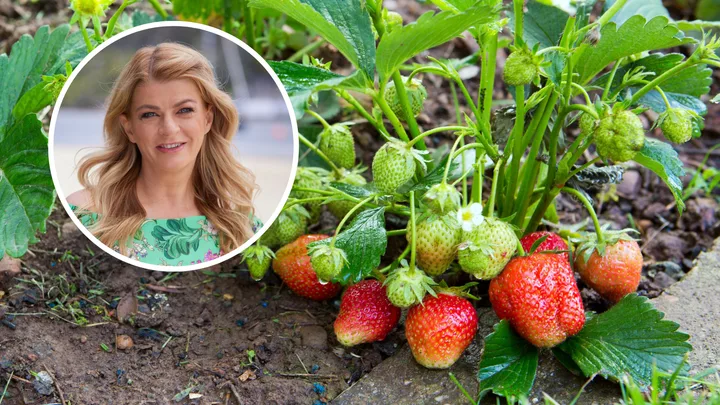
Few things in the garden make me smile more than watching my little boys helping themselves to strawberries straight from the patch. The evidence is impossible to miss – sticky red juice dribbling down their chins, stained fingers and cheeky smiles that tell me they’ve been sneaking “one more” berry.
There’s something magical about strawberries picked warm from the sun and devoured on the spot. Homegrown berries burst with flavour and can be far sweeter than the ones in shops. They’re also easy to grow and wonderfully productive. A perfect crop for getting children excited about gardening!
Growing tips for strawberries
- When to plant: July through to March.
- Climate: Mild climate with cool winters.
- Aspect: Sunny position.
- Water: Regular watering, especially during the establishment period.
- Soil: Well-draining soil.
- Fertilise: Need plenty of rich compost and regular applications of liquid fertiliser.
- When to harvest: 14-18 weeks after planting.
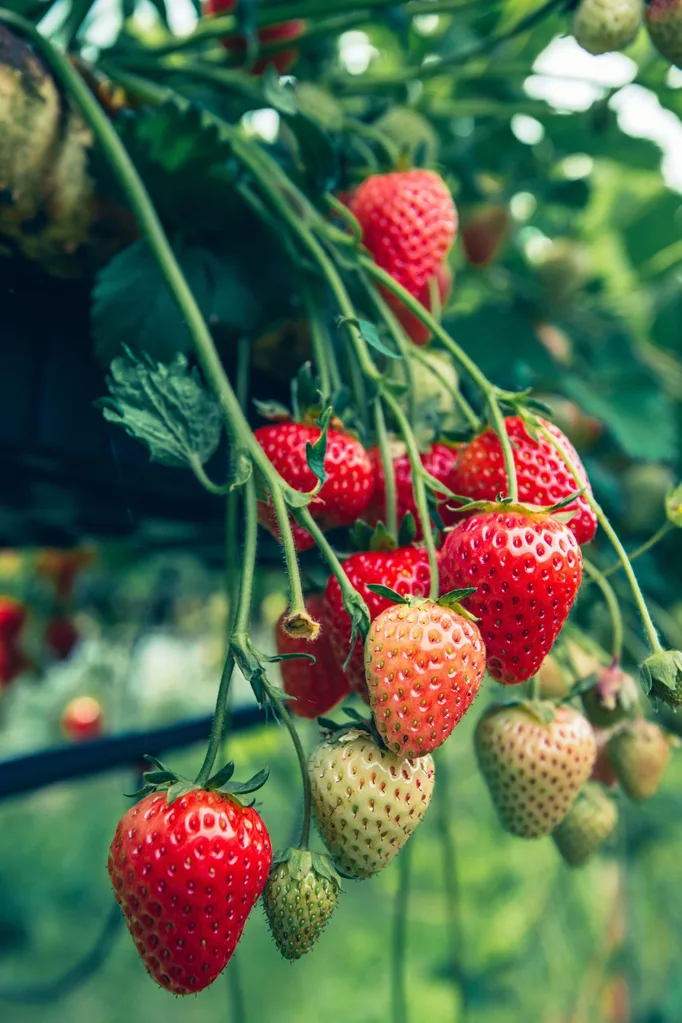
The best strawberry varieties to grow in Australia
Strawberry varieties differ in their plant and berry size and when they bear fruit.
- ‘Tioga’ has that strawberry flavour you’ll remember from your childhood. This Californian variety is a top choice for its vigorous growth and reliable sweet crops. It performs well in a wide range of Aussie climates.
- ‘Gauntlet’ is another robust, heavy-cropping variety with large, sweet fruit. It’s a dependable choice for most gardens.
- I love ‘Supreme’ for its ability to squeeze a remarkable amount of fruit into a small space. This extra-compact variety begins cropping early and continues for months, producing lots of sweet, bright-red berries that rarely make it to the table. Plant it in a sunny spot near the kitchen, and you’ll have fresh strawberries within arm’s reach for a big chunk of the year.
- ‘Ruby Ann’ earns its place in the garden long before the first berries arrive. This eye-catching variety produces masses of rich ruby-red flowers that are as beautiful as any ornamental plant. As the season progresses, the blooms give way to sweet, juicy strawberries, providing months of colour and flavour through summer and autumn. Plant it in decorative pots, hanging baskets or window boxes where you can appreciate its vibrant blooms and delicious harvest.
- ‘Red Rose’ is another attractive variety, named for its deep rose-coloured double blooms that could look at home in a flower garden. Beyond its showy flowers, it produces deliciously sweet berries that are perfect for snacking straight from the plant. Showcase its naturally cascading habit in pots, window boxes or hanging baskets, where the flowers and ripe fruit can spill gracefully over the edges.
- ‘Hokowase’ has long been a favourite in Aussie backyards, cherished for its early crop of sweet, juicy berries. Bite into one straight from the plant, and you’ll see why this variety has stood the test of time – the flavour is rich, sweet and almost dessert-like. Originally bred in Japan, this vigorous, reliable variety is jam-packed with flavour and old-world charm.
- If you’re looking for true strawberry flavour, you could try growing the heirloom favourite ‘Cambridge Rival’. This classic English variety has been winning hearts for generations with its sweet, richly fragrant berries. You won’t often find it in the shops because the fruit is softer than modern varieties, so it doesn’t transport well. But what it lacks in shelf life, it more than makes up for in flavour. It’s a little harder to find, but it’s well worth the effort.
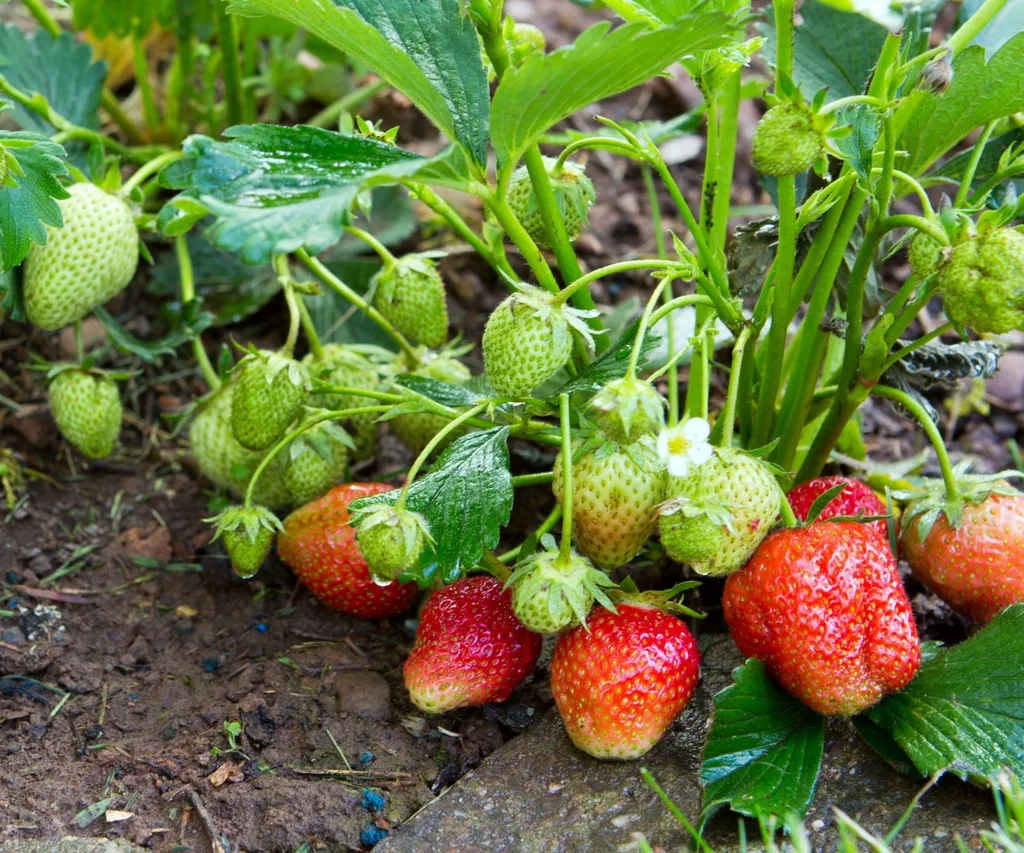
Growing wild strawberries
Wild strawberries (Fragaria vesca) are in a category all of their own. Sometimes sold as Alpine strawberries, or by their French name fraise des bois, the tiny, jewel-like berries are only fingernail-sized – but they’re packed with flavour.
There’s something wonderfully romantic about growing and eating wild strawberries. For centuries, people across Europe gathered them from woodland floors, and by the Middle Ages they were being cultivated in gardens, particularly in France. Wonderfully aromatic, they fill the garden with fragrance. The soft, delicate foliage forms low, spreading clumps that gradually creep across the soil, making them ideal for edging paths, growing in pots or naturalising beneath fruit trees. Rather than producing one big crop, they fruit little and often over many months. The berries are so delicate they’re best enjoyed straight from the garden.
How to grow a strawberry plant
If you’re planting a strawberry sapling from a nursery, you need to dig a hole the same size as the plant pot. Plant the strawberry plant and press down the soil gently. Ensure that you leave the leaves and crown (top of roots) exposed.
Reduce weed growth by adding a layer of mulch, and water regularly to support growth. If you’re planting more than one plant, space them at least 30cm apart.
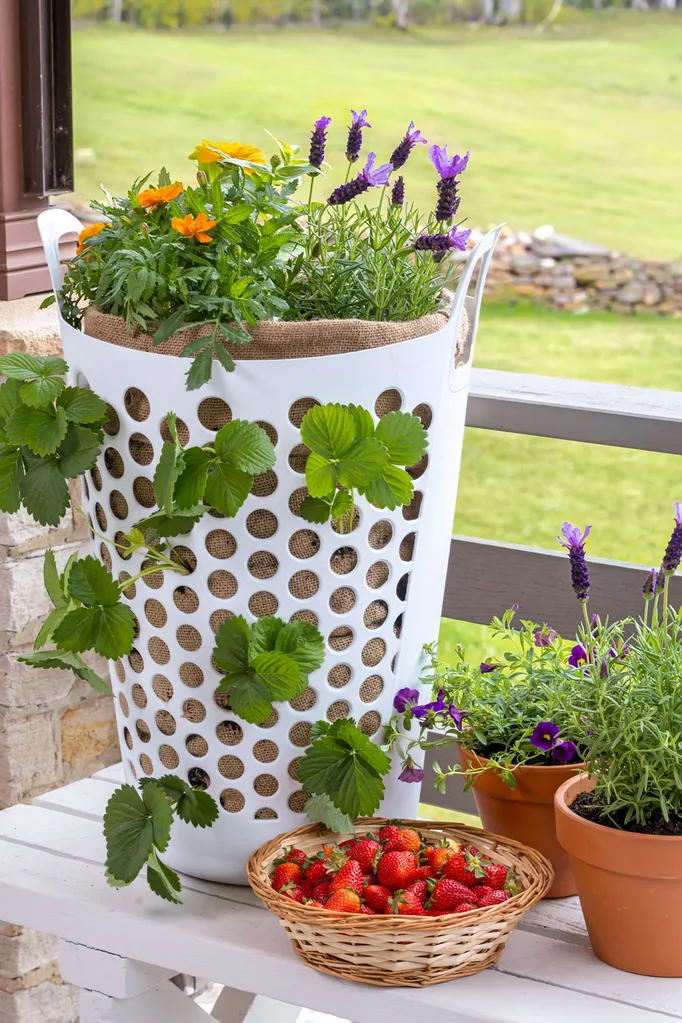
You can also use a washing basket to grow strawberries, which allows the fruit to ripen within the holes of the basket.
Caring for strawberries
When to plant a strawberry plant
In most parts of Australia, strawberries can be planted from July through to March, although the best time depends on where you live. Bare-rooted strawberries are available during winter and are best planted while they’re dormant. Potted strawberries are much more flexible and can be planted almost any time of year – just keep them well watered while they settle in.
Best climate for strawberries
Strawberries are happiest in a mild climate with a cool winter and a warm, sunny spring, so they can flower and set fruit without the stress of extreme heat or humidity.
They can be grown in most parts of Australia, from cooler southern regions through to temperate and even subtropical areas, as long as they’re given the right conditions. In hotter areas, they’ll grow through the cooler months, but you might need to give them a little extra TLC in summer – a bit of shade from harsh sun and regular watering will keep them ticking along nicely.
Soil and fertiliser
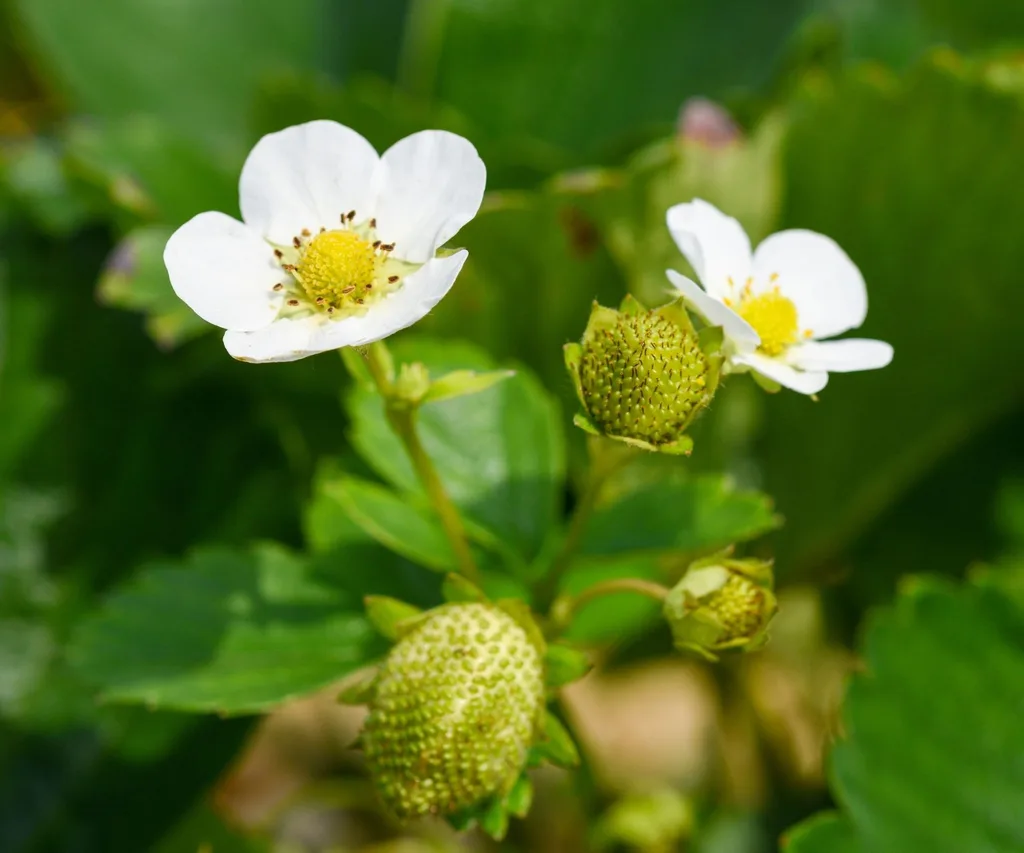
Strawberries thrive in a sunny position with well-drained soil. Before planting, enrich the soil with plenty of compost and well-rotted organic matter. Regular applications of liquid fertiliser throughout the growing season will encourage strong, healthy growth and a generous harvest.
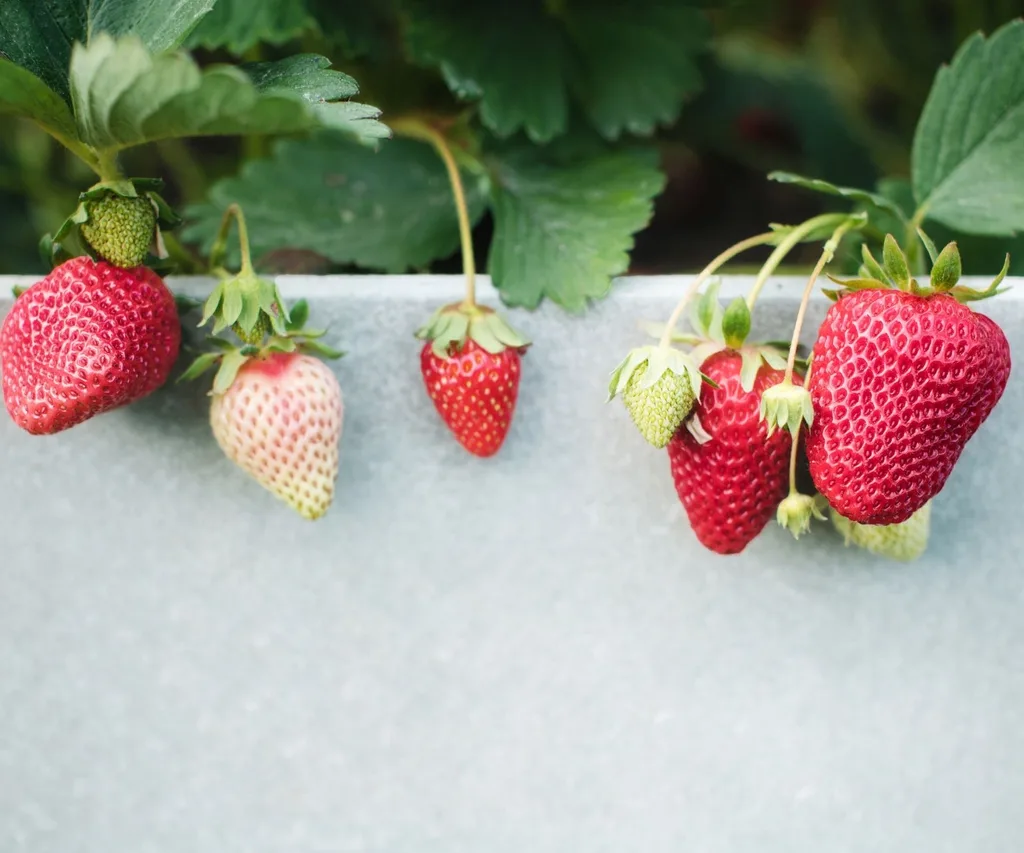
A layer of straw mulch helps retain moisture, suppress weeds and keep the ripening fruit clean and off the soil.
If your soil is poorly drained, try planting them in raised beds or decorative pots. They also perform beautifully in hanging baskets and grow bags, creating a stunning display of cascading fruit.
Diseases and pests that affect strawberries
Strawberries are pretty hardy, but can be prone to disease, including:
- Grey mould and black spot – this is only when the plants are overcrowded and in a humid, damp environment.
- Snails and slugs – during rainy, humid weather.
- Wildlife – possums, native birds and other animals may enjoy a strawberry snack or two. You can prevent this by netting your plants once they flower.



Related stories
Native ad body.

How to keep your summer lawn pristine
Native ad body.

Native ad body.