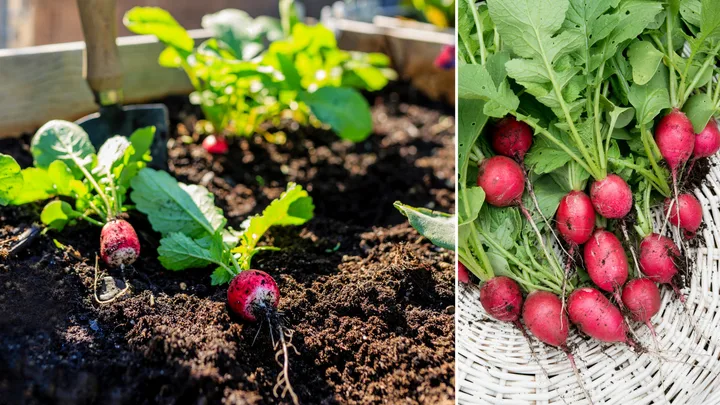
I used to think radishes were a vegetable you had to acquire a taste for – until I saw my kids happily eating them straight out of the dirt. Their peppery flavour may be divisive, but their biggest strength is how quickly they grow. And I didn’t appreciate that until I started growing them from seed.
When you grow vegetables from seed with kids they’ll spend weeks staring at the soil, impatiently asking when they’re ready to eat. Radishes, though, can go from seed to plate in just 3–4 weeks.
The other surprise is how diverse they are. Pull up a patch of heirloom varieties and it’s like holding a posy of colourful jewels. I now appreciate everything radishes bring to the garden and kitchen – a reminder that some of the most rewarding vegies can also be simple to grow.
Quick-growing tips for radish plants
- Climate: tropical, sub-tropical, warm and cool temperate climates
- Aspect: full sun
- Soil: loose, well-drained soil with lots of organic matter
- When to plant: ideally during autumn or late winter to spring, but can be grown almost any time of the year
- When to harvest: 3-4 weeks after sowing, depending on variety
- Flowering: radishes have small white to pink flowers – these are usually not seen as the plant is harvested before flower production
- Watering and fertiliser: regular watering and fertilise every 2-3 weeks
The best climate for growing radish plants
Radishes are wonderfully adaptable and can be grown across most of Australia’s climates, from cool southern gardens to temperate and subtropical regions. In warmer areas, sow radishes through the cooler months for the best flavour and texture, while gardeners in cooler climates can enjoy growing them throughout much of the year.
When to plant radish
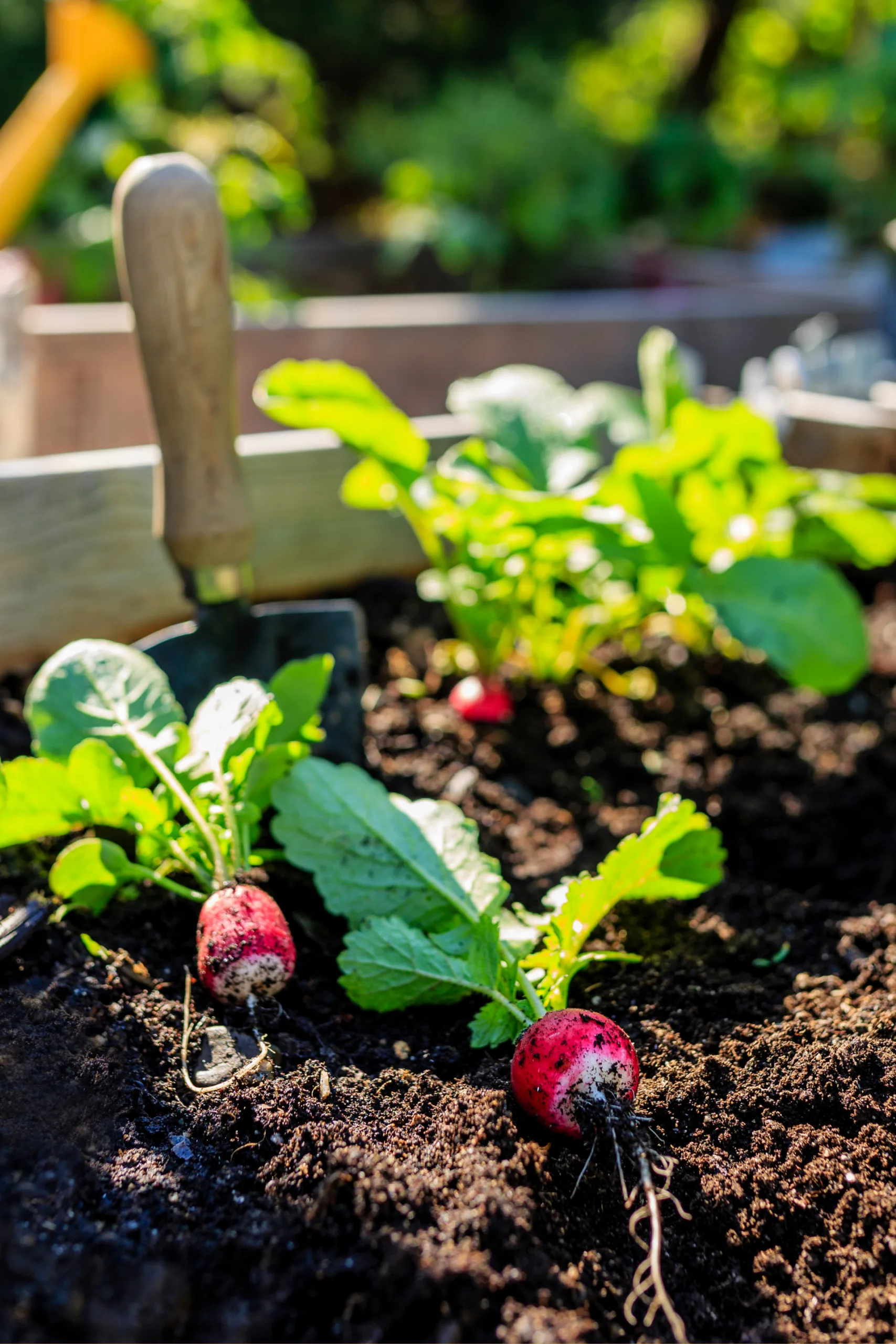
Although technically a cool-season crop, radishes are wonderfully versatile and can be sown in most seasons, almost anywhere. Autumn is often the prime season for growing crisp, sweet roots, with late winter to spring another excellent time to sow. Winter crops will often grow more slowly, while summer plantings benefit from a cooler spot and regular watering to keep roots tender and prevent plants from bolting to seed.
When to harvest radish
One of the joys of growing radishes is how quickly they can be harvested – some varieties are ready to pull from the ground just three weeks after sowing. You can check radishes as they grow by gently brushing away the soil around the crown to gauge the size of the root. Once the shoulders have filled out and the root has reached the desired size, they’re ready to harvest.
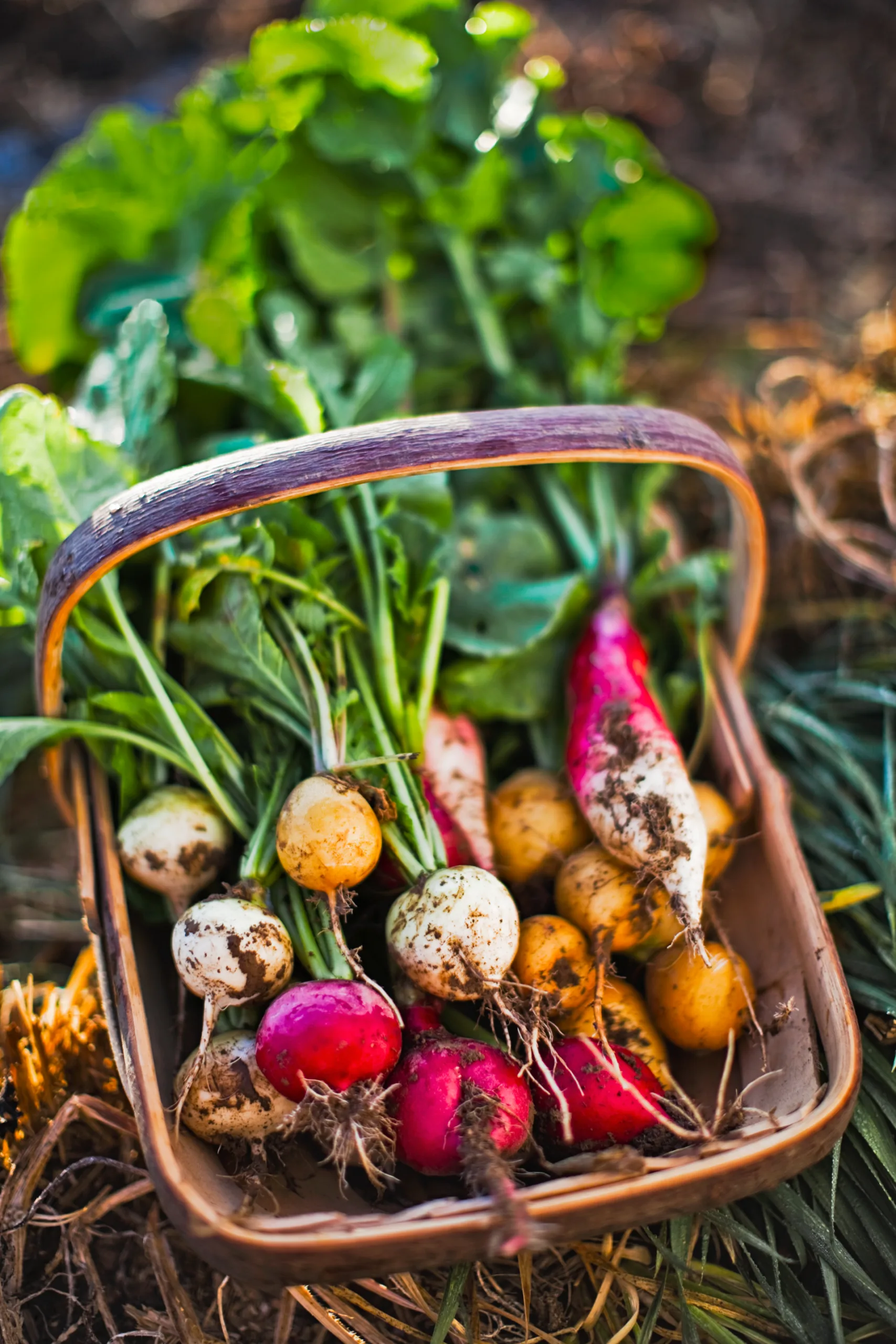
For the sweetest flavour and best texture, pick them while they’re young and tender – left in the ground too long, they can become hard, pithy or woody. When harvesting, don’t throw the leaves away. Radish is a root-to-tip vegetable, so the whole plant is edible, from the colourful root to the peppery leaves, which bring a spicy kick to salads.
Gardening tips for radishes
Radishes are easy to grow in a sunny spot with well-drained soil. Direct sow seeds into soil that has been prepared with compost and plenty of organic matter. Once seedlings emerge, thin them to 2.5–5cm apart. This gives the roots room to develop. Keep young plants well watered, especially during dry periods, to encourage crisp, tender roots.
I like to sow a small crop every 2–3 weeks, so I can enjoy a continuous supply of fresh radishes. Feed every fortnight with a complete liquid fertiliser to encourage healthy foliage and sweet, crunchy roots.
9 types of radish you can grow in Australia
Radishes come in a wide range of colours, shapes and all have unique flavour profiles. But if choosing just one variety feels impossible, look for heirloom radish seed mixes. You’ll be rewarded with a kaleidoscope of colours, shapes and flavours in every harvest.

‘Early Scarlet Globe’ radish
If you’re after a classic round red radish with crisp white flesh, you can’t go past this one. It’s quick to mature and ready to harvest in as little as 22 days.

‘French Breakfast’ radish
Few can rival the beauty and flavour of ‘French Breakfast’. Cherished since the 1890s, this radish boasts crisp texture and mild flavour. Harvest while young for the best eating.

‘Champion’ radish
You may like to grow ‘Champion’ radish, with round cherry-red roots and crunchy white centres.

‘Golden’ radish
Light up your plate with a ‘Golden’ radish. This eye-catching, yellow-skinned variety produces crisp white centres and a sweet, mild flavour, making it as appealing in the garden as it is in the kitchen.

‘Black Spanish Long’ radish
Said to have arrived with the First Fleet, this black-skinned radish has a robust, peppery flavour with roots up to 25cm long.

‘White Miyashige’ radish
If you’re after a classic Japanese radish, daikon ‘White Miyashige’ is hard to beat. This winter variety produces long, cylindrical roots with a sweet, mild flavour that’s perfect for pickling, kimchi and Asian-inspired salads. It also adds crunch to stir-fries and soups. Daikon develops best in cool weather and short days, so sow it in autumn and harvest when roots are about 25cm long.

‘Watermelon’ radish
With its striking appearance, this is guaranteed to be a talking point around the dinner table. Its flavour is mild and sweeter than most radishes. It’s perfect for salads, sandwiches or as a colourful garnish.

‘Giant of Sicily’ radish
Try ‘Giant of Sicily’, a large and mild Italian heirloom that produces generous round roots without becoming woody. Less peppery than most.

‘Hailstone’ radish
‘Hailstone’ is an heirloom radish prized for its flavour. Dating back to 1908, it produces smooth white roots with crisp, sweet, tender flesh. Ready to harvest in just 23–30 days, it’s delicious sliced in salads or sandwiches.
Companion planting with radishes
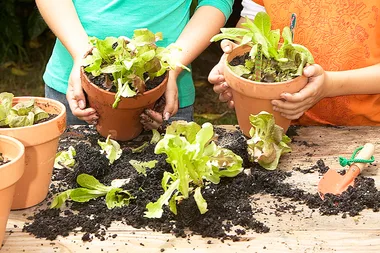
Radishes are a great plant to mix in with other crops, as they provide companion planting benefits. Mix radish seeds with carrot and parsnip to help loosen the soil. Lettuce and other leafy greens benefit from radishes’ fast growth. Radish leaves provide good surface shade to lettuce saplings before they are pulled out to be harvested.
Other plants that benefit from radish companion planting include:
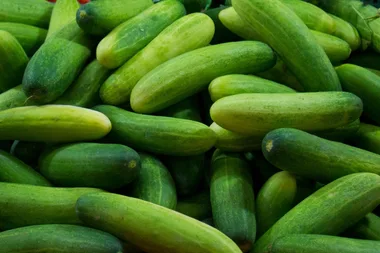
- Cucumbers
- Squash
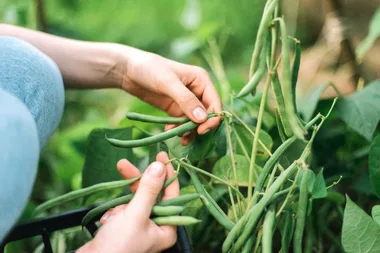
- Peas and beans
- Dill and marjoram
- Nasturtium
You can eat radish leaves. The radish plant is a root-to-tip vegetable, meaning you can eat every part of it. Radish leaves are peppery and work well in salads.
A radish takes around 3-4 weeks to reach maturity for harvesting, depending on the variety. ‘Early Scarlet Globe’ and ‘Hailstone’ radish varieties are ready in just 22-23 days.

Related stories
Native ad body.

Native ad body.

Native ad body.