We’ve all been there: you fall for a plant at the nursery and bring it home only to watch it wilt. You water, you feed, you Google, clinging to the hope that it will finally thrive.
But according to landscape architect Natasha Morgan, gardening success isn’t about trying harder. It’s about paying closer attention.
KEY TAKEAWAYS
- Choose plants that suit your site.
- It’s okay to pull plants out.
- Start with a garden design brief.
- Map your site with trace layers.
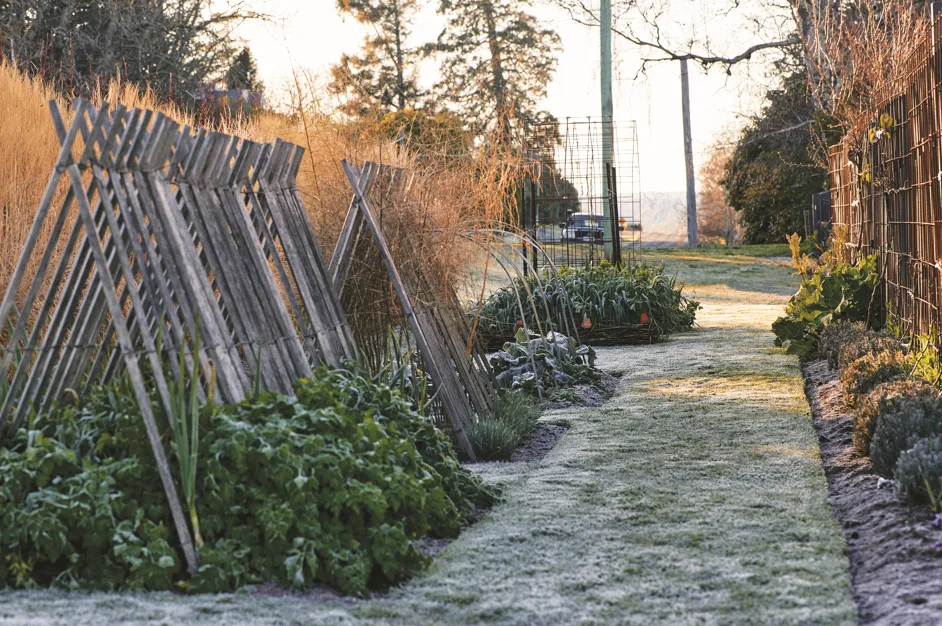
Natahsa, who helped create the Australian Garden at Cranbourne and now looks after her own garden in Daylesford, says not every plant suits every garden. Understanding your site’s unique conditions and choosing plants accordingly is often the difference between a garden that struggles and one that thrives.
“A garden is definitely a relationship,” she says. “It’s evolving. Some things don’t succeed, or some things succeed too well.”
It’s okay to start again
She learned this herself when her plume poppies started taking over and crowding out everything else.
“I thought, okay, you’ve had a few years in here, your time’s up, and I pulled them out.”
It’s a reminder that gardening isn’t about getting everything right from day one. Plants change, seasons change, and every garden is different. Natasha says the key is learning how to observe what your garden is telling you.
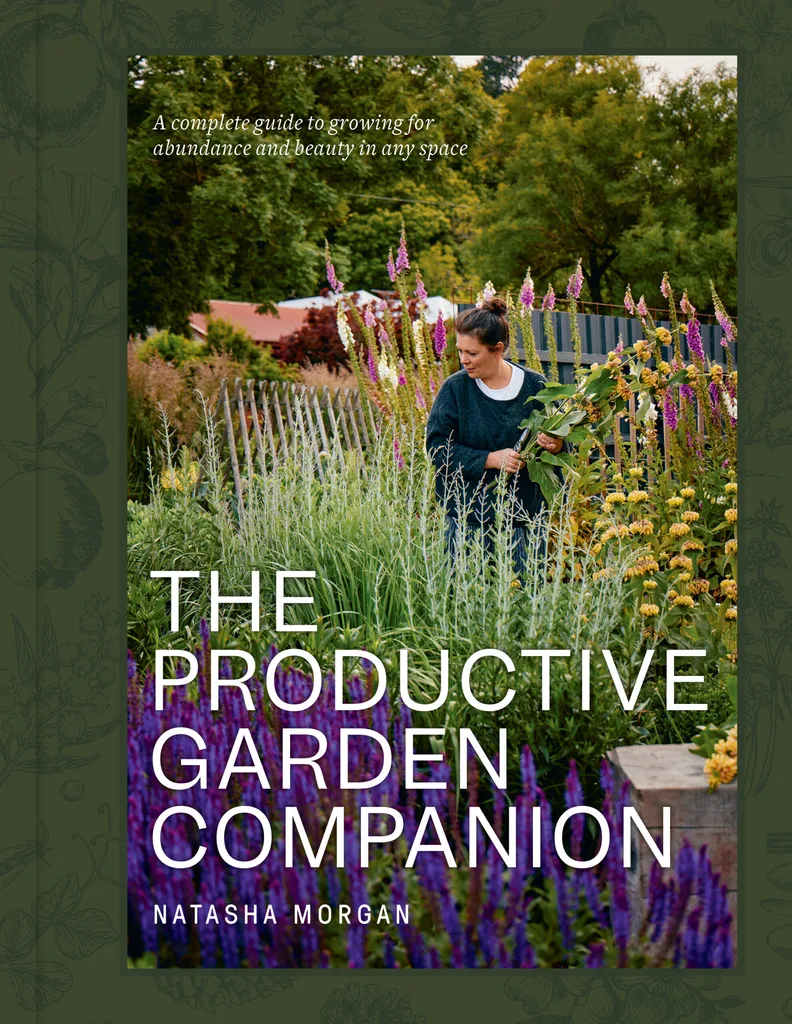
In her new book, The Productive Garden Companion, Natasha shares how she creates a garden that changes with the seasons, along with the lessons she’s picked up along the way. Below is an extract from the new book she has kindly shared with us about how she plans a garden.
How to plan a garden: start with a design brief
Since design always starts with observation, the best place to start is to ask yourself: ‘Why?’ Long before you start sketching lines or laying paths, imagine the kind of life you want to live in your garden. Consider your wish list or your vision. Your emotional anchor.
Gather what inspires you
In my own practice, this always comes first. Sometimes it begins with a Pinterest board, a folder of saved images, or a handmade mood board of magazine cuttings and written reflections. This is not to copy what others have done, but to get a sense of what draws me in. What moves me. What feels like home. Then come the words. I like to ask myself:
- What do I want this garden to offer me?
- How do I want to live here?
- What do I want to gather, create, share or feel?
- Who else will use this space, and how?
Write your brief
I invite you to ask yourself these same questions. You don’t need to have the answers straight away. The act of asking is the beginning. However, once those questions start to take shape, pull them into a brief document that distils your vision and intentions in practical ways. It might include:
Primary purpose: What is this garden for? Food, beauty, family life, sanctuary, sharing?
Emotional cues: What do you want to feel here? Calm, joy, productivity, spaciousness, delight?
Core functions: Do you need space for composting, preserving, a fire pit, a laundry, pets, kids?
Aesthetic direction: What tones, shapes or materials do you gravitate towards? Loose and flowing? Sculptural and geometric?
Lifestyle rhythms: Do you entertain outdoors? Garden in the mornings? Spend weekends preserving?
Non-negotiables: What must be included? What do you want to avoid?
A clear design brief won’t solve every problem. But it will help you make decisions with confidence. And that, in a world of too much inspiration, is invaluable.
Map your site
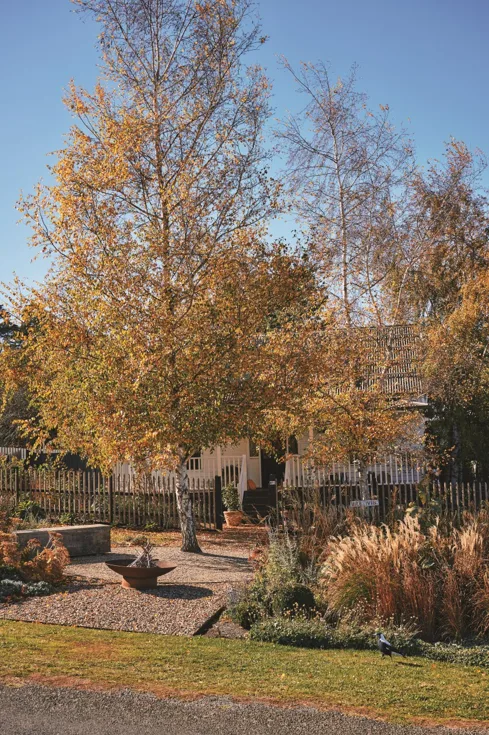
Once you’ve clarified your vision, the next step is to ground it. This is where observation becomes practice. Design isn’t just about aesthetics. It’s about working with what exists: the slope, the sun, the wind, the views, the privacy, the water flow, the soil. Reading your site is how you begin shaping a garden that truly belongs there.
Try trace-layer mapping
I teach this using what I call trace-layer mapping. Start with a base plan. You can use a printout from Google Earth, a hand-drawn site sketch or a scaled drawing if you have one. Mark the permanent or fixed features: house, sheds, fences, trees, driveways, tanks, utility zones, existing beds or structures. From there, the layering begins.
Use tracing paper to explore one site condition per sheet. (You could also use unwaxed baking paper.) Each layer helps to reveal patterns. I recommend starting with the following:
- Sun and shadow (summer versus winter paths of light)
- Wind direction and intensity (prevailing seasonal winds)
- Drainage and water flow (where does water pool, run or dry quickly?)
- Soil types and structure (where is it heavy clay versus light and loamy?)
- Frost pockets or hot/dry spots
- Existing vegetation (what’s thriving? What’s invasive?)
- Access points and desire lines (paths you or others naturally take)
- Views to frame, block or soften
- Privacy and exposure (visual and acoustic)
- Noise (road traffic, neighbours, wildlife)
- Utilities and services (clothes lines, bins, gas meters, taps, septic lines).
Let the layers speak
This is slow, sensory work. It asks you to really notice. To return to the garden at different times of the day, across all seasons (if you have this time), and observe with fresh eyes. You won’t be able to do it in one afternoon. Let the place gradually reveal itself.
Over time, the overlays will begin to speak, and you’ll see overlaps. Maybe your sunniest spot is also the best-draining. That’s gold. Or perhaps your privacy issue occurs in your windiest corner. Now you know that you can use planting or fencing there with layered purpose.
When you begin to work this way, your design becomes responsive. It stops being theoretical, and it comes to life. Remember: your site is never a silent space; it’s always speaking. Your job is to learn how to listen to it.