I have a bit of a weakness for plants. Give me a Saturday morning and a random chore excuse to stop by a nursery, and there’s a very good chance I’ll come home with more greenery than I have space to grow it. Plants bring so much to our homes and gardens: colour, texture, life and that wonderful sense of calm that nature brings. But if you share your home with pets, there’s another consideration to bear in mind: how will they interact with your plants?
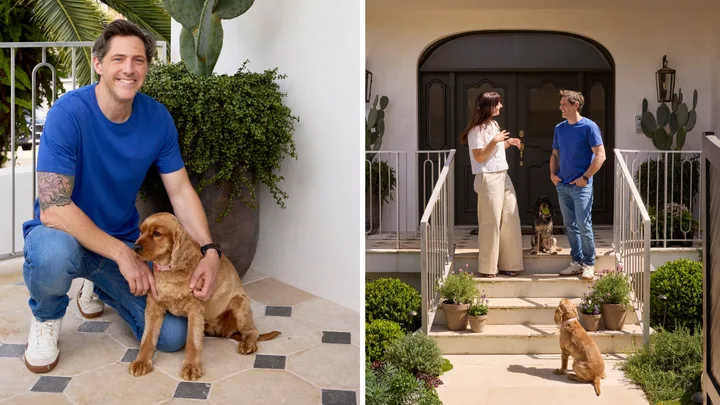
We visited landscape designer, founder of The Living Edit and BHG TV presenter Charlie Albone, at his family home in Sydney. He knows a thing or two about making plants and pets work together. His household includes two dogs (Lord Darcy and Princess Louise), an indoor cat (Lord Harold Buttercream III), a lizard (Brian Leatherjacket) and even fish!
“Plants make an interior look so much nicer,” Charlie says. “You just need to consider your animals and how they live.” Here are his top tips for picking and styling your space with pet-friendly plants.
1. Choose plants with your pets in mind
The first step is simple: think about your pet’s personality and behaviour before choosing a plant. If you have a curious cat who likes to chew, or a dog who digs, your plant choices and placement will need to reflect that.
Charlie’s top picks for pet-friendly plants
- Spider plant: hardy, easy to grow and a good choice for homes with cats.
- Calathea: beautiful, ornamental foliage and great for houses with pets.
- Boston fern: a lush option that works particularly well in bathrooms.
- Golden cane palm: brings height and a tropical feel indoors and is considered non-toxic to cats and dogs.
Always check the specific plant species with your local nursery or a reputable plant-safety resource, like Greener Spaces Better Places, before bringing it home, particularly if your pet is prone to being a little adventurous (translation: they’ll eat anything).
2. Have pet no-go zones
There’s no one-size-fits-all approach to a pet-friendly garden. “You have to know the personality of your pet,” Charlie says. Some pets will completely ignore your plants. Others will regard every new leaf as an invitation to play.
Charlie’s indoor cat, Lord Harold Buttercream III, tends to leave the plants alone, but Charlie still takes precautions. In his home, some areas can be closed off so the dogs don’t have access to plants that could upset their stomachs.
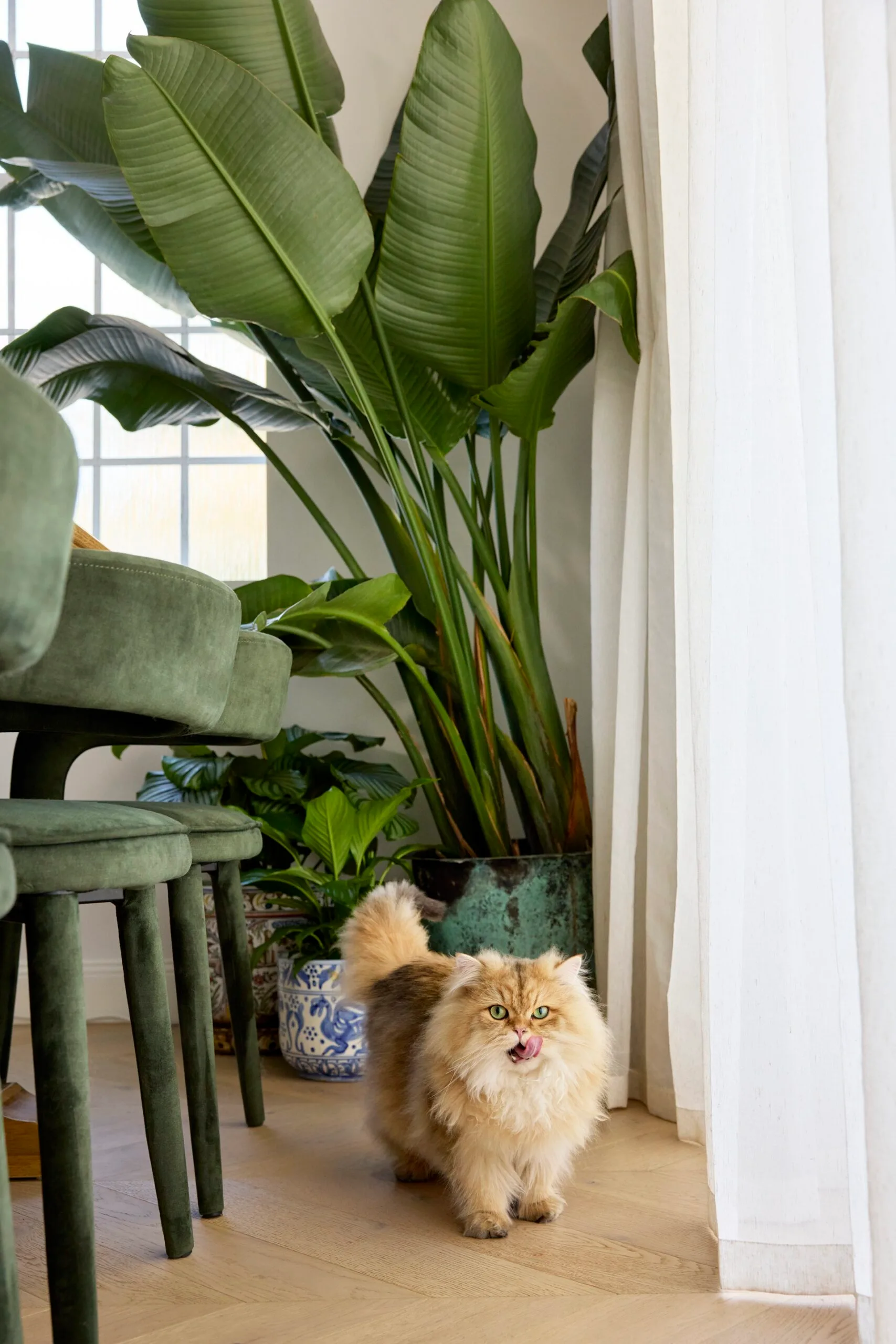
His top tip is to keep plants that might be tempting, fragile or unsuitable for your animals in areas they can’t access. Use shelves, plant stands, hanging baskets or closed-off rooms to create separation where it’s needed.
3. Get the right plant for the right spot
A plant that thrives in one part of Australia may struggle somewhere else; however, Charlie has a fairly laid-back approach.
“If you can, get the right plants for your conditions: they want to live, they want to do well, they want to grow,” says Charlie.
Think about light, water, space and climate before you commit. And remember that an “indoor plant” doesn’t always mean a plant that can survive in a dark corner. Charlie has also brought outdoor plants inside, including a dramatic bird of paradise, but only where there is enough light coming into the room to keep it thriving.
Plant placement checklist
- How much natural light does the spot get?
- How much space will it need?
- Can your pets access it? (And, if so, is it safe for them to do so?)
Find the perfect plant for the right spot by consulting local nurseries or using online resources to get a better idea about each plant’s needs. Greener Spaces, Better Places offers a ‘Pick Your Perfect Plant’ resource that guides you to finding the right plant for your space and gardening level (from beginner to green thumb genius).
4. Give your garden layers
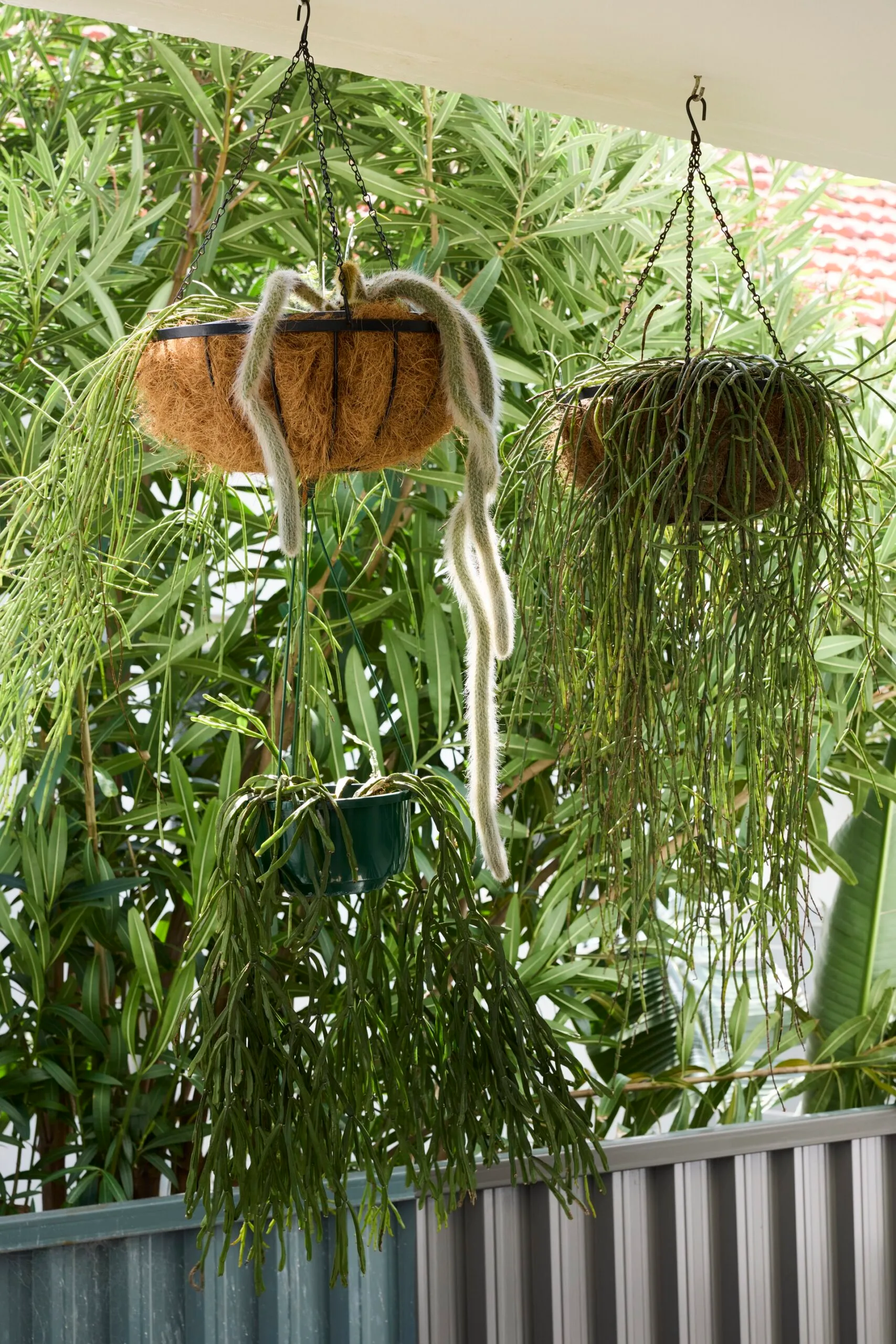
A pet-friendly garden still needs to look good. Charlie creates interest by combining plants at different heights, from large feature plants and climbers to lower-growing plants and hanging varieties. This approach is particularly useful when you need to keep some plants out of reach. Rather than filling every available patch at ground level, look upwards for ideas.
Try hanging baskets, plants trained to grow up trellises, raised pots and vertical greenery to create height without taking up precious planting space.
5. Make room for the pets
One of Charlie’s best pieces of advice is to think about how the whole household actually uses the garden. His front garden is more ornamental, while the backyard is practical, with room for the dogs and kids to play.
For vegie growers, a raised garden bed can be particularly useful. It keeps vegetables away from curious dogs, while improving drainage and making gardening easier on your back.
6. Keep it low-maintenance
One of Charlie’s simplest time-saving tips is, “Don’t automatically water your plants every day. Instead, check the soil. If it feels dry, give it a drink.” Overwatering can be just as damaging as underwatering, so get into the habit of checking before reaching for the watering can.
And when indoor plants start to droop, pay attention. Sometimes they’re simply telling you they’re thirsty. Charlie likes to give them a regular, thorough soak. About once a week, he takes his plants into the shower, allowing the root ball to get a good drink while washing dust from the leaves.
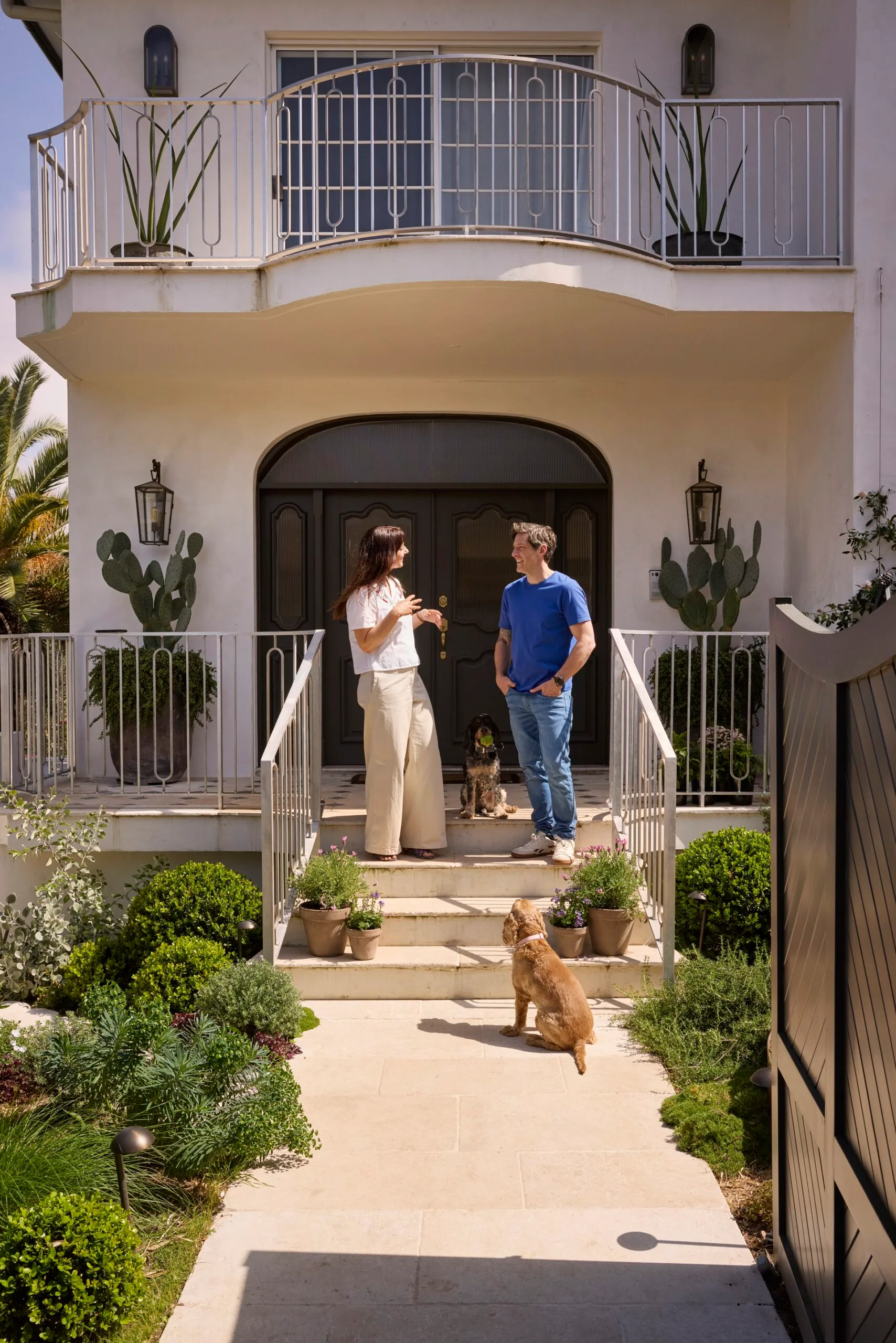
Living with pets doesn’t mean giving up on your plant obsession. It just means thinking a little more carefully about what you grow, where you put it and how your animals move through the space. As Charlie says, “We all want plants in our life.” The trick is to create a home where everyone gets to enjoy the wellness benefits of thriving greenery – including our pets.

Greener Spaces, Better Places is an industry organisation run by the parent company, Horticulture Innovation.

Related stories
Native ad body.
Native ad body.
Native ad body.
How to keep your summer lawn pristine