

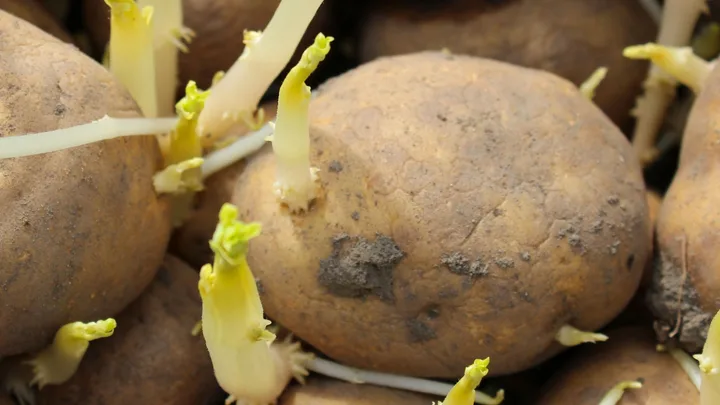
Finding a sprouted potato in the back of the pantry has happened to the best of us. If you’re wondering if you can pop it in the garden to see if it grows, think again.
While it seems like a clever ‘kitchen scrap’ hack, it’s actually a very common mistake Aussie gardeners make, and it could put your entire vegie patch at risk.
KEY TAKEAWAYS
- The golden rule: Skip the supermarket scraps. Use only certified disease-free seed potatoes to avoid soil rot and growth-stunting chemicals.
- Best time to plant: * QLD/Northern WA: April – June (Plant now!) VIC/TAS/SA/Southern NSW: August – October (Wait for the frost to pass).
- The “chitting” secret: Place seed potatoes in an egg carton for 2–4 weeks before planting to “wake them up” and speed up your harvest.
- Sun requirements: Minimum 6–8 hours of direct sunlight.
- The container hack: No garden bed? Use a pot or grow bag at least 40cm deep.
- The harvest signal: When the leaves turn yellow and fall over, your spuds are ready to dig up.
Want to start growing your own potatoes? Here’s everything you need to know.
Choosing seed potatoes
Seed potatoes are not seeds in the traditional sense. They are small, whole potatoes or pieces of potato that are planted in the ground to grow a new crop. Each seed potato contains a number of eyes, which are the small buds from which shoots and roots will develop.
While it might be tempting to plant leftover potatoes from the kitchen, this is not recommended. Supermarket potatoes are often treated to suppress sprouting and may carry disease. Always purchase certified disease-free seed potatoes from a reputable nursery or garden supplier.
Types of potatoes
Before you get planting, you might like to consider which type of potato you want to grow. Australia cultivates various types of potatoes, each with its unique characteristics, flavours, and uses. Here are some common types of potatoes grown in Australia:
- Desiree: Desiree potatoes are a versatile variety known for their smooth red skin and creamy yellow flesh.
- Pontiac: Pontiac potatoes have red skin and white flesh.
- Sebago: Sebago potatoes are widely grown in Australia and are favoured for their all-purpose use.
- Coliban: Coliban potatoes have pale brown skin and creamy white flesh.
- Kipfler: Kipfler potatoes have elongated, finger-like shapes with yellow skin and buttery-yellow flesh. Due to their waxy texture and nutty flavour, they are often used for roasting, boiling, and making salads.
- Royal Blue: Royal Blue potatoes have dark purple-blue skin and a floury texture.
- King Edward: King Edward potatoes have white skin, pinkish blushes, and creamy-white flesh.
- Toolangi Delight: Toolangi Delight potatoes have pink skin and creamy-yellow flesh.
Chitting your seed potatoes
Chitting simply means allowing your seed potatoes to sprout before planting. It gives your crop a head start, particularly in cooler climates or when planting early in the season.
To chit your seed potatoes, place them in a single layer in an egg carton or shallow tray with the eyes facing upward. Keep them in a cool, bright spot out of direct sunlight. Within two to four weeks, green shoots will develop. Aim for shoots of around 1-2cm before planting. Avoid long, spindly shoots, which are a sign the potatoes have been kept somewhere too dark or too warm.
Chitting is optional in warmer parts of Australia, where the growing season is longer, but it is particularly worthwhile in Victoria, Tasmania, and in cooler parts of New South Wales and South Australia, where the frost-free window is shorter.
How long does it take to grow potatoes?
Potatoes can be grown year-round, depending on the region and weather. As long as there isn’t any frost, seed potatoes (a whole little potato ready to shoot) can be planted. Spuds need to be frost-free for 60-90 days to be successfully harvested.
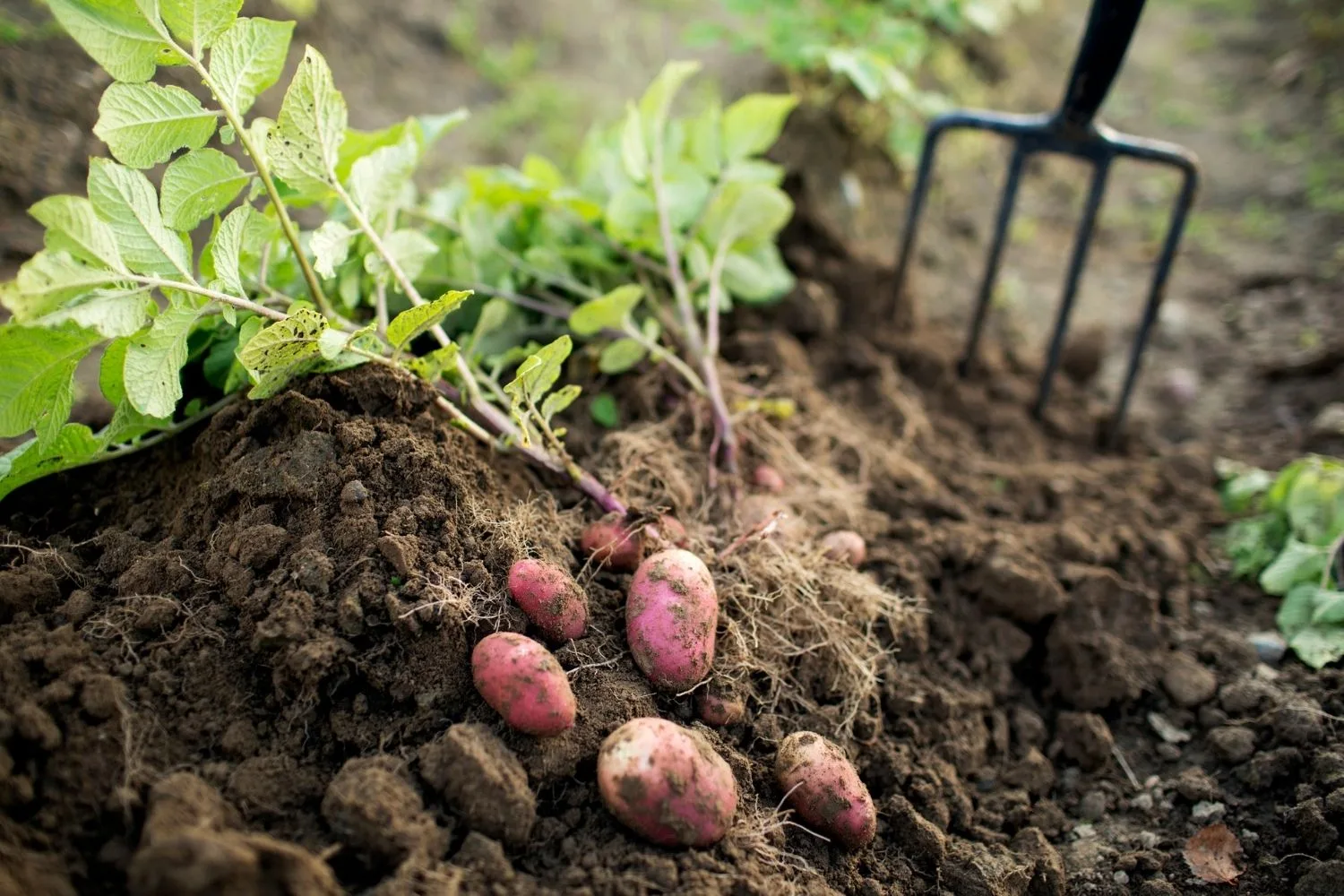
Planting potatoes
When to plant potatoes in Australia
Soil temperature is a more reliable indicator that your potatoes are actually ready to go in the ground. Potato seed tubers need soil that has warmed to at least 10°C to sprout reliably. Planting into cold soil below this threshold means the seed potato simply sits in the ground, increasing the risk of rot before it ever gets a chance to shoot.



Using a basic thermometer, take a reading at around 10cm depth first thing in the morning for the most accurate result. Always allow 60-90 frost-free days after planting for a successful harvest, so factor in your first expected frost date as well as your soil temperature.
How to plant potatoes at home
Now, to get your hands dirty and plant your potatoes.
1. Prepare seed potatoes
Obtain certified disease-free seed potatoes from a reputable source. If the seed potatoes are large, you can cut them into smaller pieces, each containing at least one or two eyes (buds).
2. Select a planting site
Choose a sunny location in your garden with well-draining soil. Potatoes require at least 6-8 hours of sunlight per day.
3. Prepare the soil
Work the soil to a depth of about 15-20 centimetres (6-8 inches) to loosen it. Remove any weeds, rocks, or debris from the planting area.
Incorporate organic matter, such as compost or aged manure, into the soil to improve its structure and fertility.
4. Plant the potatoes
Dig furrows or trenches in the prepared soil, about 60-90 centimetres (2-3 feet) apart.
Place the seed potatoes or pieces into the furrows, spacing them about 25-30 centimetres (10-12 inches) apart.
Plant the seed potatoes with the eyes facing upward and cover them with about 7.5-10 centimetres (3-4 inches) of soil.
5. Hilling your potatoes
As the potato plants grow, gradually mound soil or mulch around the stems to cover the tubers. This process, known as hilling, helps protect the developing tubers from sunlight and pests.
6. Watering
Keep the soil evenly moist but not waterlogged (potatoes can rot) throughout the growing season. Water deeply whenever the top 2.5 centimetres (1 inch) of soil feels dry.
7. Fertilising
When the potato plants reach about 15-20 centimetres (6-8 inches) in height, apply a high-compost, well-draining soil.
8. Mulching (Optional)
To conserve moisture, suppress weeds, and maintain even soil temperature, apply a layer of organic mulch, such as straw or shredded leaves, around the potato plants.
9. Monitor for pests and diseases
Watch for common potato pests, such as aphids and whiteflies.
Common potato growing problems
Growing potatoes is relatively straightforward, but like any crop, they can fall victim to a handful of pests and diseases. Catching problems early makes a big difference
Late blight
Late blight (Phytophthora infestans) is one of the most serious diseases affecting potato crops worldwide, and Australian gardens are not immune. It spreads rapidly in warm, wet conditions and can devastate a crop within days if left unchecked. Look for dark, water-soaked patches on the leaves that quickly turn brown and papery, often with a white fungal growth on the underside. Infected tubers develop a reddish-brown rot beneath the skin.
Prevention is the best approach. Avoid overhead watering, ensure good airflow between plants, and never plant potatoes in the same spot two years in a row. If blight appears, remove and dispose of affected foliage immediately. Do not compost it. A copper-based fungicide can help slow the spread if applied early.
Scab
Common scab produces rough, corky patches on the potato’s skin. While it doesn’t affect the flesh or make potatoes inedible, it does affect appearance and storability. Scab thrives in dry, alkaline soils, so keeping soil moisture consistent during tuber development. Avoid overliming your beds. Choosing scab-resistant varieties, such as Sebago, is also worth considering if scab has been a recurring problem in your garden.
Crop rotation
One of the simplest and most effective ways to reduce pest and disease pressure is to rotate where you grow your potatoes each season. Avoid planting potatoes, or any other member of the Solanaceae family, including tomatoes, capsicum, and eggplant, in the same bed for at least three years to break the cycle of disease.
Aphids and whiteflies
Aphids and whiteflies are among the most common potato pests in Australian gardens. Both feed by sucking sap from the plant, weakening growth and potentially spreading viral diseases between plants. Check the undersides of leaves regularly, particularly during warmer months.



How to get rid of aphids and whiteflies on potatoes
Controlling aphids and whiteflies on potatoes in Australia involves a combination of preventive measures and targeted treatments, as needed. Here’s a guide on how to manage these pests effectively:
- Physical removal: Check your potato plants regularly for signs of aphids and whiteflies. If you spot them, physically remove them from the plants by hand-picking or using a strong stream of water to dislodge them.
- Pruning and disposal: Remove heavily infested leaves or stems from potato plants and dispose of them away from your garden to prevent pests from spreading to healthy plants.
- Companion planting: Plant companion plants that repel aphids, such as marigolds, nasturtiums, or alliums (e.g., onions and garlic) near your potato plants.
- Attract beneficial insects: Attract natural predators such as ladybugs, lacewings, and parasitic wasps in your garden.
- Use reflective mulch: Reflective mulch, such as aluminium foil or silver plastic, can deter aphids and whiteflies by confusing and disorienting them.
- Neem oil spray: Neem oil is a natural insecticide that can effectively control aphids and whiteflies. Mix neem oil with water according to the manufacturer’s instructions and spray it directly onto the affected potato plants. Repeat every 7-10 days or as needed.
- Insecticidal soap: Insecticidal soaps are another option for controlling aphids and whiteflies on potatoes. Try making your own, too. Here’s how to make a natural pesticide.
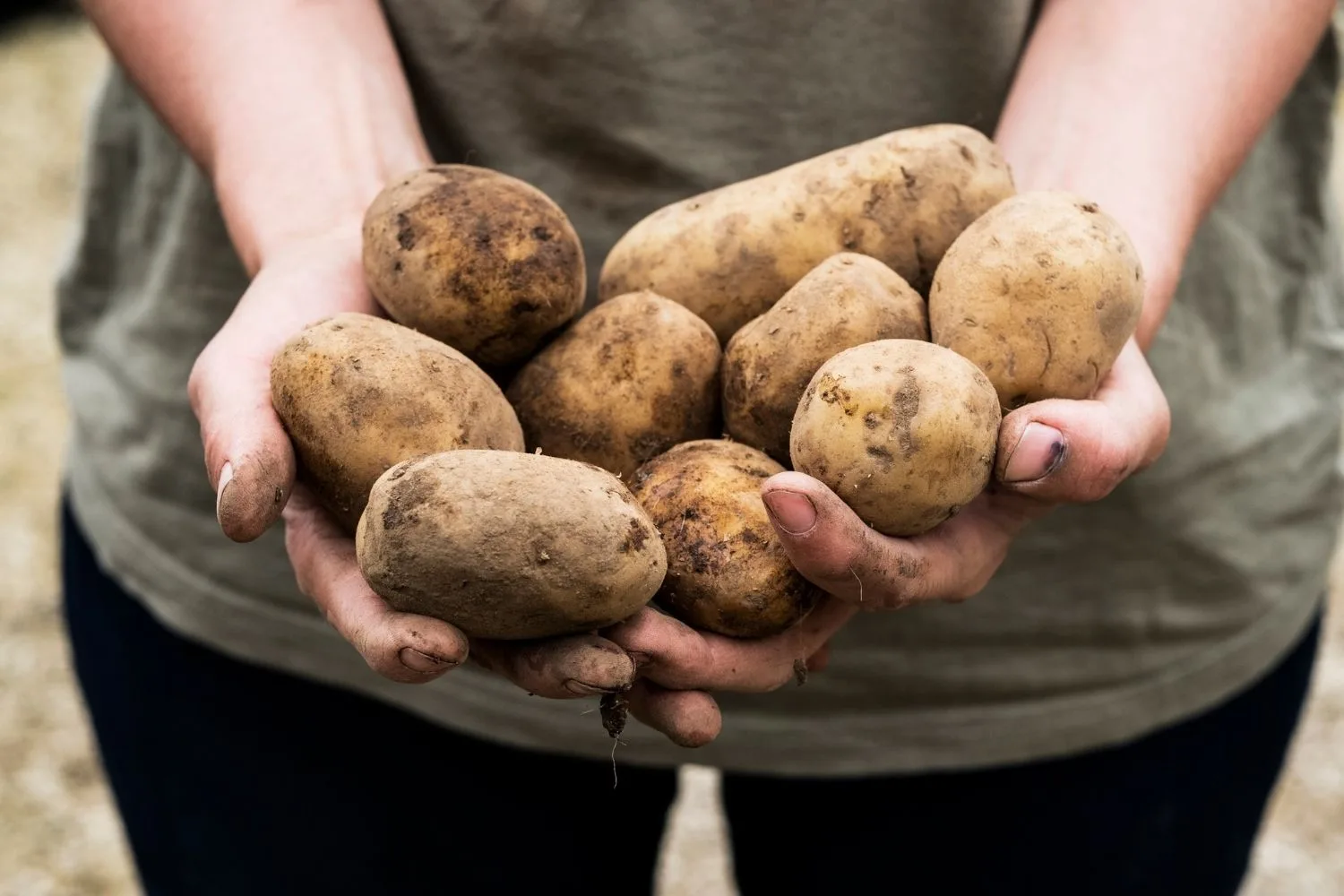
Harvesting potatoes
Knowing when and how to harvest is just as important as how you grow. Pulling potatoes too early means small, underdeveloped tubers; leaving them too long risks disease, pest damage, and skin that becomes too thick for new potatoes.
How to tell when potatoes are ready
The clearest sign that your potatoes are ready to harvest is the foliage dying back. Once the tops have yellowed and collapsed, the tubers have finished developing, and the skins will have set. At this point, the potatoes are ready for storage and eating. Use a garden fork rather than a spade to reduce the risk of spearing tubers, and work from the outside of the plant inward, digging wide and deep to avoid missing potatoes near the base.
Bandicooting potatoes is a technique for harvesting new potatoes. Instead of digging up the entire plant, you can carefully remove a few potatoes from the soil near the base of the plant while leaving the rest to develop. However, the skin will not have formed properly yet, so they’ll need to be eaten that day.
How many potatoes will one plant produce?
This varies depending on variety, soil quality, and growing conditions, but as a general rule, a single seed potato will produce anywhere from 5 to 10 potatoes.
How to grow potatoes in a container
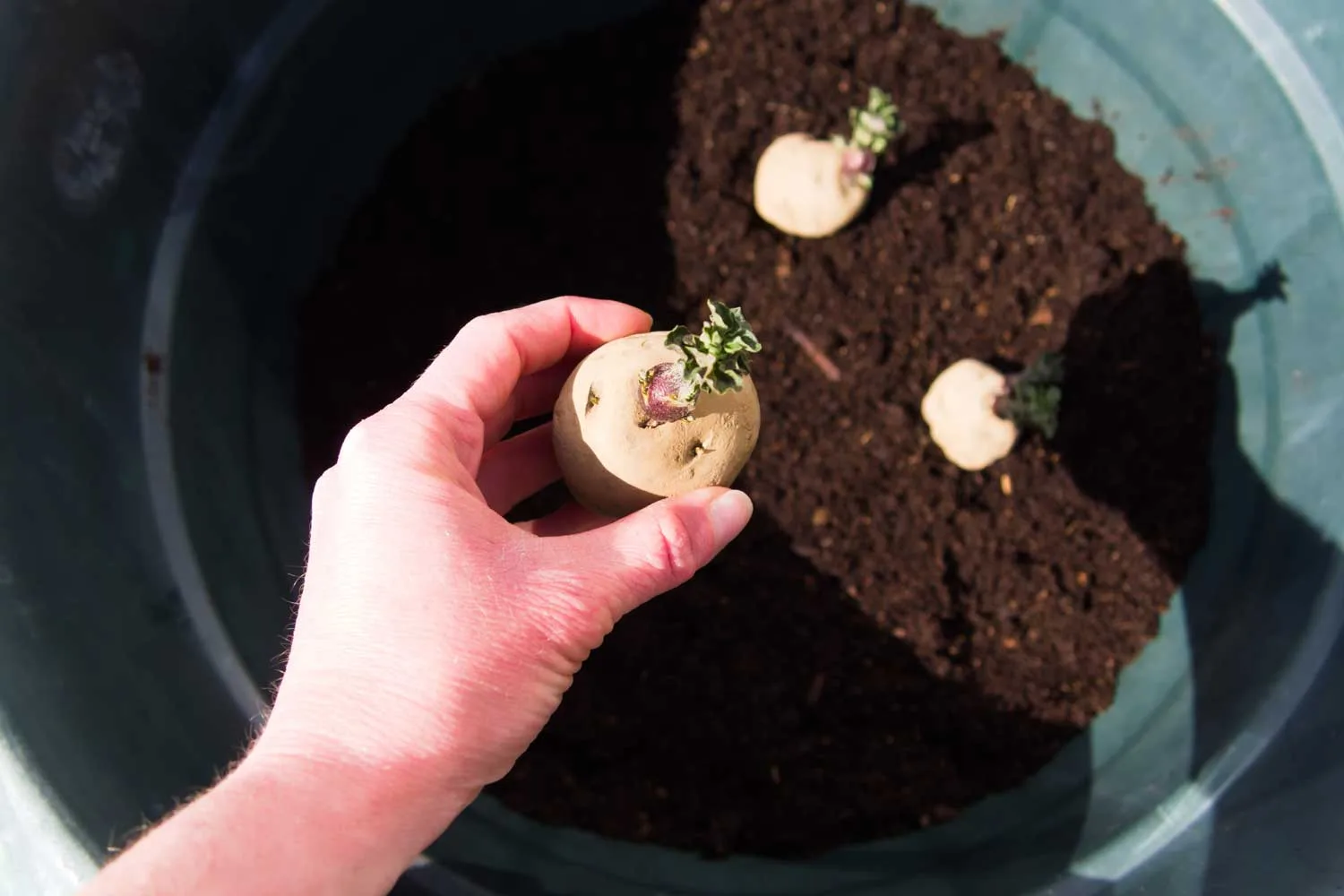
If you live in an apartment with a balcony, you can grow potatoes in a container, pot, wheelbarrow, etc. Find one at least 40-50 cm deep, with drainage holes at the bottom. Fill with 10-20cm of mixed compost and potting mix.
Place your seeds about 30 cm apart and cover with 10-20 cm of compost mixed with straw or grass clippings; keep watered and away from direct sunlight. Light causes potatoes to go green. Don’t eat these: they are poisonous.
Like potatoes grown in the ground, when the leaves are 7mm high, cover with soil until you reach the top of the container. Once the leaves die down, your potatoes are ready to be harvested.
Alternatively, potatoes can be grown in a bag.
When to plant potatoes in Australia?
The best time to plant potatoes in Australia varies by region and climate. Potatoes are typically planted during the cooler months to avoid heat stress.
In southern regions of Australia, such as Victoria and Tasmania, and parts of New South Wales and South Australia, the best time to plant potatoes is in early spring, around September to October. This allows the potatoes to grow during the cooler months and avoid the summer heat.
In more tropical and subtropical regions, such as Queensland and northern parts of Western Australia and New South Wales, potatoes can be planted in late autumn to early winter, around April to May. This timing takes advantage of the milder temperatures during the dry season.
Do potatoes grow better in the sun or in the shade?
Potatoes generally grow best in full sun. Ideally, they should receive at least 6 to 8 hours of direct sunlight daily.
While potatoes can tolerate some shade, particularly in hotter climates where partial shade can help protect them from intense sun and heat, too much shade can result in weak plants. Additionally, inadequate sunlight may lead to poor tuber development or smaller potatoes.
Plant a certified seed potato (a small potato with developed eyes or buds) eyes-up in well-prepared soil, cover with around 10cm of soil, and hill up as the plant grows. Always buy from a nursery rather than using supermarket potatoes, which are often treated to suppress sprouting.
Potatoes are one of the easiest vegetables to grow. Plant certified seed potatoes eyes-up in a sunny, well-drained spot, spacing them around 25-30cm apart. Water consistently and mound up the soil around the stems as they grow. This is called hilling and is key to a good harvest. New potatoes can be ready in as little as 10-12 weeks.
It depends on your region. In Victoria and Tasmania, plant from August to October. For those in NSW and South Australia, late August through October. In Queensland and tropical areas, April to June suits best. Wherever you are, make sure your plants have at least 60-90 frost-free days to reach harvest.

