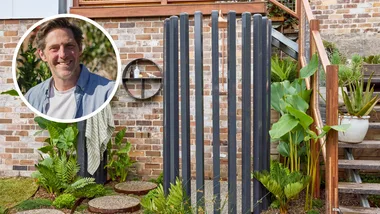
Brightening a shady spot in the garden can be a challenge, especially when many flowering plants struggle without enough sun. But landscape designer Charlie Albone says it’s not impossible.
If you’re stuck on what to plant under a hedge on the shadier side of your yard, he says you can’t go past aquilegia.
KEY TAKEAWAYS
- Aquilegia (columbine) is a flowering perennial that thrives in part shade.
- According to Charlie Albone, aquilegias are among the best plants for adding colour to shady garden areas.
- Aquilegias produce distinctive blooms in shades of pink, red, blue, white and yellow from late spring into summer.
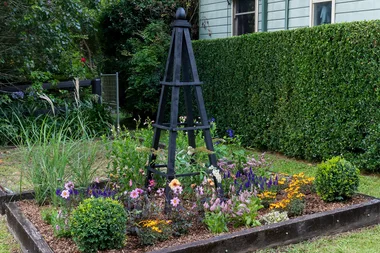
“On this side of the garden, there’s plenty of sun. This side, underneath the hedge, stays pretty shady,” Charlie says in a recent episode of Better Homes and Gardens. “So these plants are not gonna thrive here. However, that doesn’t mean we can’t have some colour.”
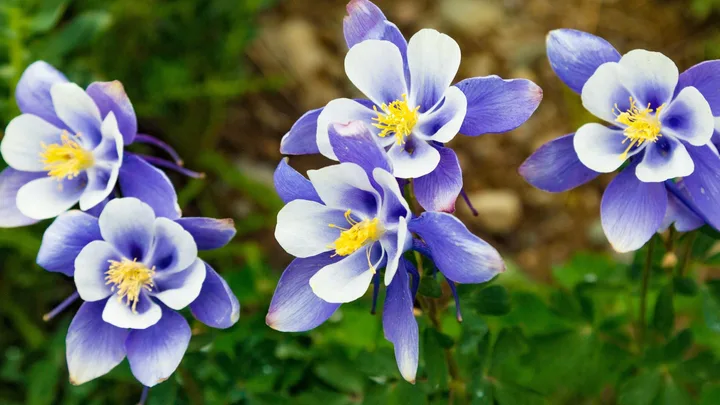
“Now, these aquilegias have one of the most interesting flowers you’ll see,” he says. “They come in an array of colours, and they’re perfectly suited for spots just like this.”
What is an aquilegia?
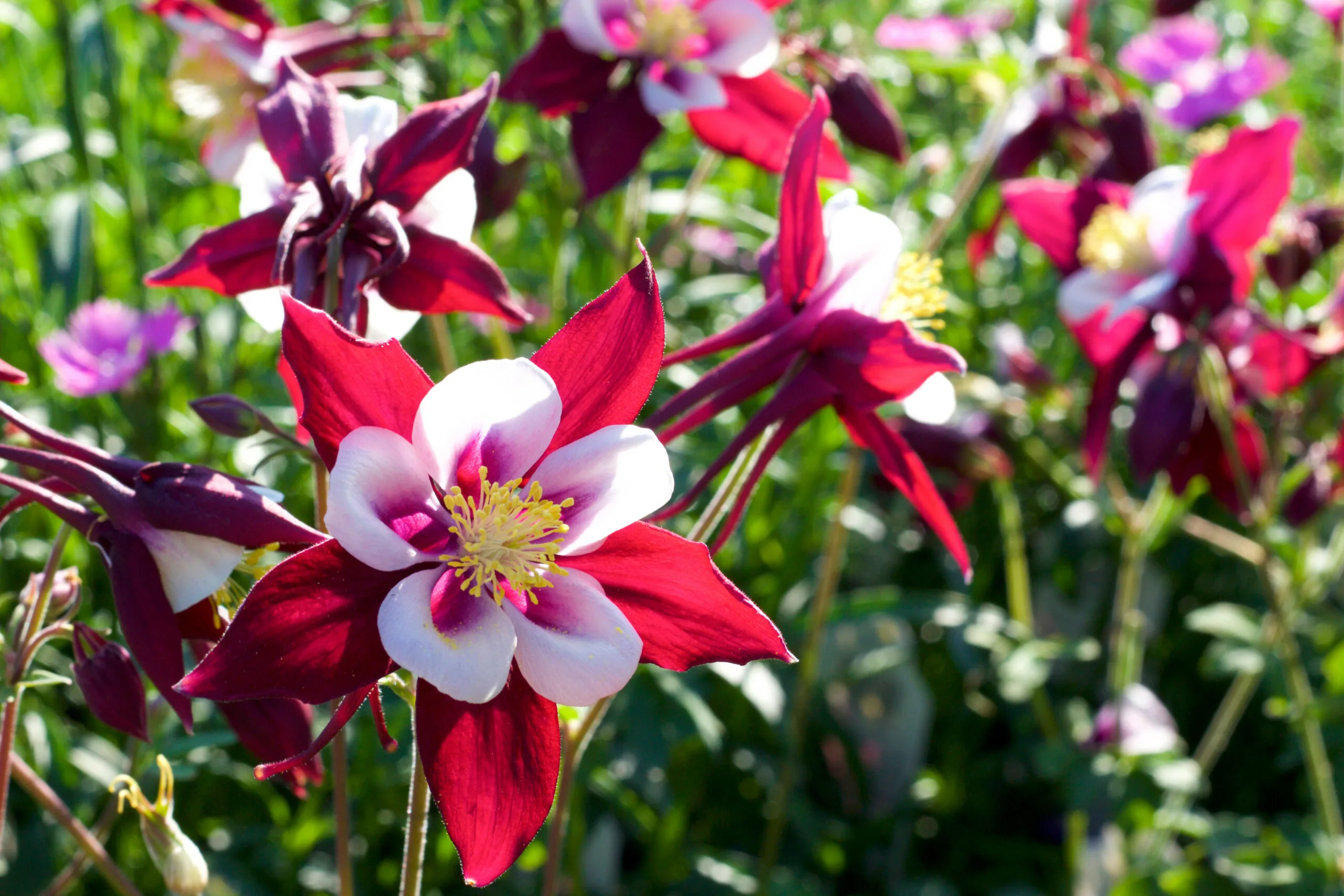
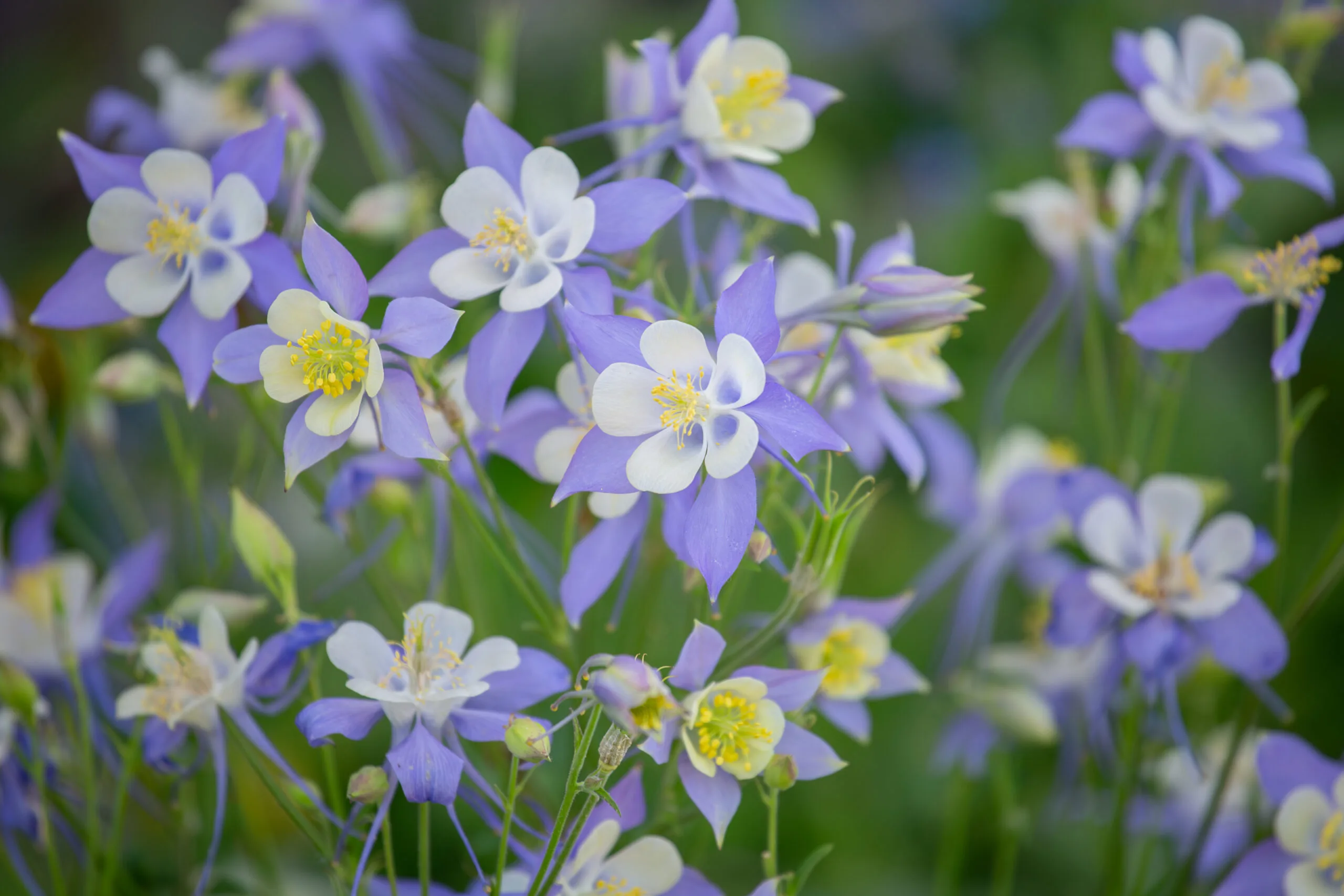
Aquilegia, also called columbine or granny’s bonnet, is a perennial in the buttercup family (Ranunculaceae) and is native to the Northern Hemisphere. It produces distinctive flowers with five colourful sepals and five nectar-bearing petals.
You’ll find them in pink, red, blue, white, yellow, and sometimes even two colours at once. In Australia, flowering times vary by variety. Some blooms last a short time, while others flower from late spring into summer.
Climate
Aquilegias do best in cool, temperate, arid, or semi-arid climates. Most aquilegias need a winter chill to flower well, so they’re less reliable in tropical and subtropical climates.
How to plant aquilegias
These plants like part shade and moist, well-drained soil that is rich in organic matter.
Before planting, mix in some well-rotted manure or compost. Give each plant about 30 to 40 cm of space. You can pop potted aquilegias in the ground any time of year. Bare-rooted ones are best planted in winter, and if you’re starting from seed, the best time to sow depends on your climate. Think autumn or early spring in cool areas, and late summer to autumn in temperate areas.
How to care for aquilegias
Once they’re settled in, aquilegias can cope with a bit of dry weather. However, young plants will need the soil kept moist.
After they finish flowering, snip off the dead blooms to help encourage more flowers.
Pests
Watch for snails and slugs, the main pests that target aquilegias. Aphids and thrips might show up too, but snails and slugs are usually the biggest problem.
Aquilegia varieties for Australian gardens
If you’re gardening somewhere warm, try the Swan series. They flower well even in mild winters and grow to about 50-60 cm tall. In cooler spots, the Oriental columbine (Aquilegia oxysepala) has yellow and deep red flowers and grows 40 to 60 cm. For taller cut flowers, McKana Giants can reach up to 80 cm.

Aquilegia FAQs
Aquilegias have toxic seeds and roots, so keep kids and pets away. If someone does eat part of the plant, call the Poisons Information Centre on 13 11 26 or see a vet.
Aquilegias like to self-seed, so you might find them popping up all over the garden. They’ve even naturalised in some parts of Victoria. If you’re near bushland, cut off the flower stems before the seed pods form.
If you’re buying potted plants, you can plant them year-round.