
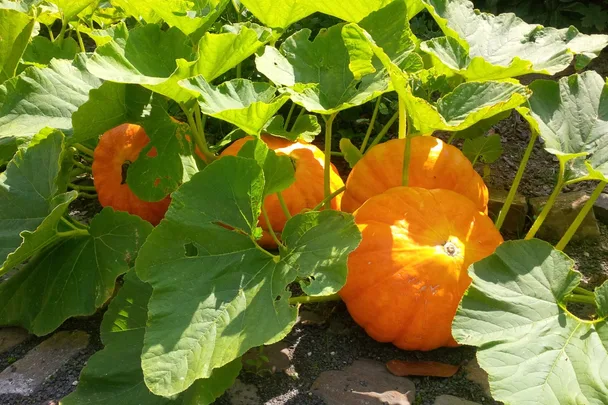
Pumpkins are incredibly satisfying to grow. Maybe it’s because the rewards of your labour are so big, literally! Or perhaps it’s because pumpkins store so well, allowing you to savour their goodness long after harvest. Pumpkins can take up a lot of room in your garden, but they earn that space by being such useful plants: from their sprawling vines that shade the soil and suppress weeds to their edible flowers, nutritious seeds and comforting orange flesh, which is perfect for hearty dishes that warm you from the inside out.
There’s also something very rewarding about watching a tiny pumpkin seed develop into a vine bursting with plump, delicious fruit that seems to swell bigger with each day.
Best pumpkin varieties to grow in Australia
- Kent: If you’re after something guaranteed to be tasty and familiar, ‘Kent’ pumpkins are reliable and versatile in the kitchen, producing big pumpkins (5–10 kg) with smooth apricot-orange skin on a sprawling plant. The flesh is dense and sweet and ideal for roasting, soups and mashing. Just be sure to give plants plenty of room to grow.
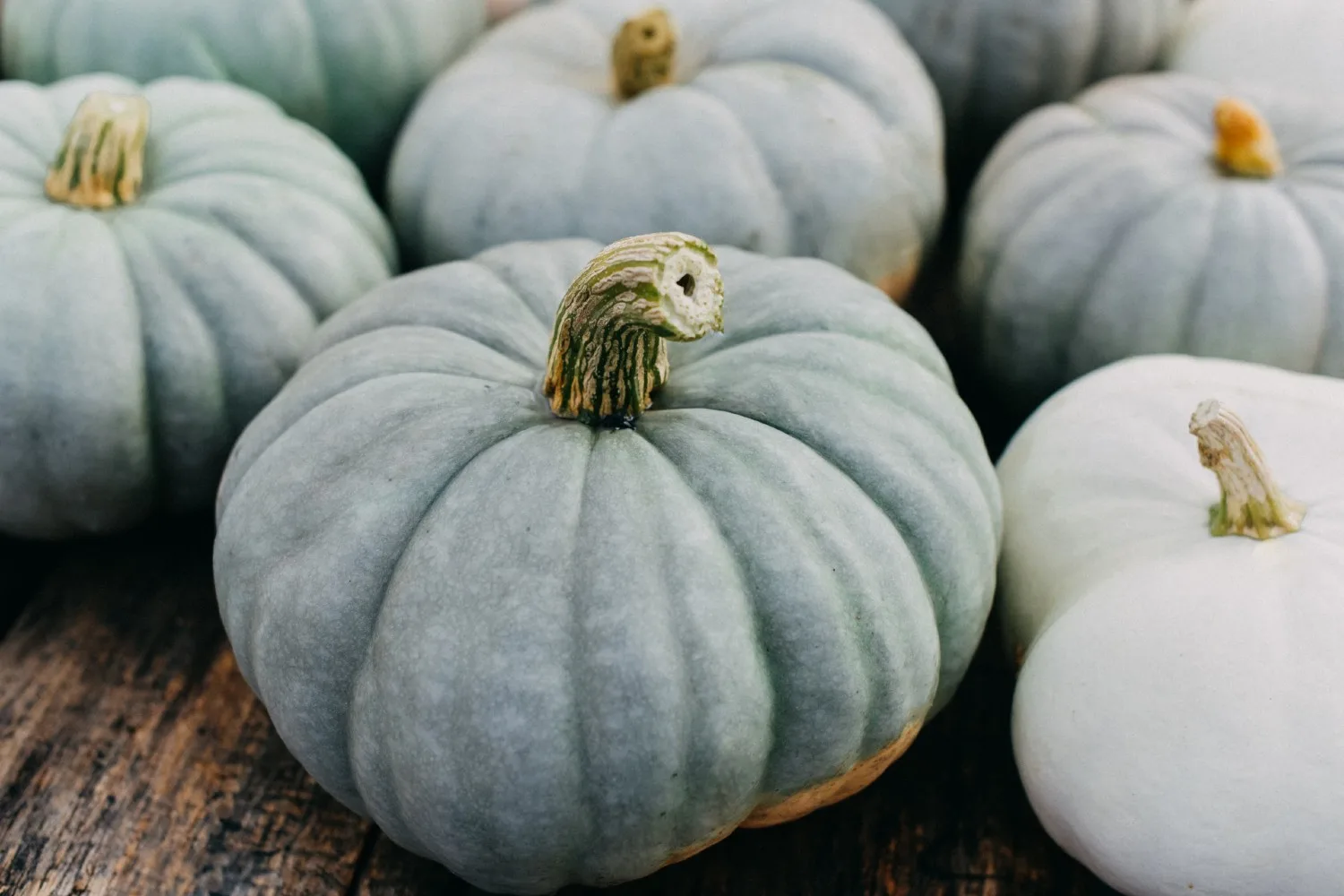
- Jarrahdale: This is another favourite with large fruit on a vigorous vining plant. Under the blue-grey skin is dense orange flesh with a sweet, nutty flavour.
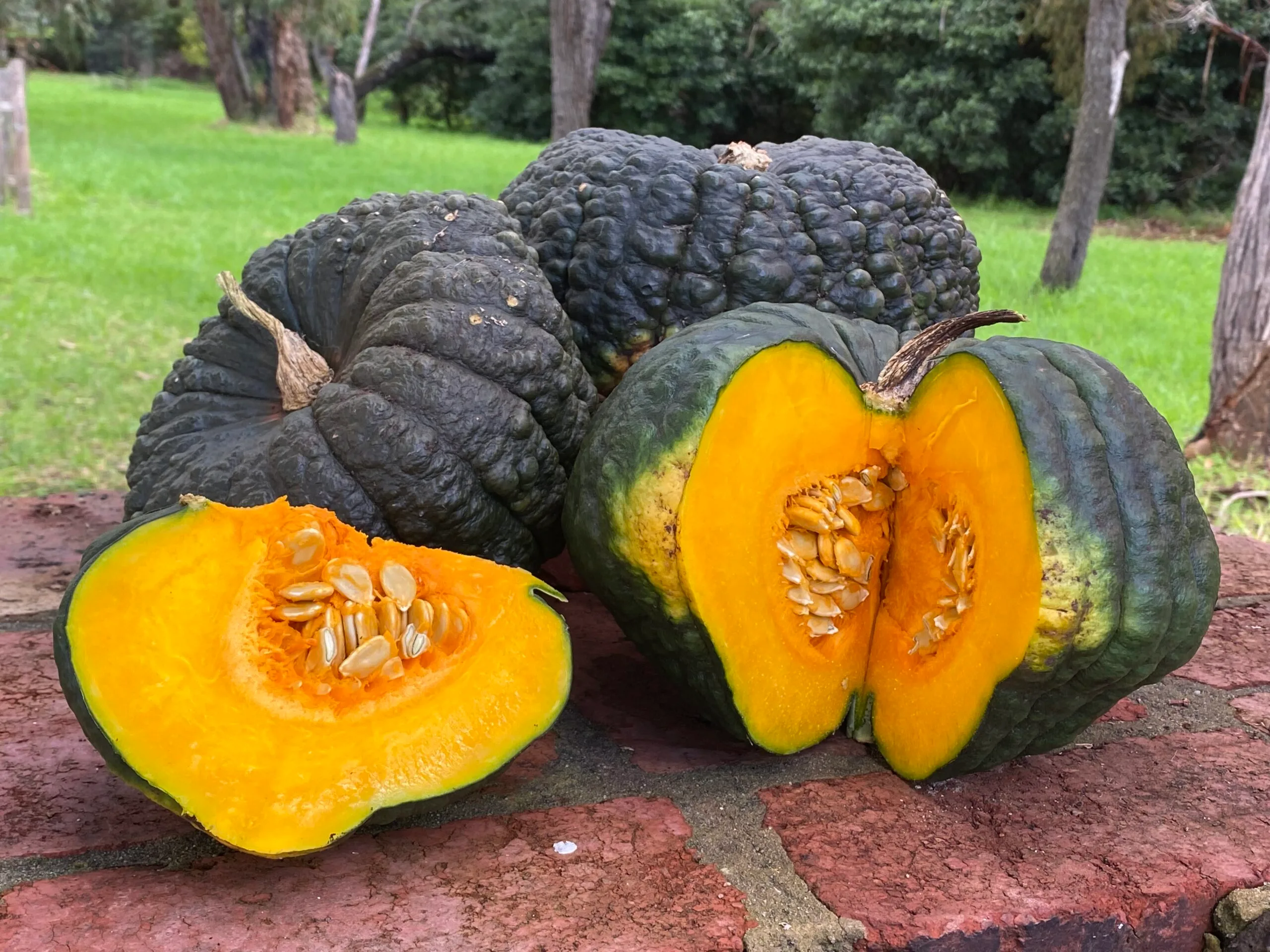
- Ironbark: An excellent Aussie variety, prized both in the garden and on the plate for its thick, dark ironbark-looking skin and flavourful deep orange flesh. Its tough skin also makes it the ideal candidate for long-term storage.
- Queensland Blue: You’ll also love the all-time favourite ‘Queensland Blue’, with its unmistakable blue-grey skin and deliciously sweet orange flesh. This variety can be stored for up to six months, giving you a long season of hearty pumpkin dishes.
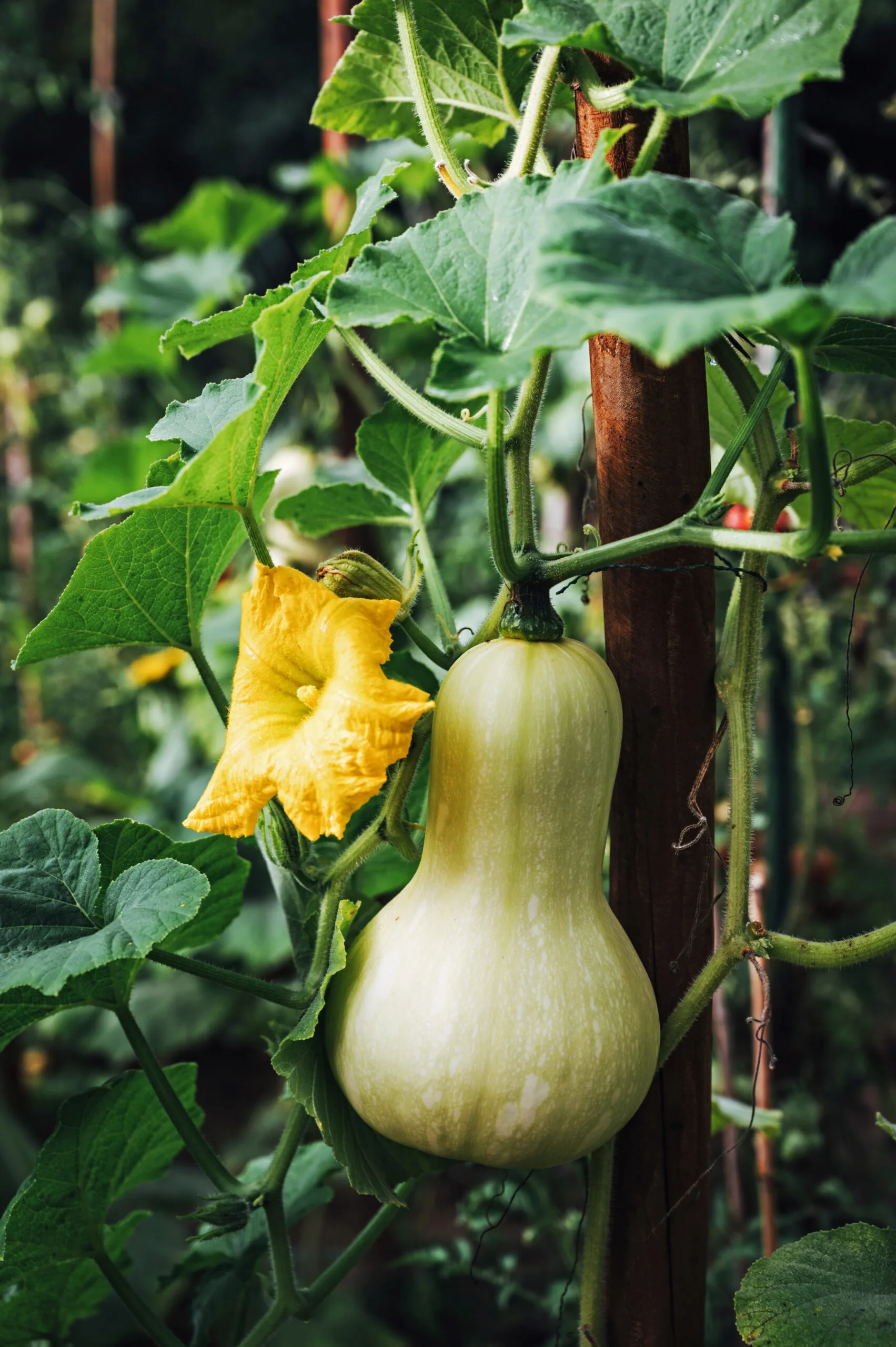
- Butternut: Although technically a type of squash, is for all intents and purposes a great pumpkin to grow and eat. I love it for its bowling pin shape and tasty orange flesh that’s delicious baked or turned into a hearty soup. The plant itself is also relatively compact and doesn’t sprawl wildly like the larger vining varieties, so it can be grown up a trellis to save space.
When to plant pumpkin seeds
Pumpkin seeds are big, so they can be sown directly in the soil or grown from seedlings. They like to be planted in full sun with rich, well-drained soil, so add compost and aged manure to the soil before planting. If drainage is poor, try growing them on mounds or in raised beds. Pumpkins grow on vigorous, sprawling vines, so give them plenty of room to spread their wings. If you’re short on space, they can be trained vertically up a sturdy fence, wires or trellis, or you can opt for more compact bush varieties.
Seeds from storebought pumpkins or pepitas
Most of the pumpkin seeds you buy are pepitas that don’t have the outer husk. These are mostly imported, so aren’t viable. You can dry out the seeds from a supermarket pumpkin to roast and eat, but planting some of them for more seeds can be fraught. Most supermarket pumpkins are hybrids, so the outcome is unpredictable.
To save the seeds for sowing, cut up the pumpkin for dinner then put the seeds and the pulp in a large bowl of warm water and rub to separate the seeds. They’ll float and the pulp will sink. Put the seeds in a strainer and rinse under cold water to remove any remaining pulp, then dry on paper towels.
In cooler areas of Australia, pumpkins are usually planted from late spring to early summer for a late summer-autumn harvest. In warmer regions, they can be planted almost year-round – just avoid the peak wet season in tropical areas to reduce the risk of rot and disease. Here are the best times to plant by zone:
Zone 1: October to December
Zone 2: September to December
Zone 3: August to February
Zone 4: February to September
How to plant pumpkin seeds
Pumpkins are quickly grown from seed: here’s how.
- Plant 2-3 cm deep in compost-rich, well-draining soil
- Water the well until they germinate
If you are growing your pumpkins at ground level, make sure you mulch well around the area to avoid your pumpkin rotting.
How to care for pumpkins
Try to keep the soil consistently moist, especially when plants are flowering and fruiting. I also use a straw mulch to help conserve moisture, help suppress weeds and protect the fruit. Pumpkins are heavy feeders so give them a balanced food at planting time and again when the vines start to sprawl and form fruit. Pumpkins produce separate male and female flowers, so rely on bees and other pollinators for fruit set. I like to grow bee-friendly plants such as sunflowers, borage and catmint nearby to encourage a healthy crop.
- Aspect: Pumpkins require full sun with lots of room to grow.
- Climate: It’s best to plant pumpkins when the temperature is consistently above 18 degrees.
- Soil: Pumpkins like free-draining, slightly fertile soil. Add compost to the soil before planting.
- Water: Keep soil consistently moist.
- Fertiliser: Apply liquid seaweed fertiliser once a fortnight.
Common problems when growing pumpkin
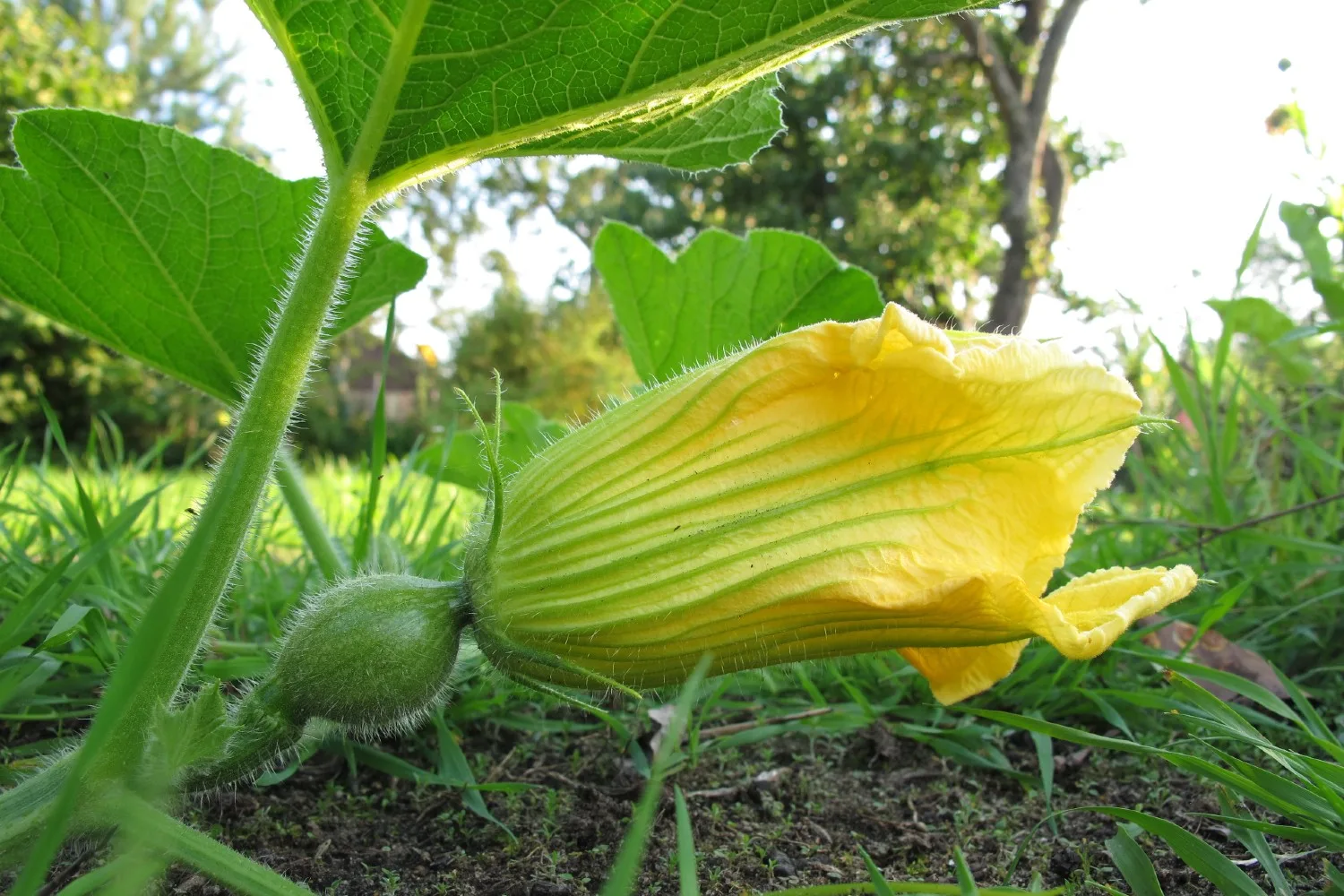
If there aren’t many insects in your garden, pumpkins can have issues with pollination, so you might have to hand-pollinate. Hand pollination involves getting a little brush and taking some of the pollen from the male flower and putting it on the female flower.


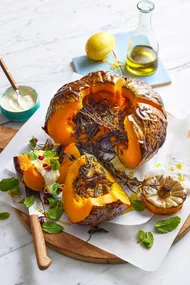
The female flower will be located closer to the main stem and have a little pumpkin between the flower and the stem. Male flowers are more significant in number, have a skinner stem and don’t have a little pumpkin.
If you knock on the pumpkin and it sounds hollow, then it’s ready to harvest. When cutting the pumpkin off the plant, make sure you cut about 5cm below to stem to maximise the storage time of your pumpkin.
It’s best not to wash the pumpkins; just wipe off any soil. Place them in a warm, dry, well-ventilated spot for 1–2 weeks to cure. This toughens the skin and improves a pumpkin’s shelf life. Once cured, move the pumpkins to a cool, dry spot with good airflow, away from direct sunlight – a garage, shed or pantry is ideal. Keep them off the floor on a shelf or crate and check them regularly. Remove any fruit showing soft spots or mould to protect the rest of your crop.

Related stories
Native ad body.
Native ad body.
Native ad body.