

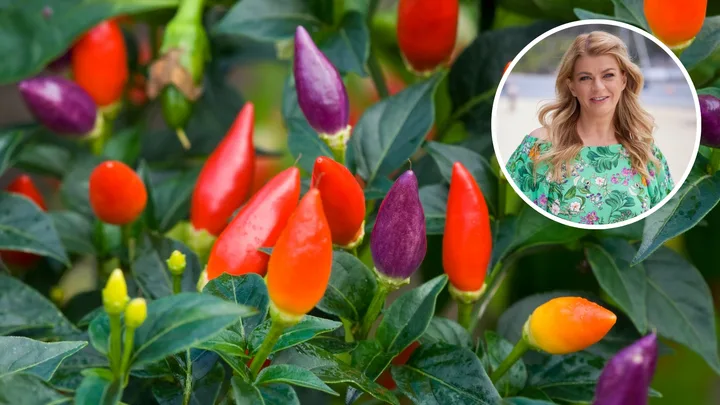
The phrase “some like it hot” has never been truer than when talking about chillies. While some people sweat and groan over a bowl of hot chilli, others glide seamlessly through the experience, not a drip of moisture in sight.
Chilli plants start producing their vibrantly coloured fruit from late spring all the way until autumn, brightening up your garden – they look wonderful in your ornamental beds – and putting a punch back in your life.
Growing conditions for chilli plants
- Name: Capsicum annum L. or Capsicum frutescens L.
- Climate: warm, tropical, temperate.
- Soil: free-draining quality garden soil.
- Position: growing them in a warm, sheltered spot will make for the best flavour.
- Feeding: controlled-release fertiliser at planting time or annually.
- Watering: While the chilli is growing and fruit is developing, keep the plant moist but never wet. If growing in a pot, be sure to water regularly and avoid putting a saucer underneath.
- When to plant: autumn planting
- Harvesting: late summer (7-8 months after planting)
Heat scale for chillies
There are measurement scales that rank chillies by their level of heat (thankfully!). The simplest scale of 1 to 10 is pretty self-explanatory, seen on most plant labels. The closer you get to 10, the hotter the chilli is. More serious chilli heads refer to the Scoville scale, a measurement of spiciness expressed in Scoville heat units (SHU).
At the lower end of the scale are bullhorn chillies (peppers), which have little to no heat (0–500 SHU) and long, tapered fruit that resembles a bull’s horn. Somewhere in the middle are the cayenne chillies, which are long, thin and hot, weighing in at 30,000–50,000 SHU. Holding top position (at least for now) is the Carolina Reaper, which will have you blowing steam out of your ears, boasting a whopping 1,400,000–2,200,000 SHU.
Why do we like spicy foods?
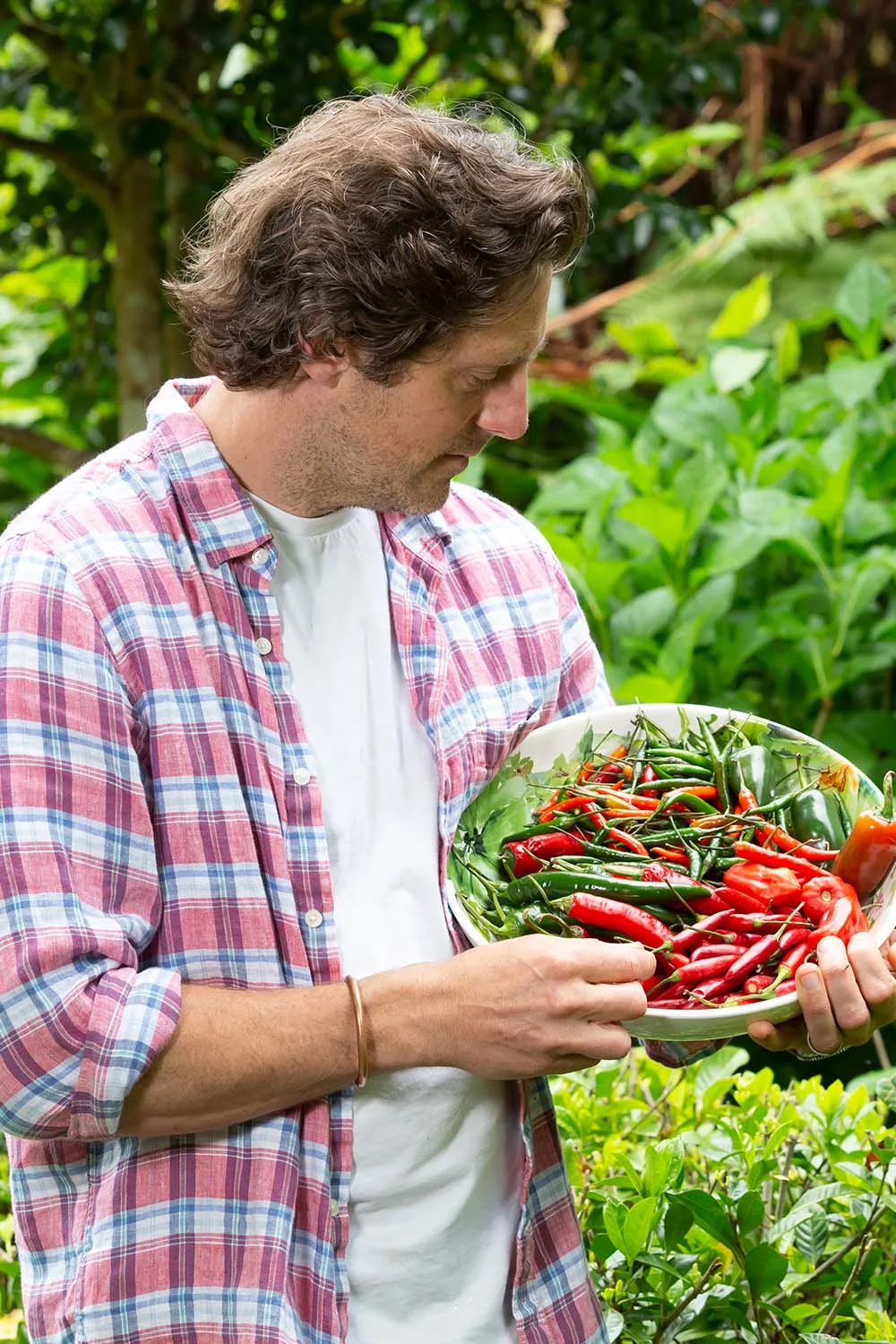
“Eating chillies triggers a rush of endorphins! That burning sensation on the tongue, caused by the capsaicin in chillies, sends a signal to the brain that in some people can prompt the release of feel-good hormones such as endorphins and dopamine. For them, the more chillies they eat, the greater the euphoria – if they can push through the pain threshold first.
A good friend of mine spent a year working in Bangladesh and came back with the secret to making a most delicious dhal. We were in a share house at the time, and on the nights he cooked we were treated to a spicy feast so hot that it could knock your socks off. We’d all sit around the table, mouths practically on fire, but unable to resist eating more. ” – Melissa King
Melissa King’s favourite chilli varieties
Chillies come in all shapes, sizes and spice levels, and are super easy to grow at home. Here are a few of my favourites below.
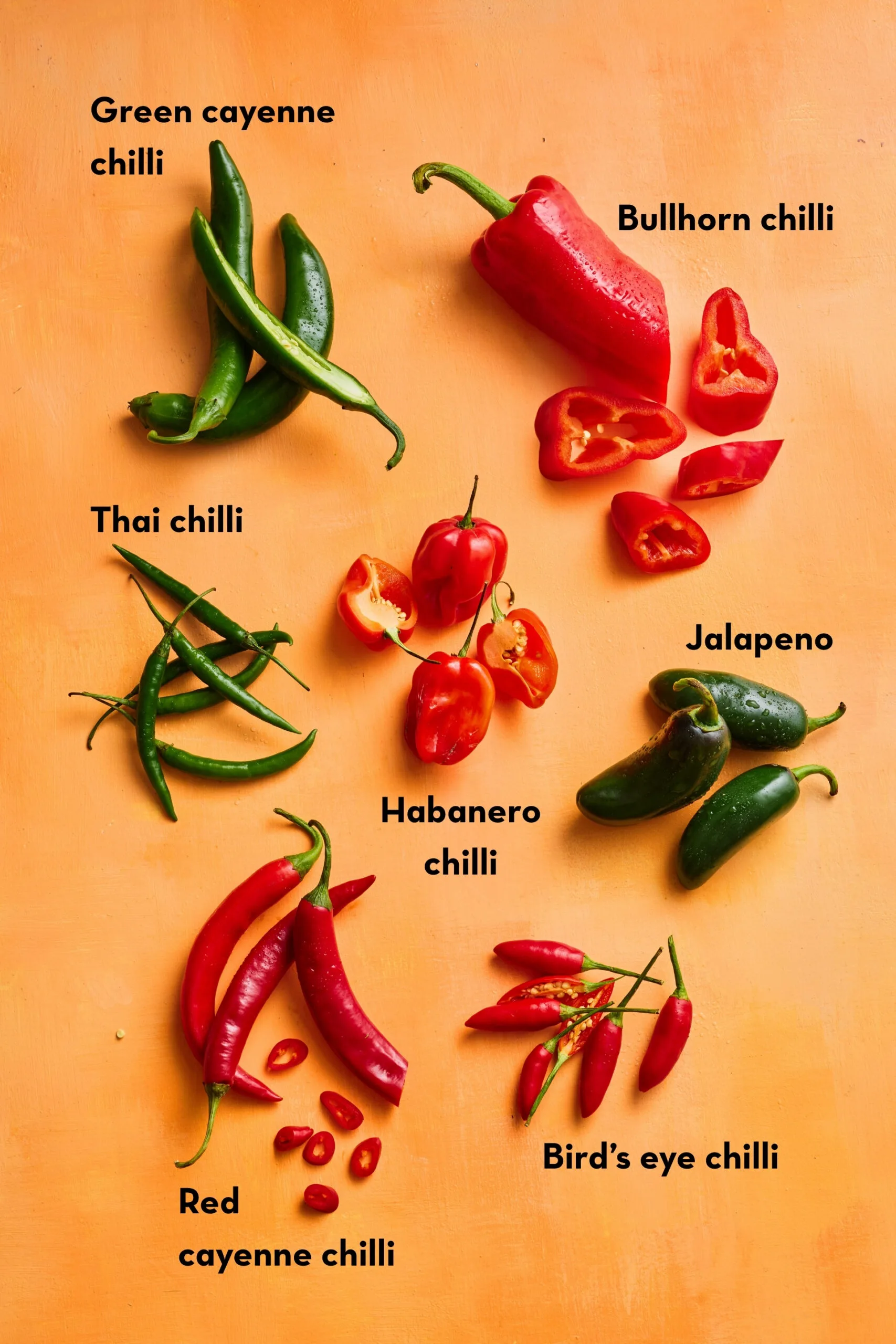
- Green cayenne chilli: Often referred to as long green chillies, these are frequently used in stir-fries or raw in salsas.
- Bullhorn chilli: Similar to a capsicum with its sweet mildness, these are often stuffed and roasted.
- Thai chilli: They come in a range of colours and have a very hot chilli flavour.
- Habanero chilli: Fiery and hot, these are great in curries. Don’t be tempted to add too much!
- Jalapeno: Commonly used in Mexican dishes, particularly in guacamole.
- Red cayenne chilli: Slightly sweeter than green cayenne chillies, these are versatile all-rounders. You can remove the seeds for a less intense heat, but wear gloves while doing it.
- Bird’s eye chilli: Intensely flavoured and hot, these are often used in Indian and Asian cuisine.
Types of chilli plants
- Capsicum annuum: The most well-known chilli and peppers are actually strains of capsicum. Some of these include jalapenos, bell peppers and chilli peppers.
- Capsicum chinense: These are one of the hotter species of chilli and are used to add more heat to a dish, particularly stews and sauces.
- Capsicum frutescens: This type is closely related to both Capsicum annuum and Capsicum chinense but grows a bit smaller. The most well-known are Tabasco and Thai peppers.
- Capsicum baccatum: This unique type of chilli is notable for having citrus and fruity flavours and has only become popular in South American countries such as Peru and Brazil.
- Capsicum pubescens: We’ve been eating this kind of purple pepper for so long that no one knows what plant it comes from!
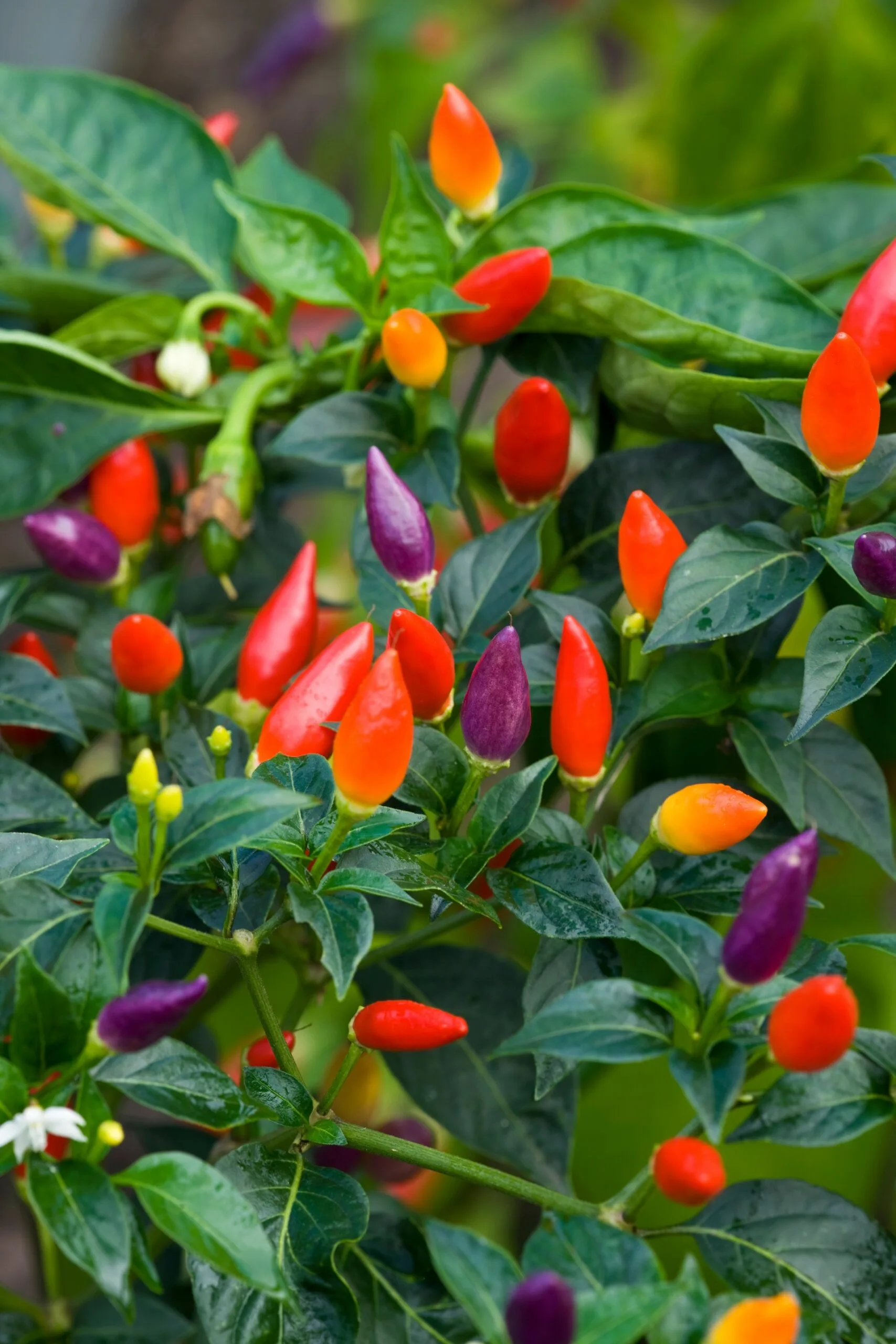
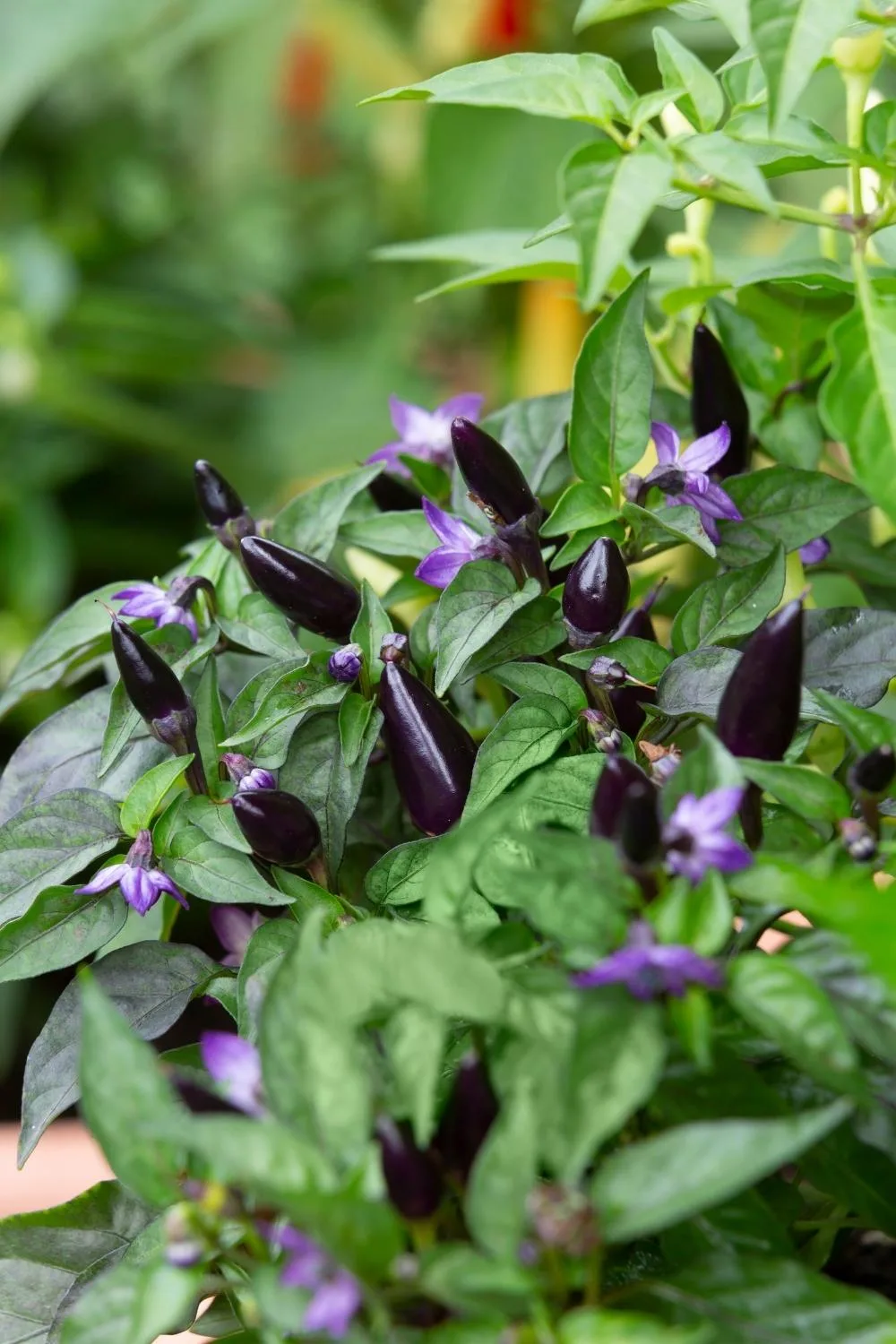
- Rumba chilli: Rumble with this Rumba chilli, which is small but has a big impact. From the pretty purple flowers emerge passionate purple fruit that turns a fiery red, on your plant and on your tongue. It’s hot!
Where to plant chillies
Chillies like a tropical, warm temperate. If you want to get the most out of your chillies, you’ll find that growing them in a warm, sheltered spot will make for the best flavour. They love full sun but in a hot climate, too much sun can dry them out. While chilli can tolerate a little bit of shade, make sure you keep them out of the wind as its branches are brittle and leaves can be easily torn.
How to prune a chilli plant
At the start of the growing season – or especially if it’s in a shady spot – lightly tip prune new growth. After the last fruit has been picked and the plant is dropping leaves, you can prune it back quite a lot and trim any spindly branches.

How to grow chillies from seed with Charlie Albone
Step 1
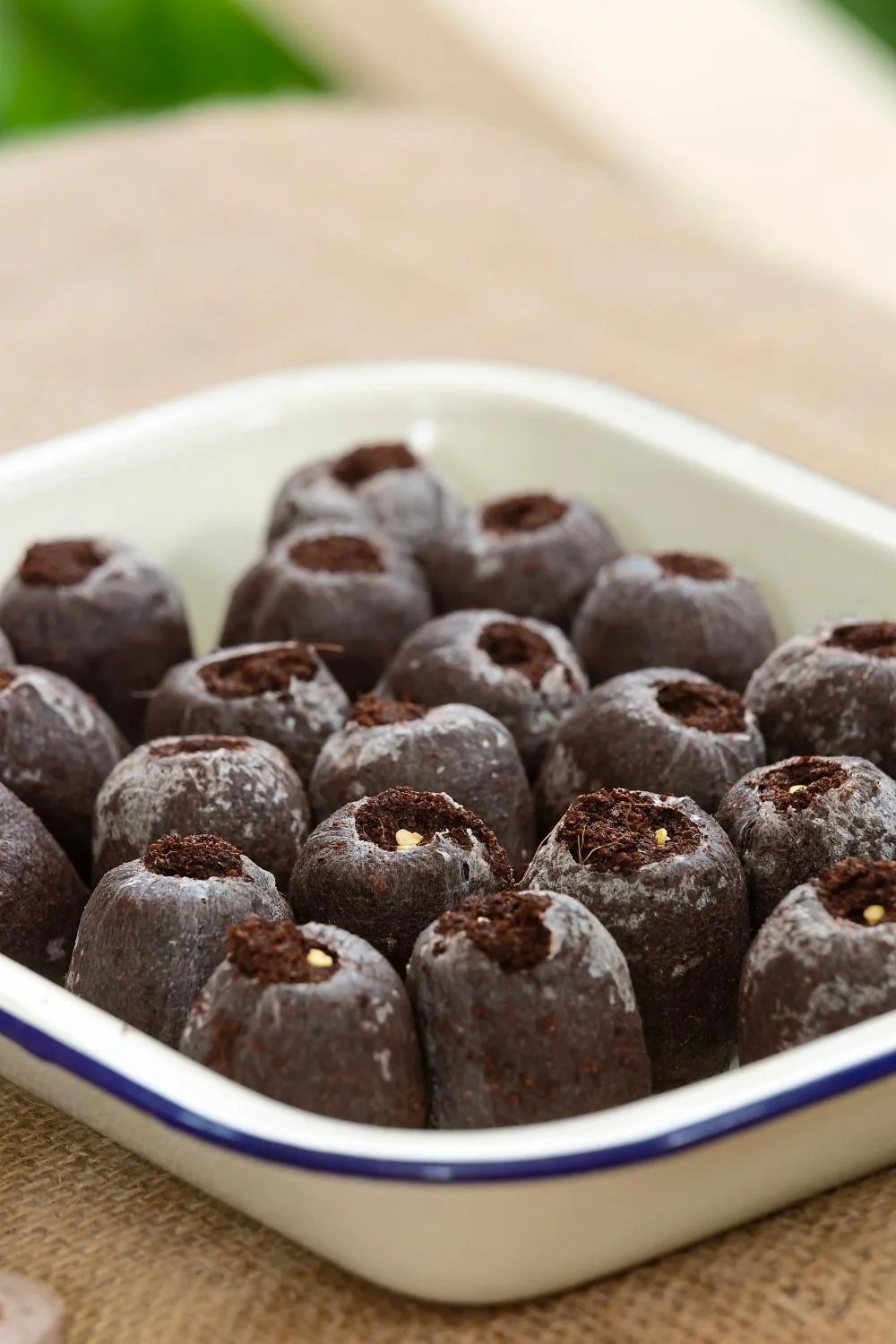
Soak your seeds for about 24 hours before planting. Chilli seedlings can suffer transplant shock, so consider sowing seeds in a peat pellet you can put directly in your garden or a container after seedlings emerge.
Step 2
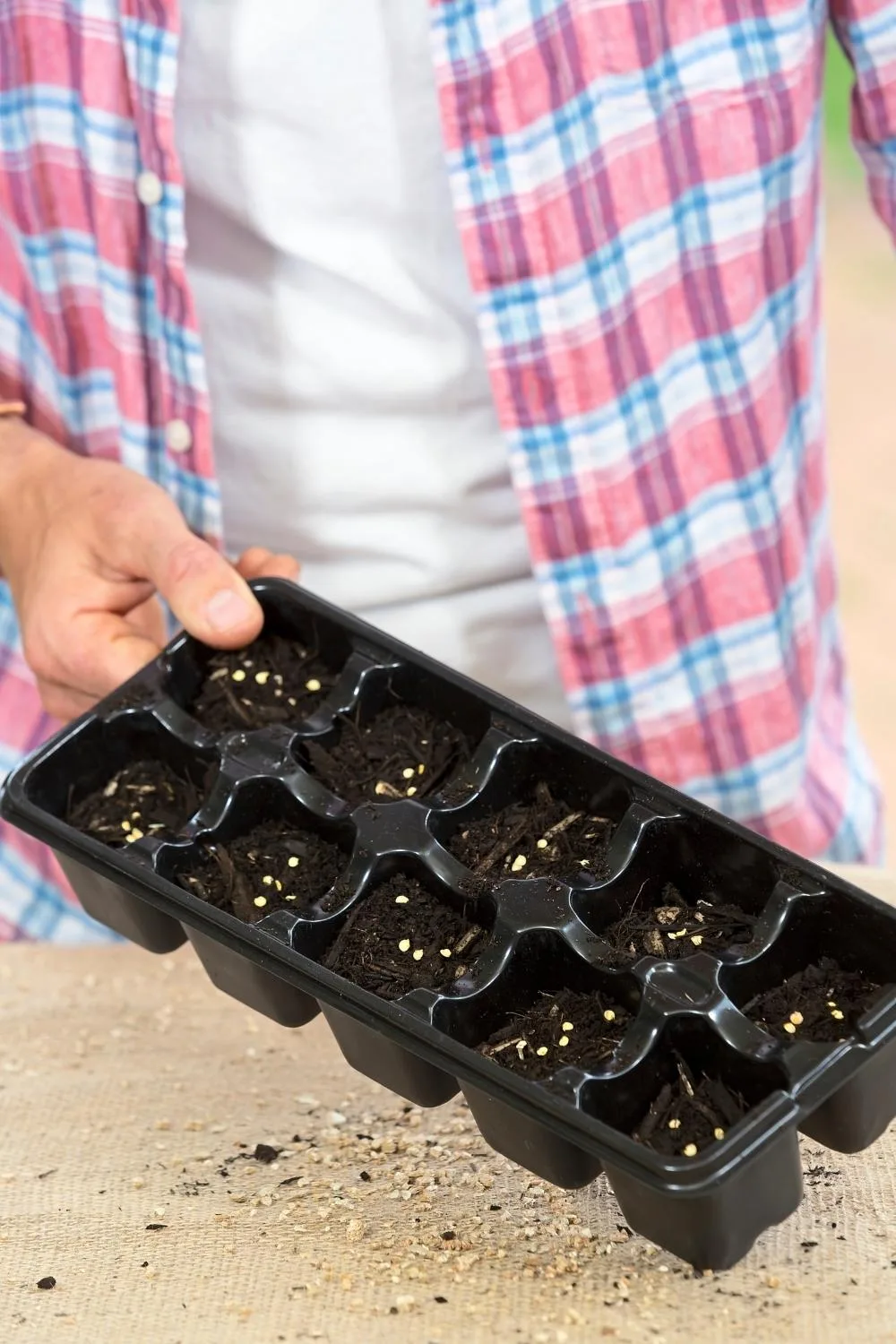
The peat pellets come compressed and need to be soaked in water so they expand. The seed-raising mix is already inside. Or, fill a seed-raising tray three-quarters full with seed-raising mix, sow seeds and cover with vermiculite to aid water and nutrient retention.
Charlie Albone‘s tip for growing chillies
“You can sow seeds in summer, especially in tropical and subtropical areas, but the optimal time is in early spring after frosts have passed. Flowers start to appear in late spring and the fruit appears over summer until mid-autumn.”
Step 3
Put several seeds in the same cell to boost the chances of germination. In both cases, keep growing medium warm and moist.
Step 4
When they are about 15-20cm tall, transfer to a container or garden bed with well-drained soil in a sunny position. Feed with seaweed solution to help the roots develop. Stake plants now, rather than when they are taller, so you don’t damage roots. Mulch with sugar cane or pea straw to help retain moisture.
Tips for growing chillies from seed
- Keep soil moist, but don’t overwater or the fruit will develop crack scars as the skin struggles to keep up with growth.
- Don’t overfertilise as this encourages foliage growth at the expense of fruit. Nitrogen also reduces capsaicin (heat) levels.
- Harvest when the colours peak and they have the richest flavour.
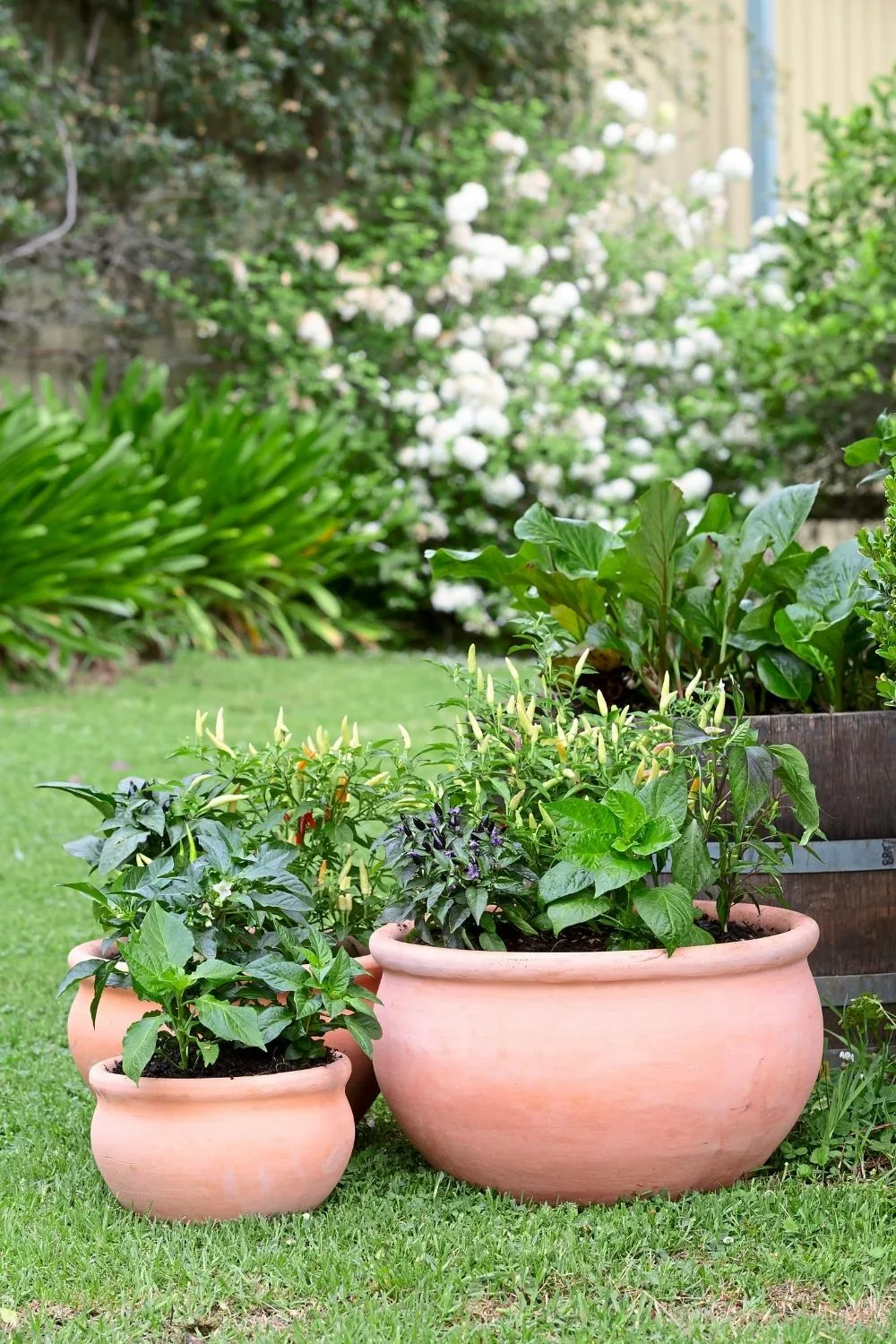
Most chillies are compact growing, reaching about 20-60cm tall, depending on the variety, so they are perfect for pots and small spaces. If you are growing them in containers, be sure to use a good quality potting mix and liquid feed with a flower and fruit fertiliser every two weeks for loads of fiery fruit.
Pests that affect chilli plants
Chilli is susceptible to several pests, but they are all easily treatable.
- Snails leave holes and chew marks along leaf edges, so use a pet-friendly bail or homemade beer trap to keep them at bay.
- Aphids can attack new growth, but all you need is a commercial spray or a homemade soapy garlic spray to get rid of them.
- Fruit flies and white flies are attracted to ripening fruit, so keep them away with sticky traps or neem oil.
- Blossom end rot can be avoided by regularly and evenly watering the roots and applying dolomite lime.


