

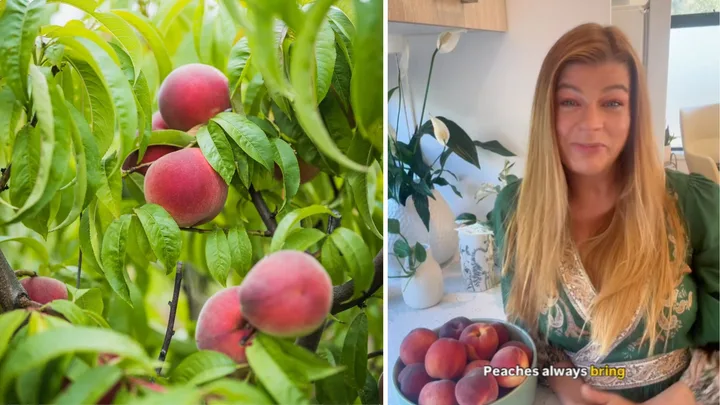
Growing up, my uncle was an orchardist and boxes of fresh, juicy, tree-ripened peaches are one of my favourite memories of family gatherings. I remember sitting cross-legged on the grass with my cousins, eating fruit so sweet and heavy with juice that it dribbled down our chins. We knew the peaches were extra good when we had to double over to stop the delicious juice running down our arms. Even today, the aroma of peaches brings back those great summer memories.
You haven’t truly tasted a peach until you’ve picked and eaten one straight from your own backyard tree. My guide on how to grow peaches at home will take you through the varieties to consider, how much space you need, and the simple care tips and maintenance that a peach tree needs to produce sweet, juicy fruit.
Meet the expert
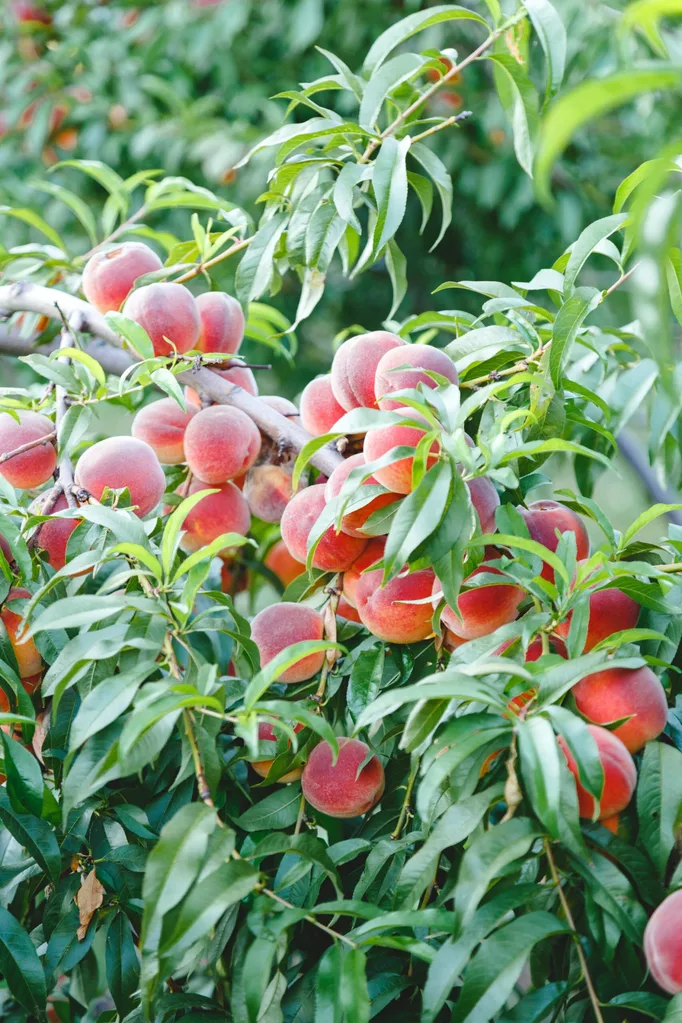
Melissa King is a horticulturalist with years of experience growing and tending to plants. She has been a host on the Better Homes and Gardens TV show for more than 5 years, and loves exploring unique gardens and learning about interesting plant species.
How to grow peaches
You can grow peaches from a pit, but the tree is likely to be different from its parent, and it can take several years before you’ll see any fruit. For reliable results, it’s best to buy named varieties in pots from your garden centre or look out for bare-rooted trees in the winter.
Climate: Peach trees perform best in cool temperate zones of Australia, with cool winters, but there are low-chill varieties that are more suited to warmer areas, such as ‘Flordagold’, whose fruit is delicious stewed or straight off the tree, or ‘Tropic Beauty’ with tasty red-blushed, yellow-fleshed fruit.
Position: If you want ripe, sun-kissed fruit, then grow your peach tree in a sunny spot with well-drained soil.
When to harvest: Different peach varieties take turns to shine, from early summer through to autumn, so if you’re a peach lover, choose a mix to ensure a succession of ripe, juicy fruit.
Choosing the right peach variety
As home gardeners, we have a big advantage, because we don’t have to grow varieties that transport well or pick the peaches before their prime. The biggest decision we have to make is which camp we sit in – white-fleshed or yellow-fleshed?
When it comes to choosing the right one, the menu is impressive, from old-style varieties that have stood the test of time to modern stars.
White peach varieties
While I can appreciate a good yellow-fleshed peach, my taste buds lean more towards white-fleshed varieties.
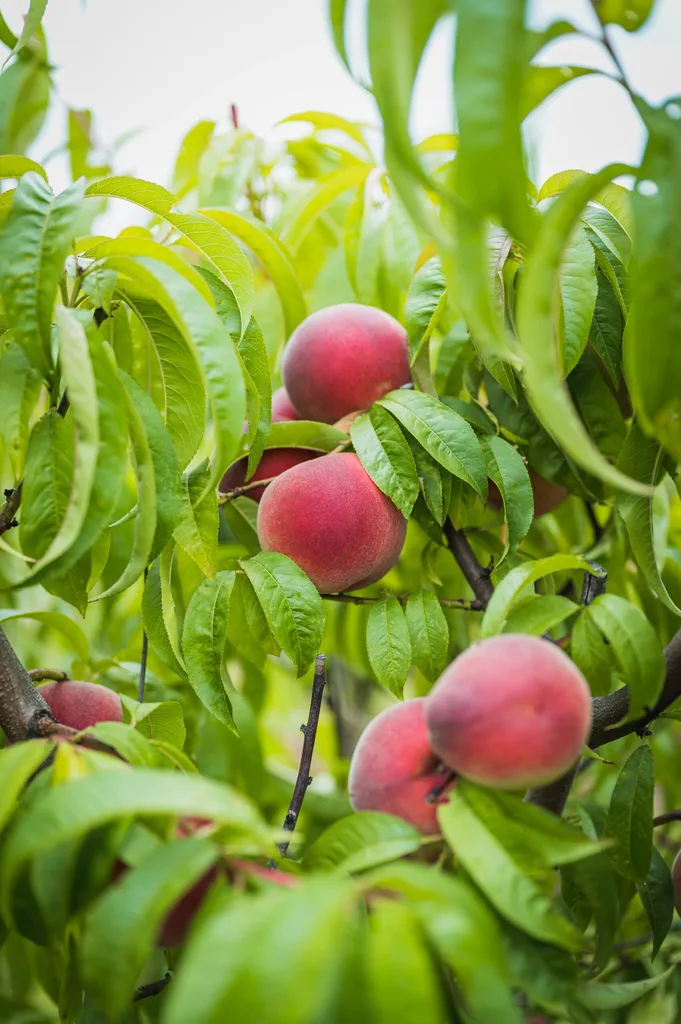
‘Anzac’: These were bred in Australia in 1915, the same year the ANZACs fought at Gallipoli. They are best eaten soft, picked from the tree, but they also make delicious juice. They produce a generous crop of fruit from late December to mid-January.
‘Tasty Zee’: Another top white-fleshed variety, this one has sun-blushed skin and sweet, melt-in-your-mouth flesh.
Yellow peach varieties
Yellow peaches can be less fragile, so they have become a favourite for preserving. I always find it wonderfully satisfying to step inside my Auntie Marg’s pantry and see rows of bottled peaches that can be enjoyed all year round.
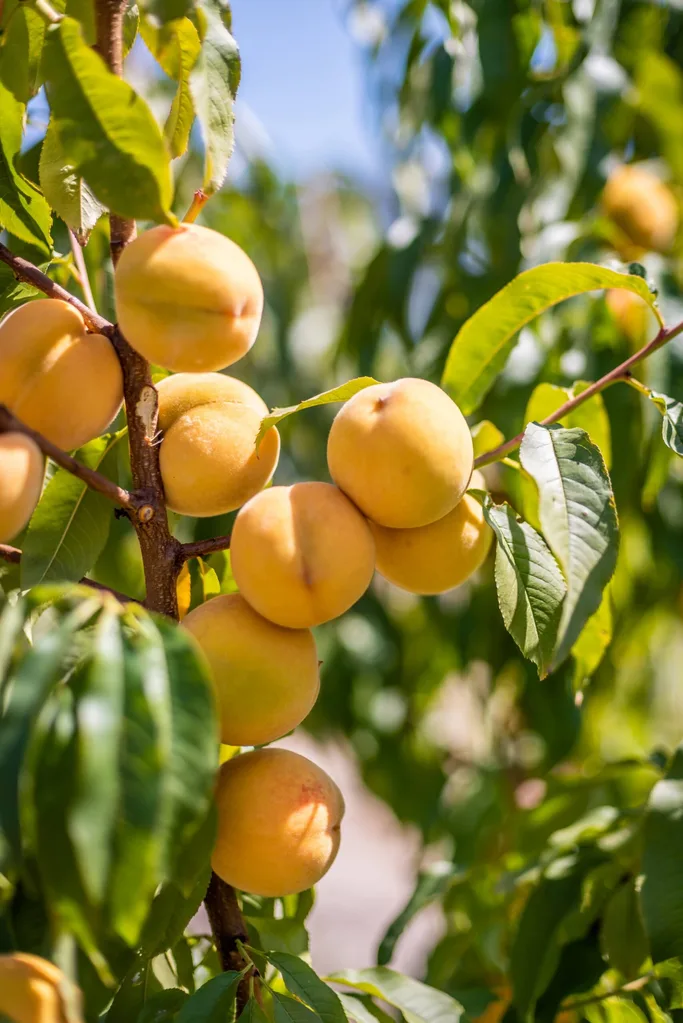
‘Elberta’: If you want big peach flavour, go for a golden-fleshed peach such as ‘Elberta’, which is also great for drying.
‘OkeeDokee’: Whimsically named, this peach is a standout for kids. It produces flat peaches, like doughnuts without the hole, that fit neatly into a school lunch box.
‘Golden Queen’: In the battle for the best bottler, ‘Golden Queen’ reigns supreme, with firm yellow flesh that holds its shape when preserved. It has a deliciously sweet flavour that will take you back to your childhood.
Clingstone or freestone peaches?
The other question on everyone’s lips is whether to grow freestone peaches or clingstone ones. You’ll know you have a freestone variety when you cut it in half and the stone separates easily from the flesh.
Clingstone peaches stick to their pits like a helicopter parent, so you have to cut or chew your way around the stone. And just to confuse you, there are semi-cling or semi-freestone varieties.
I use freestone peaches for grilling, or any dish where I want the perfect peach half. Their easy-to-remove pit also makes them perfect for devouring straight from the tree. On the other hand, clingstone peaches can be sliced into pies or salads, made into jams or eaten to the core like an apple.


Peach tree varieties for small space backyards
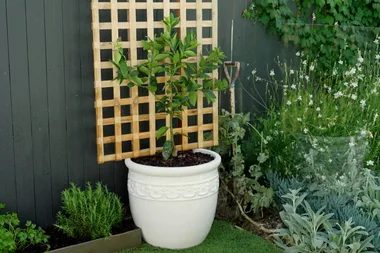
Peach trees are perfect for small gardens because they are self-pollinating, meaning you only need one tree to produce a good crop.
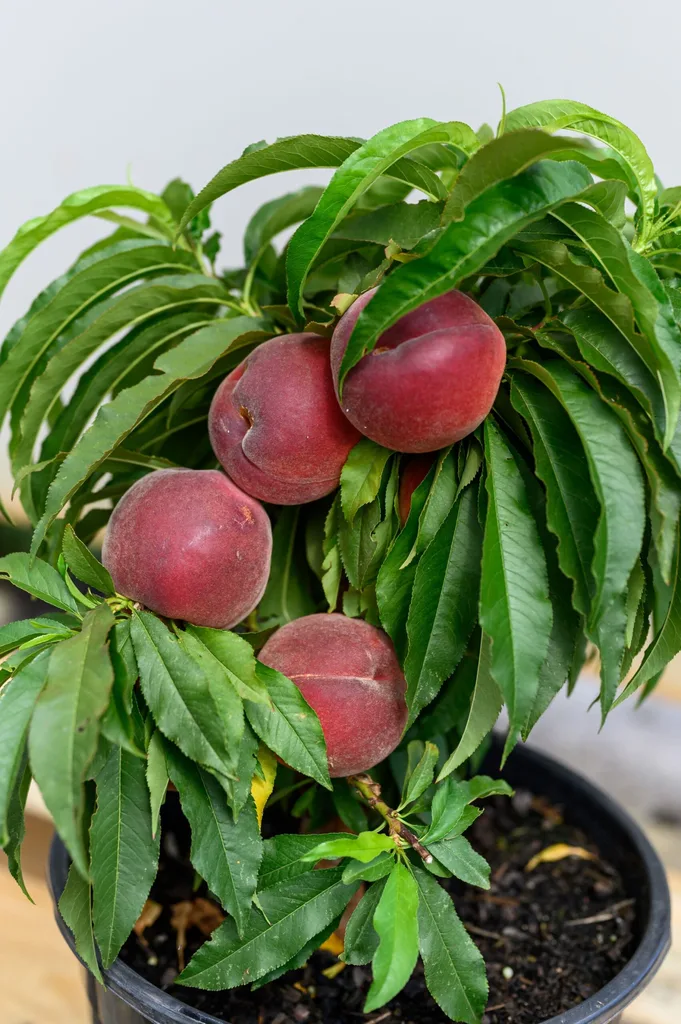
If you love the idea of growing peaches but lack space, try miniature trees such as ‘Trixzie Pixzee’, which grows to just 1.5 metres tall but produces a crop of full-sized, golden-fleshed fruit. If you have room to go up but not out, look for ‘Crimson Rocket’. It has delicious yellow-fleshed peaches on a columnar tree.
How to maintain a peach tree
- Incorporate plenty of compost and organic matter into the soil before planting your peach tree and remove weeds that compete with your tree for water and nutrients.
- To maximise your crop, protect spring blossoms from late frosts and keep the water up to your plants for plump juicy fruit.
- Another important factor in the success of peaches is feeding, so give them a boost with a flower and fruit fertiliser in autumn, spring and early summer.

