
There are few things more exciting (or rewarding) than bringing home a new furry friend, but don’t expect it to feel like smooth sailing from the get-go. Between navigating the dreaded puppy phase, making a good impression at puppy pre-school, and cleaning up those inevitable accidents, there’s a lot that’s outside of our control. One thing that we can control, however, is how well we pet-proof our home before their arrival. And, trust me, doing it right makes a world of difference.
Make the puppy phase easy:
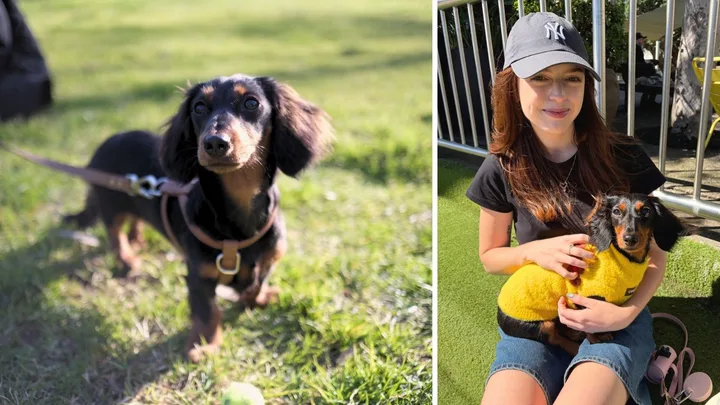
When I bought my mini dachshund, Lola, home, I thought I had everything figured out: a perfectly snug crate (which was never actually used), breed-specific kibble, plenty of pee pads, toys that looked sturdy, and a plush donut bed. Now, a year on, I wish I could go back in time and share the puppy essentials I eventually stumbled upon. Who knows, it might have saved me a few browsing sessions on the ‘Puppy Blues’ Reddit forum – and no, I’m not kidding.

1. Make toilet training easy
As dachshunds are notoriously tricky to toilet train, I knew I had to be on my A-game from day one. After placing pee pads in the most practical areas of my apartment (by the door and in the bathroom made the most sense to me), I’d walk Lola over to her ‘spot’ every hour, and wait patiently until she ‘went potty.’ Sometimes it took 30 seconds; sometimes I was waiting for up to 15 minutes. Regardless, the early effort was entirely worth it; she was the first puppy in her pre-school classes to be totally potty trained.
The issue with this approach, however, is that pee pads feel remarkably similar to upholstery under little paws, which can give your furry friend the impression that going on carpets and furniture is okay. As a helicopter dog parent, Lola rarely had the chance to do so, but she did find it very confusing when we’d encourage her to ‘go potty’ on grass; a texture that she didn’t associate with toilet training at all.
Editor’s tip: Use code PUP20 at Fresh Patch for 20% off your real grass dog toilet.
The solution, which I wish I found sooner, is a real grass dog toilet (my top recommendation is Fresh Patch). The 100% real grass roots absorb pee, preventing odours and the need to constantly replace pee pads; you can even get them delivered on a subscription basis, simply swap out the grass patch, and you’re good to go.
2. Opt for long-lasting dog toys
With so many cute little dog toys lining pet shop aisles, it’s easy to choose aesthetics over practicality. But something you won’t understand before experiencing it yourself is just how sharp your pup’s baby teeth will be. Toys, beds, blankets; nothing is immune to their relentless chewing, so if you want something that lasts, choose the sturdy toys over the pretty ones. And remember, if they run out of toys, they’ll likely turn to your furniture.
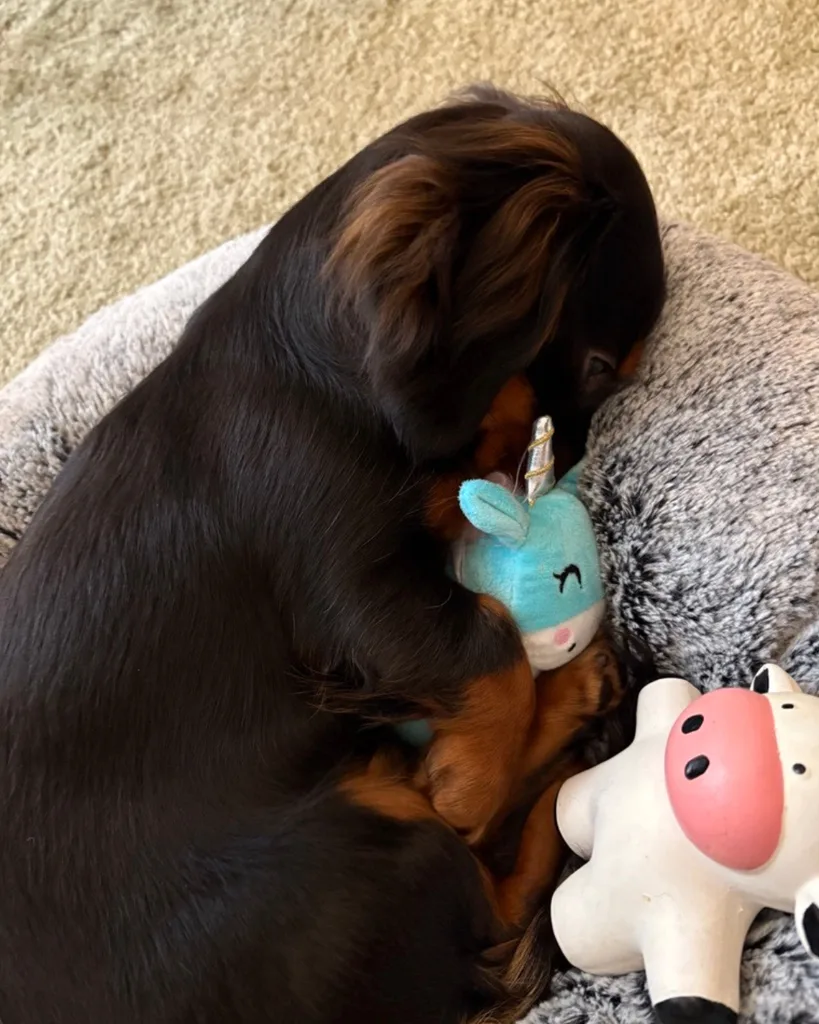
Lola went through her plush toys faster than I could replace them, but her Kong toys (a staple for any dog owner), snuffle pads, and rope pulls all stood the test of time; some are even still in use, a year and a half later. If you can find a good puzzle toy, that’s even better; making your puppy think is the best possible way to tire them out and keep them from causing mischief.
Tried & tested
Dog toys that have stood the test of time:


3. Work to prevent separation anxiety – before it becomes an issue
Certain dog breeds, like miniature dachshunds, can be prone to developing separation anxiety while they’re in the puppy phase, and if you ignore the signs, it will absolutely come back to bite you. I’m still working with Lola to heal her anxious attachment style, but had I caught it early, I would have saved myself a lot of time, effort, and stress.
Signs that your puppy might be suffering from a little separation anxiety include
- Having accidents despite being fully potty trained
- Demonstrating destructive behaviours like chewing and digging
- Crying or howling
- Being unable to settle when they’re alone
From my own experience, including many chats with trainers, I’ve picked up on three key ways to help your pup feel comfortable by themselves.
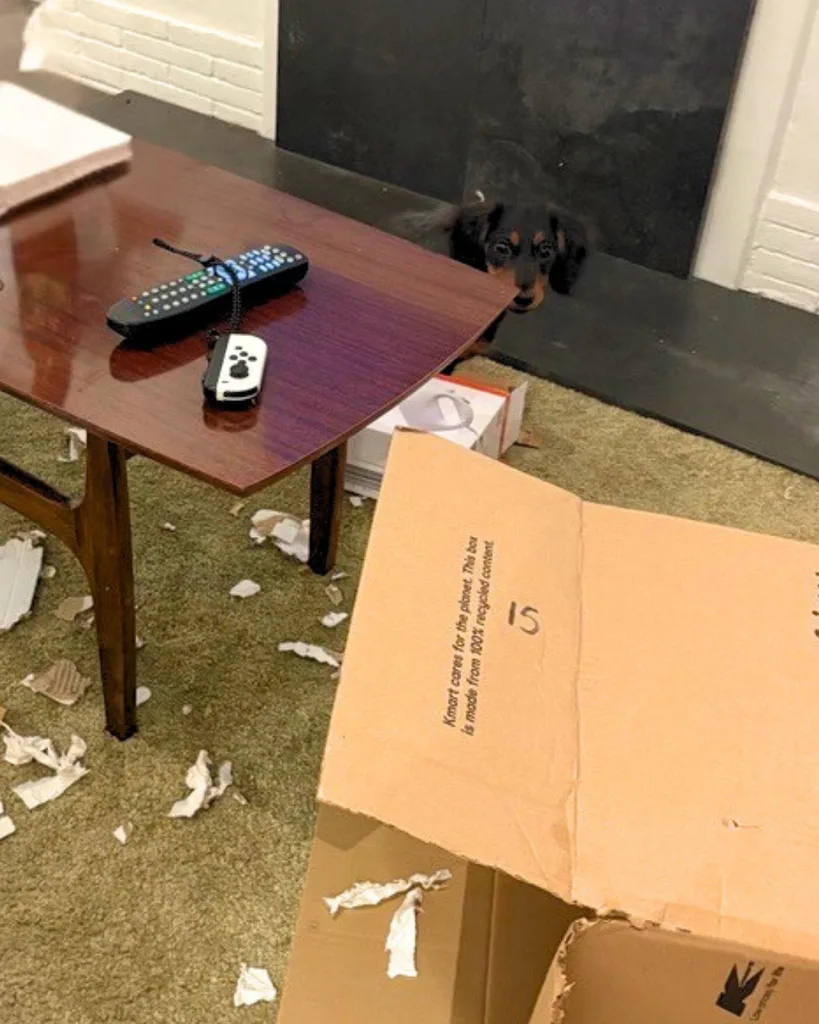
First, you have to gradually work up to leaving them alone for any extended amount of time (with Lola, I had to start with one minute and work upwards over a matter of months, but she was very anxious). Second, you have to leave them with plenty of their favourite things to keep them occupied. Peanut butter-filled Kong toys and puzzles are great for short stints, but products like The Enricher, which releases puzzles, treats, and toys at different intervals, are much better. Instead of having your pup finish off their treats in a matter of seconds, it’ll keep them occupied for the entirety of the time you’re out.
Editor’s Tip: If leaving your pup outside makes you nervous, it’s worth investing in a Life360 Pet GPS – I picked one of these up for Lola last year, and now I can see exactly where she is at all times simply by checking the app. It’s a must-buy for escape artist-pups (or just for a little extra peace of mind).
And, finally, you should try to desensitise them to potential triggers, like the act of picking up your keys or putting on your shoes. Try to repeat actions that suggest you’re about to leave the house regularly without actually leaving.
Must-haves for dogs with separation anxiety
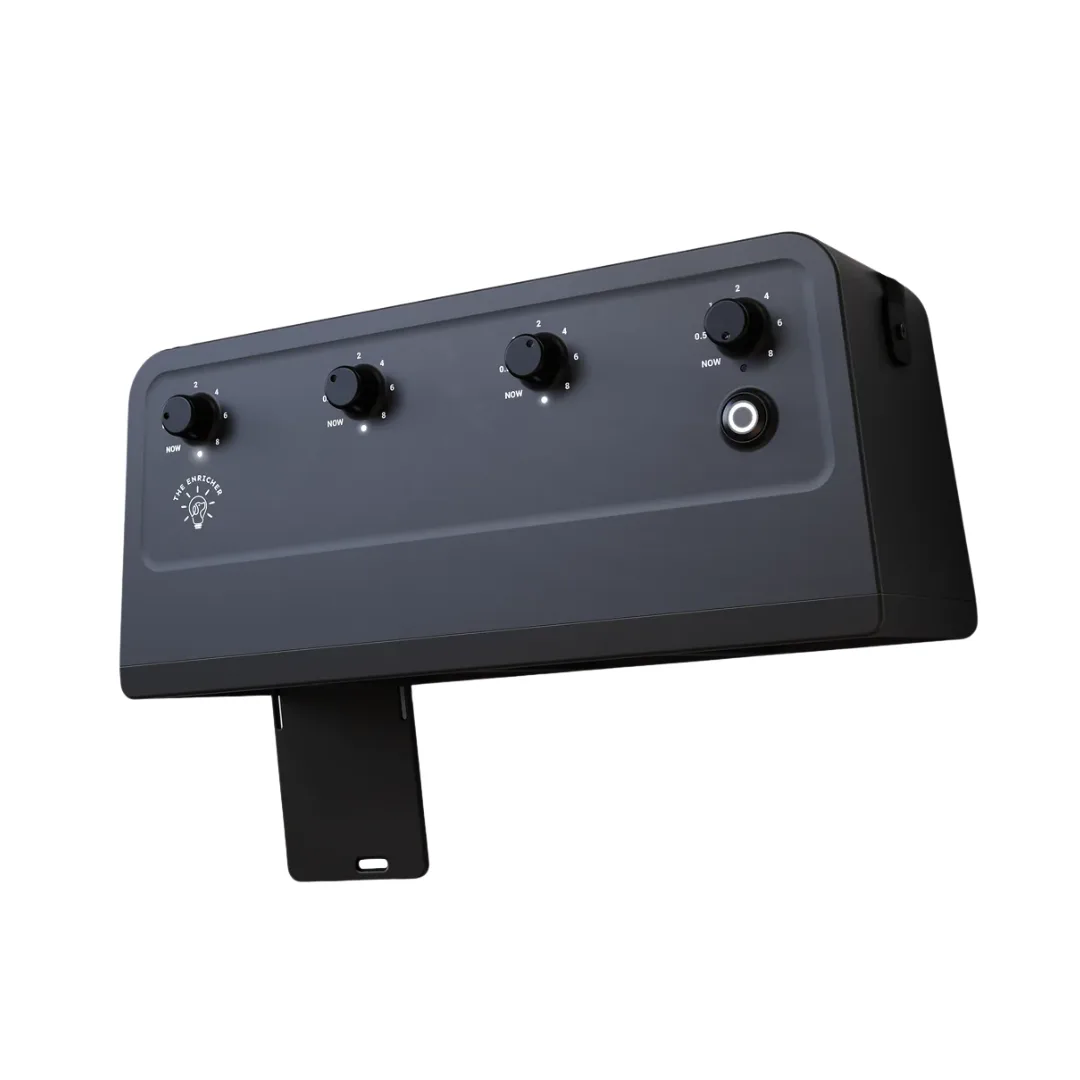
The Enricher
$379 at The Enricher
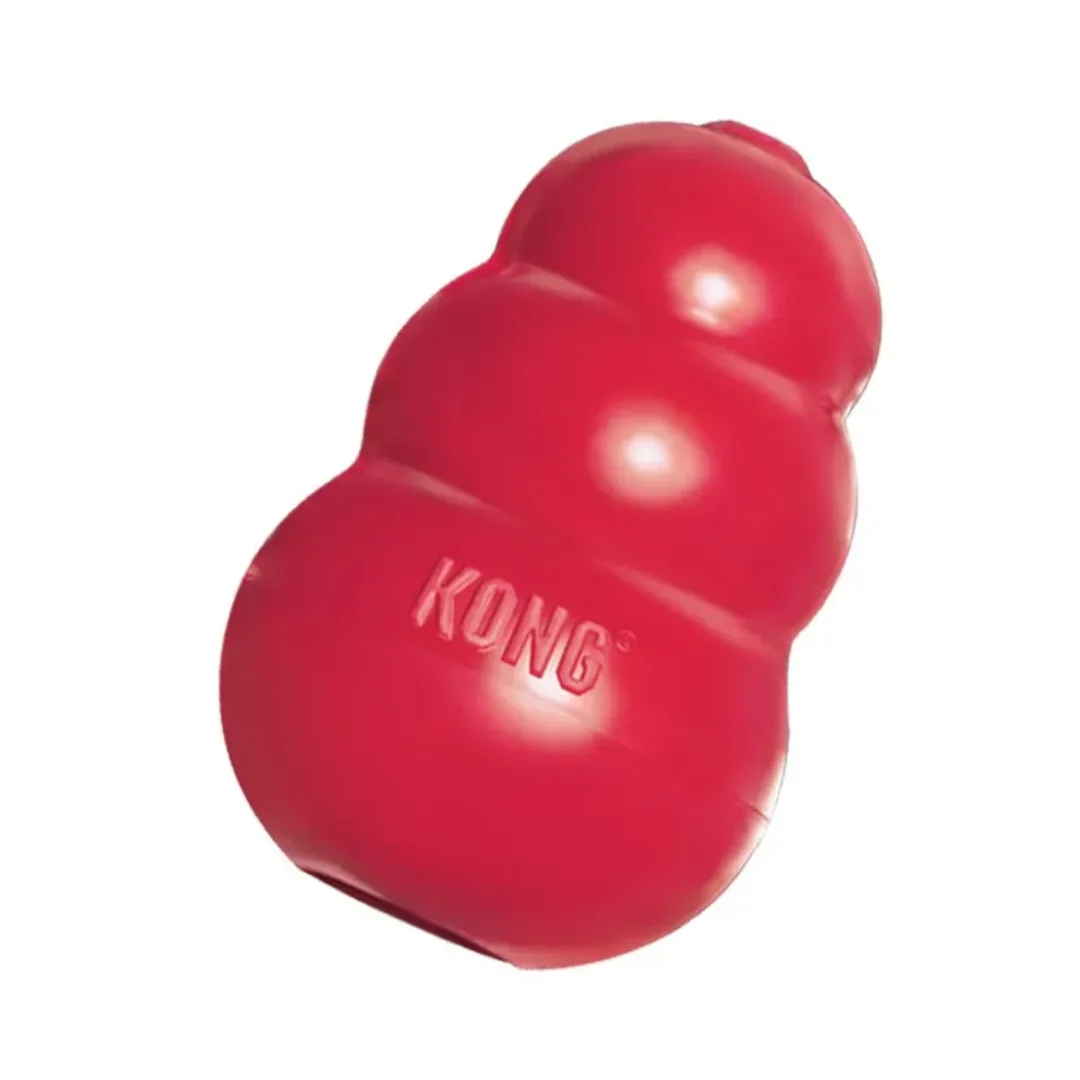
Kong Dog Toy
$22 at Petbarn
4. Consider a dog ramp or baby gate
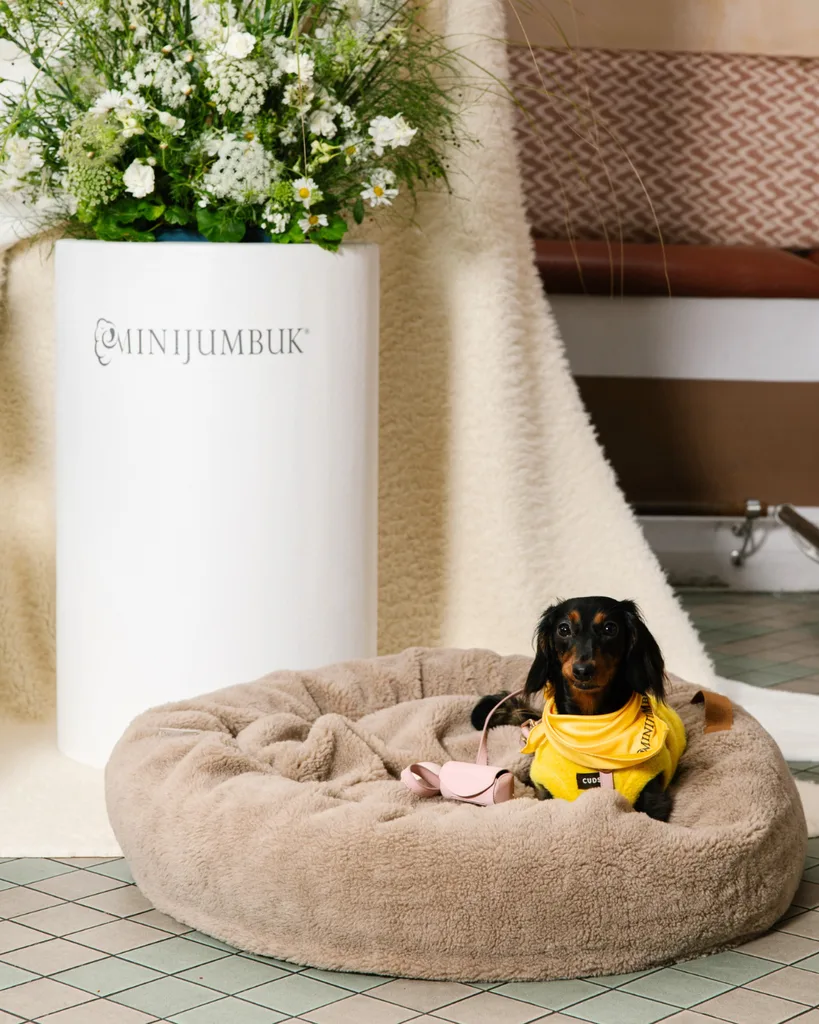
Extra advice: If your dog is, like mine, prone to back problems, investing in a quality bed is equally important. I’ve tried a lot, but mine and Lola’s favourite is the Minijumbuk’s wool circle dog bed (by far).
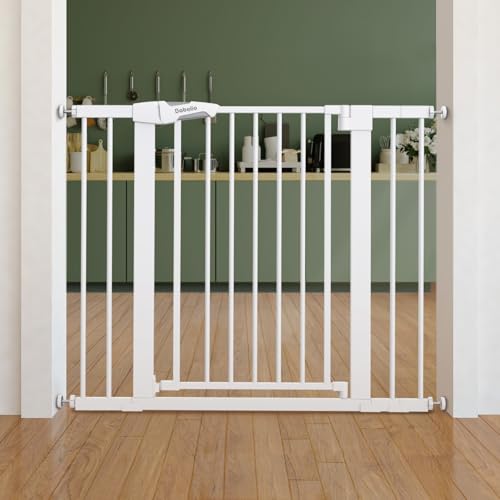
Specific breeds, like my endlessly problematic mini dachshund, need a few more pet-proofing staples in place to prevent joint and mobility problems later in life. For Lola, I’ve bought two dog ramps to help her get on and off the bed and sofa without jumping (and potentially damaging her spine), and a baby gate to keep her from using the stairs. While this may seem a little extreme to some, knowing which health problems your dog’s breed is prone to, and preventative measures that might just save them from serious conditions like IVDD, is a key consideration when bringing home a new pet.
One thing to note: if you do opt for a ramp, teaching them how to use it may take a little effort. Lola loves sprinting through the house and launching herself off the furniture, and it took many a session of leading her up and down the ramp with treats to get her to stop.
Tried & tested
How I keep my furry friend safe:


5. Create a pet-friendly cleaning routine
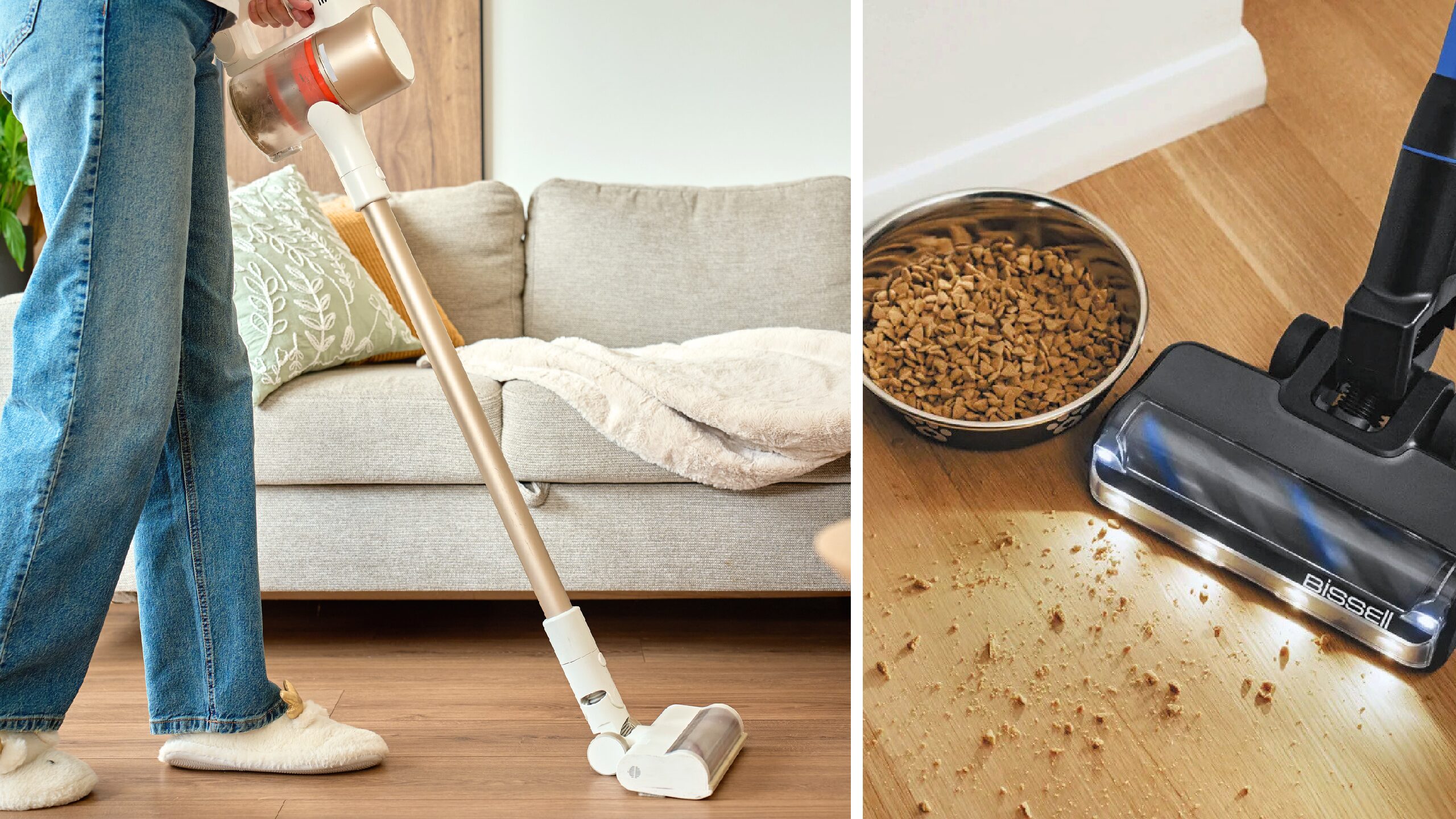
Keeping your home pet hair-free can feel like a losing battle, especially when you’re battling dark hair on light-coloured sofas or rugs. And while the easy solution is choosing furniture a few shades darker, it doesn’t address the elephant in the room: the smell.
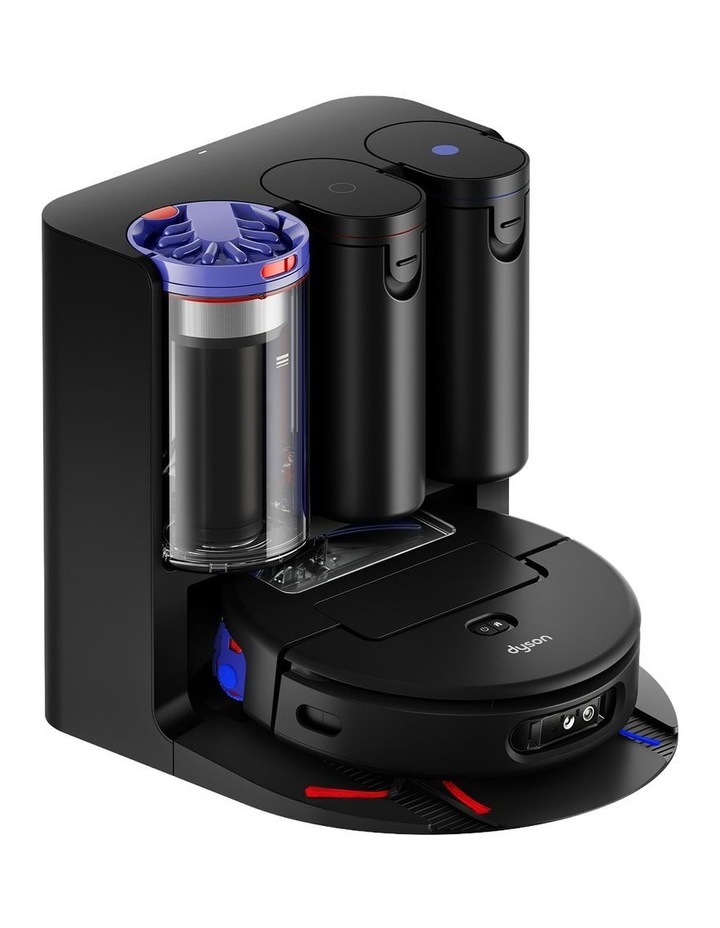
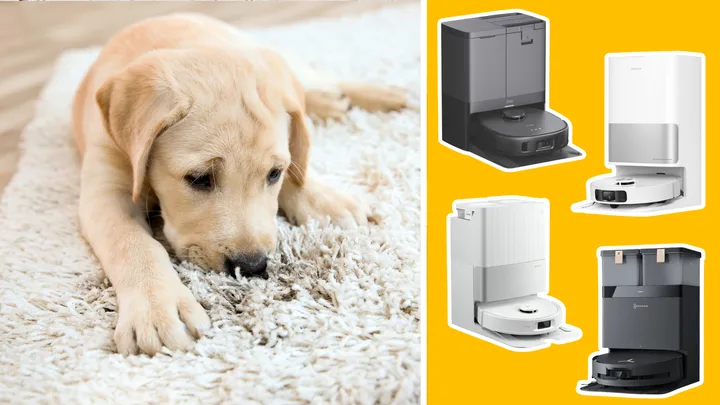
Pet hair can retain an odour in your carpet and fabric lounges, so a good quality vacuum and upholstery cleaner are a must. And after putting a lot of effort into building my cleaning appliance collection, I think I’ve found the trifecta: the Bissell Little Green for hair or spills on sofas, armchairs, and ottomans, the Dyson Spot + Scrub AI robot vacuum for everyday carpet maintenance (bear in mind that most robot vacuums won’t handle pet hair well), and the Shark Stratos Pet Pro Vacuum for a deeper floor clean.
I swear by these 3 products
Cleaning essentials for pet owners


Extra tip: if you get your dog fixed, try this:
After we had Lola desexed, she couldn’t stand the stiff plastic collar the vets gave her (or as we call it, the cone of shame). To keep her safe, however, we had to keep it on for almost two weeks, which would have been impossible, so I found a genius stand-in.
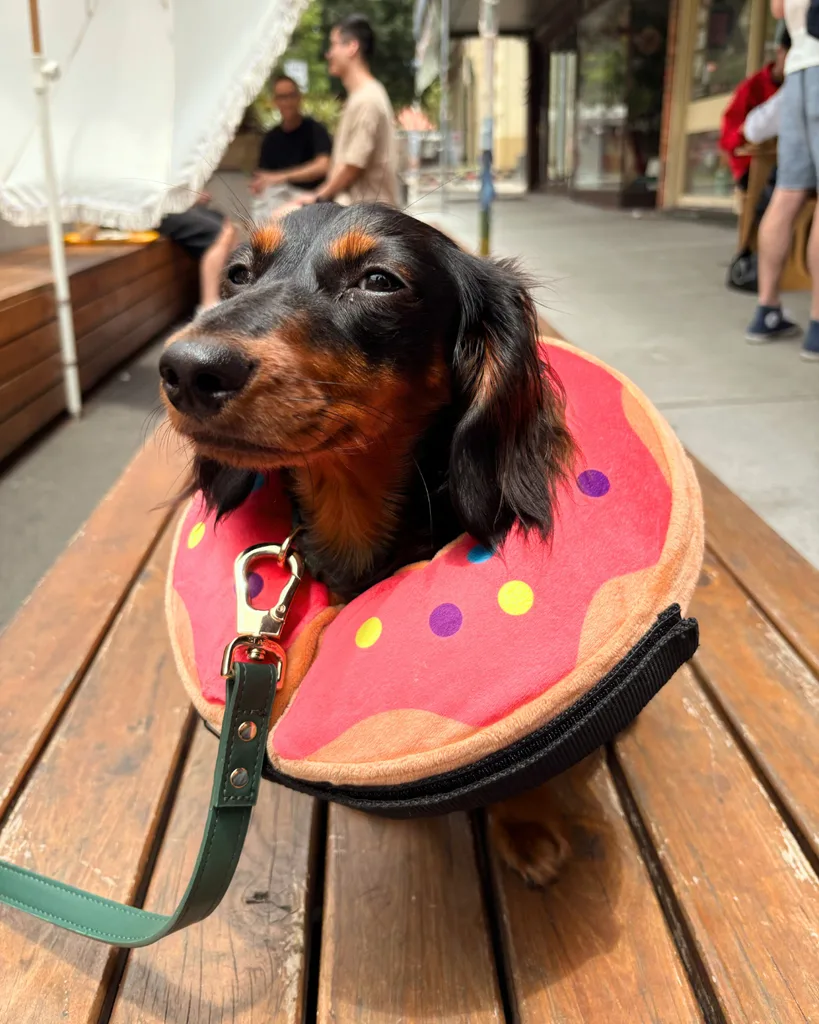
On Amazon, there are plenty of circular inflatable dog cones for pups who have just had an operation, and they function just like a neck pillow. I ended up buying one that looked like a doughnut that Lola genuinely loved, and I’ve since recommended it to all of my friends with dogs.
You might also like:
-

-
-
Native ad body. Sponsored by %%sponsor_name%% -
-
-
Native ad body. Sponsored by %%sponsor_name%%

Related stories

Native ad body.
Native ad body.

Native ad body.