In the past 50 years, we’ve become more and more disconnected from nature and from each other. As someone who grew up in a small country town surrounded by nature, I observed and felt that disconnect in the years I moved to the big smoke to attend university. But even within the so-called concrete jungle, it’s surprising how nature persists.
The good news is there are now more ways than ever to get involved with nature and overcome that disconnect. From bird counts to planting trees, everyday Aussies are getting back to grassroots. Here’s how you, too, can care for the earth. Join or participate in one of the following environment initiatives:
Volunteer or join a workshop
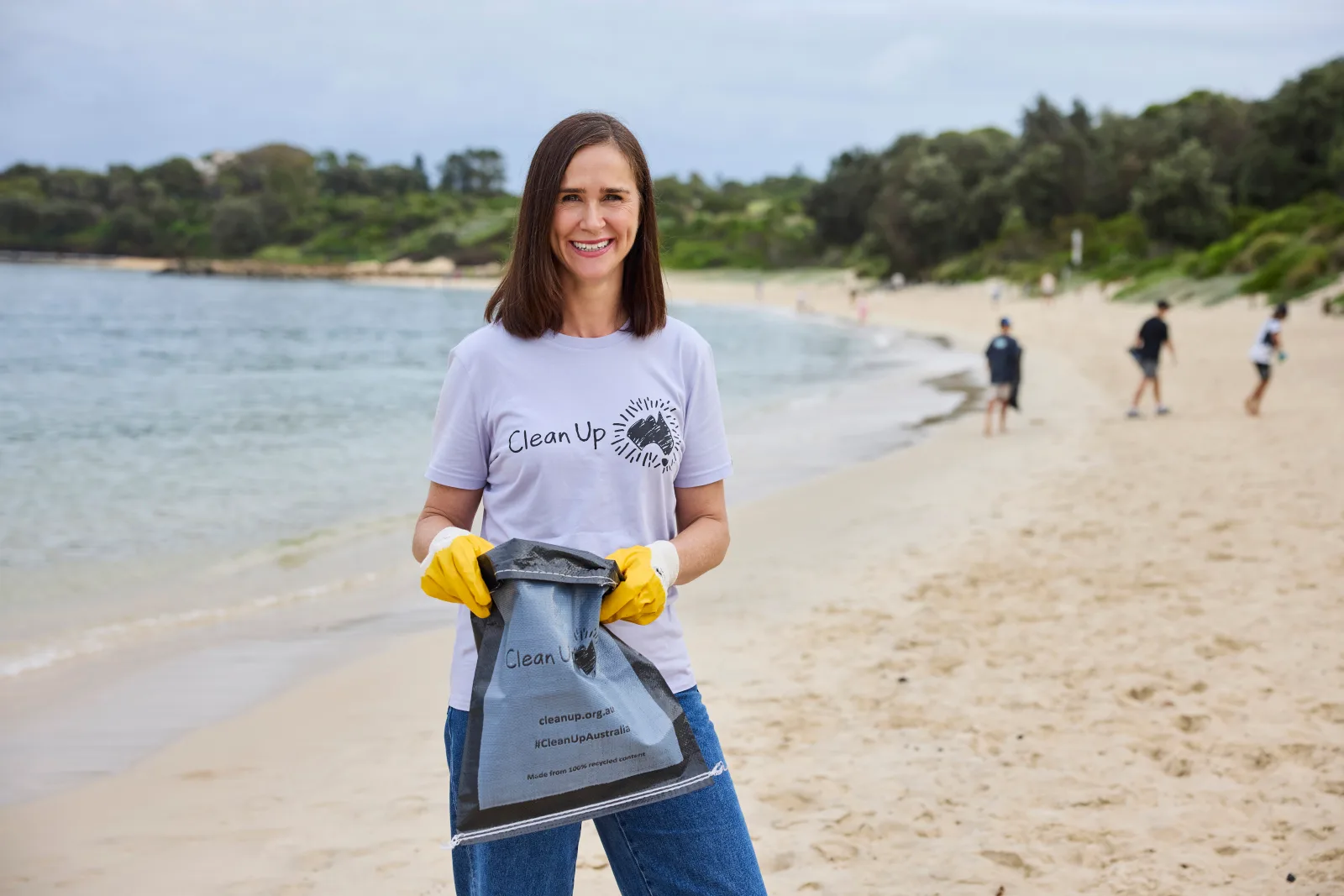
There’s no better way to feel like you’re saving the environment than an activity that makes a difference, like cleaning up litter or planting a tree. You can join more than 750,000 legends at one of thousands of Clean Up Australia Day events on 7 March next year. Or plant a tree on the last Saturday of July, National Tree Day, an event which has brought together 5 million volunteers in the past 30 years, resulting in an incredible 28 million plants in the ground.
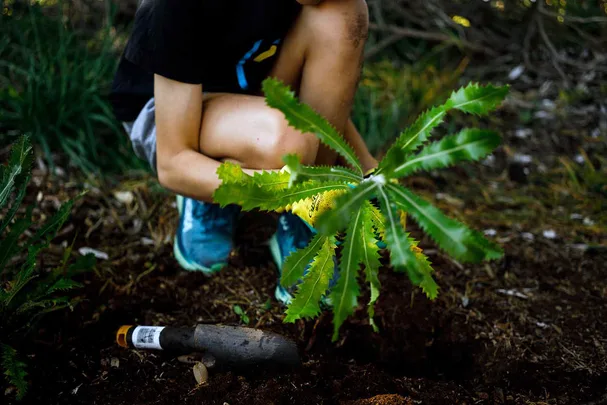
Landcare Australia is also well known as a way for Aussies to get involved in caring for our country, with its mission of environmental conservation and sustainable land management. You can join its more than 100,000 volunteers in 6000 Landcare groups, with activities such as installing bird-nesting boxes, educational workshops and weeding.
Become a citizen scientist
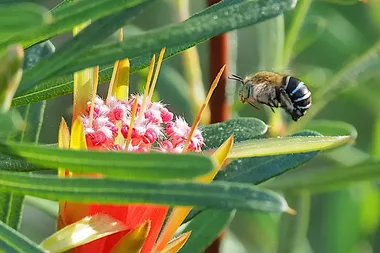
For me, there’s no better way to connect with nature than to see a bird perching in a tree you planted years ago, or a pollinator visiting the flowers of a native plant you grew. But you can also connect as a citizen scientist, since any everyday Aussie with a smartphone can be an ally to those studying the natural world.
There are fantastic win-win opportunities to sign up for. As someone who loves bees and bugs, something close to my heart is helping research the insect declines we have seen in recent years. Ask yourself, when was the last time you cleaned bugs off your windscreen at a service station? And can you still spot all of the bugs you remembered seeing as a kid?
There are a number of projects seeking to get to the bottom of this, like the Christmas Beetle Count through the iNaturalist app that has seen 25,000 observations logged and has even resulted in a new species being found. And the Moth Tracker has been keeping an eye on the bogong moth thanks to thousands of uploads from people playing at home across eastern Australia.
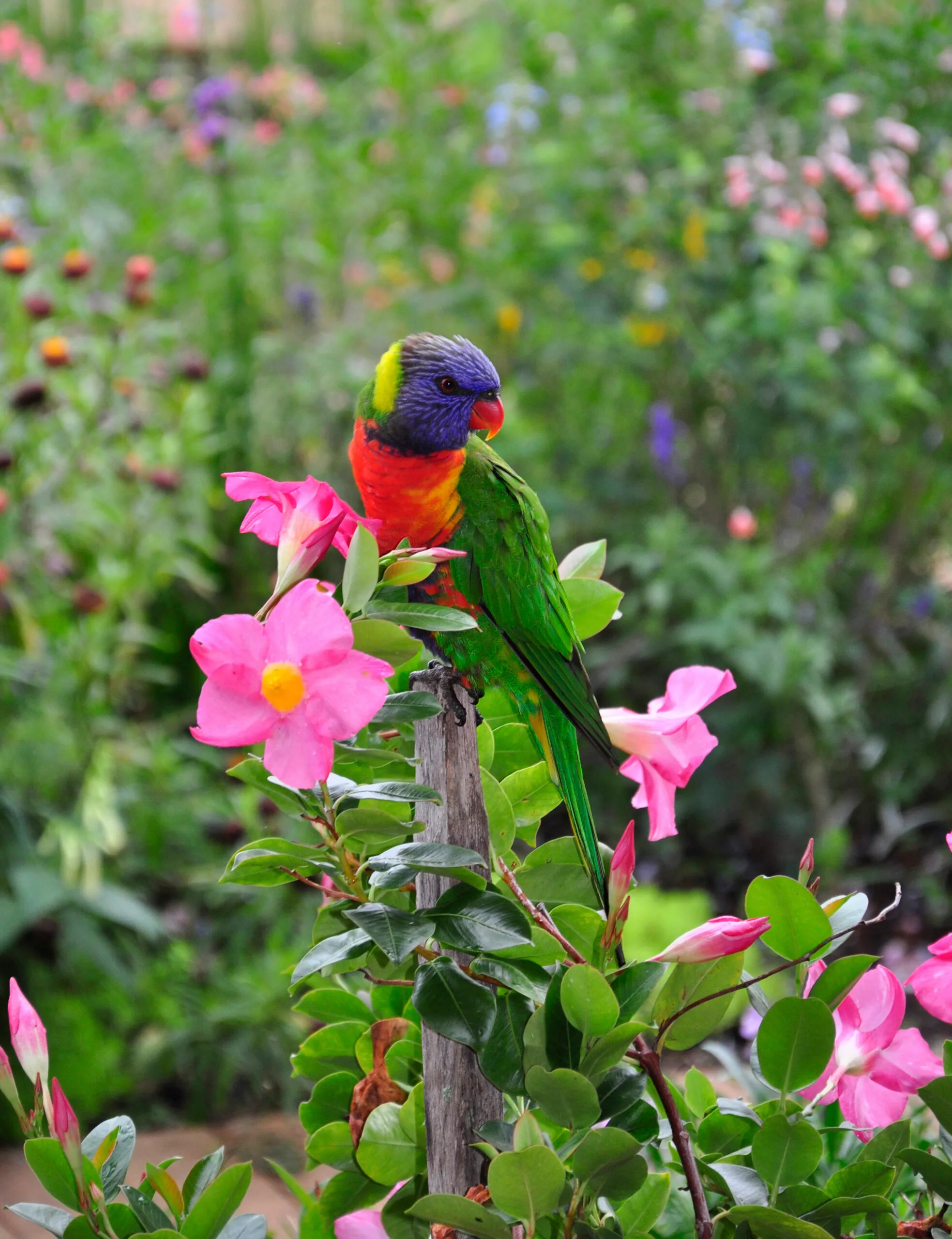
There are also events that have people observe nature at specific times. The Aussie Bird Count, from 19–25 October this year, expects to attract more than 60,000 participants. Last year, 63,990 people got involved and spotted more than 5 million birds, with about 70 per cent found in built-up areas.
The Great Southern BioBlitz, 27–30 November, invites you to go and find any form of life to provide a snapshot of the beautiful biodiversity of the Southern Hemisphere.
Connect with like-minded Aussies
What’s heartening is how many young people also want to reconnect with nature and with each other. Volunteering groups such as Coexist Australia and Intrepid Landcare have been growing in numbers right around Australia to unite green-minded young people. These groups are not only doing planting and clean-ups, but simply experiencing nature together with hikes, campouts and nature activities, bringing people together like never before.
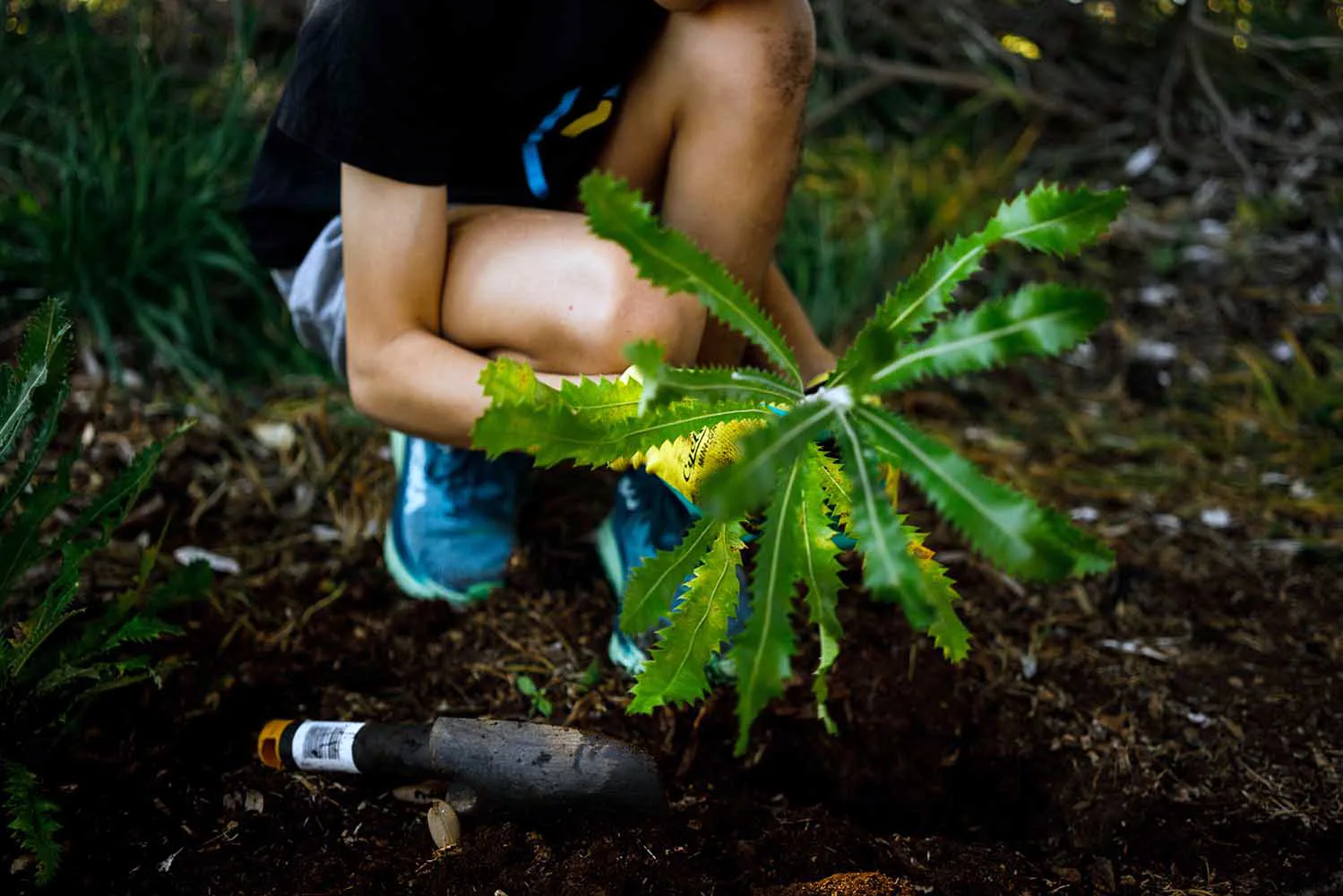
It’s so inspiring to think that we can get outside and experience nature, all while also giving back through planting, cleaning up, or making observations for research.
I encourage you to download iNaturalist, join a volunteer group or go and visit a national park to celebrate and protect nature.

Related stories
Native ad body.
Native ad body.
Native ad body.