

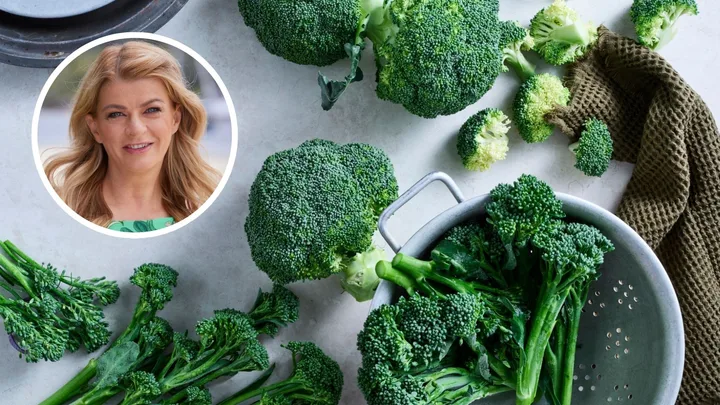
Broccoli is a staple in the winter vegie patch – one we’ve come to rely on for satisfying soups, stir-fries and casseroles in the cooler months. I’ve always had a soft spot for broccoli. When I was young, my mum called broccoli “little trees”, which captured my imagination and made it more appealing to eat. I still think of broccoli as a miniature forest on my plate.
Growing broccoli is a lesson in patience because the plants can take 10–13 weeks to mature from seedlings.
In the end, you may only harvest a single head, so if you’re eager to see results, look for early-maturing types or sprouting varieties that can be harvested over weeks or even months.
Three months is a long time for one vegetable to take up room in the kitchen garden, so I like to plant and harvest fast-growing crops such as loose-leaf lettuce in between my rows of broccoli to make the most of the space. Are you ready to get started? Here’s how to grow broccoli.
KEY TAKEAWAYS
- May is one of the best times to plant broccoli across most of Australia
- Broccoli thrives in cool weather with temperatures between 10–23°C
- Plant seedlings 30cm apart in well-drained soil with full sun
- Water at the base and fertilise fortnightly once heads start to develop
- Harvest when heads are firm and tight — most plants will produce side shoots after the main head is cut
Best broccoli varieties to grow in Australia
- Green Dragon: If you’re after a traditional broccoli with one central head that you pick and eat, ‘Green Dragon’ is a top choice with its good-sized, juicy heads bursting with green goodness. It matures slightly earlier than some varieties, so expect to be picking it roughly 10–12 weeks after planting. It’s also more heat-tolerant than other broccoli varieties.
- Bambino: If you want a quick pay-off and more to harvest, try growing broccoli ‘Bambino’. It’s a sprouting variety, meaning it produces lots of small florets rather than one big head. When the first, central floret appears, remove it to force the growth of more side shoots, which can be harvested over 4–6 weeks. The florets are mild and slightly sweet, so they make a great addition to garden-fresh stir-fries or steamed as a simple side dish.
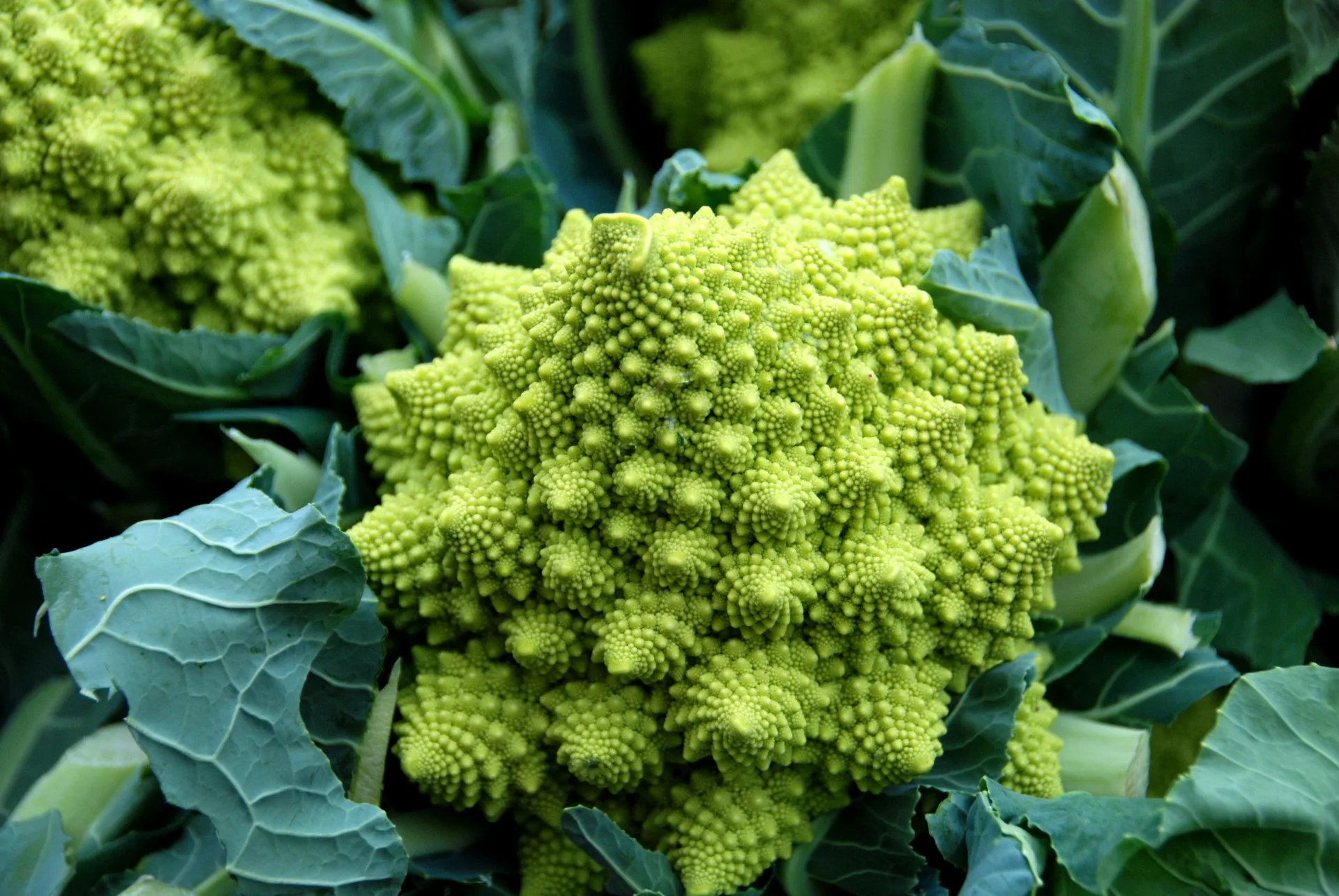
- Romanesco: It’s hard to imagine a broccoli that turns heads, but ‘Romanesco’ (pictured above) is a showstopper in the garden and on the plate. With its pretty chartreuse-green heads that spiral in a perfect Fibonacci sequence, it’s loved by chefs and mathematics fans alike. Stealing the scene since the 16th century, this Italian heirloom broccoli has a silky, nutty flavour that is delicious when blended into soups or used in bakes.
- Purple Sprouting: This one is a real treat, because its small, deep-purple heads and side shoots can be continually harvested for up to 12 weeks. ‘Purple Sprouting’ is jam-packed with antioxidants and looks as good in the garden as it does on the plate. Just be sure to cook it lightly; otherwise you’ll lose that beautiful colour.
- De Cicco: ‘De Cicco’ broccoli can be picked for much longer than other varieties – up to six months! This Italian heirloom sprouting broccoli is treasured for its long harvest window, so it’s an excellent choice if you prefer steady, ongoing picking rather than harvesting a single large head. This high-yielding broccoli produces masses of blue-green florets with short, thick stems and has a delicate flavour.
- Green Dwarf: If you’re gardening in containers or space is tight, keep an eye out for this dwarf variety. It takes up less space than traditional broccoli, producing a small single head on a petite plant. As an early harvest crop, it can be picked 8–11 weeks from planting. Cluster the plants together in large planters or raised beds. Pick the head while the florets are tight and compact to serve as an easy side dish.
How to grow your own broccoli plant
When to plant
In cool and temperate regions of Australia, broccoli is planted in autumn for a late winter or early spring harvest. Excess heat can lead to poor-quality heads and premature bolting, so in areas where temperatures regularly exceed the mid-20s, it’s best to grow broccoli only during the coolest months.
Aspect
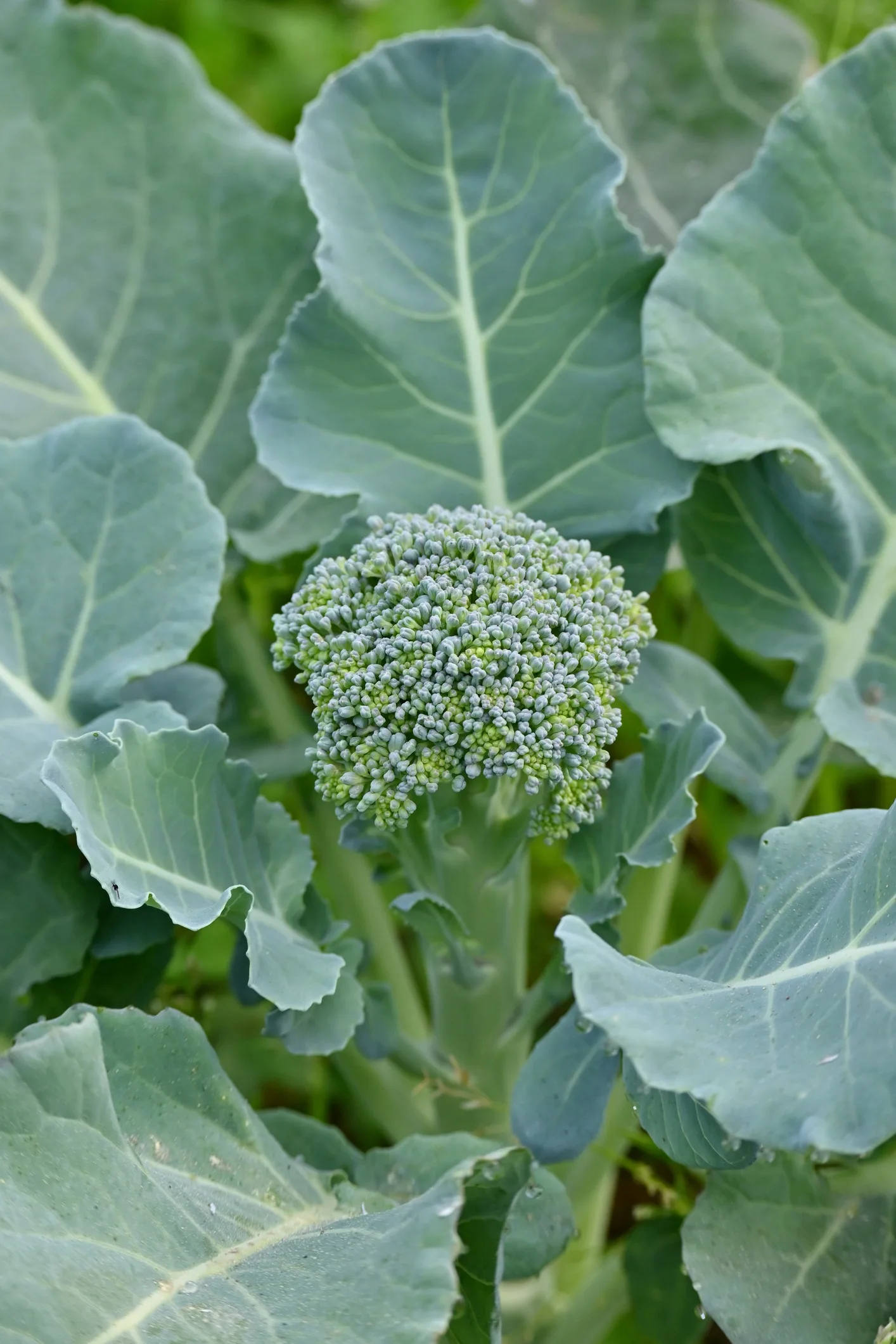
Broccoli grows best in a sunny position that receives at least six hours of direct sunlight each day, although it will tolerate partial shade in hotter climates. Too much shade can lead to slow growth, loose heads and leggy plants.
Climate
Broccoli is a cool-season crop that handles light frosts well and can even develop a sweeter flavour after cold nights. In fact, it needs cool weather to set good heads.
Caring for broccoli plants
Before planting, prepare the soil well by digging in plenty of compost and organic matter to improve the soil’s fertility and structure. Avoid overloading the soil with manure or high-nitrogen fertilisers at planting time; otherwise you’ll get lush leafy growth at the expense of tight, well-formed heads.
Feed plants through the growing season with a balanced fertiliser to support steady leaf development and strong, tasty florets.
Maintenance
Once your broccoli is established, remember to keep watering it from the roots; leaving water on the leaves and head may cause it to rot. Applying a layer of mulch around the base of your broccoli plants is especially beneficial in the cooler months — it helps retain soil moisture, suppresses weeds and protects roots from cold snaps overnight.
When to harvest broccoli
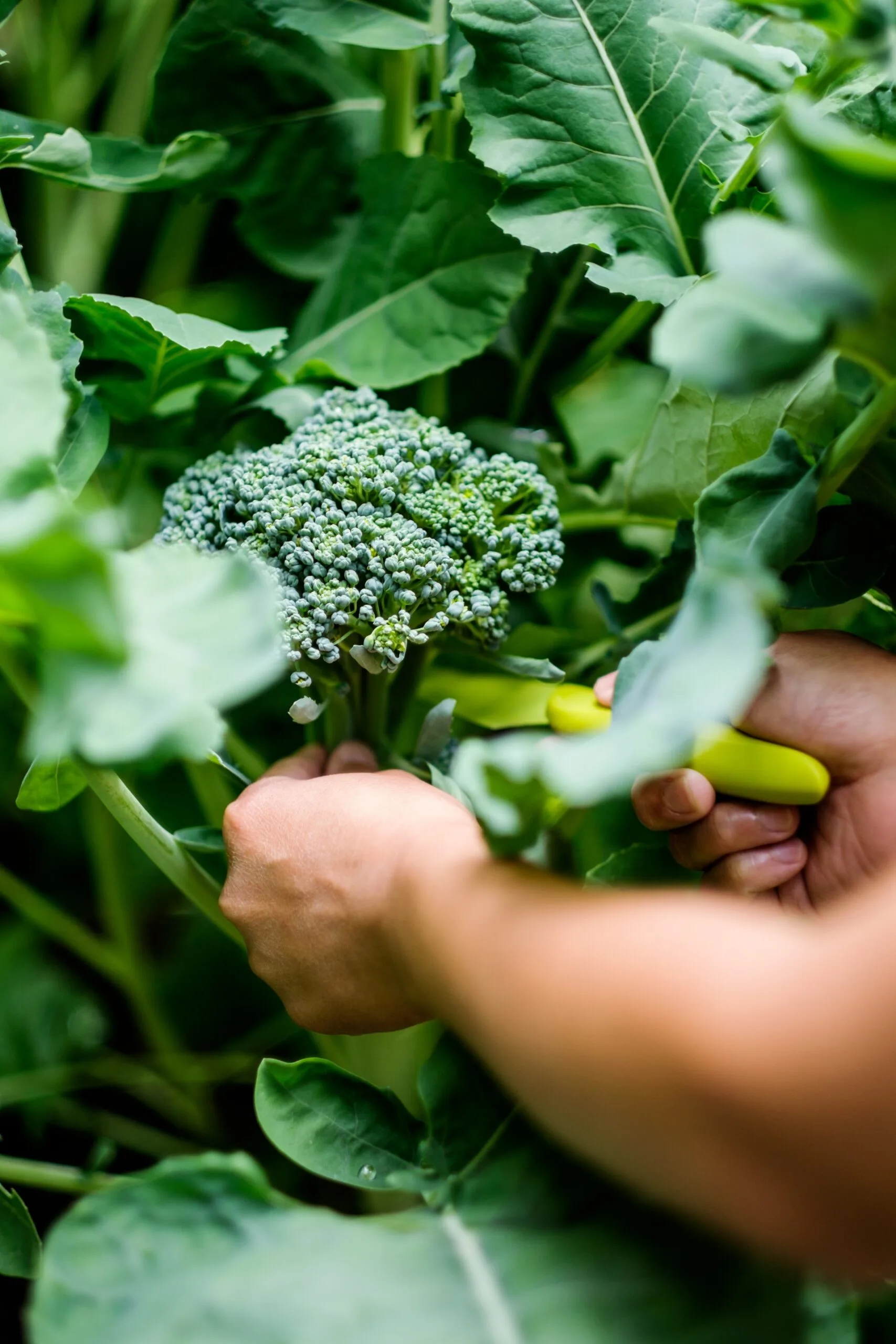
You’ll know your broccoli is ready to harvest when the central head is tight, firm and fully developed. Be sure to pick it before the buds start to loosen and yellow petals appear.
Varieties that form a single large, central head are usually harvested just once, while sprouting varieties produce side shoots that can be picked over a longer period.
Pests that affect broccoli growth
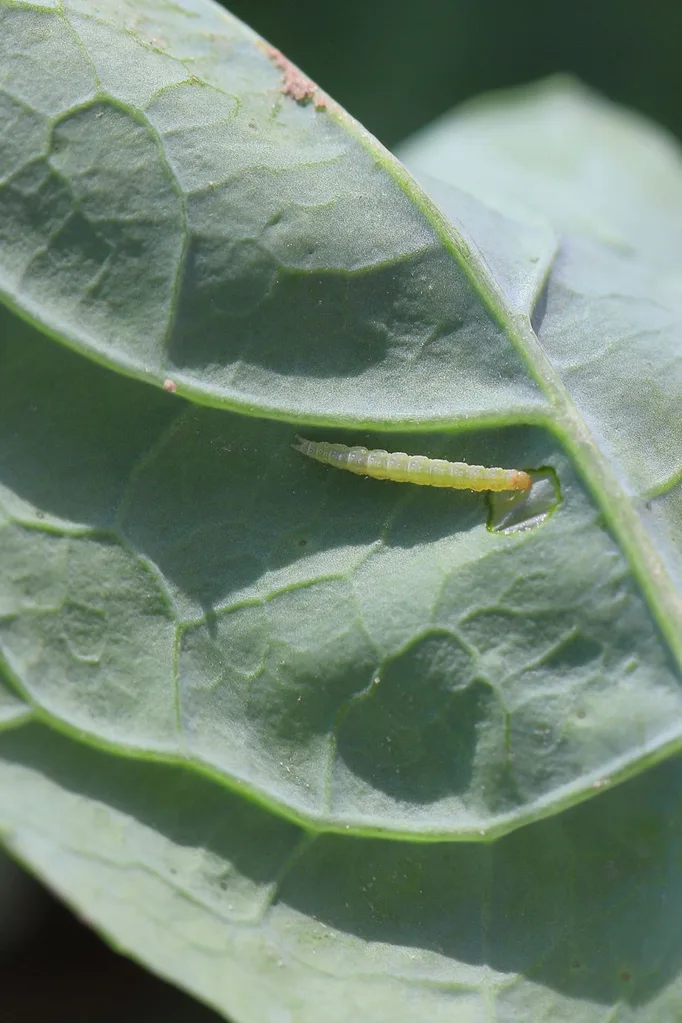
Caterpillars, worms and other pests love the leaves on broccoli plants. Spray the plant with a natural bug spray.
White cabbage moth is another common broccoli pest. The small white moth lays eggs on the undersides of leaves, and the hatching caterpillars can quickly devour your crop. Cover plants with fine netting to prevent moths from laying eggs, or treat with Dipel, a naturally derived spray that targets caterpillars without harming beneficial insects.”
Broccoli is prone to a soil issue called clubroot, which causes the plant to wilt on warm days. To avoid this from happening, plant broccoli in different garden beds each year.
How to grow broccoli from seedlings
So how does broccoli grow? The most foolproof method for growing broccoli is to start with seedlings. You can grow them from seeds, but this will require time, patience and germination. To grow from seeds, it is easiest to sow them 1cm deep in the ground, around 30cm apart. It’s a good idea to plant your broccoli seeds gradually so you have a steady supply.
Broccoli can also be grown in pots, as broccoli shrubs can grow quite large; one or two seedlings in a 50cm pot with well-drained soil.
If you notice that the bottom leaves are turning yellow, this is a sign that your plant isn’t getting enough nitrogen. Don’t stress, simply give your plant a dose of nitrogen fertiliser like Blood and Bone.
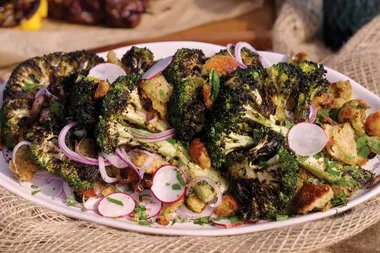
Yes, you can! Simply cut off the dark green leaves and lightly saute them. You can also bake them into crunchy chips. Try this grilled broccoli, rocket, mozzarella and basil salad.
The best companion plants for broccoli are beans, marigolds, strawberries and coriander.
Your broccoli will be ready to harvest in between 50 and 80 days, depending on the variety. It is important to harvest broccoli early in the morning before it heats up. Use a sharp knife or secateurs to cut off the plant’s head, taking around 10cm of the stem. It is important that you slice the stalk at an angle to prevent water pooling and rotting.
Most plants will have sub-shoots that will also produce broccoli in a couple of weeks’ time, so be patient and keep watering.


