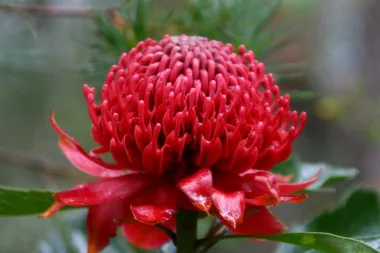

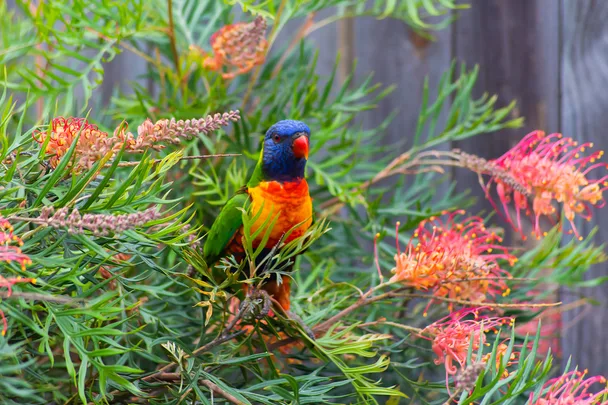
Grevilleas are fantastic Australian natives to include in your garden. These flowering, evergreen plants range from small shrubs to large trees and attract plenty of honeyeater birds, butterflies and bees. They are also hardy and easy to grow, with striking flowers that can appear spider-like, toothbrush-style, or large and brush-like. Some grevillea varieties are also scented.
There are over 380 species native to Australia, with most found in WA and NSW. Sadly, some varieties of Grevillea (including G. caleyi, G. calliantha, G. hodgei, G. sp. Gillingarra) are part of a group of Australian native plants flagged at risk of extinction.
If that’s not reason enough to start planting them in your garden, it’s worth noting that planting natives can save you time and money on maintenance and watering.
It’s also great for the environment, with the government’s 2021 Australia State of the Environment report noting, “Native vegetation is crucial for the health of Australia’s environment – it stabilises soil, supports pollinators and other animals, purifies water, stores carbon, and provides food and habitat for biodiversity.”
So if you want to add these colourful natives to your garden, here we have picked out some of the most beautiful varieties to consider.
15 beautiful grevillea varieties and cultivars to grow

Grevillea ‘Superb’
If you want to make a bold statement, ‘Superb’ is the variety to choose. The ombre orange-and-pink blooms are large and eye-catching. With prickly foliage, this quick-spreading shrub works well as a screening plant.
Care requirements: Needs well-drained clay loams or sandy soil. Water regularly during first 8-12 weeks. Suitable for most climates, excluding tropical areas or areas prone to frost.

Grevillea ‘Elegance’
As the name suggests, this variety sure knows how to put on a show. Reaching up to 3 metres in height and spreading up to 3 metres across, this shrub puts on a good display in any garden.
Care requirements: Mulch and water regularly until the plant is established. Plant in well-drained soil and a sunny position. Suitable for all climates, can tolerate frost once established.

Grevillea semperflorens
With apricot flowers and weepy branches, this variety is a fountain of delight. It works well as an informal screen, hedge or border and grows up to 2 metres tall.
Care requirements: Loves well-drained soil and full sun to part shade aspect. Suitable for most climates, is drought and frost tolerant.

Grevillea intricata
The elegantly delicate white flowers of G. intricata will provide a lovely, dense backdrop for your garden. Spreads up to 4 metres across and grows to 2 metres in height.
Care requirements: Plant in full sun for maximum flowering. Water regularly during first 8-12 weeks. Suitable for most climates, is heat and drought-tolerant.

Grevillea ‘Honeybird Yellow’
Sport the green and gold in your garden with ‘Honeybird Yellow’, a compact grevillea variety that grows up to 1 metre in height and 1 metre across.
Care requirements: Thrives in full sun to part shade. Suitable for most climates, is drought tolerant once established.

Grevillea ‘Lana Maree’
You’ll fall in love at first sight with the masses of pink flowers on ‘Lana Maree’, a medium-sized spreading shrub that works well as a ground cover, a privacy screen or in pots. This popular cultivar is actually named after the wife of Richard Tomkin, a nursery owner who grafts and breeds grevilleas.
Care requirements: Likes loam and sandy, well-drained soil. Suitable for most climates and can tolerate light frost.

Grevillea ‘Peaches and Cream’
With its pastel pink and yellow flowers, ‘Peaches and Cream’ is certainly a favourite among gardeners. The bushy shrub grows up to 2 metres in height and features bright green leaves that take on a bronze tinge in winter.
Care requirements: Partly shady to full sun position, likes well-composted soil. Water during the first 8-12 weeks. Suited to most climates, including sub-tropical conditions.

Grevillea ‘Golden Lyre’
The ‘Golden Lyre’ variety features toothbrush-like flowers with petals arranged down one side of the stem. Clusters formed by these flowers may not be as big or striking as the others, but they make up for it with fascinating foliage. Grows up to 1.5 metres in height.
Care requirements: Needs well-draining soil, and likes full sun to part shade conditions. Suitable for most climates, but is frost sensitive.

Grevillea ‘Sid’s Pink’
This compact shrub has so much to offer: intriguing shapes, vibrant pink blooms and luscious foliage.
Care requirements: Likes clay or loam well-drained soil. Suitable for most climates and is frost and drought tolerant.

Grevillea bipinnatifida
G. bipinnatifida, also known as fuchsia grevillea, produces plump red blooms that are a wonderful contrast to the prickly green foliage. Grows up to 1 metre in height.
Care requirements: Likes full sun to part shade position. Suitable for most climates, but is sensitive to frost.

Grevillea ‘Pink Midget’
The low, spreading habit of ‘Pink Midget’ makes it a great groundcover. The compact shrub grows up to 30cm in height and can spread up to 1 metre across.
Care requirements: Likes full sun aspect and well-drained soil. Suitable for most climates and is frost-hardy and coastal tolerant.

Grevillea thelemanniana
Cover up any bare patches of soil with the yellow-tipped and fiery-red flowers of G. thelemanniana, which is also known as the hummingbird bush or spider-net grevillea.
Care requirements: Prefers warm, sunny position and well-drained soil. Suitable for most climates including cold temperates and sub-tropical areas.

Grevillea ‘Ivory Whip’
‘Ivory Whip’ grows up to 1.5 metres in height and can spread up to 1.5 metres across, which makes it ideal for screening or hedging. Prefer a smaller shrub? A compact variety is available.
Care requirements: Plant in full sun for maximum flowering. Likes free-draining soil and is suitable for most climates.

Grevillea ‘Lolly Pops’
Raspberry coloured flowers cover this medium-sized shrub for most of the year. Hardy and evergreen, this variety grows up to 2 metres in height.
Care requirements: Likes well-drained clay or sandy loam soil. Water regularly during first 8-12 weeks. Suitable for most climates and is drought-hardy once established.

Grevillea ‘Coral Fusion’
If you want to attract birds to your garden, ‘Coral Fusion’ will do it with its masses of cylindrical, coral pink flowers throughout the year. Naturally bushy and compact, it grows 1.5m tall and wide when put in a sunny spot. This new 2026 variety from Kings Park is ideal for attracting wildlife and bringing fiery colour to the garden.
Care requirements: Needs well-drained soil to thrive. Apply low-phosphorus fertiliser every six months for best growing results.
How to find different grevillea varieties
Your local nursery or garden store is a good place to start. They’ll be able to talk to you about different grevillea varieties they have available and may even have insights on how well they grow in your area. If you have your heart set on a particular variety, you could also consider an online nursery that offers deliveries, such as Australian Plants Online or Native Plant Project.
5 things to keep in mind when you’re ready to plant
Planting and growing grevilleas is simple – because they’re native to Australia, they thrive in most Aussie climates, and don’t require much maintenance.
- Plant grevilleas in an area with well-drained soil, or a raised garden bed with a free-draining soil mix to support
- Most varieties prefer full sun or partial shade, with protection from strong winds
- Water well for the first six months, then twice a week for a few weeks (you can gradually reduce this to when it’s needed)
- Prune after flowering (usually in late winter) to improve foliage and shape
- You can use a specialised native plant fertiliser to support it, but make sure you avoid fertilisers with phosphorus
Planting in pots
Grevilleas are typically planted in gardens, but you can opt for one in a pot if you prefer. Make sure there’s enough room for the roots to grow (this is different for each variety) and ensure the pot and soil will drain well. You could even consider a potting mix formulated for natives, such as Debco Native Mix Superior or Osmocote Professional Native.


Related stories
Native ad body.
Native ad body.

How to keep your summer lawn pristine
Native ad body.