
Every garden is different, and finding plants that thrive in its unique conditions can be tricky. While it might be tempting to pick out the prettiest flowers you can find, the real secret to a thriving garden is choosing plants that solve specific garden problems.
To help you get your garden spring-ready, landscape designer Charlie Albone shares five of his favourite problem-solving plants.
KEY TAKEAWAYS
- For Shady Corners: Rodgersia ‘Bronze Peacock’
- For Flat, Lifeless Borders: Sanguisorba ‘Lilac Squirrel’
- For Big, Reliable Colour: Modern European Roses
- For Medium Native Canopies: Corymbia ‘Precious Pearl’
- For Clay Soil & Poor Drainage: Protea ‘Susara’
How to pick the right plants for your garden
Before picking plants for your garden, look at where it’s actually going to live. Consider how much sun it’s going to get, test your soil and make sure there’s enough space for the plant to grow to full size.
Charlie’s favourite plants
01
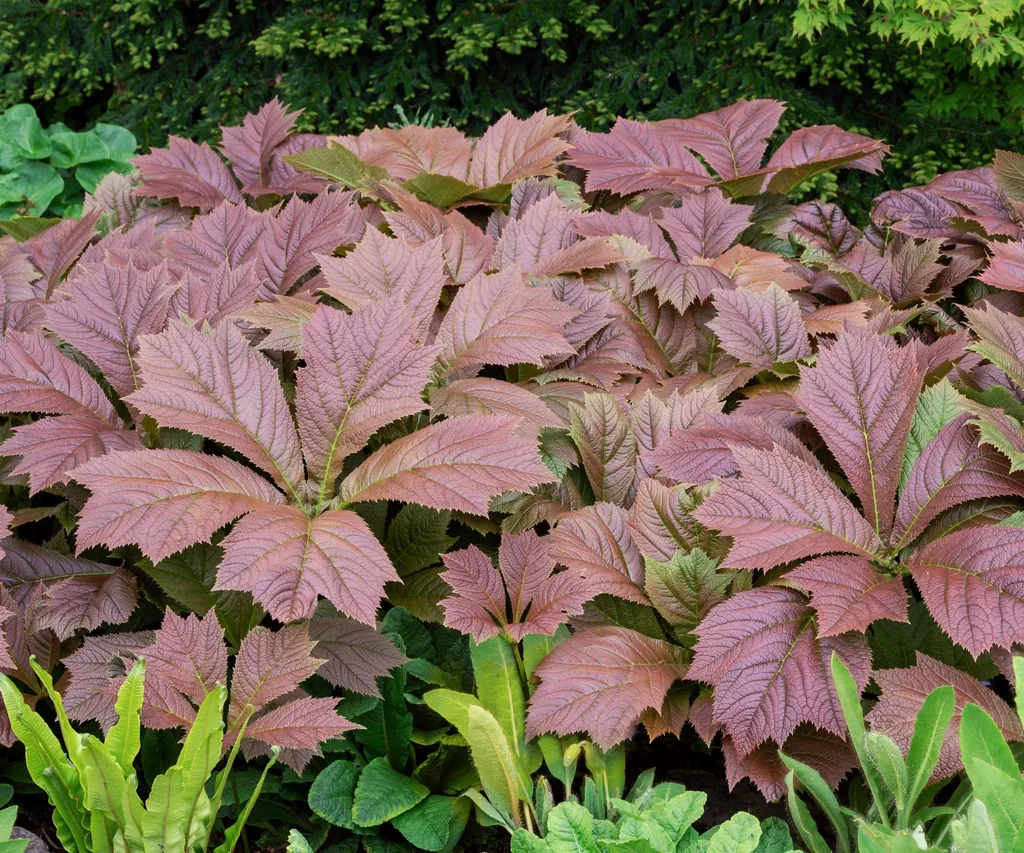
Rodgersia ‘Bronze Peacock’
First up is the Rodgersia ‘Bronze Peacock’, named for its new growth.
Charlie says, “It’s got that lovely coppery bronze colour to it. It’s a fabulous plant for light shade. And it is a bit of a sulker. By that I mean when it goes into the ground, it’s not going to do anything for a season or two, and then all of a sudden it will take off.”
He adds: “It gets really nice hand-shaped leaves — they get bigger and bigger — and it also flowers as well, so you get these little pink flowers.”
Best for: shady, awkward corners that never seem to grow anything interesting.
02
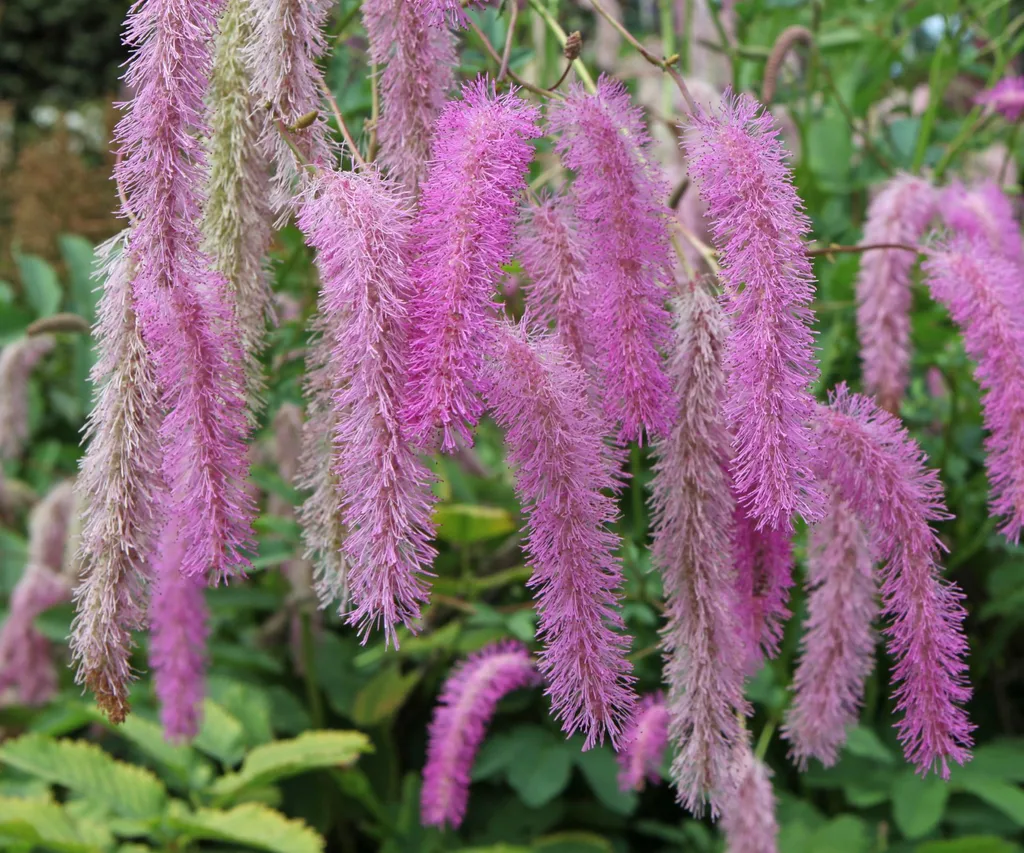
Sanguisorba hakusanensis ‘Lilac Squirrel’
If you love your perennials, you’re absolutely going to love this one.
“This is a Sanguisorba, and its name will be obvious once I tell you — it’s called ‘Lilac Squirrel’. Take a look at these flowers; they almost look unbelievable. They start off almost like cones, then open into a lovely, frilly inflorescence. It also has really interesting-looking leaves, but they do need to be grown in full sun. The more sun you give them, the more flowers you get, and the better the display will be.
Best for: Garden beds that look flat. This plant adds height, movement and texture. It’s also easy to care for, as long as it gets full sun.
03
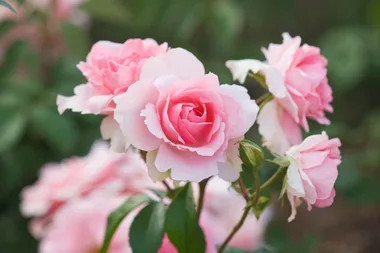
Roses
If you’re after a plant that flowers its head off and is hardy, you cannot go past the rose, says Charlie.
“A lot of people think they can be a little bit tricky; they are not,” he says.
“Deep watering is much more important than frequent watering. Give them a good bit of feed, and don’t be afraid to prune them, and you can get fantastic results. Modern breeding means they’re disease-resistant as well, and perfect for the Australian climate.”
As for his favourite new releases? Charlie says it’s the ‘Enrico Caruso’ and ‘Sophie Rochas’ for him.
“Enrico Caruso’ is from an Italian grower, and it’s got a really lovely fragrance and a beautiful ruffled bloom to it,” says Charlie.
He adds: “And this French one, ‘Sophie Rochas’, has got so much character to it.”
Best for: gardeners who want big, reliable colour.
04
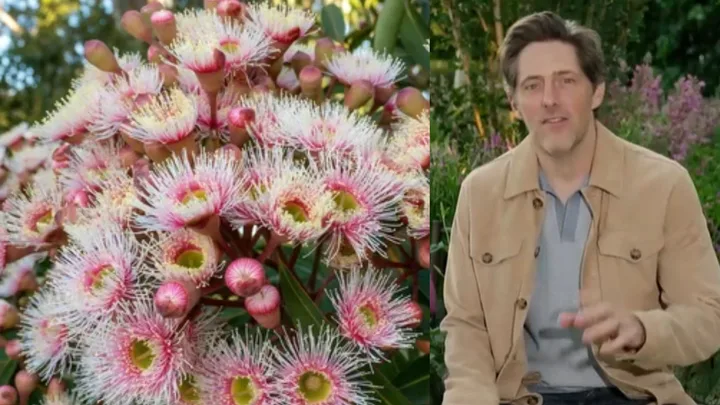
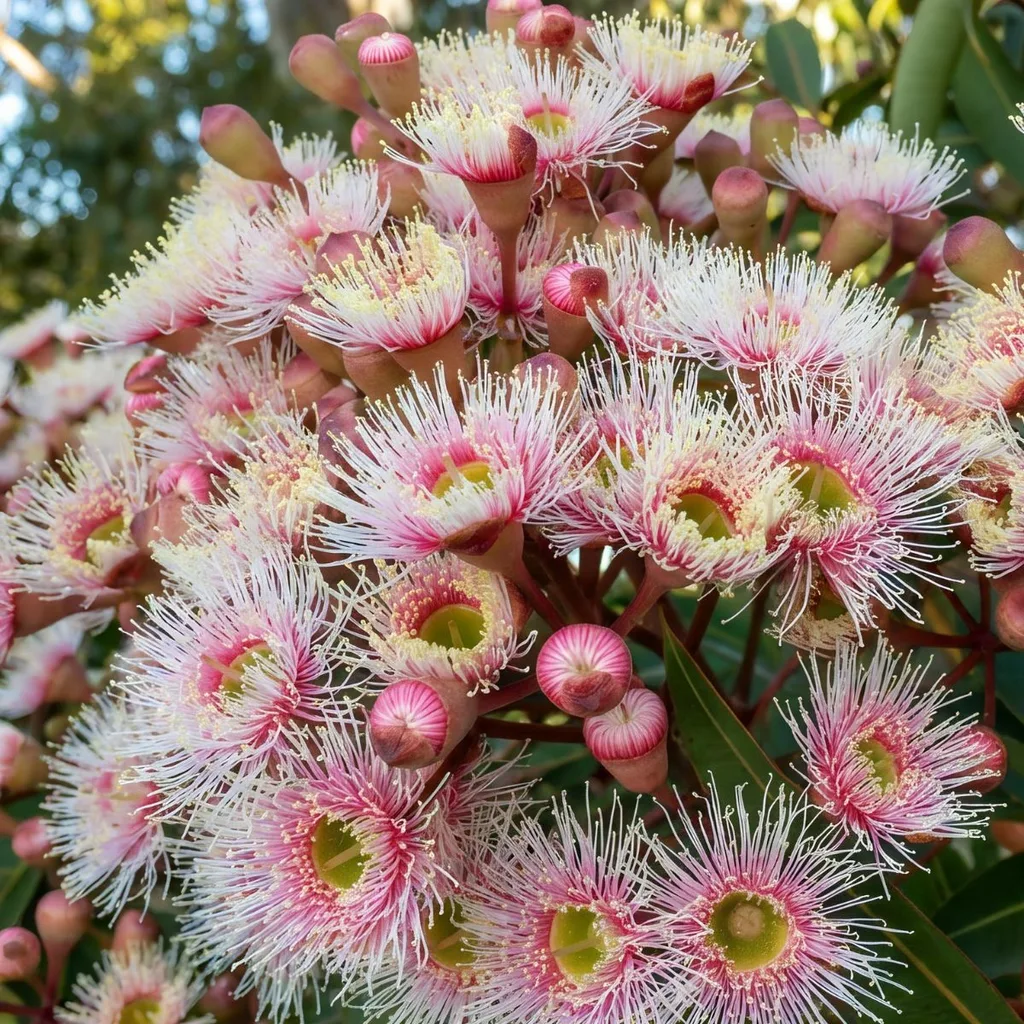
Corymbia ficifolia ‘Precious Pearl’
This year at the Melbourne International Flower and Garden Show, the Plant of the Year competition was launched. The inaugural winner-one of Charlie’s top picks-is the Corymbia, and once you see it, it’s easy to see why it took out the top spot.
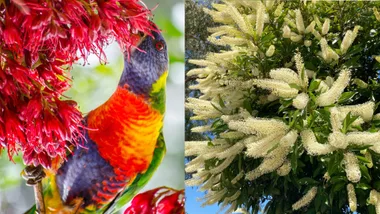
“It’s a small tree, gets to about seven metres, so probably good for a medium-sized garden,” says Charlie. “The thing I love about it is these fantastic flowers. They’re kind of a whitey-pink colour, they come in the warmer months, and they’re perfect for attracting birds.”
Best for: small to medium gardens that want a statement tree without it taking over.
05
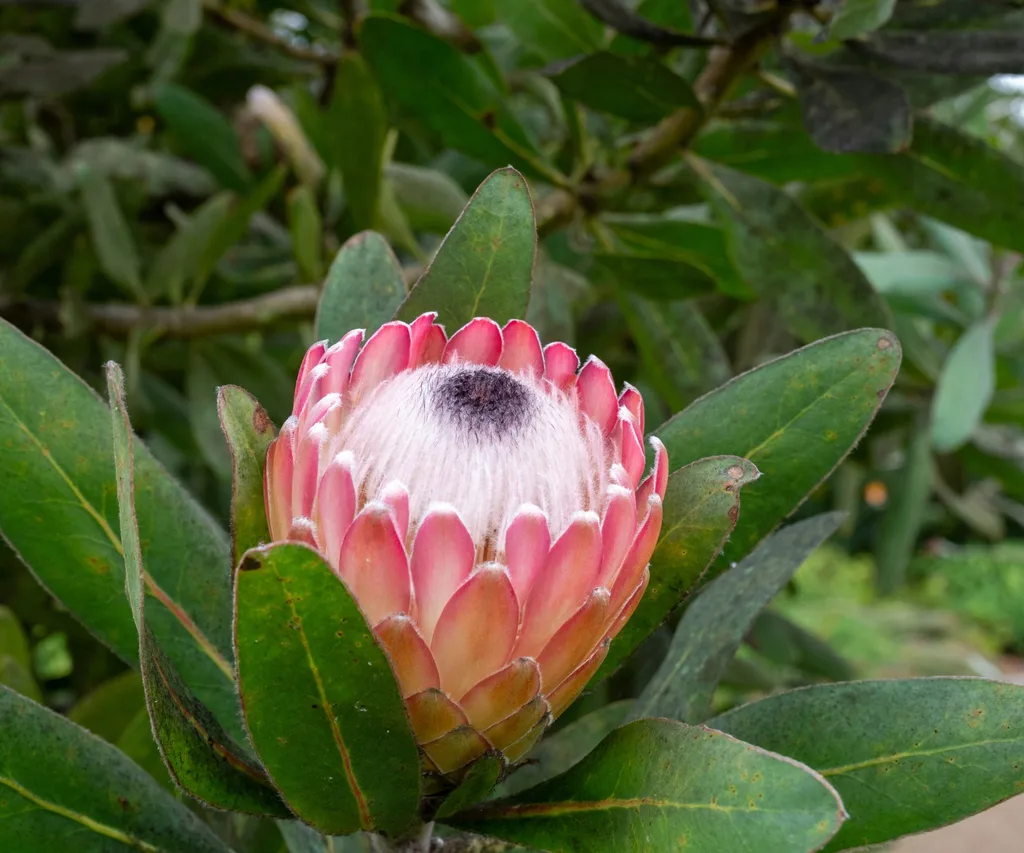
Protea ‘Susara’
It’s no secret that Charlie absolutely loves proteas.
Speaking about Susara, Charlie says, “It’s got fantastic glaucous foliage, and if you look at the bud, it looks absolutely spectacular, and it opens to a white flower.
“If you want to grow proteas and you’ve got heavy soil, my tip is to dig the hole really deep, fill the bottom with straight gravel, and plant it straight on top of that. That means it’s not going to get wet feet.”
Best for: gardens with good drainage.

Related stories
Native ad body.
Native ad body.


Native ad body.