
The world’s oldest pantry is sitting in our backyards, literally, and many of us are not aware of it. The lovely blue, beady berry of the flax lily, the sweet little pearls on the midjim bush, the intensely perfumed prostanthera bush, the tall, elegant ginger swaying in a breeze and the cherry-like berries of a lilly pilly hedge – as well as being highly ornamental, all of these plants are edible.
They’re just a few of the more than 6500 plants that were an integral part of our First Nations peoples’ diet for 60,000 years. Are they tricky to grow? Not at all – they’ve adapted to our nutrient-poor soils, harsh seasons and intrepid wildlife. After all, they’re natives and have been here for millennia. Here’s a list of the top bush foods to grow yourself, including an in-depth guide on how to grow and how you can use them in your cooking.
How to grow Aussie bush foods
Edible native plants can be grown in a variety of different conditions and national regions. Of course, it all depends on which type of native plant you wish to grow!
Clarence from social enterprise Bush to Bowl explains most natives ‘generally require less water and will survive in much harsher conditions than a non-native.’ This is because they are used to the harsher temperaments of the Australian landscape.
According to horticulturalist Narelle Happ from Sydney Wildflower Nursery, “Having a well-drained soil and making sure to mulch the plants helps retain moisture in our warmer weather. This also helps to prevent weeds, which can steal moisture and nutrients from your plants, compromising their growth.
The better the plants are established in the first six months of growing, the healthier your plants will be and will provide an abundant crop of leaves and berries.”
17 bush foods to grow in your own garden

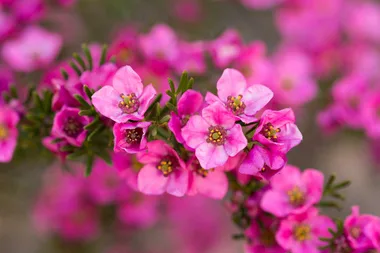
Geraldton wax
(Chamelaucium ‘Jambinu Zest’)
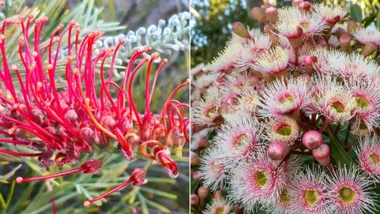
The needle-like leaves and waxy flowers of this cultivar have a similar flavour to lemon myrtle, adding a tangy sensation to sauces, cakes and drinks. The bush is smothered with tiny white flowers from winter to spring, bringing your winter garden alive. A native of Western Australia, it prefers a dry, Mediterranean climate, full sun and a sandy soil.

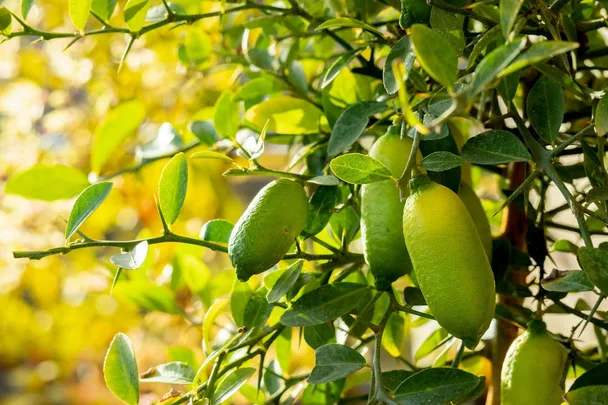
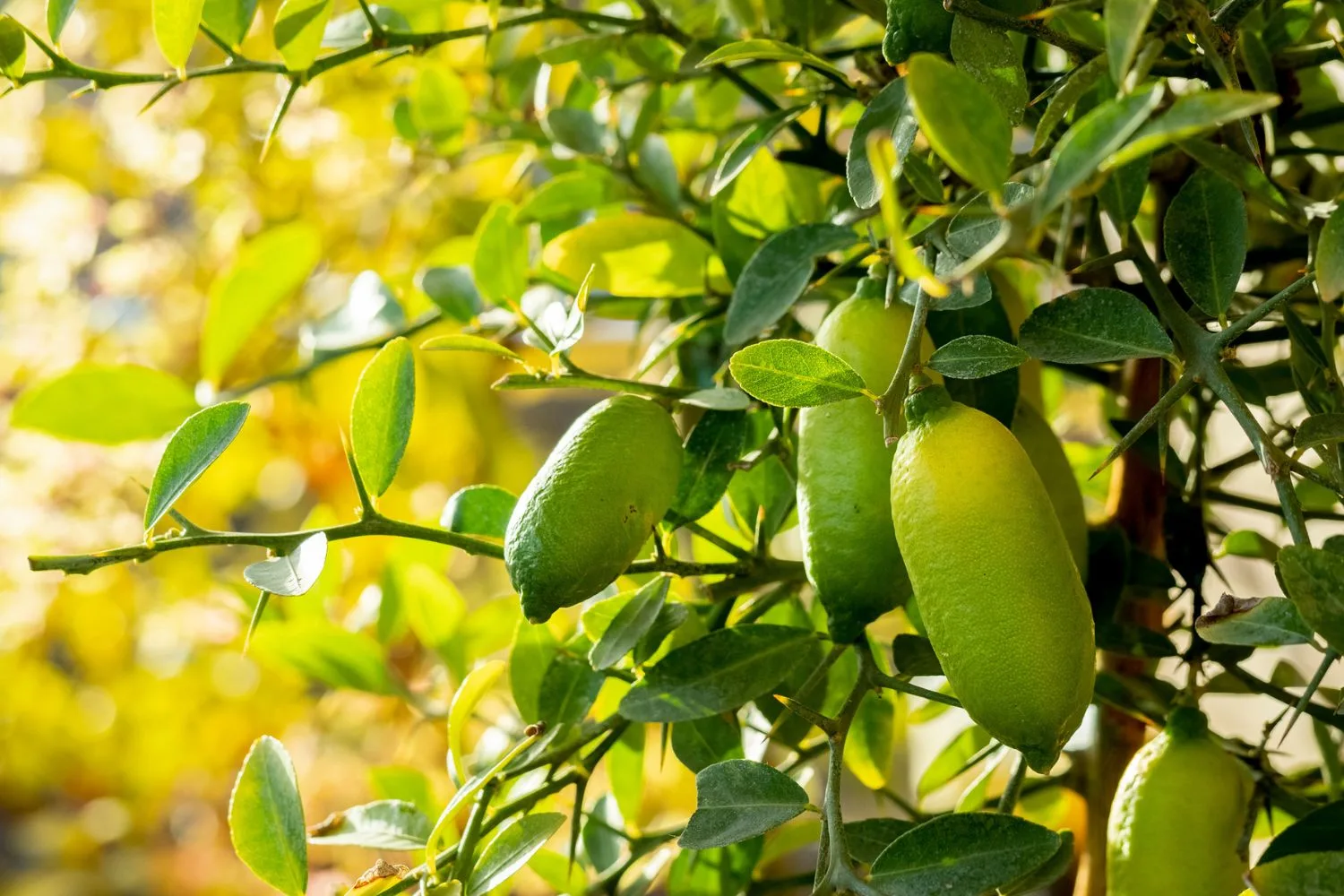
Finger lime
(Citrus australasica)
This is the caviar of bush tucker – break the fruit in half when they feel slightly soft and squeeze out the juicy, citrusy, pearly beads. Finger lime fruit varies in colour from yellow, green, pink or crimson and should be eaten only when ripe in autumn and winter. Pop the beads in drinks or add to a seafood dish. Grow in full sun or part shade as a specimen tree or a hedge. Its thorns will protect you against intruders so plant it under a window you like to keep slightly open.

Flax lily
(Dianella caerulea or D. revoluta)
Berries mature from delightful blue and yellow flowers in late summer and autumn. They are best eaten when dark purple. They taste like a mix between a grape, a blueberry and a pear, with a slightly nutty aftertaste, and are delicious spread on scones or toast as a jam or relish. Mass plant along borders or paths in well-drained soil and under full sun. Make sure to double-check that you have the right kind of flax lily because some are considered toxic and are not safe to consume (like Dianella tasmanica).

Karkalla or pigface
(Disphyma crassifolium)
Its pretty daisy-like flowers turn into warty-like fruit that contain a rich and sweet-tasting pulp when you squeeze them. You can also use the leaves to cook with game meat, or toss in a salad, a stir-fry or a seafood dish for a refreshing burst of flavour. It is very drought-tolerant, and you can grow it as a groundcover or on a slope where it stops erosion.

Lemon myrtle
(Backhousia citriodora)
Add the fresh, young leaves, with their intensely citrus fragrance, to hot water for a refreshing tea, or incorporate them in biscuits, marinades and syrups. A rainforest tree, it grows to 8m in the wild, but only about 3m in your garden. It has an elegant form so make it a garden highlight, especially in autumn when its fragrant, creamy flowers appear.

Lilly pilly
(Syzygium spp.)
This glossy, fast-growing shrub is now a favourite informal hedge because of its dense foliage and sparkling pink or white spring flowers. Then in autumn, the deep crimson or soft pink berries emerge. The taste is tart, a bit like cranberry, and ideal for making into jams, chutneys or cordials. Harvest when the fruit is glossy and full coloured. Grow in full sun or partial shade. As a hedge, it’s a brilliant wildlife corridor.

Macadamia nuts
(Macadamia integrifolia)
The nuts are creamy, buttery in texture and rich in flavour. The tree grows best in tropical or subtropical areas and can get quite large – up to 20m high and 10m wide – although dwarf varieties get to about 3m. It’s an elegant, evergreen tree that produces beautiful, fragrant white-to-pink flower racemes in spring that turn into those delicious nuts that are enclosed in a thick shell from autumn to spring.

Midyim berry
(Austromyrtus dulcis)
Early autumn is when these tiny white, purple-speckled berries emerge on this small shrub. You need to be quick or the birds will take advantage. The sweet, slightly tangy flavour makes them so addictive you can eat the whole harvest in one go. This plant can grow in full sun or part shade and is ideal for coastal gardens.

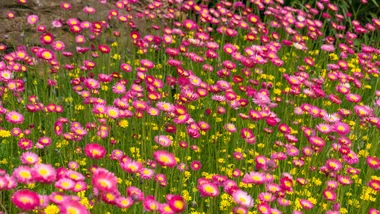
Murnong yam daisy
(Microseris lanceolata)
Once a staple food across south-eastern Australia, the tuberous roots can be eaten raw or roasted. With a slightly sweet, nutty flavour, they can even be used as a dessert. You can also add the leaves to salads. The tubers start forming in late summer and autumn underneath the pretty daisy-like flowers and they’re ripe for pulling up in spring. Plant in full sun in drifts to create a wild meadow effect.

Bush basil
(Plectranthus graveolens)
Although it’s a type of mint, this plant’s aroma is more reminiscent of basil, so it enhances any tomato-based meal – imagine it scattered on top of a pizza. A low-growing shrub, it produces broad, fuzzy leaves throughout the year, and clusters of tiny purple or blue flowers arrive in summer. Grow in full sun or part shade, or in a pot on a balcony.

Native leek
(Bulbine bulbosa)
When the leaves of this pretty perennial die back in mid-summer, it’s time to dig up the edible corms and roast them for a sweet treat. Once flowering has finished in early autumn, the seeds can also be lightly roasted to add a nutty, anise flavour to salads and vegetables. Or let them germinate for more food next season. They grow naturally in dry forests, woodlands and grasslands, but also make an impression along a border or in a cottage garden.

Native oregano
(Prostanthera rotundifolia)
Tiny leaves, tiny flowers, but there’s no ignoring it when it’s in bloom – the visual effect and perfume are overwhelming. While less sweet than the Mediterranean oregano, it’s twice as intense so you only need half the amount of leaves. Add to salads, sauces and meat dishes or make a cup of tea. Grow in a temperate climate in a slightly shaded spot. It looks stunning in a cottage garden when the flowers come out in spring.

Old man saltbush
(Atriplex nummularia)
The glowing, grey leaves can be blanched, sautéed, tossed into salads or dried to be crumpled and sprinkled on food for a salty flavour. The plant is drought-tolerant, thrives in coastal areas and likes full sun or part shade. Growing up to 3m tall, you can regularly trim it to keep it compact. The foliage adds a shimmer to any garden.

Red back ginger
(Alpinia caerulea)
Ideal for growing in a shady spot, this is a multi-purpose food plant. The bright-blue, grape-like autumn berries have a tangy, ginger flavour, the leaves are used to wrap fish and chicken for steaming and give the meat a subtle ginger taste, while the tubers give an earthy ginger flavour to curries and desserts. Highly ornamental in any shady garden, it likes its soil to be constantly moist.

River mint
(Mentha australis)
Found naturally around rivers, bogs and other damp, shaded places, this has a soft, refreshing mint taste with a eucalyptus edge. Pop it in teas, salads and sauces for a minty kick. You can use the leaves fresh or chop them up for drying, although the fragrance and flavour will eventually fade. Plant in moist soil in part shade, but it’s best grown in containers as it can spread wildly.

Rosella
(Hibiscus sabdariffa)
This produces the most fabulous calyxes – these are fused or separate sepals – that are focus pullers in any garden. After flowering has finished, pluck them off to use as a tart-sweet flavour in salads, jams and jellies, sauces, cordials and teas. If you want, roast the seeds and grind them into flour to include in damper for flavoursome bread. It’s a tropical plant, so won’t survive frosts.

Warrigal greens
(Tetragonia tetragonioides)
This is Australia’s answer to spinach. It’s a hardy, sprawling vegetable that can be eaten raw, pulverised into a delicious pesto with macadamia nuts, sautéed or thrown into stir-fries. It grows in sun or part shade and thrives in coastal gardens, where it helps hold sandy soil together. Let it spill over raised beds so it imitates a green waterfall.
Full list of edible Australian natives
- Flax lily (Dianella caerulea or D. revoluta)
- Pigface or karkalla (Carpobrotus rossii)
- Finger lime (Citrus australasica)
- Midyim berry (Austromyrtus dulcis)
- Queensland Davidson’s plum (Davidsonia pruriens)
- Illawarra plum (Podocarpus elatus)
- Red back ginger (Alpinia caerulea)
- Macadamia (Macadamia integrifolia)
- Old man saltbush (Atriplex nummularia)
- Geraldton wax (Chamelaucium uncinatum)
- Warrigal greens (Tetragonia tetragonioides)
- Mint bush (Prostanthera)
- Bush basil (Plectranthus graveolens)
- Native oregano (Prostanthera rotundifolia)
- Native leek (Bulbine bulbosa)
- Rosella (Hibiscus sabdariffa)
- Red back ginger (Alpinia caerulea)
- Lemon myrtle (Backhousia citriodora)
- Native lemon grass (Cymbopogon ambiguus)
- Bush tomato (Solanum centrale)
- River mint (Mentha australis)
- Murnong yam daisy (Microseris lanceolata)
- Aniseed myrtle (Syzygium anisatum)
- Mountain pepper or pepperberry (Tasmannia lanceolata)
- Wattleseed (Acacia victoriae)
- Native tamarind (Diploglottis australis)
- Lilly pilly (Syzygium smithii)
- Native cranberry (Astroloma humifusum)
- Native fig (Ficus platypoda)
- Kakadu plum (Terminalia ferdinandiana)
Planting edible native plants in pots
If you have limited space in your garden, or only a balcony or front yard to grow your plants in, then these plants are the best option for you:
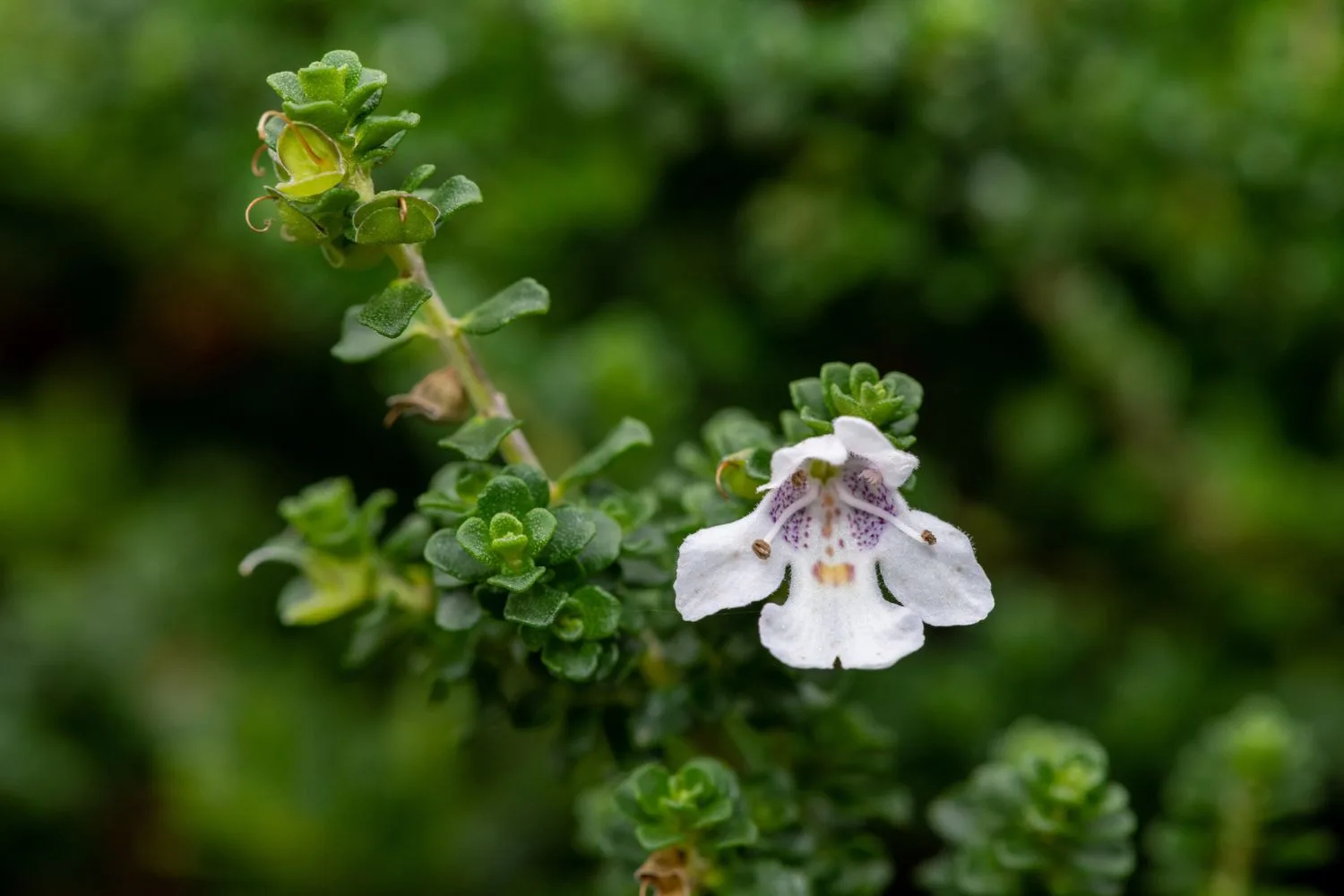
- Native thyme (Prostanthera incisa)
- Old man saltbush (Atriplex nummularia)
- Warrigal greens (Tetragonia tetragonioides)
- Muntries (Kunzea pomifera)
Narelle also tells us the best way to grow lemon myrtle in a pot: “It’s popular to grow in a pot as it is a large tree and pots allow a lemon myrtle plant to grow smaller or ‘dwarf their size’. They would need to be grown in a pot at least 40mm in diameter. If using terracotta, ensure they are sealed to prevent moisture loss. Never rest your plants in a saucer of water.”
When planting edible natives in pots, Narelle recommends using a premium quality Native Mix soil and to ensure that mulch is added to the top of the pot. This will prevent the soil from becoming hydrophobic.
“Your potting mix should be topped up and replaced every 18 months. They should also be fed with native fertiliser as required.”
Identifying bush foods
Finally, if growing native edible Australian plants is not on the cards, there are ways to identify bush foods out in the wild. This can be done through bush tucker walks, native garden workshops or by joining local bushwalking groups that specialise in plant identification.
It is strongly recommended that you consult with local nurseries, experts and First Nations people before trying any wild bush food. This is because some natives may not be edible and could possibly cause health problems if ingested.


Related stories

How to keep your summer lawn pristine
Native ad body.
Native ad body.

Native ad body.