
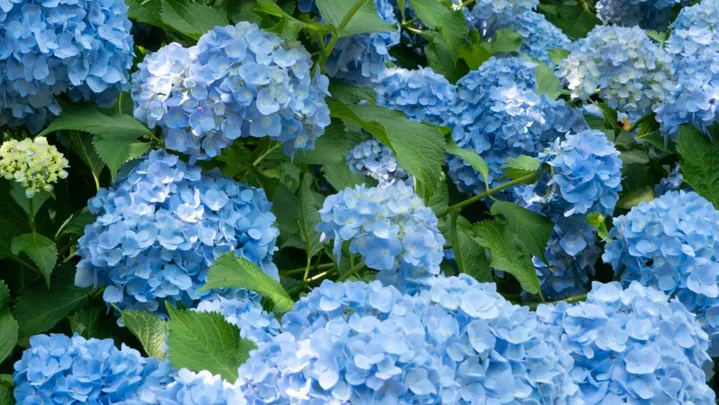
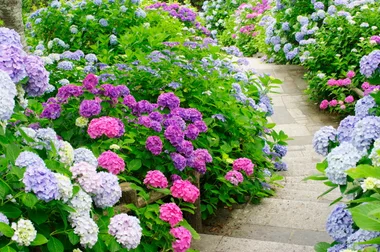
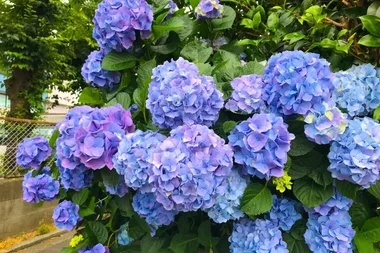
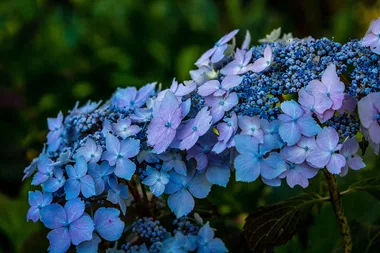
Hydrangeas are one of the most beloved plants in the Aussie backyard. But let’s face it, they’re delicate and sensitive to the Australian climate. Finding that perfect amount of sun and dappled shade is tricky in a hot garden. And if you’re at the tropical end of the country, hydrangeas become even more high-maintenance.
If you want the beautiful blooms from a hydrangea, without all the hard work, why not switch to a native alternative? Similar in appearance, but not in level of care, some natives have pink, blue and white blossoming balls of flowers. Here are a few key details about replacing your hydrangeas, and beautiful native options to consider instead.
KEY TAKEAWAYS
- Hydrangeas are suited to some Australian climates and hot temperatures, and can be more difficult to grow in tropical areas.
- Replacing hydrangeas with natives helps promote local biodiversity.
- Pimelea is the best native alternative for hydrangeas, as they have similar flower heads and a lower level of maintenance.
- Removing a hydrangea isn’t difficult but may require extra effort – there’s a large root ball to uncover under the soil.
Why replace hydrangeas in the garden?
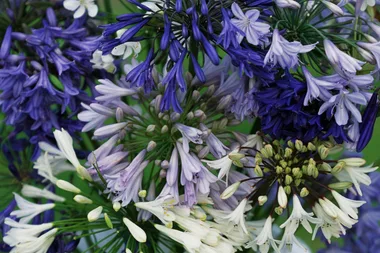
There’s no specific need to replace hydrangeas in the garden – they don’t spread and act weedy like agapanthus – but many find it difficult to grow these delicate flowers. Hydrangeas are usually found in English cottage gardens, and add a beautiful whimsy, but they tend to be unsuitable for many parts of Australia. Since hydrangeas are not suited to our some parts of our climate, replacing them with similar-looking native plants that thrive in the Aussie climate is a win-win.
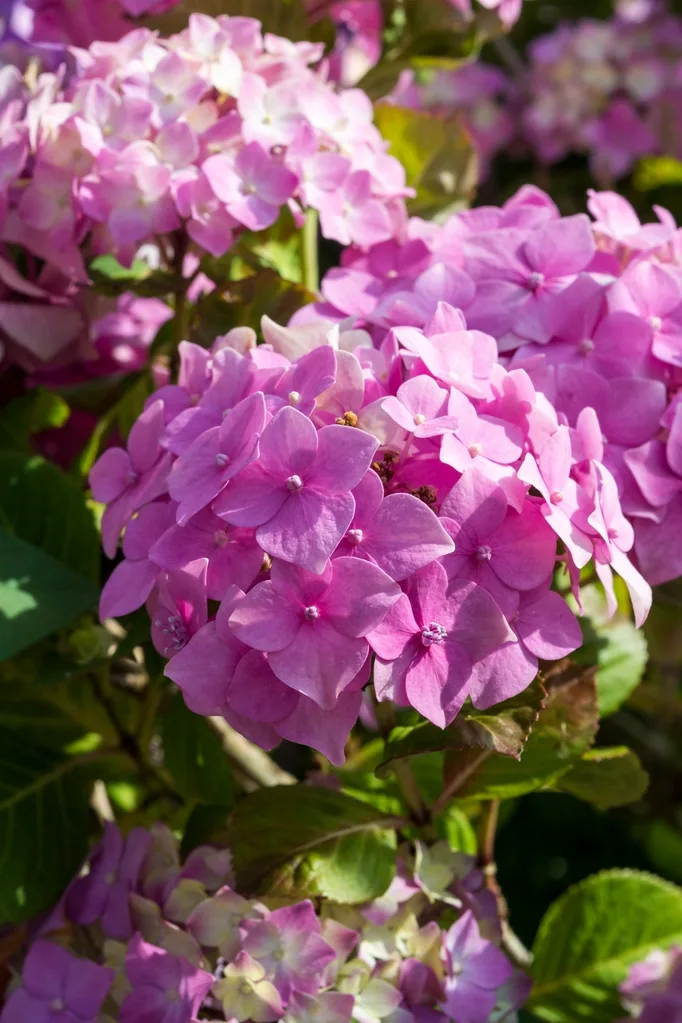
Another reason to replace hydrangeas with native alternatives is to promote local biodiversity. While hydrangeas are as pretty as can be, they don’t attract the local bugs, bees and birds that our ecosystem relies on. Native and endemic plants are the perfect option for lizards to live in, native bees to pollinate, and birds to live off.
The best native alternative to hydrangeas
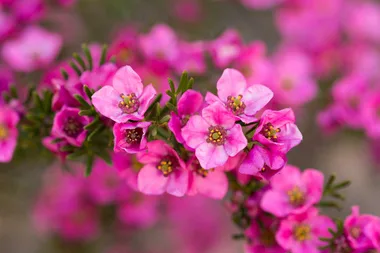
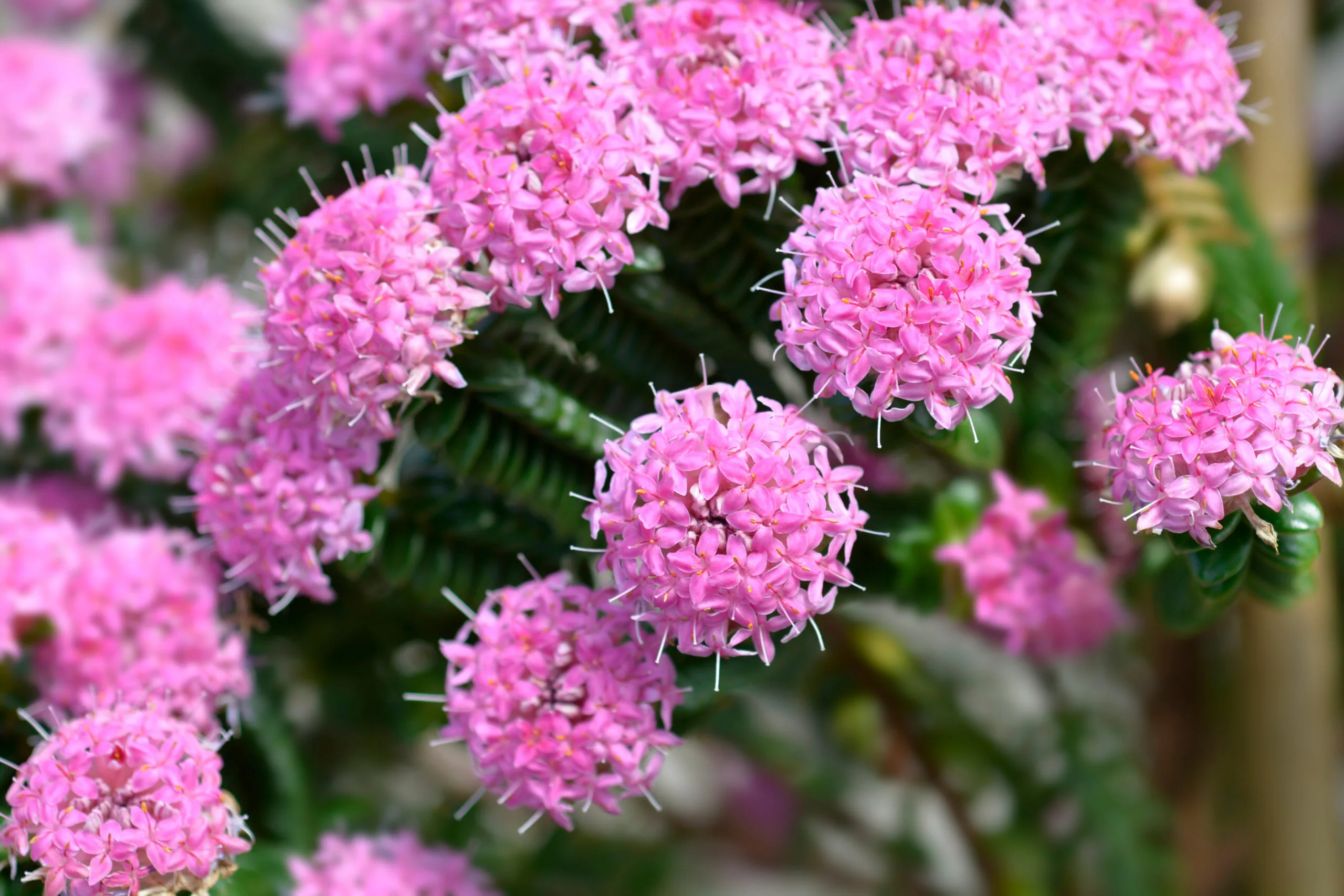
Our garden editor, Jenny Dillon, knows exactly which plant is the best native alternative to hydrangeas. Pimelea spp., commonly known as rice flower, is a small shrub that has a very similar appearance to mop-head hydrangeas. Rice flower can sit in a small garden in full sun all day without any problem.
Jenny describes Pimelea as a dazzling display of pompom flower heads, in white, yellow, pink or rich red colours. These smaller flower heads bloom in spring and look especially brilliant when planted en masse. There are over 150 varieties to choose from, with new cultivars to suit every Aussie climate as well.
Pimelea fast facts
Climate: Tropical, subtropical, temperate, Mediterranean, cool.
Aspect: Full sun, part shade
Soil: Sandy, well-drained.
Water: Drought-tolerant when established.
Food: Low-phosphorus fertiliser in spring.
Frost-tolerant: Light frosts only.
Pruning: Trim after flowering to maintain shape.
Size: 1–1.2m high x 1m wide.
Other native alternatives to hydrangeas
If pimelea isn’t your jam, two other native plants are similar in shape and looks to a hydrangea.
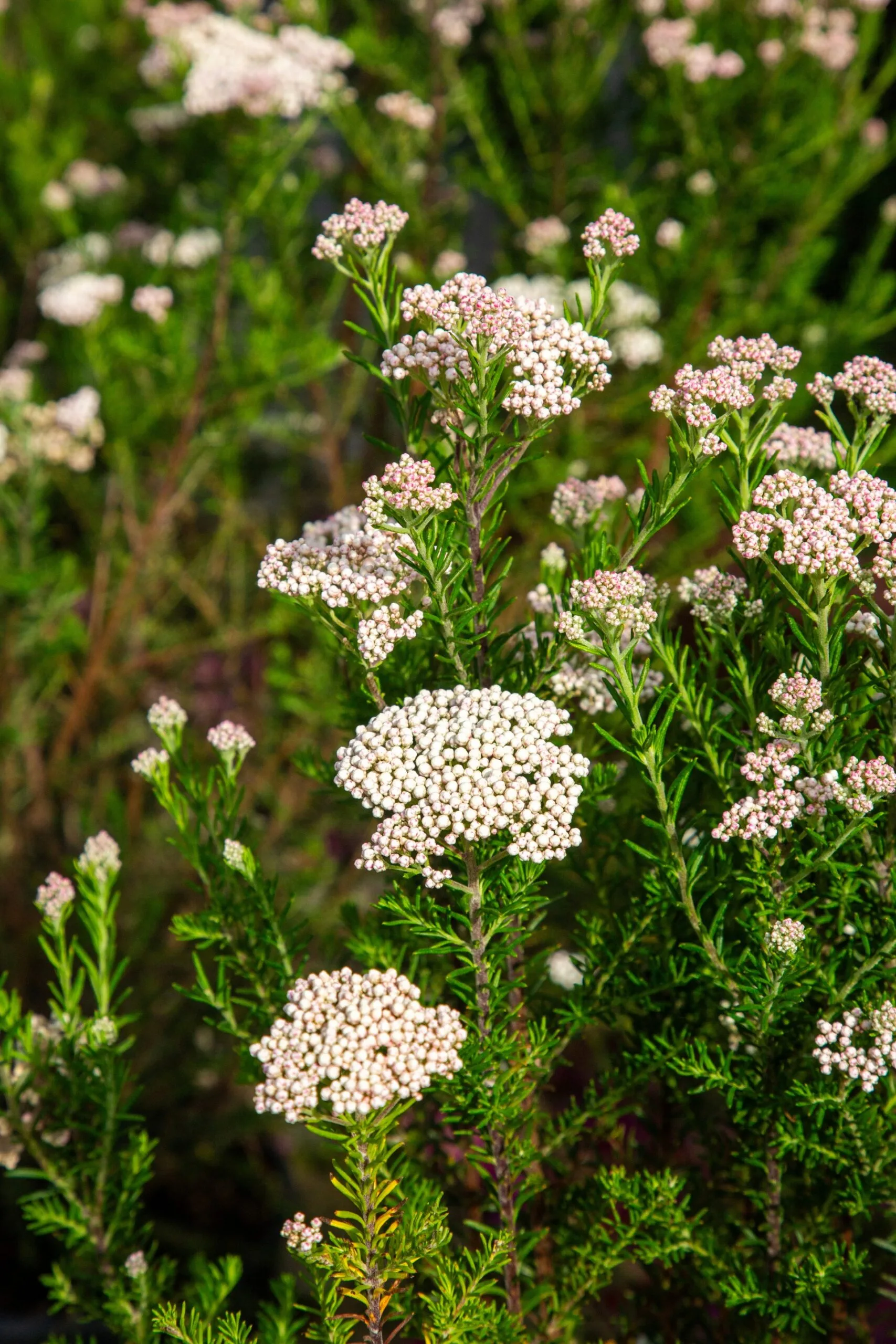
Rice flower (Ozothamnus)
Ozothamnus, another plant known as rice flower, has cute flower heads filled with white flowers. There are quite a few varieties of this rice flower, with varying shapes and sizes. Most of them will have white flowers, but some range from light to dark pink.
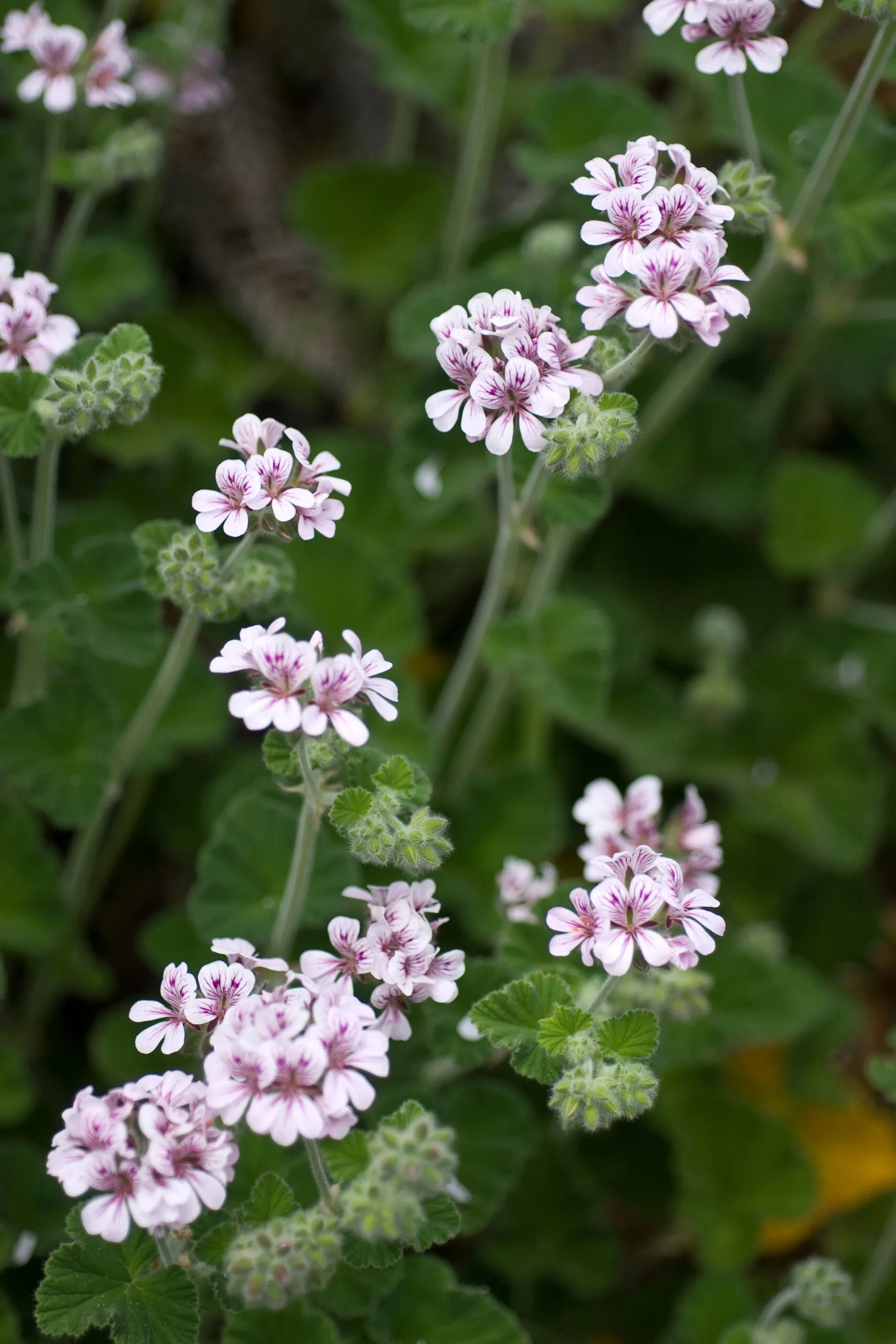
Wild geranium (Perlargonium australe)
Wild geranium is the perfect native substitute for common geranium, but could also be used to replace hydrangeas. They have small, clustered flower heads, ranging from white to pink with deep red streaks. This shrub only grows to 0.5m in height, but is a fantastic pop of colour in the garden.
Tips for removing your hydrangea bush
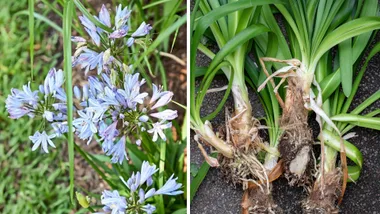
Hydrangeas are not too difficult to remove, but may require some digging. Here are our top tips for getting the job done:
- Prune before pulling out. Cut back as much of the plant as you can before trying to dig up the root ball.
- Dig a trench. Use a sharp shovel to dig around the plant, about 30-60cm away from the base, depending on the size of the bush. This is because the root ball will be expansive.
- Clear the soil. After pulling out the root ball, make sure to clear the area of any stray roots, so resprouting doesn’t occur.


Related stories
How to keep your summer lawn pristine
Native ad body.
Native ad body.
Native ad body.