
If you’ve ever planted something and wished you hadn’t, you’re not alone.
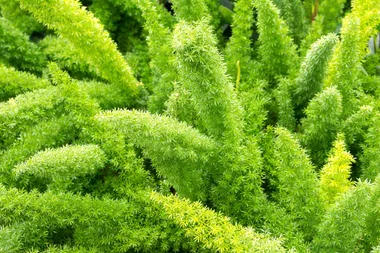
With more plants being declared invasive in Australia—including some lavenders in Victoria and WA, and Spanish moss—planting something without knowing how it spreads is an easy mistake to make.
Invasive plants in Australia
To help others avoid making the same mistakes, we asked the BHG audience which plants they wish they’d never put in the ground, and the stories came flooding in. From yuccas breaking through retaining walls to bamboo popping up years after you thought it was gone, the regrets were all too familiar.
The main theme? Aggressive roots, endless self-seeding, and growth habits no one really warns you about until it’s too late.
Here’s the list of plants people wish they’d never planted.
10 plants people regret planting in their backyard

Yucca
Yucca tops the regret list by a mile, and honestly, it’s not hard to see why. Sure, it’s drought-tolerant and low-maintenance, but those roots are next-level invasive and nearly impossible to get rid of.
“Definitely Yucca,” shared one gardener. “You cut the top off, and they come back swinging, looking like a land octopus.” Another added, “Yucca was planted by the landscape gardener. It moved a retaining wall. Still trying to get the roots out.”

Agapanthus
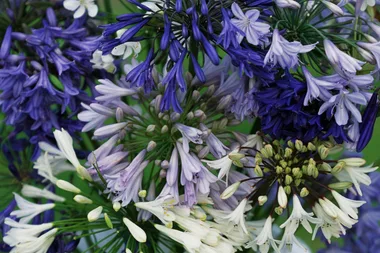
Agapanthus may look harmless with its purple flowers, but it’s considered invasive in parts of Australia. Once you’ve planted them, good luck getting rid of them. They form dense clumps that choke out other plants and are a nightmare to dig up.
If you do need to get rid of agapanthus, this is the best no-dig method.

Bamboo
Bamboo promises instant privacy, but once you plant it, it’s hard to get rid of. Without proper containment, it spreads underground and keeps coming back.
In saying that, Clumping bamboo varieties shouldn’t spread in the same way as running bamboo because the rhizomes grow out from a single culm or “clump”.

Bird of Paradise (Strelitzia)
Bird of paradise looks fantastic in the garden, but if the conditions are right, it’ll take over before you know it. It spreads fast, develops a dense root system, and needs constant maintenance just to keep it in check.
One gardener wrote: “Five plants spread across 30 metres and there’s no going back.”

Palms (Golden cane, Alexander and others)
If you want a tropical vibe, palms seem like an easy win. The catch? Once they’re in, their dense roots make it almost impossible for anything else to grow nearby.
Echoing this issue, one person wrote: “Nothing will grow near palms because of the dense roots.”

Ivy
Ivy climbs, spreads, and strangles just about everything: trees, fences, and even the neighbour’s place. Once it’s in, you’re stuck with it.

Passionfruit (especially grafted varieties)
Passionfruit grows easily, but its shoots can quickly take over your entire yard if you’re not careful. Rootstock suckers can emerge far from where you first planted it.
“Twelve years and still pulling out suckers,” said one person. Another person wrote: “Grafted passion fruit is a nightmare.”

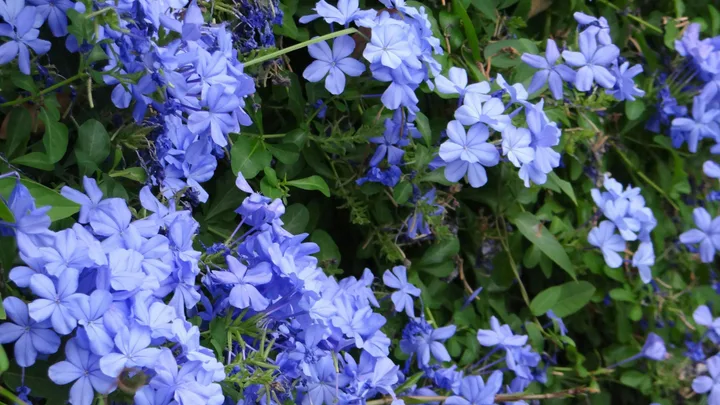
Plumbago
If you see your neighbours planting plumbago, you may as well ask them for a cutting, because it won’t be long before it turns up in your garden anyway. While the blue flowers are nice to look at, Plumbago spreads underground and often reappears in neighbouring yards years later.
“We got rid of it, but it sent shoots under the fence to the neighbours’ gardens,” one person shared, adding, “10 years later it’s now shooting back to ours and invading the jasmine on the back fence.”

Wisteria
Wisteria is gorgeous and smells incredible, but it’s also a real troublemaker. The vines thicken over time, strangle posts, lift concrete, and keep reshooting long after you think you’ve removed them.
“It was beautiful and a delightful perfume, but what a curse it turned out to be,” shared another commenter.
If you still want to grow wisteria, here’s how to stop the roots from spreading.

Jasmine
Jasmine smells amazing, but it spreads like wildfire. Gardeners say it can end up under the house, in the gutters, and up the trees, making it nearly impossible to get rid of completely.
“It’s even under the house and way up in the gutters,” said a BHG community member.
Why these plants go wrong (it’s not your fault)
A lot of the plants Aussies regret aren’t actually bad; they’re just in the wrong spot, or sold with the wrong promises.
Horticulturists say the biggest issues come down to three things:
1. Underground spread you can’t see
Plants such as bamboo, yucca, agapanthus, and passionfruit spread underground via rhizomes or tough roots. Even if you pull out the main plant, new shoots can pop up metres away, sometimes years down the track.
2. “Low-maintenance” doesn’t mean low-growth
Drought-tolerant plants can grow like crazy when the conditions are right. Give them some rain, fertiliser, or rich soil, and suddenly they’re outgrowing their space and turning into a high-maintenance headache.
3. Self-seeding surprises
Plants such as forget-me-nots, alyssum, rocket, and sweet peas produce large volumes of seed. Once they escape garden beds, they can spread into lawns, paving cracks and neighbouring properties.
What to do instead:
- Check the mature size — not the pot size
- Ask how it spreads (roots, runners, seed, suckers)
- Use barriers or pots for known spreaders
- Avoid planting aggressive species near fences, plumbing or concrete

Related stories

Native ad body.
Native ad body.

How to keep your summer lawn pristine
Native ad body.