

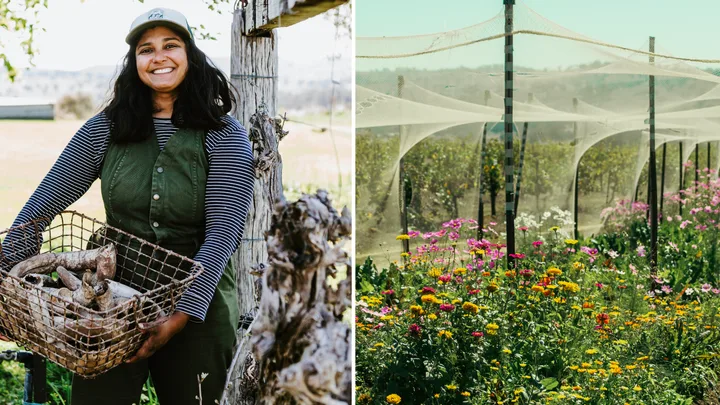
 (Photography: Amber Hooper)
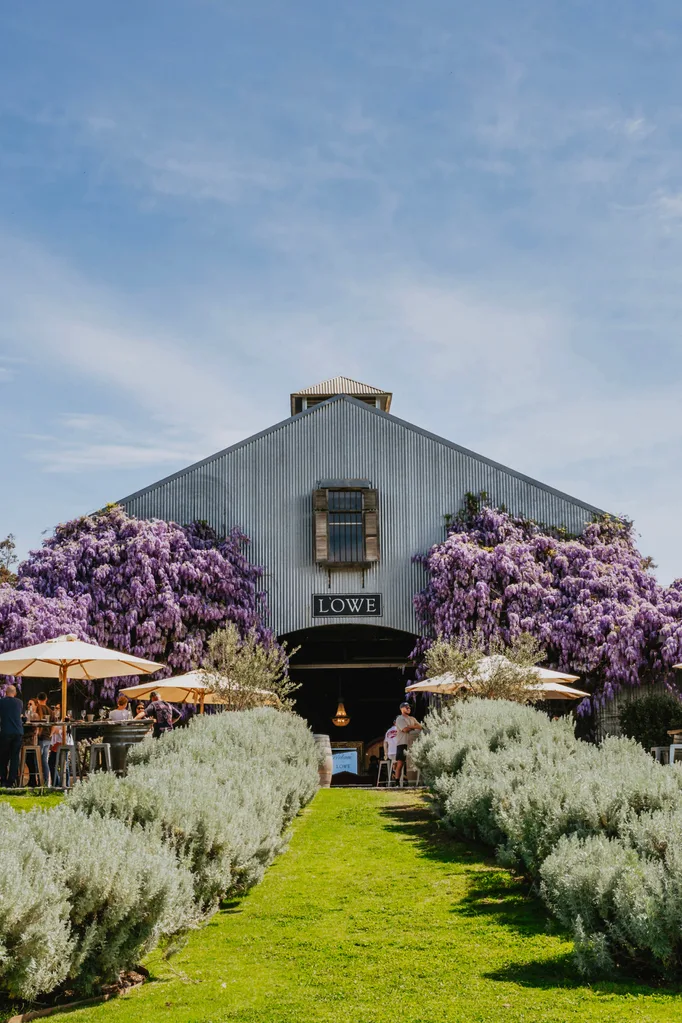
Cosmic farming is a unique approach of farming. It channels natural, or cosmic, energies with the aim to improve soil fertility and crop yields. Lowe Family Wine Co. in Mudgee, NSW, follows a calendar called the biodynamic Antipodean Astro Calendar, which tracks the movement of the moon and constellations.
BHG editor Megan Osborne visited the vineyard and spoke to Lowe Family Wine Co.’s biodynamic viticulturist, Kesh Mudaly, to understand how cosmic farming works and its benefits.
What is cosmic farming?
“Cosmic farming,” as Kesh coins it, “is all about energy and harnessing forces around us that are unseen to the naked eye.”
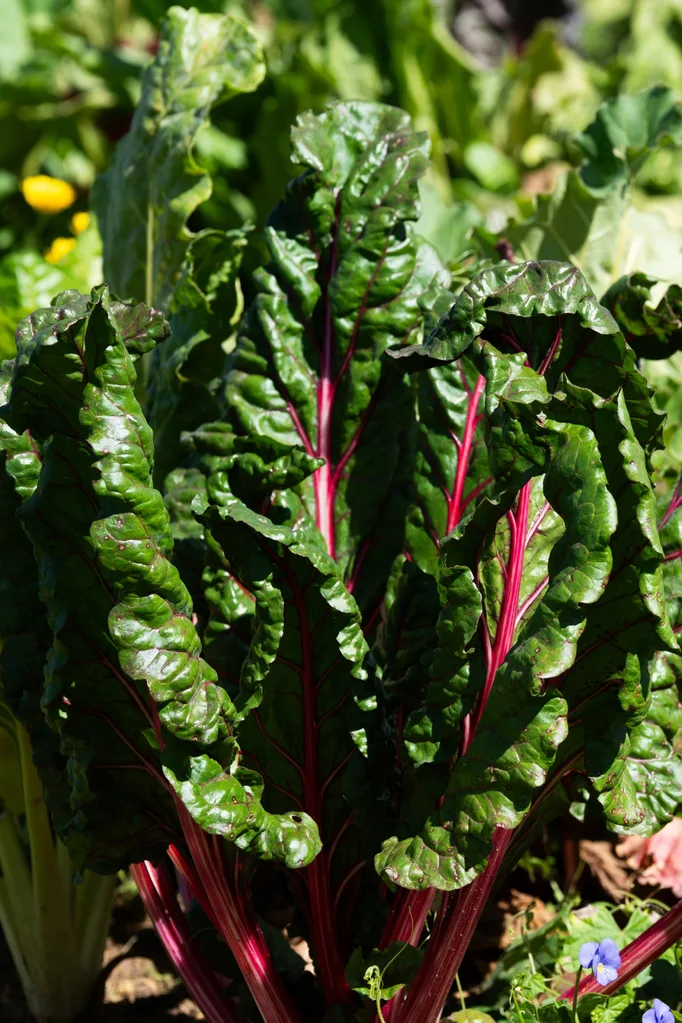
“So, for example, the moon is passing through Taurus – that is an earth sign. Earth signs are connected to the root systems of plants and root vegetables. If you’re going through Pisces, or a water sign, that’s connected to the water parts of the plant, so the leaf. In the biodynamic calendar, any day is either a leaf day, a fruit day, a flower day or a root day.”


How does cosmic farming work?
The moon rises for 14 days of the month, then descends for 14 days, and that corresponds with different actions the team takes in the garden.
In the descending phase, growth forces are focused below ground, so they make compost, prune, and plant out seedlings. When the moon rises, they seed and apply foliar sprays.
The pruning schedule starts after the winter solstice (in the descending moon period). “After harvest and as the vines prepare for dormancy, sap descends into the lower parts of the plant. The solstice marks the turning point – the change in direction of the sap flow, and sap starts to rise once again to the upper parts of the plant in preparation for bud burst,” says Kesh.
She talks about how the Earth “breathes in” in autumn and winter, and “breathes out” in spring and summer. “We work with earthly rhythms, diurnal rhythms and celestial rhythms.”
Kesh reveals her favourite crops
Asked about her favourite crops, Kesh laughs and says that obviously grapes are her favourite, being a viticulturist. She mentions people are drinking more white wine now, so recently she’s been busy planting varieties such as Falanghina Beneventano, Greco di Tufo, Malvasia Istriana, Garganega, Pecorino and Vermentino. (Her hot tip? The 2027 vintage looks especially good for the Vermentino and Falanghina.)
Right now, she’s focused on making sure those vineyards are really healthy and happy. The team is focused on producing more compost – “You can never have too much compost,” Kesh says – including using manure from their 40-strong herd of cattle. They’ll pack manure into old cow horns, bury them over autumn and winter, and unearth them in spring as Preparation 500, a potent humus-like soil enhancer (also called horn manure) that enlivens the soil and strengthens the relationship between soil and plant.
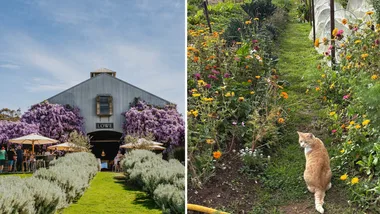
As Marmalade wanders off down the garden path, I ask Kesh what’s the biggest lesson she’s learned at the farm. She tells me that every season is different.
“What worked one year may not necessarily work the next. You have to respond to what the season is telling you and what is happening out there in real time. And nothing is a failure. Everything is an opportunity for learning.
“So, you just keep trying and get better each year and build more diversity into your system.”
Read more about the Lowe Family Wine Co. and their food forest here.

