
If you’ve dismissed peonies as old-fashioned flowers that are difficult to grow and disappear almost as quickly as they arrive, it might be time to take another look. Once considered high-maintenance garden divas, peonies are enjoying a resurgence thanks to their enormous, fragrant blooms, impressive longevity and timeless beauty. In fact, The Global Market Report Analytics predicts a compound annual growth rate in demand of 5 to 7 per cent from 2025 to 2033.
Often referred to as the “King of Flowers” for their revered status in cultures worldwide, these spring showstoppers are proving they’re far more than a passing trend. Here are six of our favourite peonies.
KEY TAKEAWAYS
- Peonies are prized for their large, fragrant blooms and can live for more than 100 years once established.
- Herbaceous, tree and Itoh peonies each have different growth habits, flowering periods and care requirements.
- Peonies thrive in cool climates with cold winters and prefer full sun and well-drained soil.
- Patience pays off: peonies can take two to three years to flower, but reward gardeners with spectacular spring displays.
What are peonies
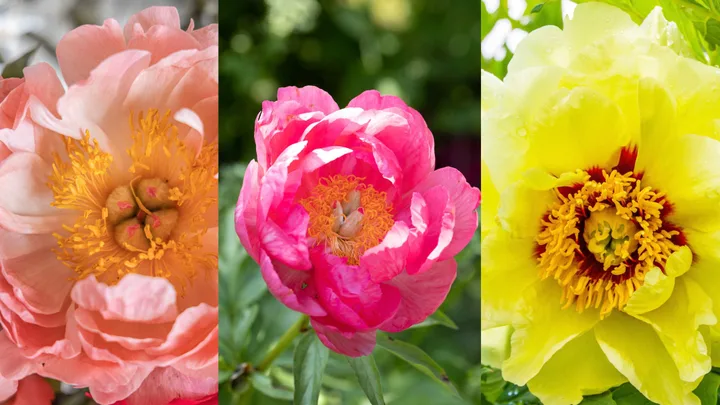
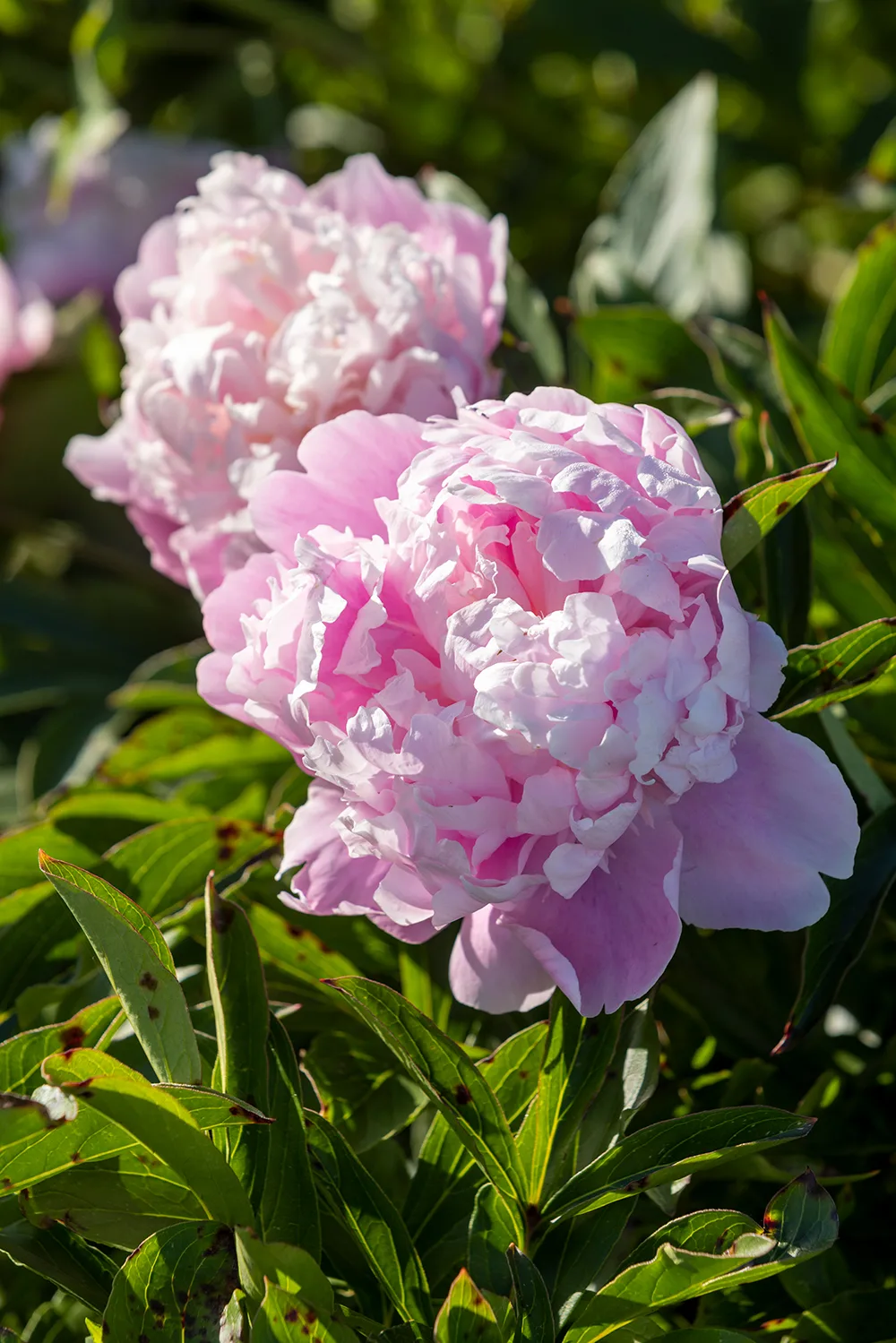
Peonies are prized for their large, fragrant blooms and brief spring display. Starting as tight, golf ball-sized buds in October, they unfurl into ruffled flowers in shades of cream, coral and deep plum. Varieties like ‘Coral Charm’ are especially striking, opening coral before fading through peach to soft yellow. Some blooms reach 25cm across, but their spectacular flowering season lasts just six to eight weeks.
Types of peonies
Growing peonies requires patience. They often take two to three years to settle in before producing their signature large, fragrant blooms.
Herbaceous peony
Herbaceous peonies are sold as bare-root rhizomes with a few buds, or ‘eyes’, and are best planted in autumn. Dig a shallow hole no more than 5cm deep and firm the base. Position rhizomes with buds facing upward, backfill and lightly firm soil, then water thoroughly. Plant at least 60cm apart – they like a little space between plants.
This perennial is slow-growing but eventually forms a substantial bush about 90cm high and 50cm wide. The stems retreat in winter.
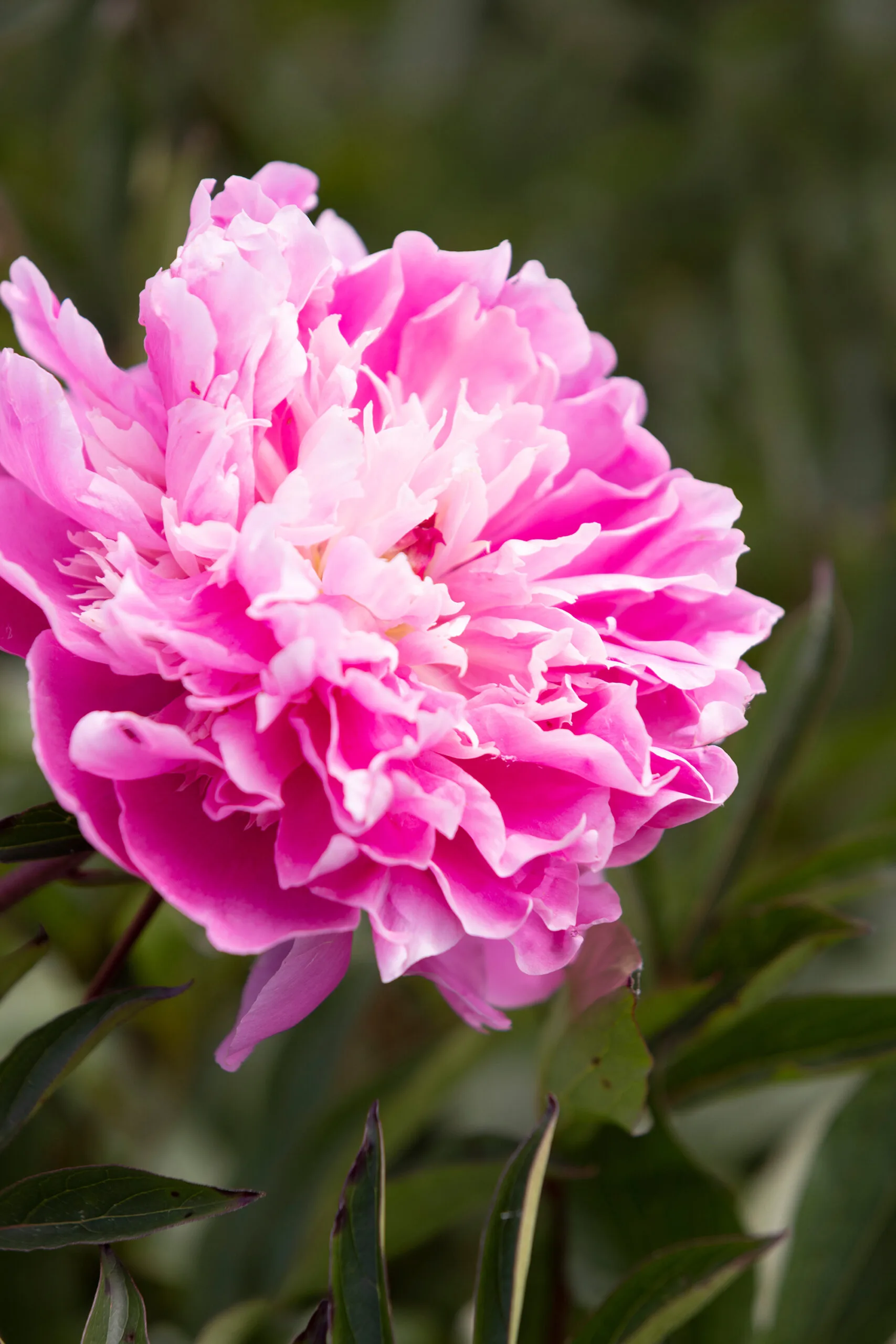
Tree peony
Tree peonies are sold in pots. Dig a hole twice as wide as the pot and a little deeper. Remove the plant from the pot, gently tease out the roots and position it in the hole. Backfill and water thoroughly.
Despite its name, a tree peony is more of a shrub than a tree, forming multiple woody stems. The tree peony grows to more than 2m and has a big visual impact. Plant as a specimen in your garden to give it room to spread and let its blooms shine without competition
As herbaceous peonies grow, use a three-legged metal wire frame to help support the stems. You can find them at your local garden centre. Don’t be surprised if there are few or no flowers in the first year – the plant is still developing and will flower once it grows into a healthy bush. In late autumn, let foliage die back naturally before pruning. When the bush flowers, cut long stems for indoor display or deadhead regularly as flowers fade to encourage more blooms.
Tree peonies only need pruning to remove dead or broken branches; prune only as the growing season starts. Apply a generous dose of dolomite lime to the soil every three years and water in well.
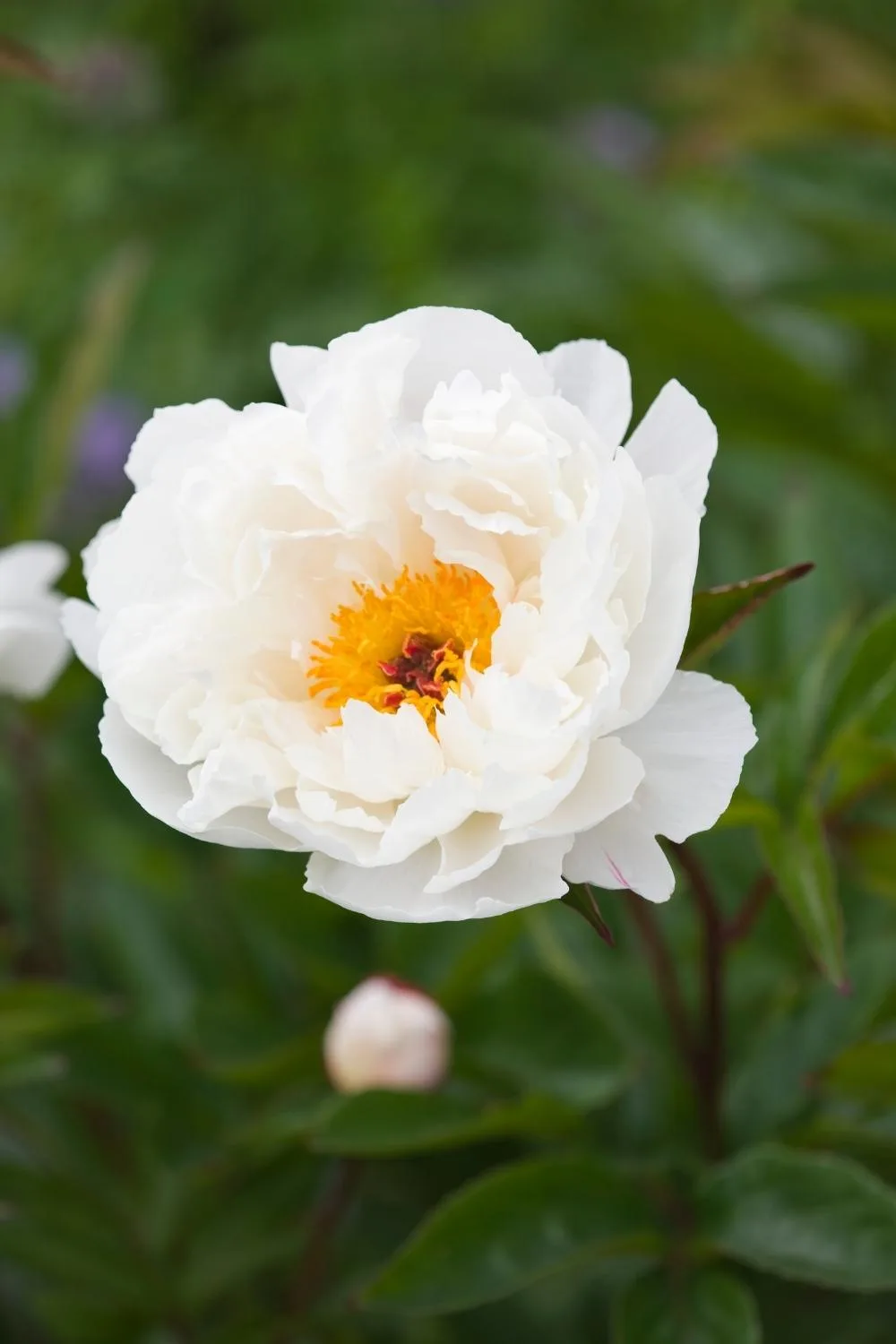
Itoh peony
A hybrid of herbaceous and tree peonies, Itoh peonies combine the best qualities of both and bloom over a longer period.
Herbaceous vs tree peony
Herbaceous peonies, also known as Chinese peonies (Paeonia lactiflora), are the most commonly grown. They grow from rhizomes, which form a bush about 1m high and flower from late spring into summer, before dying down in autumn.
Tree peonies (Paeonia suffruticosa) are shrubby, deciduous plants with woody stems that remain above ground year-round. Most varieties reach 1 to 1.5m tall, although larger cultivars can eventually grow to 2m or more. Slow-growing but long-lived, they can take up to 10 years to reach their full size and, unlike herbaceous peonies, do not die back in winter. Both types of peonies prefer cool to cold climates.
Types of blooms
Singles
Simple and elegant, this bloom features a single row of petals surrounding a rich circle of stamens.
Doubles
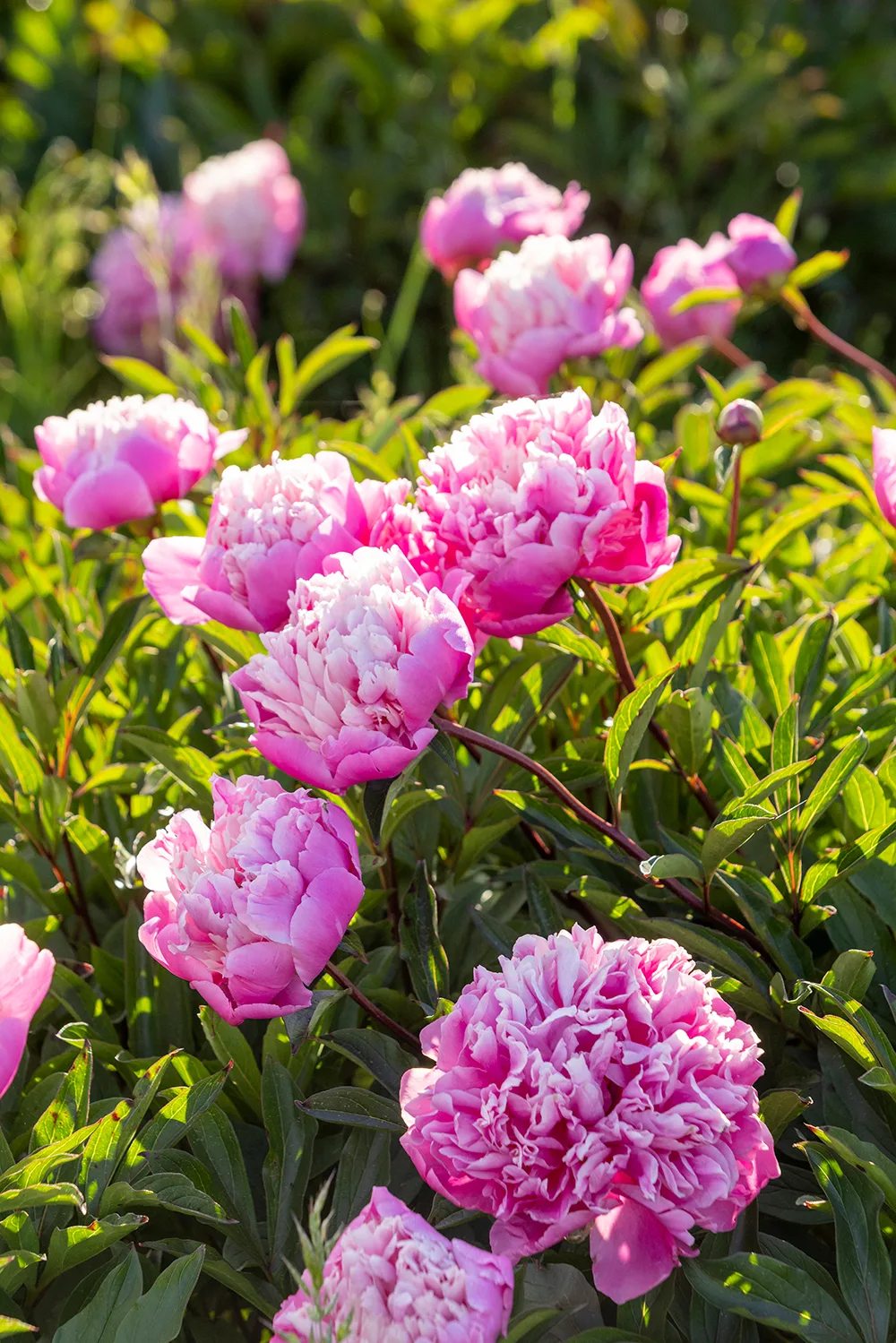
The multiple rows of voluptuous, ruffled petals make these the most popular peony blooms in Australia.
Semi-doubles
Similar to doubles, but the stamens and carpels are still distinctive and remain at the centre after the bloom fades.
HOT TIP: If you cut or buy your peony buds too early and want them to last for a special event, wrap the buds in dry paper, then put them in the fridge in a plastic bag overnight. When you are ready to display them, take them out, trim the stems, and put them in water at room temperature. They will usually begin opening within a few hours.
Some of our favourite peonies to grow in 2026

Bartzella
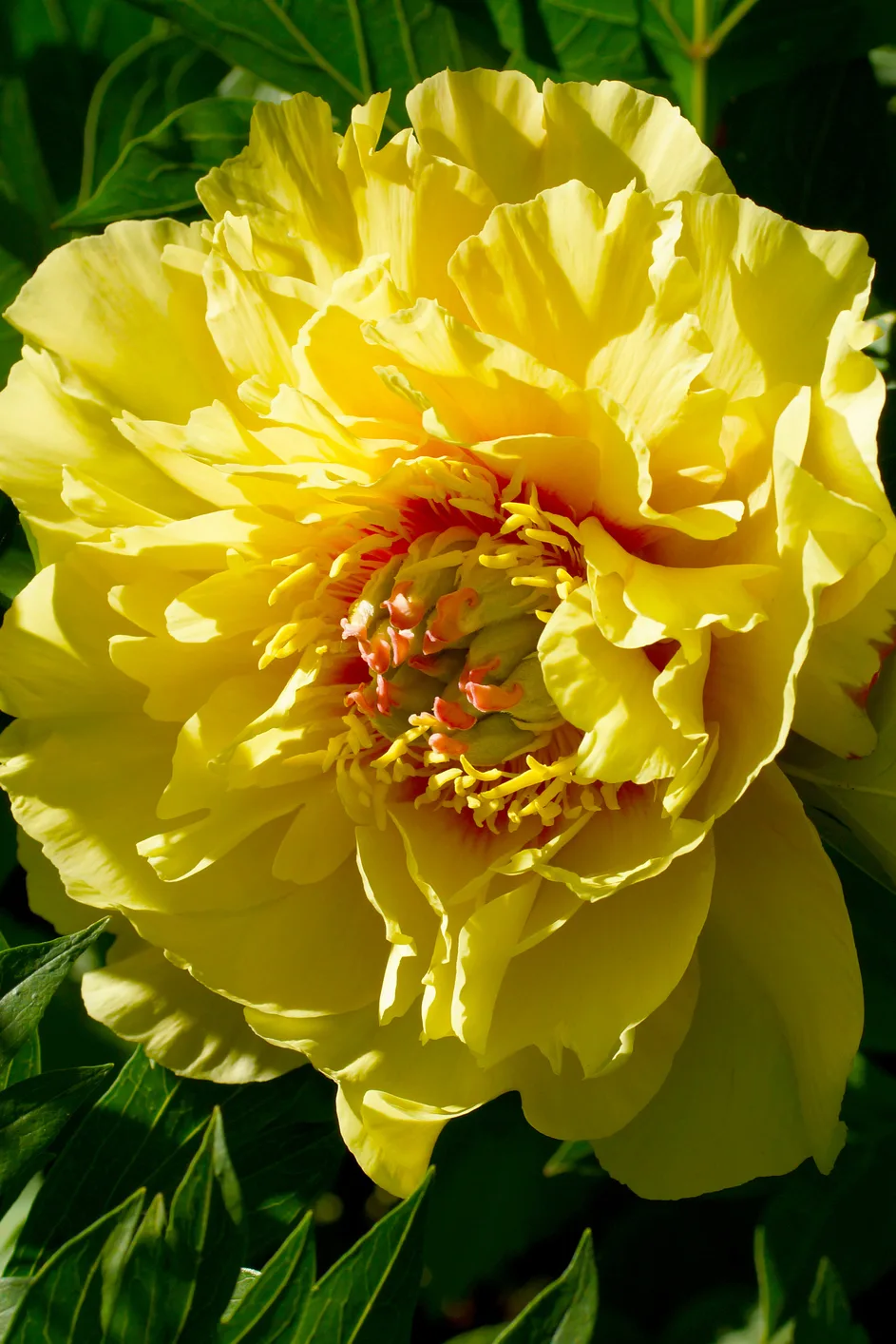
This Itoh (intersectional) peony produces very large, semi-double to fully double golden-yellow flowers, 15–20 cm across, with small red flares at the centre and a light, lemony fragrance.

Coral charm
This early-flowering semi-double herbaceous peony, an American Peony Society Gold Medal winner, opens deep coral and fades through peach to soft apricot-cream as it ages.

Sarah Bernhardt
This classic late-season herbaceous peony (Paeonia lactiflora), bred in France in 1906, has big, fragrant, fully double light-pink blooms that are prized in gardens and as cut flowers.

Coral Fay
Bred in 1973, this early herbaceous peony bears rich coral-pink, semi-double blooms with a very light fragrance on well-branched bushes with finely cut foliage.

Cara Louise
This Itoh peony has large semi-double white flowers blushed with soft lavender-pink and marked with deep purple-red flares at the centre.

Lemon chiffon
This award-winning herbaceous hybrid, named Grand Champion (Best in Show) at the American Peony Society’s 2000 show, has soft lemon-yellow blooms that start single to semi-double and fill out to 15–20 cm fully double flowers as the plant matures.
How to grow peony flowers
Climate
Herbaceous peonies perform best in cool climates with cold winters such as Tasmania, Victoria and mountain districts – they need cold to help trigger the development of the flower bud. Tree peonies also prefer cold climates but will also grow in cool temperate areas.
Aspect
Position herbaceous and tree peonies in full sun, sheltered from strong winds. In climates with hot summers, a lightly shaded spot is preferable.
Soil
Plant in deep, moist and well-drained soil enriched with well-rotted compost and manure. Herbaceous peonies prefer neutral soil pH, but tree peonies prefer more alkaline soil, so add dolomite lime and fork it in well before planting.
Water
Keep soil moist, but never wet. In summer, water to keep the soil cool and prevent it from drying out. Once established (1–2 years), tree peonies are quite drought-tolerant, but benefit from regular watering throughout the growing and flowering season.
Fertiliser
In late winter, feed herbaceous peonies with a well-balanced fertiliser and remove surrounding weeds. Apply fertiliser again in summer after peonies have finished flowering and you have deadheaded. For tree peonies, feed in winter and late spring with a fertiliser low in nitrogen but high in phosphorus and potassium. This encourages strong root growth and flowering.
Planting
While you can transplant peonies, they generally don’t like to be disturbed, so choose your location carefully. Prepare the soil by incorporating well-rotted compost and manure (and dolomite lime, if needed) a week prior to planting.
How to cut peonies
Naturally, you want to bring your peonies indoors, so here are a few tricks to keep them at their best for longer.
- Buy or cut peonies when the buds feel soft and marshmallow-like – hard buds may not be developed enough to open once they’re cut.
- Cut the stems at an angle to help the blooms absorb more water and nutrients. Do this every other day.
- Fill the vase with tepid water and change it every day. If you’re going to be away for a weekend, add a spoonful of bleach to the water to prevent algae build-up.
- Strip away leaves that will sit in water.
- Add a spoonful of regular granulated sugar to help keep flowers fresher longer.
- Display in a cool room, away from direct sunlight, drafts and fruit, especially bananas, which release ethylene gas and will hasten flower fading.

Yes, in cool-climate regions with cold winters, like Tasmania, Victoria, the NSW tablelands and the Adelaide Hills, but they struggle in warm, subtropical areas.
Peonies symbolise prosperity, good fortune, honour, romance and a happy marriage, and in China they’re known as the “king of flowers.”

Related stories

How to keep your summer lawn pristine
Native ad body.
Native ad body.

Native ad body.