


A cascading plant that evokes images of the Louisiana Bayou, sold at local garden centres, is wreaking havoc in certain parts of Australia.
Spanish moss (Tillandsia usneoides), also known as ‘Old Man’s Beard’, is an ethereal hanging plant with silver-green leaves and fragrant flowers.
Native to humid places such as southeastern United States, Central America, South America and the Caribbean, Spanish moss drapes dramatically over other tree branches and requires only air and moisture — and no soil — to survive. It’s often used in floral decorations, and even packaging and stuffing. Fun fact: Spanish moss was used in the upholstery of the first Model-T Ford cars.
It sounds like a gorgeous addition to any garden, but Spanish moss is considered an invasive weed. It’s threatening native trees and bushland on Sydney’s North Shore, around Lismore on the NSW North Coast and, most worryingly, idyllic Lord Howe Island.
Off the coast of NSW, Lord Howe is famous for its World Heritage-listed ecosystems. Spanish moss has also been found in Queensland.
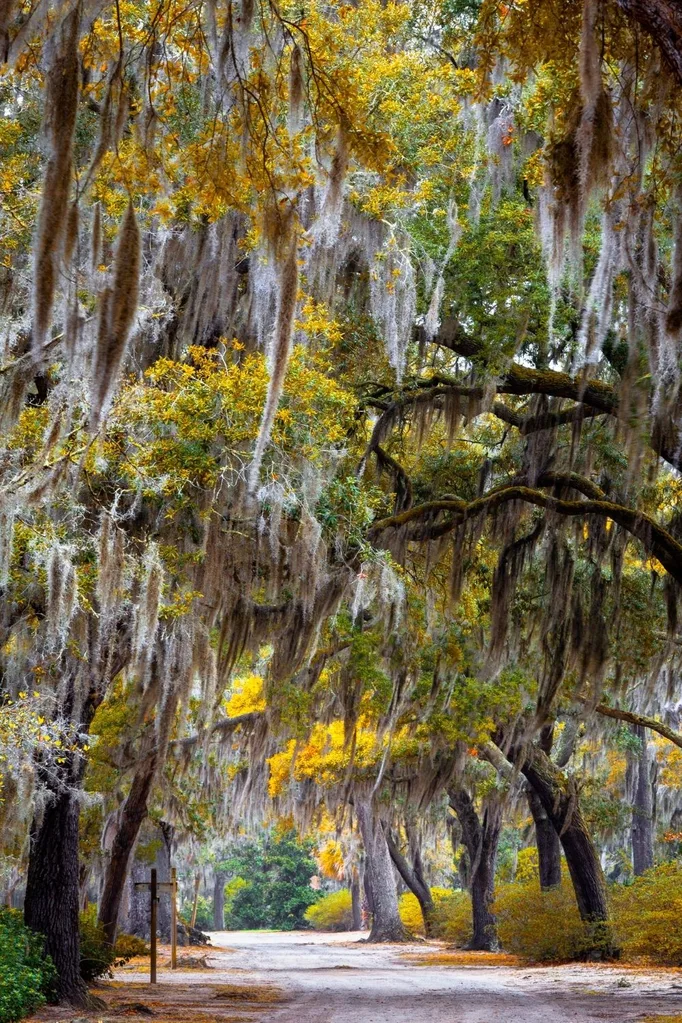
Why is Spanish moss such a menace?
While Spanish moss isn’t a parasite, it spreads easily, and its leaves damage host trees by shading their branches from the sun.
Those heavy cascades of pretty, silvery tendrils can also weigh down the limbs of native foliage, such as turpentines, brush box and lilly pilly. It’s growing more rapidly on our eastern seaboard due to warmer and wetter climate conditions.
Spanish moss seeds, which are light and fluffy, can get picked up by the wind and stick to tree branches. From there, they spawn new plants. “Its weedy potential is highlighted by how easily the plant spreads from one place to another without human intervention, including being spread by birds,” a spokesperson for the NSW Department of Primary Industries and Regional Development told Better Homes and Gardens.
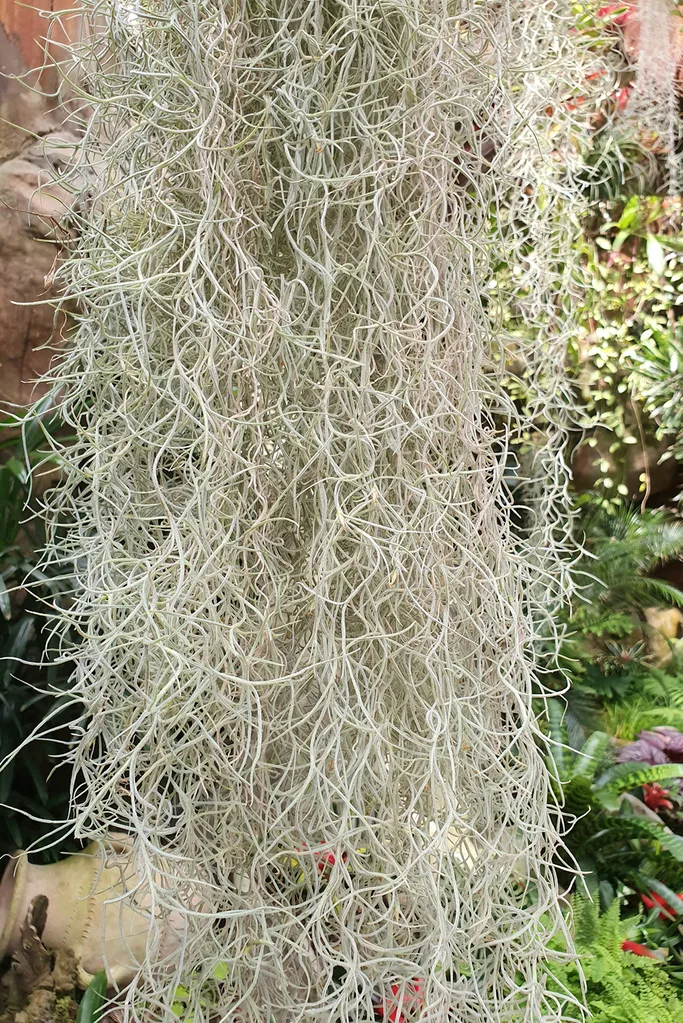
What can we do about Spanish moss?
Willoughby City Council, on Sydney’s Lower North Shore, recently urged its constituents to check gardens for Spanish moss and to remove it if safe to do so.
And to not use it for landscaping or decoration, even though it’s readily available to buy in garden centres and online. “Spanish moss is becoming an environmental threat in our urban forest,” said Mayor Tanya Taylor. “Early action and strong community cooperation are essential to protect the health of our tree canopy and local biodiversity.”
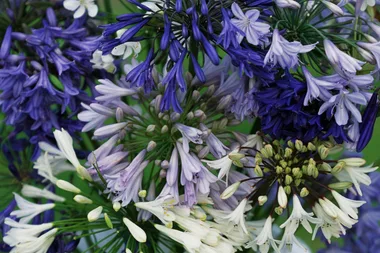
Spanish moss isn’t the only problematic plant being sold in retailers. Not-for-profit organisation Invasive Species Council (ISC) estimates there are thousands of species on the Australian market that can jump your fence, so to speak, and smother or displace local bushland. These include gazania (Gazania spp.), mock orange (Murraya paniculata), duranta (Duranta erecta), agapanthus (Agapanthus praecox), English ivy (Hedera helix) and the popular mother-in-law’s tongue (Sansevieria trifasciata).
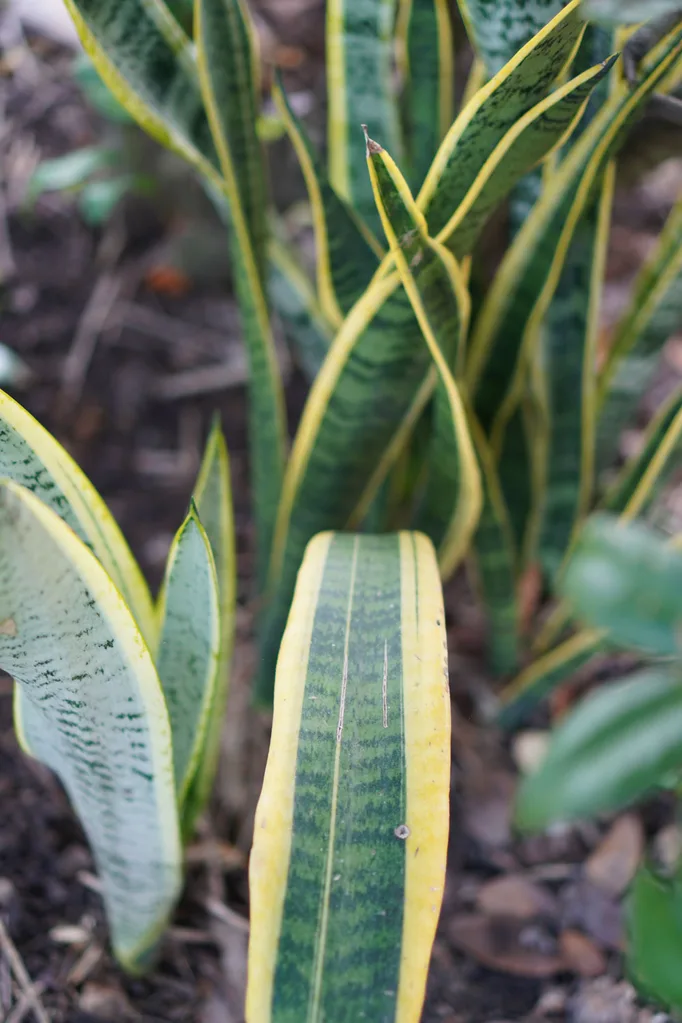
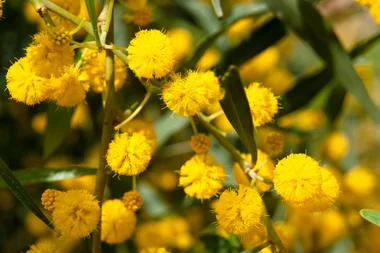
So, next time you’re shopping for new plants or seeds, take a moment to Google the species and find out if it’s actually an invasive weed in your region.
Can’t resist the lure of dreamy Spanish moss or hardy purple agapanthus? Do your best to prevent it from spreading beyond your property.

