

It’s been dubbed Australia’s most romantic vine, but wisteria has one big, often-overlooked downside: it can destroy your whole garden.
Two main types of wisteria are grown in Australia: Chinese (Wisteria sinensis) and Japanese (Wisteria floribunda). Both have extensive and deep roots. Once established, these roots are difficult to remove. They’re also strong enough to break walls, damage house foundations, harm other plants, and even push up pavements.
KEY TAKEAWAYS
- Wisteria’s roots are surprisingly aggressive.
- The plant spreads both above and below ground.
- Regular pruning and root barriers are essential.
- Act fast on unwanted shoots and roots.
How to control your wisteria roots
In fact, a quick Reddit search reveals numerous complaints about “the monster” that can be wisteria.
“Wisteria has taken over, even under the lawn! How to kill it, please?” Wrote one person.
Another shared: “I’m fighting this monster right now, and I have been cutting them down, and they have started growing right back up.”
“Ugh – I’ve got this nightmare at my house too,” said another.
So, how do you grow beautiful wisteria without it damaging your garden?
First, you need to understand the root system.
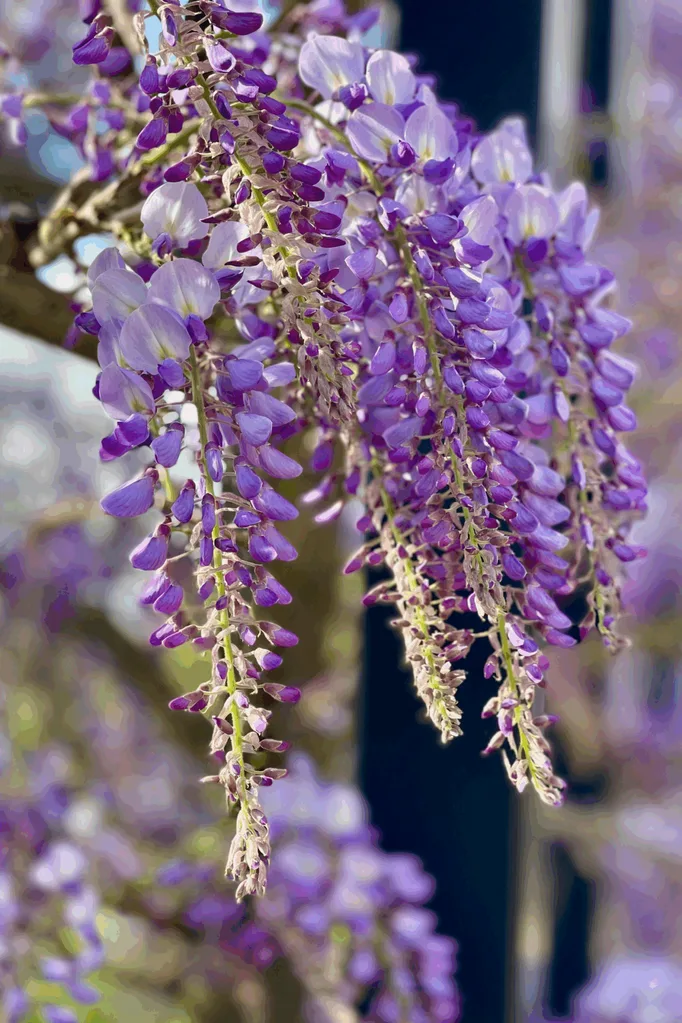
Why are wisteria roots so aggressive?
Wisteria spreads above ground with fast-growing vines and below ground with a big root system, making it very tough to get rid of.
Above ground, wisteria climbs by twining its stems around anything it can reach, including trellises, fences, trees, and even buildings. These stems can grow several metres in a single season and will keep climbing and spreading if you don’t prune them. The plant also produces long, whip-like side shoots that can root if they touch the soil, creating new plants nearby.
Below ground, wisteria has deep, strong roots that seek water and nutrients. The primary roots usually grow 30 to 60 cm deep, but side roots can spread out several metres, often reaching past the leaves above. These roots send up suckers that quickly turn into new vines, allowing the plant to spread to new areas.
How to stop wisteria from spreading
Still want to grow wisteria? Follow these simple steps to keep your wisteria under control above and below ground without damaging your garden.
- Prune the vines regularly
The golden rule is to prune wisteria at least once a year, ideally twice, but never in winter. Like other spring-flowering shrubs, pruning in colder months risks cutting off the buds that would produce next season’s blooms. The best times to prune are summer, once flowering has finished, and again in autumn to tidy and prepare the plant for the following year.
- Install a root barrier
Another way to keep wisteria roots in check is to put a strong barrier, like thick fabric or metal edging, straight down into the ground around where you plant it. Make sure the barrier is at least 60 cm deep to prevent roots from spreading underground. This is extra important if your wisteria is near your house.
- Dig up stray roots and shoots
If wisteria has already spread, carefully dig around young shoots and trace them back to the primary roots. Remove as much root as possible — any left behind may resprout. Dispose of root pieces in green waste (not compost) to prevent regrowth.
- Use herbicide only as a last resort
If digging up roots isn’t working and your wisteria keeps coming back, the best herbicides are glyphosate or triclopyr. Apply directly to the cut stump of a freshly cut vine to kill the roots. Follow the label directions, and be careful not to get it on plants you want to keep. You might need to do this more than once for older, bigger vines.
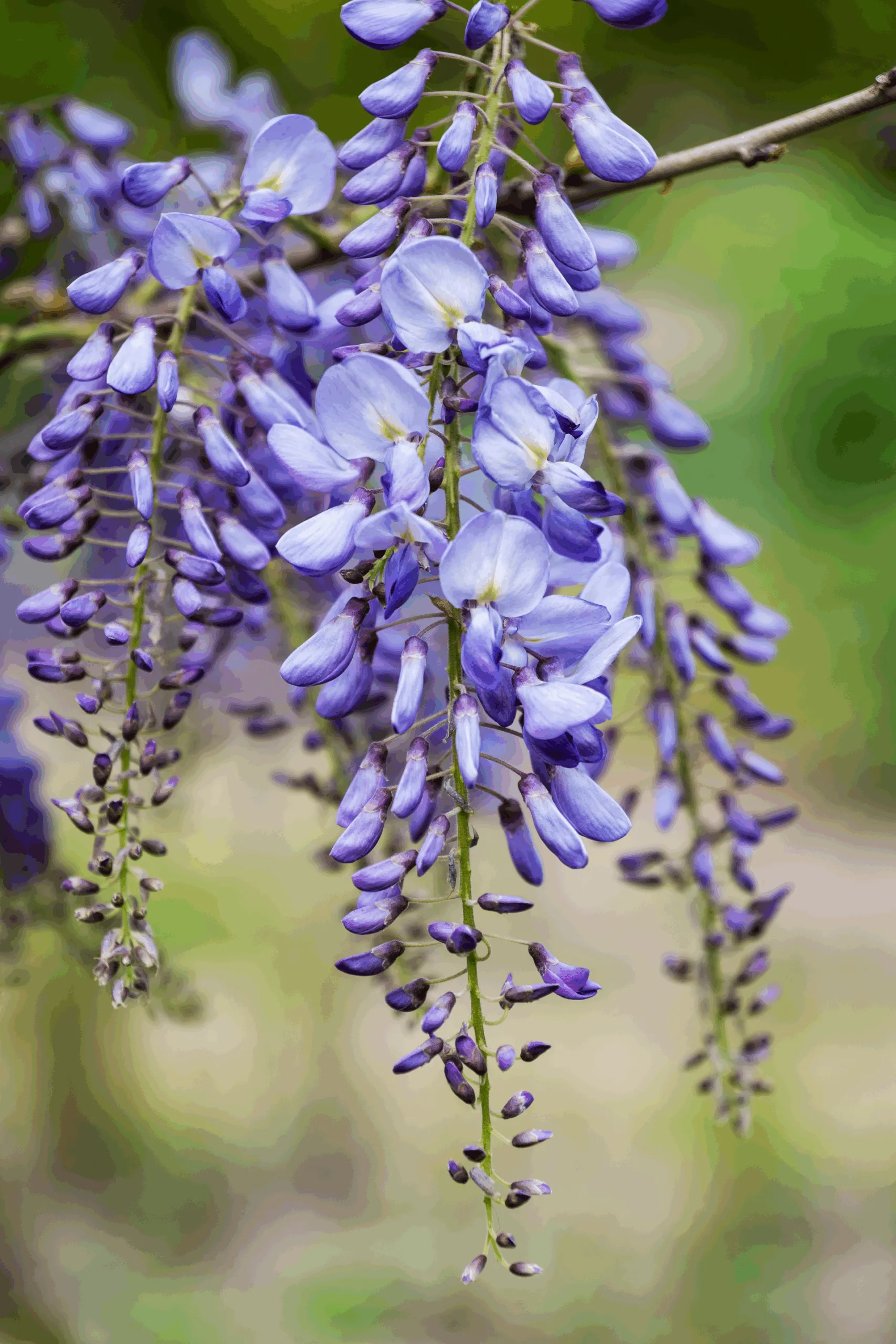
How deep do wisteria roots grow?
Wisteria’s primary roots typically grow 30–60 cm deep, but lateral roots can spread far beyond the canopy, especially as the plant matures.
Soil type also affects how much wisteria roots spread. Loose, sandy, or clay soils that stay moist help the roots grow even farther, making it more likely the plant will spread where you don’t want it.
How to kill wisteria roots permanently (if necessary)
If digging up roots isn’t working and your wisteria keeps coming back, the best herbicides are glyphosate or triclopyr. Apply directly to the cut stump of a freshly cut vine to kill the roots.
Follow the label directions, and be careful not to get it on plants you want to keep. Monitor for new shoots and remove them as soon as they appear. Continue digging and treating for several months to eliminate older plants.

Related stories
Native ad body.
Native ad body.


Native ad body.