
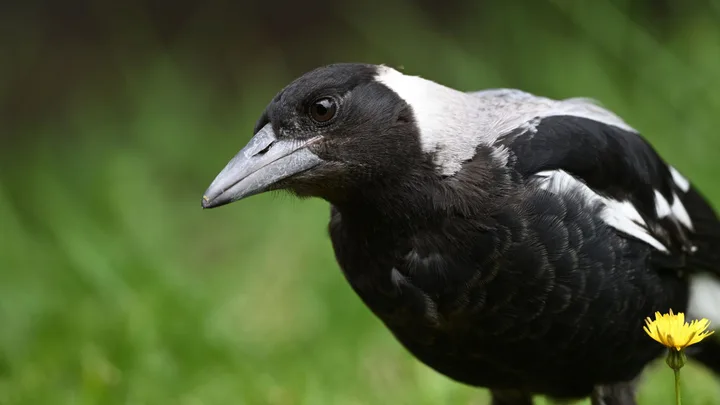
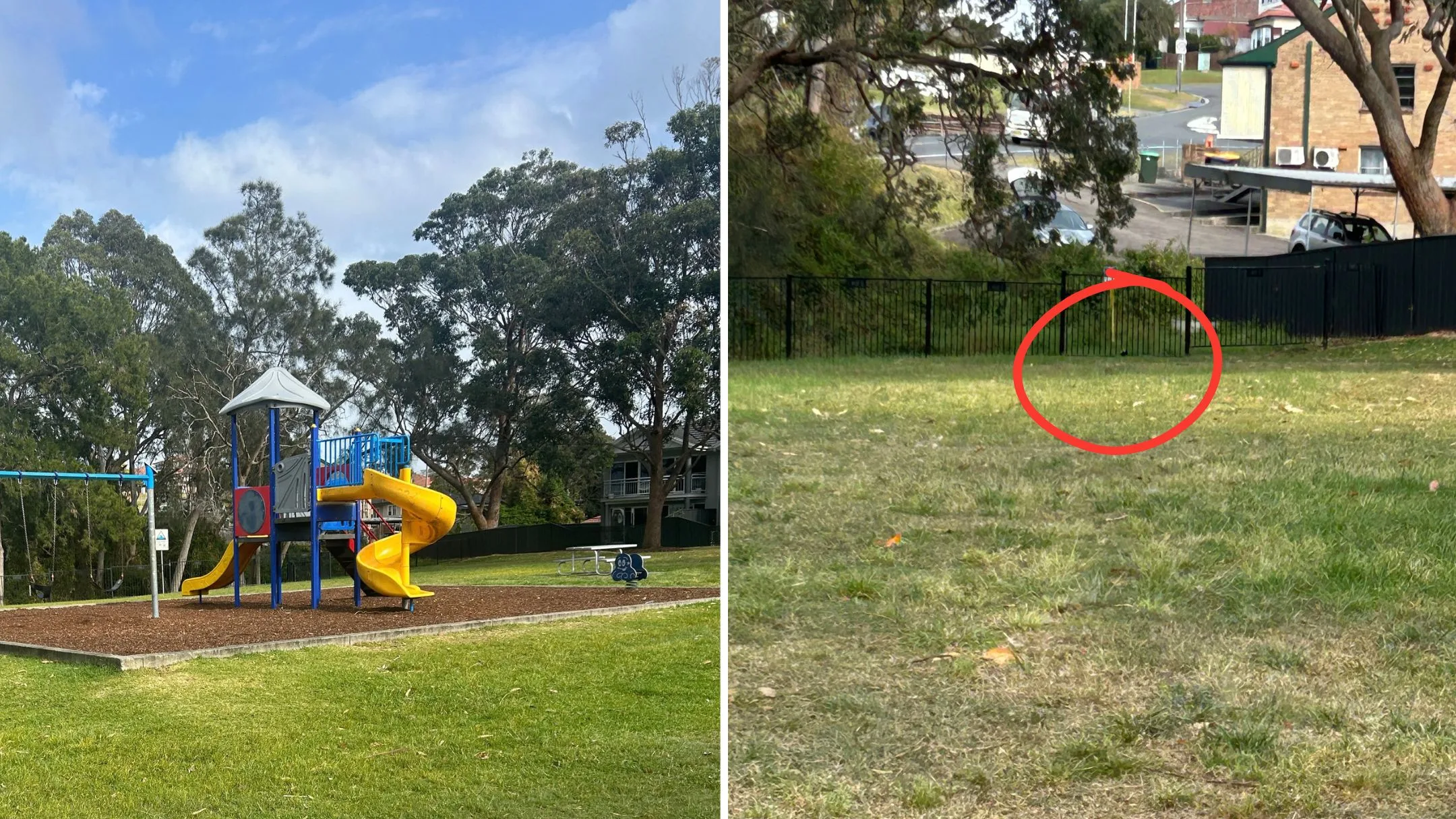
A magpie has officially banned my two-year-old daughter from our local park. While other children play, this bird has decided she can’t be trusted, swooping at her every time we head for the swing near our house.
Keen to understand why we’d been singled out, I started looking for answers. I knew it was breeding season, but I soon discovered one seemingly innocent mistake may have made us enemies. So I asked an expert what went wrong, and whether it’s possible to undo a magpie grudge.
KEY TAKEAWAYS
- Magpies can recognise individual human faces.
- A seemingly friendly wave may have been interpreted as threatening behaviour.
- Staying calm, avoiding sudden movements and wearing a hat reduce the risk of being swooped.
- A magpie’s opinion isn’t necessarily permanent.
The wave that started it all
I’m fairly certain it was my fault. A couple of weeks ago, as we were leaving the park, I told my daughter to say goodbye to the magpie. She waved madly, calling out, “Bye bye birdie, bye bye birdie!”
Everyone knows magpies can remember faces, so I figured if the magpie got a good look at us, he would realise we were harmless and move on with his day.
The second we turned our backs, he made his move, swooping at us until we were out of range.
A week later, my husband tried taking our daughter back. The visit didn’t last long. The magpie wasn’t having it, swooping at her even while she was on the slide. When I asked her how the park was, she looked at me and said, “Bad birdie, get me,” pointing to her head.
What the experts say
So what did we do to make this bird decide we were up to no good?
To find out, I spoke with Dr Meg Edwards, Senior Lecturer in Wildlife Science at the University of Southern Queensland.
“It’s always hard to know exactly why some people get swooped and not others,” Meg told me. “Magpies have been known to be very good at recognising faces, and once someone gets swooped, they often get swooped again, even the next year.”
I asked whether my daughter’s waving might have been the problem.
“Possibly!” she said.
“During the breeding season, magpies are particularly vigilant around their nests and territory. While to us, waving and saying hello seems like a friendly greeting, perhaps the magpie interpreted the interaction a bit differently and perceived the unusual focus of attention as threatening.”
The boy who never got swooped
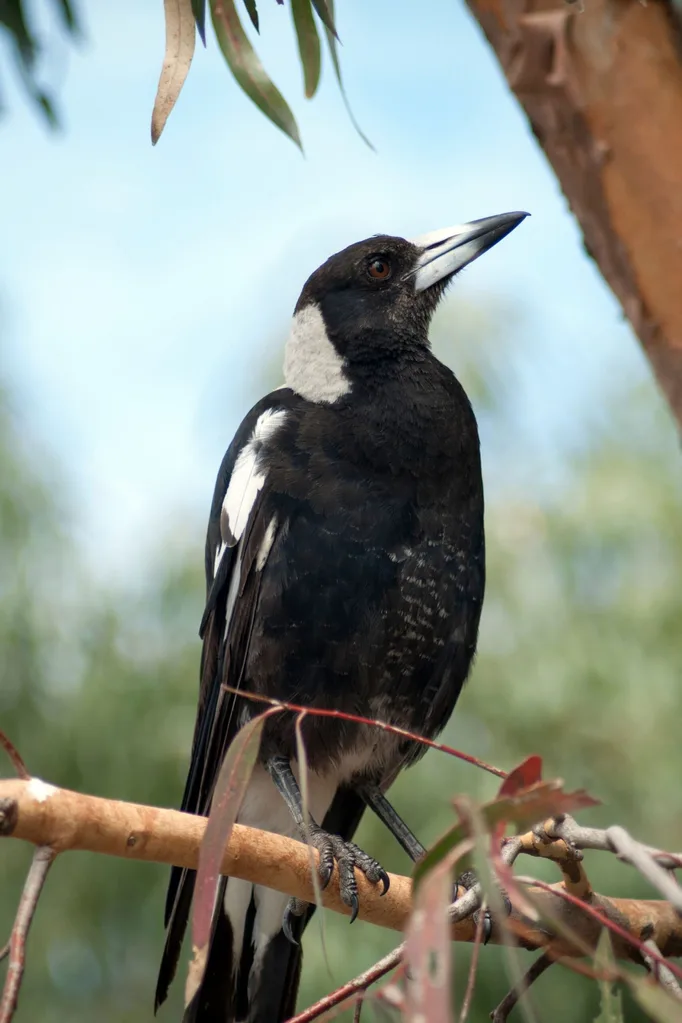
Professor Gisela Kaplan’s research echoes that idea.
In Australian Magpie: Biology and Behaviour of an Unusual Songbird, Kaplan tells the story of a 9-year-old boy who scooted past a territorial magpie every day without ever being swooped.
Gisela says it wasn’t luck. His mother taught him not to panic or wave his arms around his head as he passed the bird. As a result, the bird decided he wasn’t a threat.
I taught my daughter the exact opposite.
So do we just avoid the park?
According to Meg, avoiding the park is probably best – for now.
“Avoiding that particular area might be the easiest and safest option until the end of the swooping season,” she says.
If visiting the park is unavoidable, she recommends moving calmly through the area and wearing a hat for protection.
“Most swooping is linked to the breeding season, so once the breeding season finishes, the behaviour should decline, and your daughter should be safe to play in the park again without getting swooped.”
Can the grudge actually be reversed?
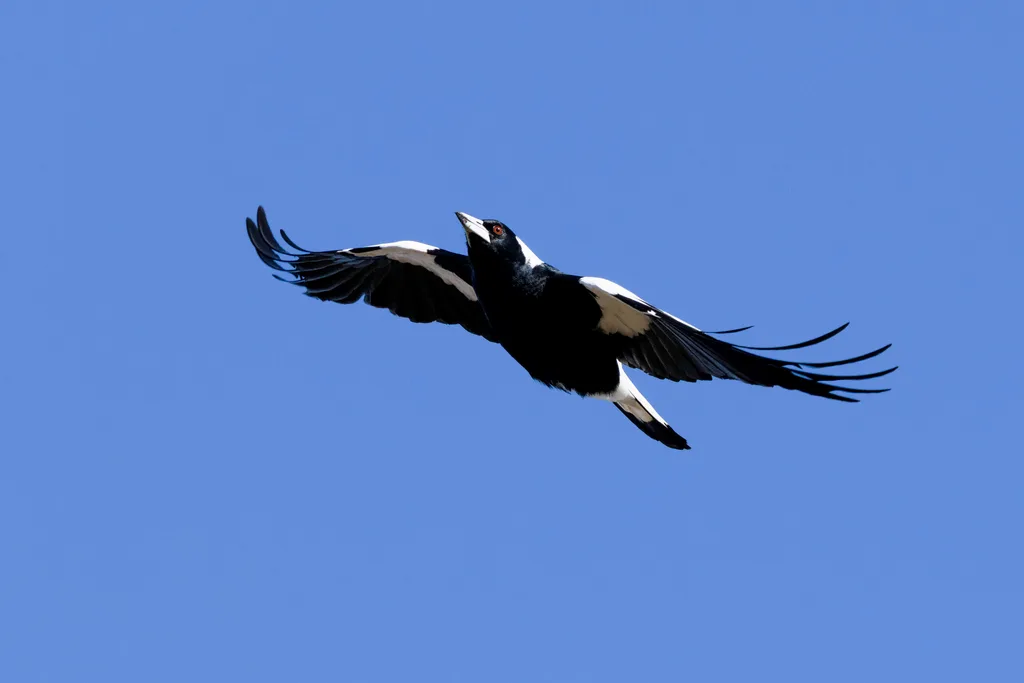
The good news is that Gisela’s research suggests it’s possible to get back on the right side of a magpie.
She writes that once a magpie decides a person is safe, its swooping “can be switched off in an instant”, and that she knows of no other bird species where something so instinctive can be stopped simply by being consistently non-threatening.
According to her research, magpies appear to build mental files on the people who regularly move through their territory: walkers, joggers, cyclists and kids on scooters. And once someone is categorised as safe, the swoops often stop altogether.
How to convince a magpie you’re not a threat
If you’ve ever found yourself on the wrong side of a magpie’s grudge, you’ll know there’s no magic fix. But there are some things you can do to improve your chances and maybe even become friends.
- Try to stay calm when you’re walking through their patch. I’ve learned that sudden moves, running, or waving your arms around just make you look more suspicious.
- Let the magpie get a good look at your face. Apparently, they remember people by sight, so it might help if they know you’re not out to get them.
- Resist the urge to shoo or yell at the bird, even if it’s swooping. Throwing things or waving your arms just convinces it you’re trouble.
- If you spot a nesting magpie, give it a wide berth. The territorial behaviour usually settles down once breeding season is over.
- And while you’re working on winning them over, wearing a hat isn’t so much about making peace as it is about protecting your own head.
For now, my daughter knows the drill: no waving, no bye-bye-birdie, just walking calmly with a hat on. We’re hoping that, eventually, the magpie decides we’re friendly after all.
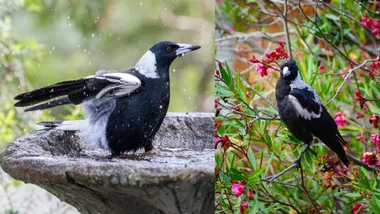
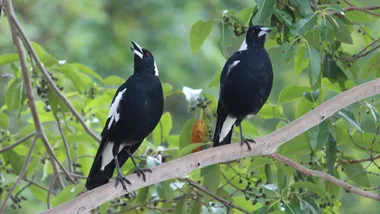
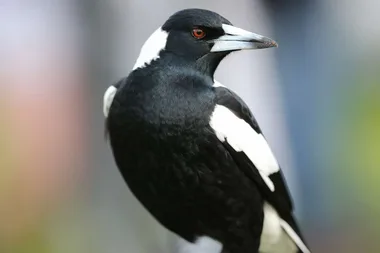
Most magpies swoop for about six to eight weeks, starting from when the eggs hatch to when the baby magpies leave their nest.
Most magpies never swoop at people. The ones that do are males defending their nest. Many target only one type of person, such as cyclists or pedestrians.

Related stories
Native ad body.
Native ad body.


How to keep your summer lawn pristine


Native ad body.