
Heading out for a hike through the Australian bush can be a feast for the senses. There’s the scent of eucalyptus leaves, the feel of foliage – soft, coarse or spiky – the beautifully mottled patterns on the barks of trees and the sound of soft treads broken by the snap of a brittle twig underfoot.
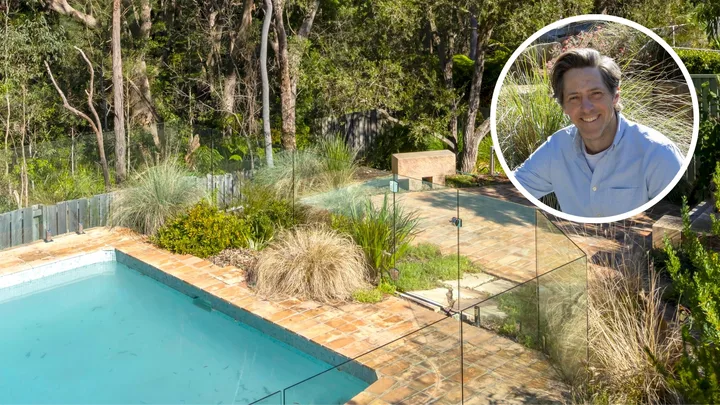
Landscape designer Kath Gadd has a lifelong passion for the bush and is bringing its scents and colours into the urban environment. Using native Australian plants, she creates spaces that are harmonious and calming for humans, and a haven for wildlife.
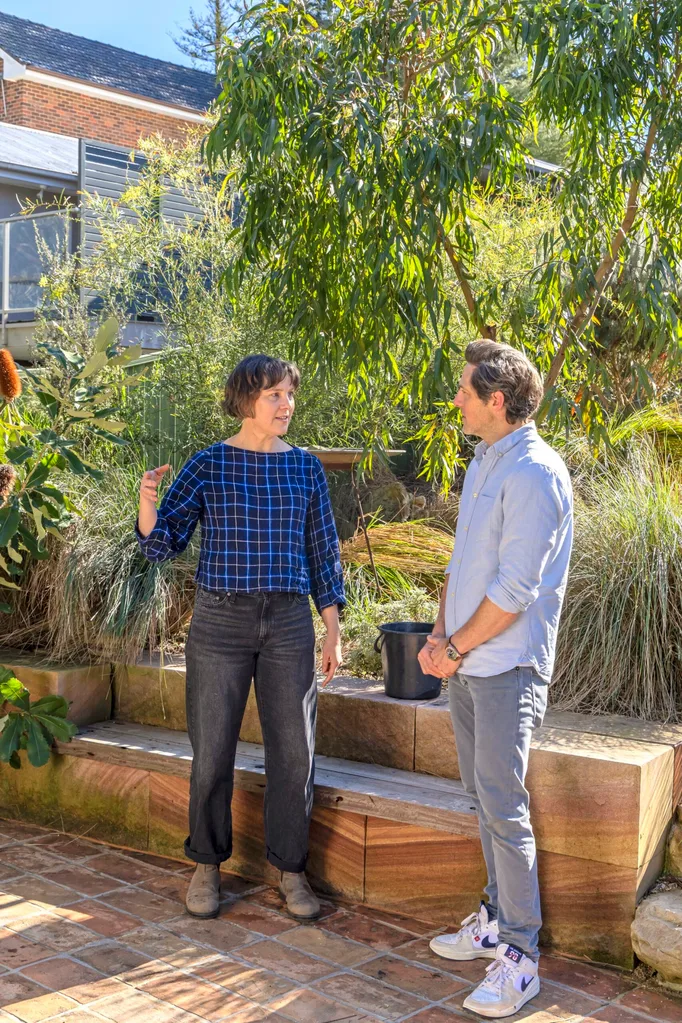
Kath Gadd’s native garden design principles
Designing gardens that use only native plants doesn’t limit Kath’s imagination. You can use natives in formal or informal arrangements, she says, but it’s the latter that is more popular at the moment.
“What I’ve noticed is that people want a more casual, naturalistic garden, often even a bit wild. So people want to come home and literally feel like they’re in the bush.”
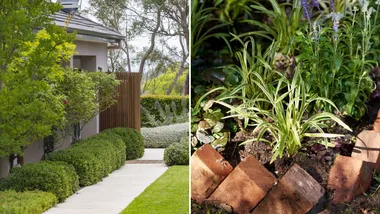
Her designs are plant heavy, balanced with sleek elements – such as steps hewn from stone and paving of crushed gravel – with boulders and rocks acting as breathing spaces.
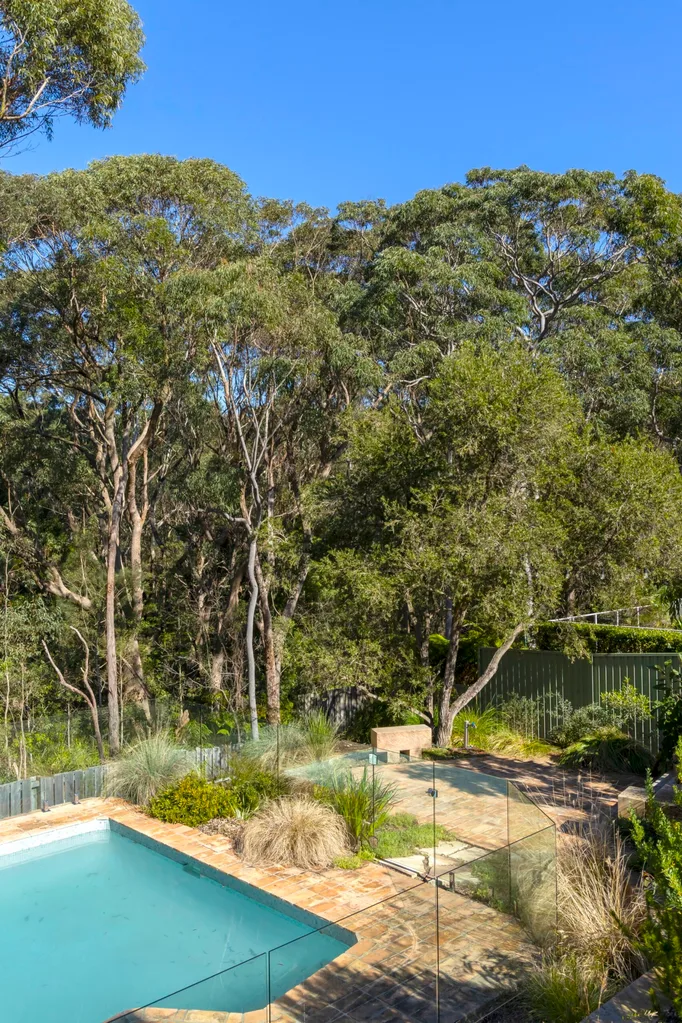
Kath draws a distinction between front and back gardens. “A front garden is an opportunity to have something a little bit special, something that draws people’s eyes and makes a bit of a statement so that it’s addressing the street. “I always like to do some special plants that people haven’t seen before,” she explains.
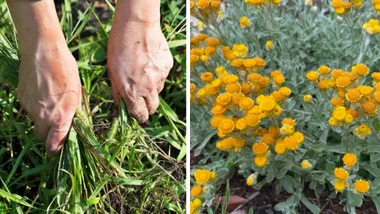
Plants that have that “something special” include the emu bush (Eremophila spp.), which has a silvery sheen, colourful, bird-attracting flowers and is incredibly drought-tolerant. There’s also the large, showy hakea ‘Pinball’ – used as a street tree in parts of Italy – and Banksia blechnifolia, with its tough, yet fern-like foliage.
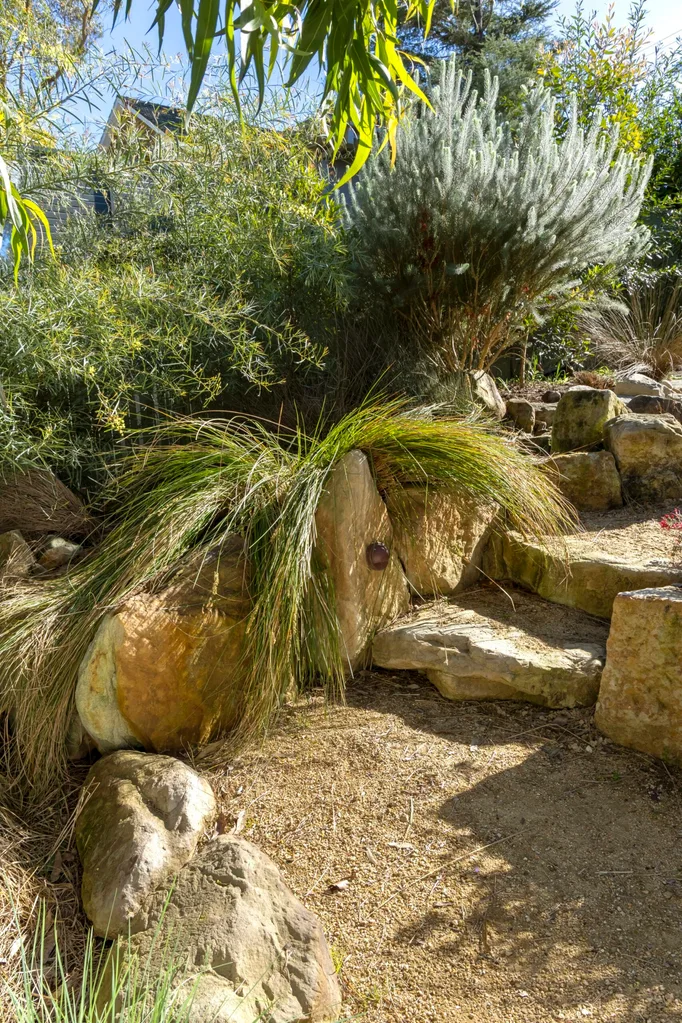
Flowers are important, too. While most exotics flower only in spring or summer, natives aren’t so restricted: “It’s important when I’m designing a garden that there’s something in flower each month,” says Kath.
Native plants that attract wildlife
Want to build a garden that brings birds, lizards and insects of all manner? According to Kath, there are three essential design elements needed. Using native plants, create a garden with the following features:

Spiky-leaved plants
(Hakea petiolaris)
“Spiky-leaved plants – such as hakea – provide great habitat for small birds to hide in,” Kath Gadd says. Pair these with nectar-producing natives such as grevillea to draw honeyeater birds to your garden.
Plants that attract wildlife
Kath Gadd’s beautifully designed garden includes the following plants that invite wildlife to refuge in:
- Sea urchin hakea (Hakea petiolaris)
- Banksia blechnifolia
- Pin cushion hakea (Hakea laurina)
- Emu bush (Eremophila spp.)

Rocks and boulders
(Eremophila glabra)
Rocks and boulders provide sunbathing spots for skinks and blue tongues, as well as butterflies. Nothing is better than basking in the sun for a reptile!

Water features
(Poa spp.)
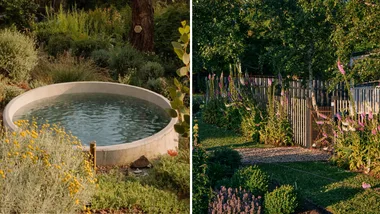
And with all these critters flitting around, a water feature is essential as a spot for birds to have a drink or swoop in for a quick bath. This is even more important in drier and drought-prone habitats, where a reliable source of water may be hard to find.

Related stories
Native ad body.
Native ad body.
Native ad body.