
If you want your backyard to look polished and sleek, opting for some garden edging may just be the answer. Not only does garden edging offer structure to your lawns, but it also helps you separate weeds from flowers, ensuring they stay healthy all season long.
From highlighting pathways to creating sections within garden beds and lawns, garden edging is the perfect finishing touch.
What can I use for a garden edge?
Many ready-to-use materials are available on the market, including plastic sheets, stones or metal panels. Bricks are also a common option. Just remember to choose materials that clearly define borders and can withstand harsh weather – aside from this, your imagination is the limit.
Let’s take a look at all the different garden edging ideas and find out which option works best for your next gardening project.
The best garden edging ideas for 2026
01
Spaded edging
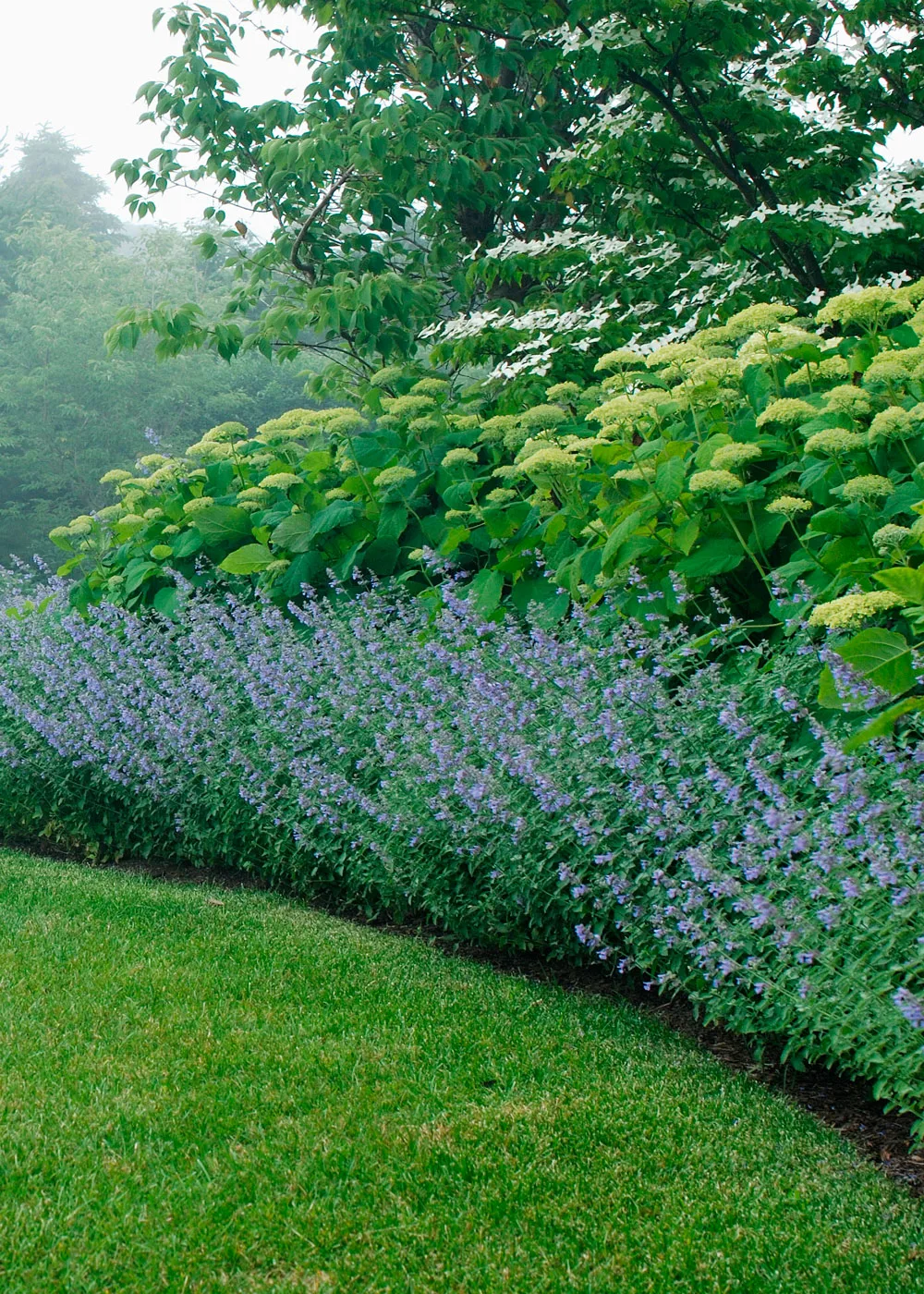
The easiest (and cheapest) way to edge your garden is to cut a line in your lawn with your spade, about 10-15cm from where your lawn meets the garden bed.
Whether straight lines or organic curves, maintain the look by occasionally running the spade or your whipper snipper around the edges. While this is definitely a low-cost option, expect regular upkeep to maintain this garden edging option year-round.
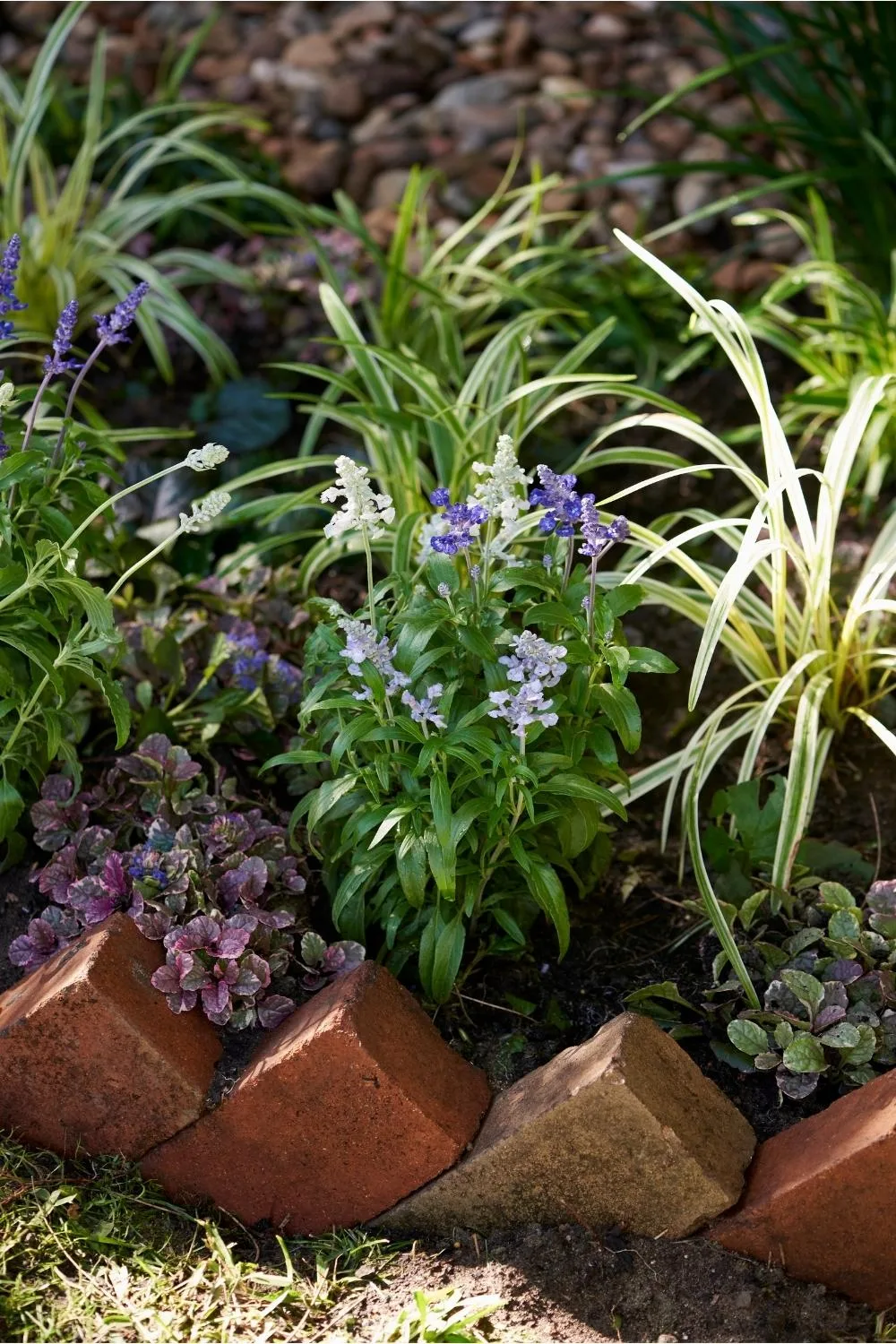
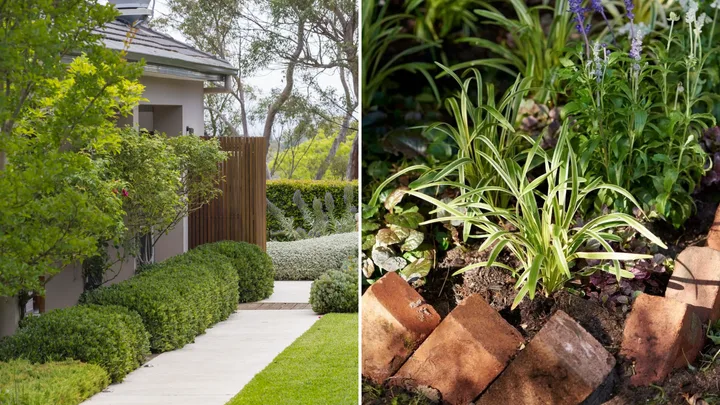
Upcycle old bricks into this stunning saw-tooth brick garden edge design. You’ll be surprised by the difference saw-tooth edging makes in your backyard.
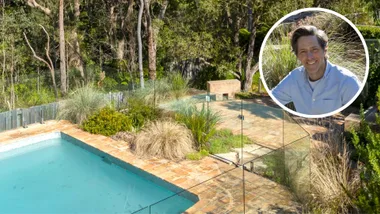
To make sure your edging looks nice, Charlie Albone suggests using a string line to keep it level.
03
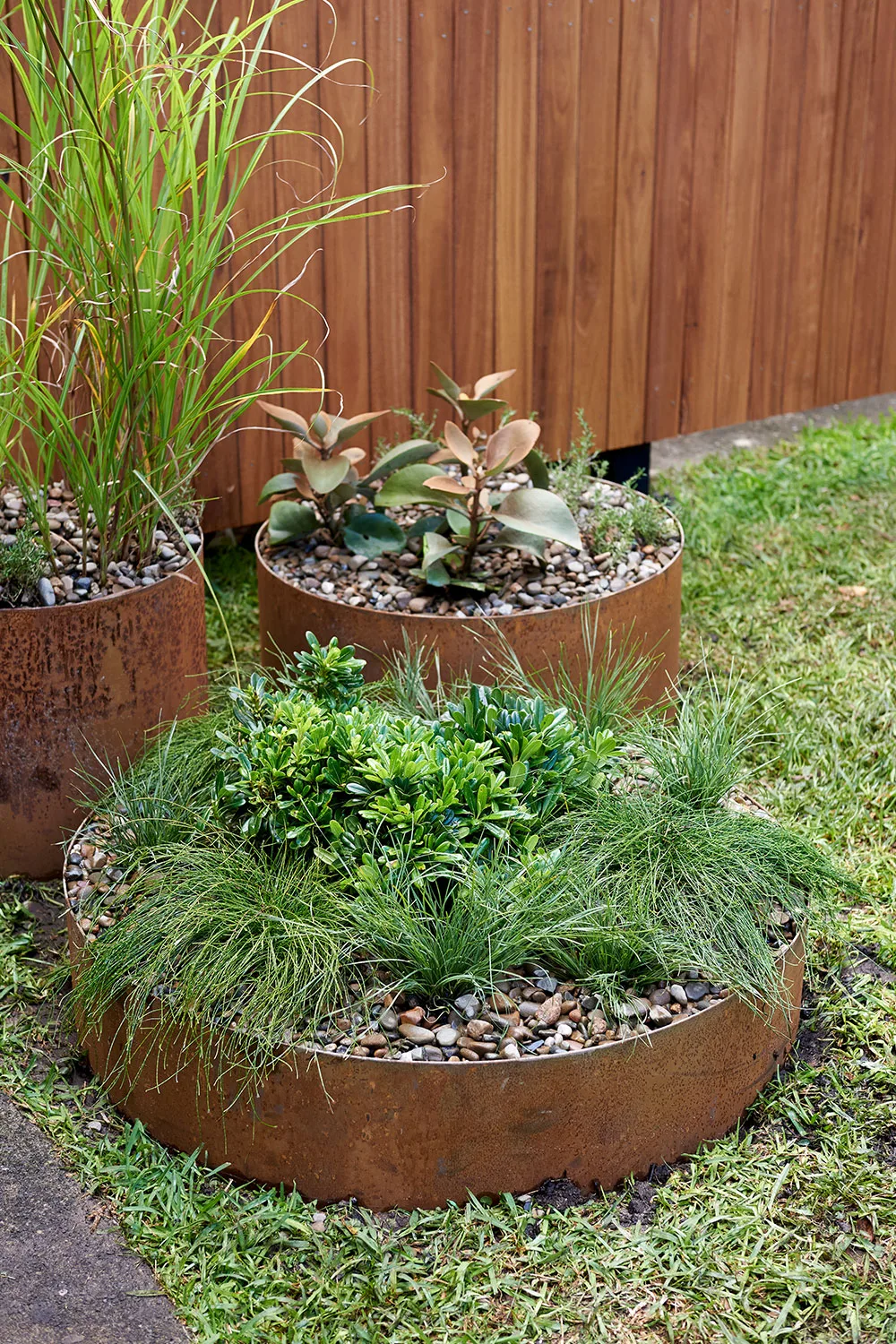
Corten steel garden beds and edges
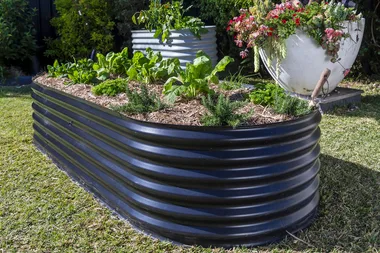
Corten steel edging is so versatile that it could work in any garden style. It looks particularly great for enclosing lawns and creating clear divides within your outdoor spaces. You can also use them to create raised garden beds to showcase your favourite flowers or even herbs.
It’s easy to install, cost-effective, and the rusty red colouring is striking against greenery.
04
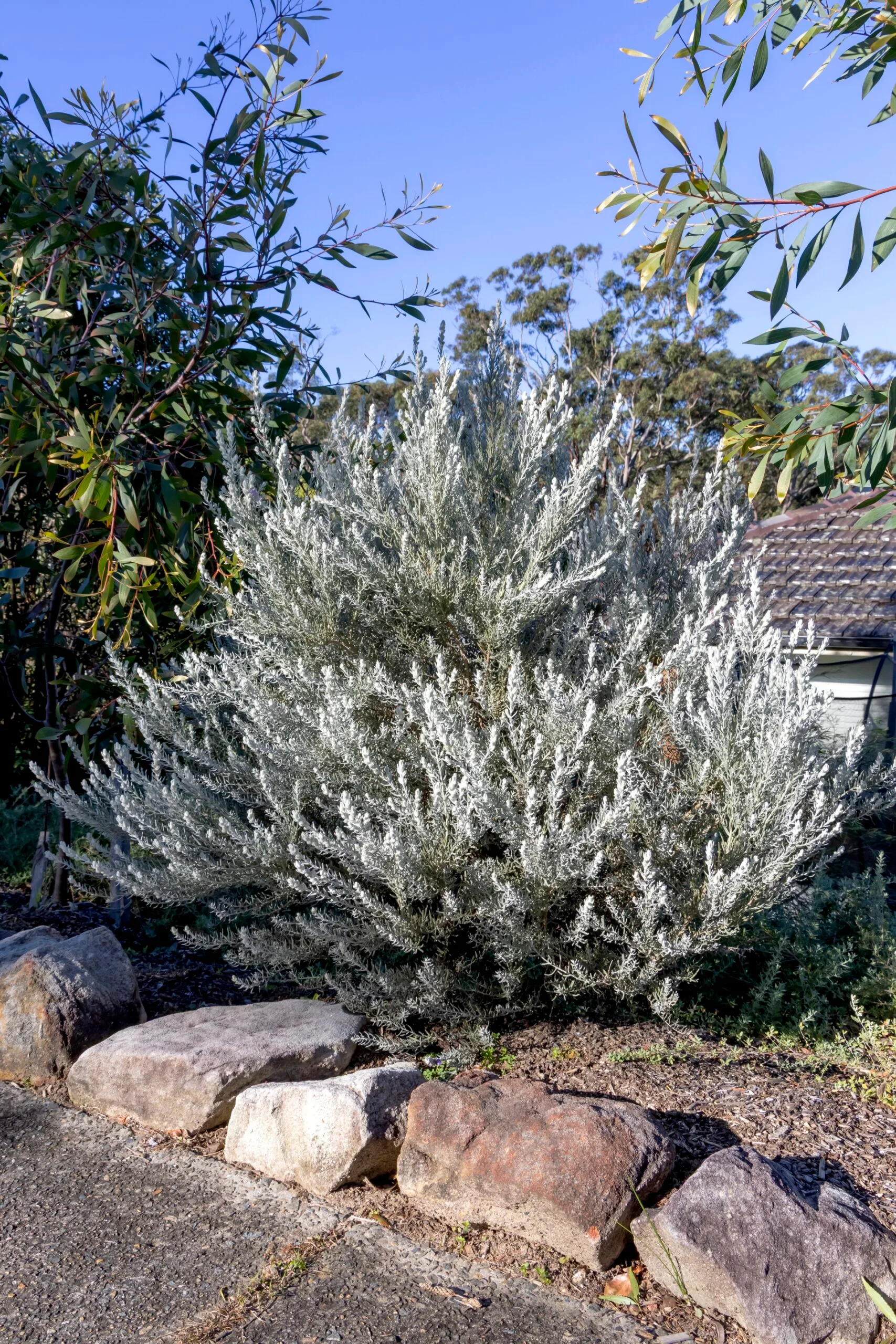
Rocks and boulders
Organically shaped rocks and boulders are a great way to separate your lawn from your garden. Plus, they provide sunbathing spots for skinks and blue tongues, as well as butterflies, too. Ideal for those who also want to attract wildlife into their backyard.
05
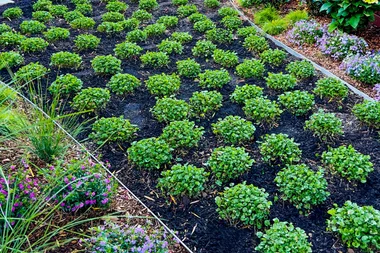
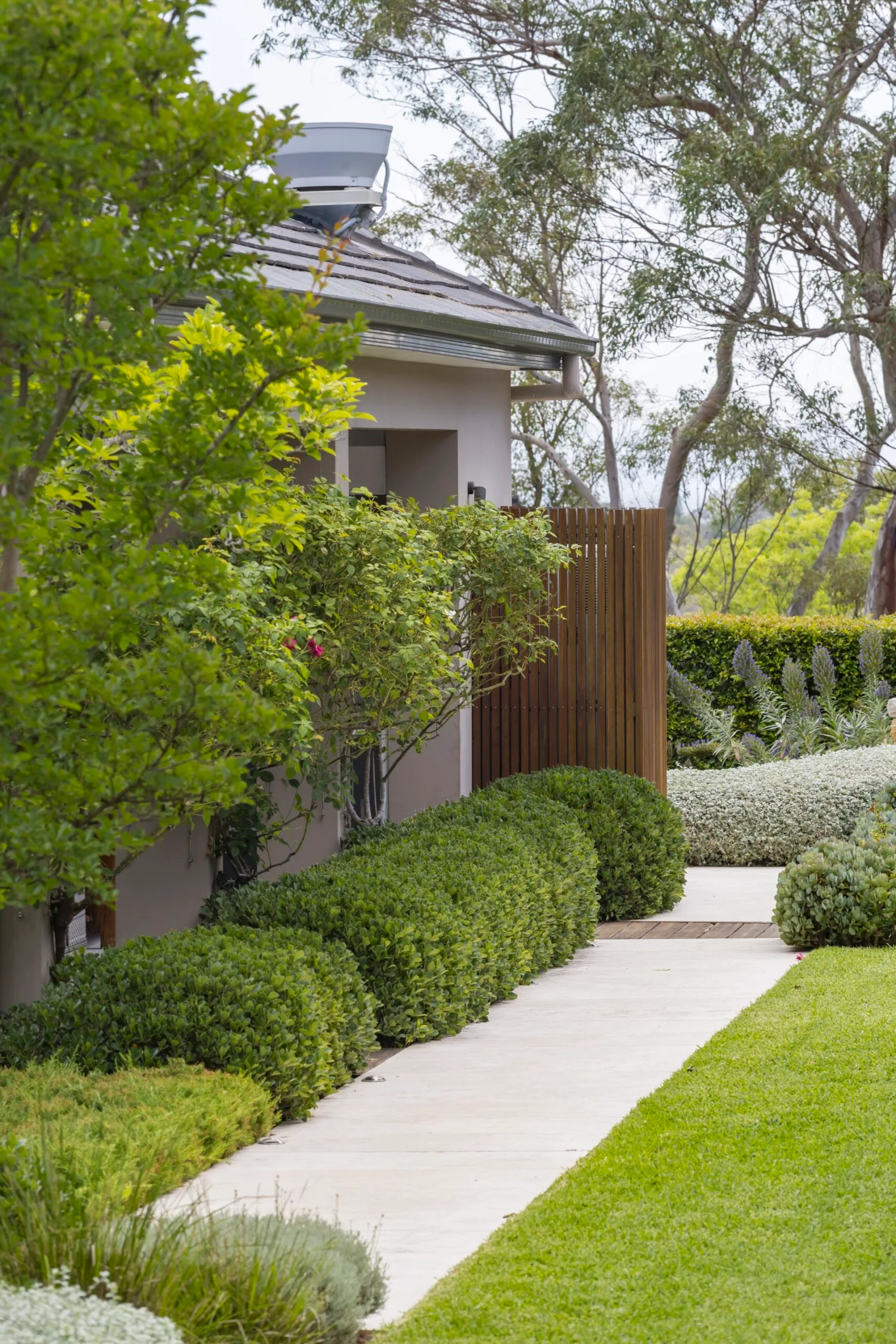
Border plants
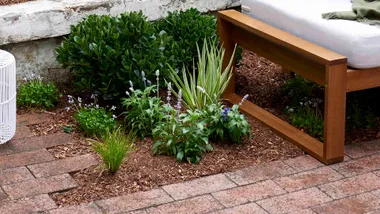
Line your pathways with small shrubs and plants. Sun-loving salvia is a great choice for those looking to create a Mediterranean-inspired garden.

06
Bamboo edge
Highlight your hibiscus plants and frangipanis with bamboo edging to make your garden feel like a tropical paradise. You can buy this bamboo edging by the roll (typically 15 cm-long pieces of bamboo wired together into 1m lengths), making it easy to install with no upkeep required.
Pick up enough edging to suit your project, roll it out, then keep it upright by wiring it to small garden stakes every metre or less. Some models include stakes, so you simply push or hammer the edging into position.
07
Wire edge
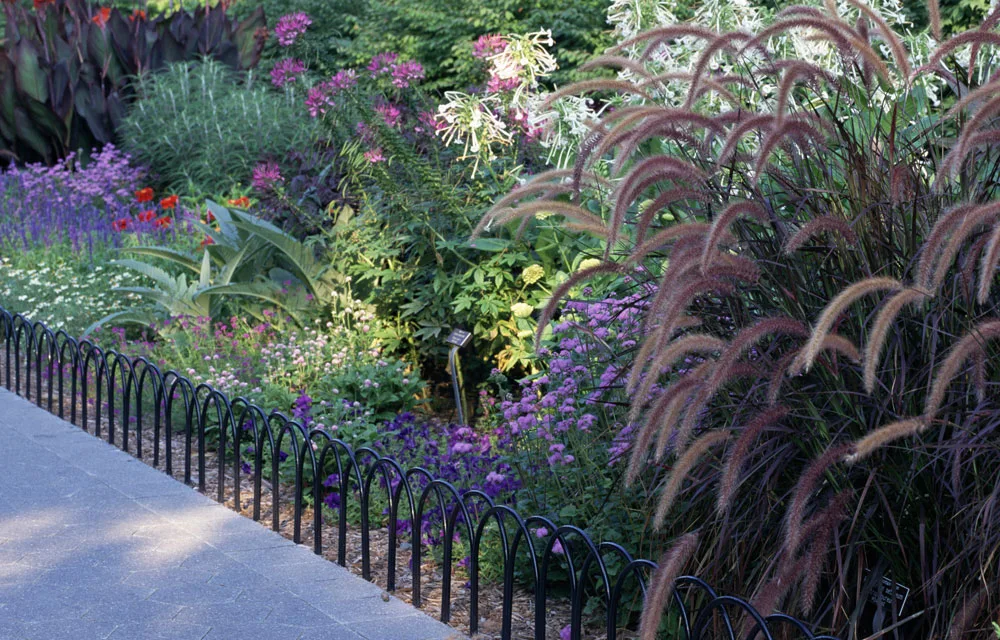
Enhance the borders of garden beds and pathways in your yard with elegant wire hoop edging. This style of edging works well for cottage gardens or informal schemes – just spike it in, and you’re done!
Your dahlias and daffodils will look great behind this kind of edging, as it tends to blend in rather than stand out, making your flowers the focal point of your garden. Wire edging also helps keep unwanted animals, including pets, out of your beautiful beds.
08
Plastic edge
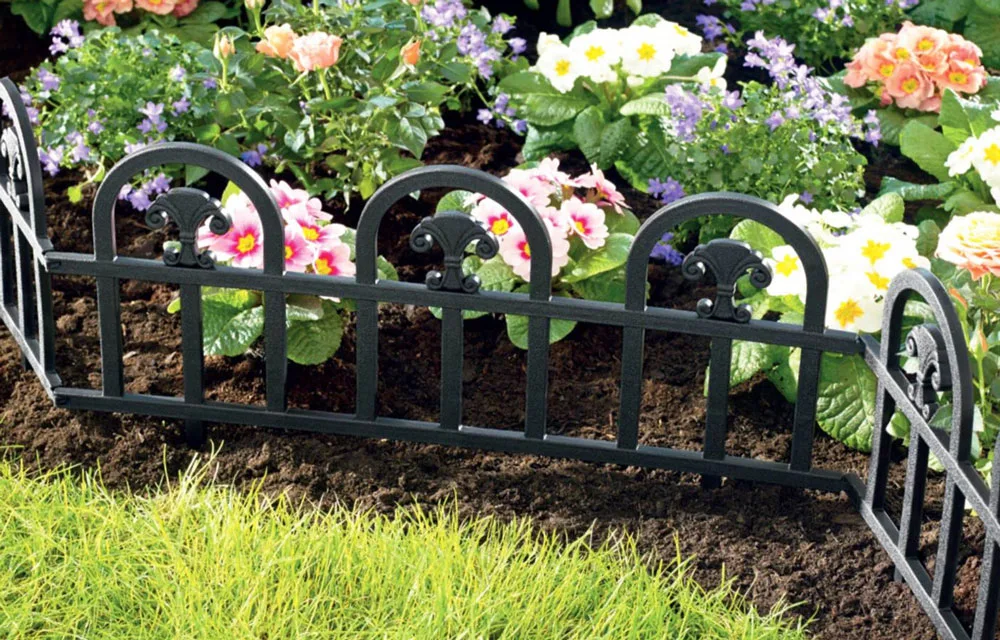
Built to last in the tough Aussie conditions, plastic lawn and garden edging comes in a variety of designs and lengths to suit your garden. Plastic edging, while not the most glamorous look, is very affordable and will last for years to come.
Use this durable plastic edging system in combination with a spade edge for a classic look alongside flowerbeds.
09
Paved or bricked edge
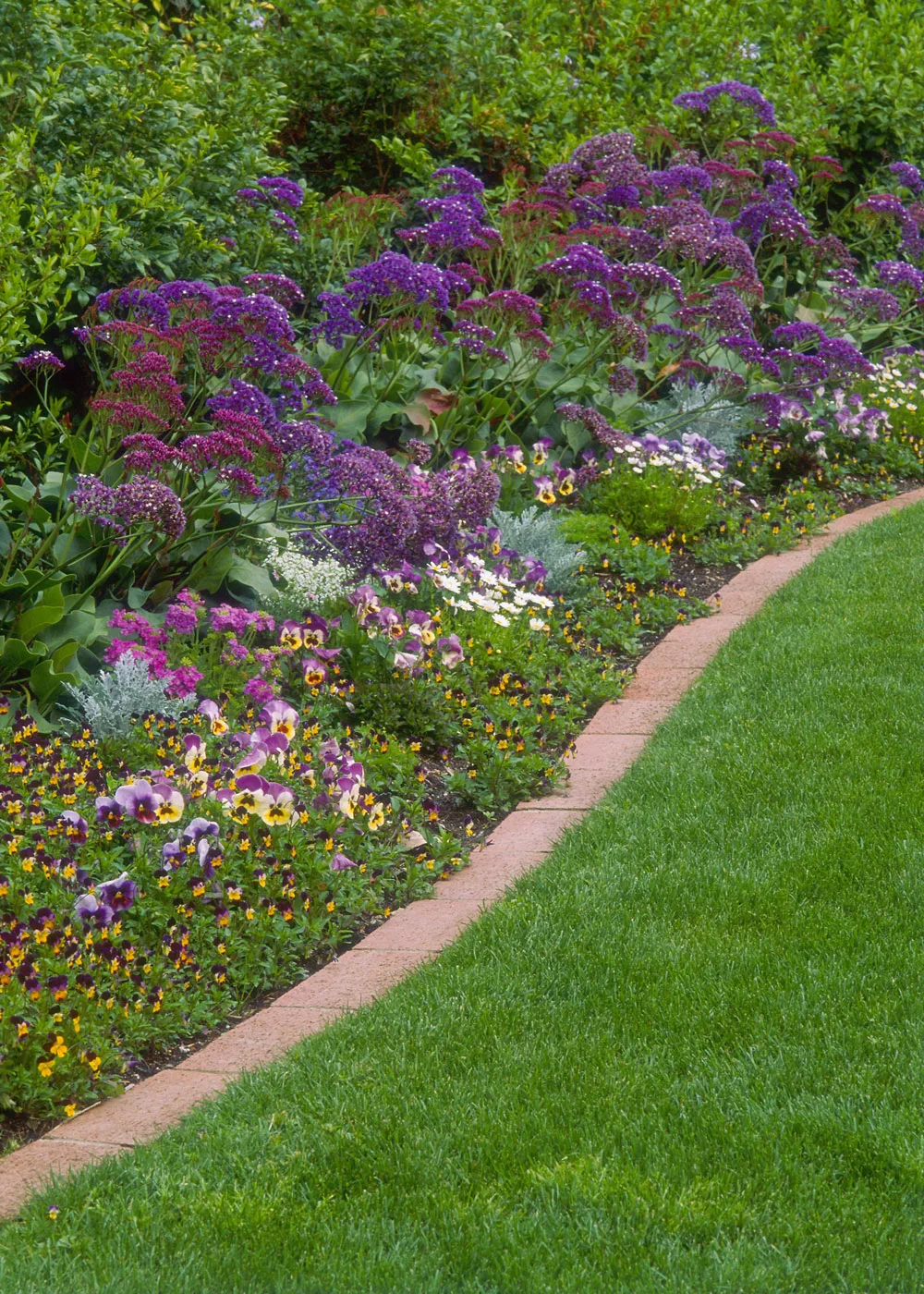
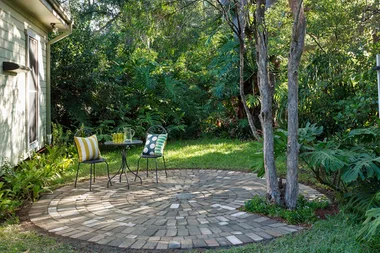
One of the easiest-to-maintain edgings, and great for using up spare pavers or bricks, is this simple paved or brick edge approach.
Dig a narrow trench of suitable depth (so pavers or bricks sit at the same level as the soil), then place pavers end-to-end along the edges. If you wish, you can set them in concrete.
The advantage of this technique is that you can run the mower’s wheel along the solid edge, trimming the lawn edges as you go – no whipper snipper required!
If you don’t have any spare pavers or bricks, or if they aren’t in the budget, adding a stone-look garden border works just as well to replicate this style.
Why use garden edging?
Garden edging serves as a barrier or boundary, defining different spaces in your backyard. These borders are most often used between garden beds, pathways and lawns for easy maintenance.
Edging can also be used within garden beds to separate planting styles or vegie patches if necessary.
Is landscape edging worth it?
Landscape edging is the best option out there for creating structured boundaries in your garden. Edging is beneficial for keeping unwanted visitors out of garden beds, both people and pests alike. Its primary purpose is to create a stylistic barrier between garden beds and lawns.

Related stories
Native ad body.
Native ad body.
Native ad body.