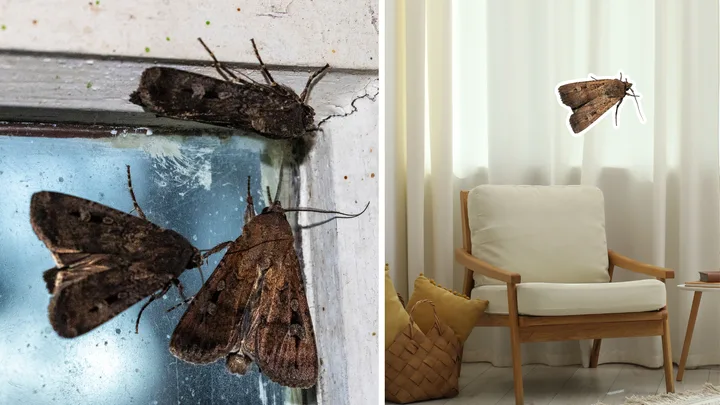
The Bogong moth epidemic, as many are calling it, may have diminished for many over the last week. However, lots of east coast Aussies still have moths hanging around their house, with no signs of them continuing on their journey. Some households are worried about why they are still here, and what they are getting up to in the nooks and crannies of your home.
If you’re concerned that your resident Bogong moths are mating behind your curtains, laying eggs in your wardrobe or defecating on lampshades and bookshelves, here are a few things you need to know.
KEY TAKEAWAYS
- Bogong moths (Agrotis infusa) do not mate during their migration.
- Bogong moths lay eggs in the soil, not in homes or indoor spaces, so there is no chance of infestation.
- During their migration, Bogong moths are eating more nectar, and yes, producing droppings around your home.
Are Bogong moths laying eggs in my house?
Bogong moths will not be laying eggs in your house. This moth species lays eggs in the soil, not in corners and crevices of homes. So there’s no worry that they will infest your home. Bogong moths are a harmless species to humans, pets and clothes. They have not come indoors or into your house to mate.
Why are Bogong moths coming into my house?
In September 2026, they were pushed by strong winds off their long-distance migration course. If they’re still hanging around, it’s most likely because they are attracted to artificial light, not because they want to build a new home in your living room. As summer weather starts, they will finish their migration to the Australian Alps and surrounding mountain region.
How do Bogong moths mate and lay eggs?
Bogong moths actually mate during an entirely different time in the year. After they migrate back from their summer home (AKA the Aussie Alps), they begin to mate in February and March. The Bogong mates and lays eggs in inland NSW, southern QLD and Victoria, where they spend the majority of their time.
If you’re on the coast of NSW and are still waiting for your Bogong moths to leave the house, there’s no need to be concerned that they will choose to stay. If they’re getting trapped inside, make sure to keep artificial light to a minimum, leave doors and windows open for them to leave and use the ‘spider technique’ (plastic container and piece of paper) to move individual moths outside.
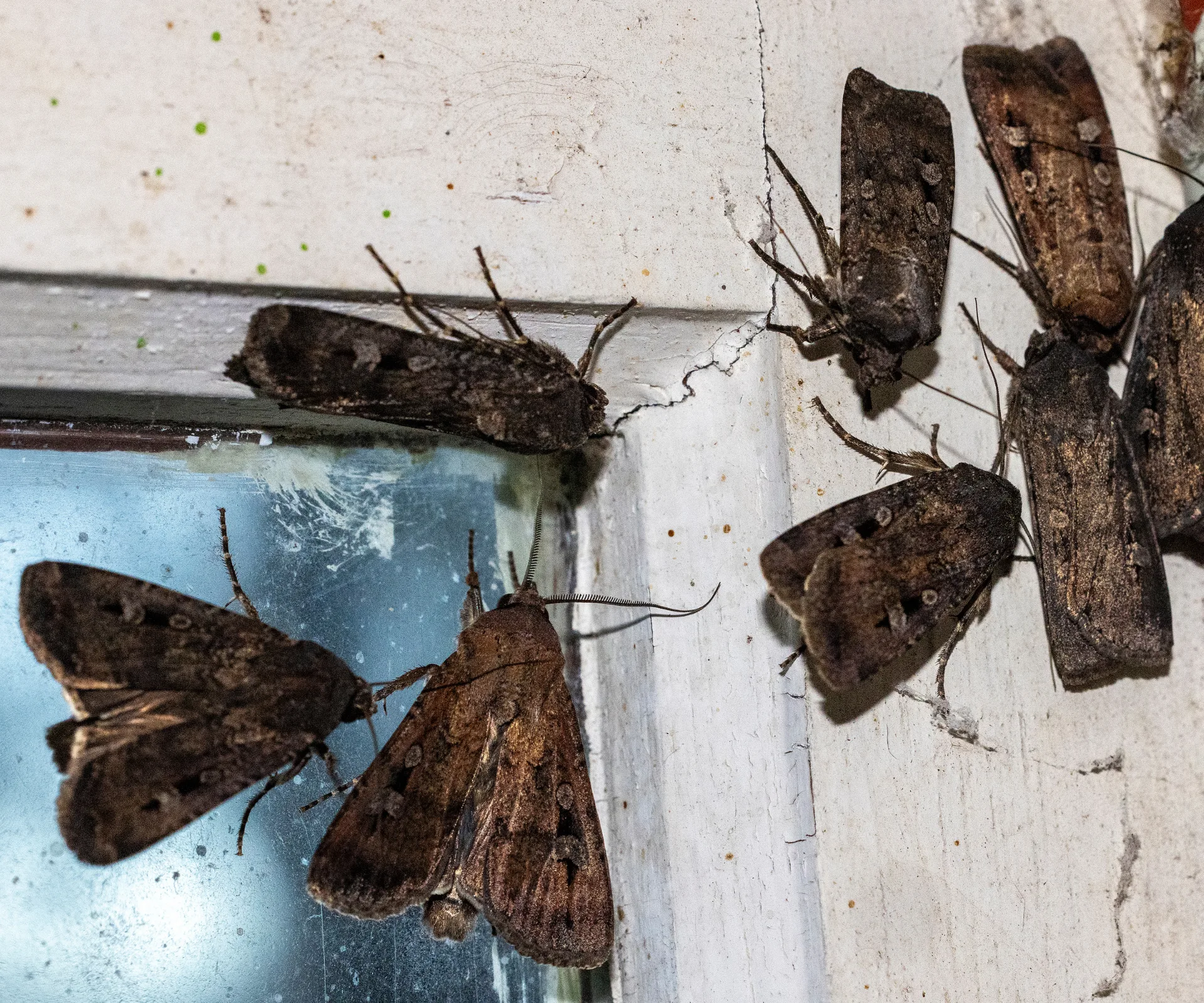
What does a moth egg look like?
Moth eggs are oval or round and usually microscopic in size. If you’re looking closely, you’ll be able to spot moth eggs as they often appear in clumps.
You will need to look in discreet spots. Clothes and carpet moths will lay their eggs along seams and inside folds of clothing – they usually pick more natural fibres like wool, silk and fur. Pantry moths will use the folds, cracks and seams in food packaging to lay their eggs, or will sometimes lay directly onto dry pantry foods like flour and cereals.
Bogong moth eggs are quite different – they do not lay eggs inside; instead, you’ll find them laid directly in the soil (if you live in one of their mating areas!).
Are Bogong moths pooing in my house?
Yes, Bogong moths are pooing and excreting in your house. Adult Bogongs feed on nectar from flowers at night time, and may produce droppings and liquid waste (you know which is which) if they make their way into your house.
Bogong moths are currently on their long-distance migration, and are building up lots of fat reserves in their body by eating as much as they can. This is because during their summer hibernation period, Bogong moths do not eat at all.
Does Bogong moth poo and wee stain?
Unfortunately yes,, Bogong moth droppings and liquid waste (meconium) can leave brown or yellowish-orange marks on walls, windows, and interiors fabrics and upholstery.
Fresh liquid waste is mostly water and uric acid, which can stain if left to dry or set with hot water.
How to clean moth stains: wipe hard surfaces using warm, soapy water – not hot! Heat can permanently set organic moth stains, especially into textiles. Rinse fabrics immediately, flushing any marked clothes or curtains in cold water before putting them through a normal wash cycle (no higher than 40 degrees). The key thing is to act fast before the stain sets in.
Bogong moths eat plants and nectar, not clothes
Research scientist at the Australian Museum, Chris Reid, explains that Bogongs are considered to be minor pests during their larval stage. This is because they feed on plant seedlings and agricultural crops, including cabbage, potato and grain. However, adult Bogong moths – the ones you are seeing now – are not a pest and will not harm your vegies or eat your clothes. They feed off nectar from native plants. And yes, that does mean droppings in your house.
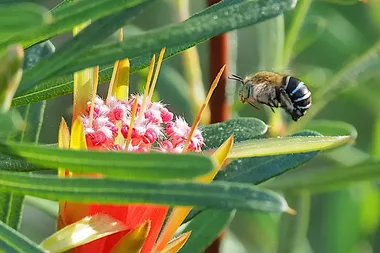
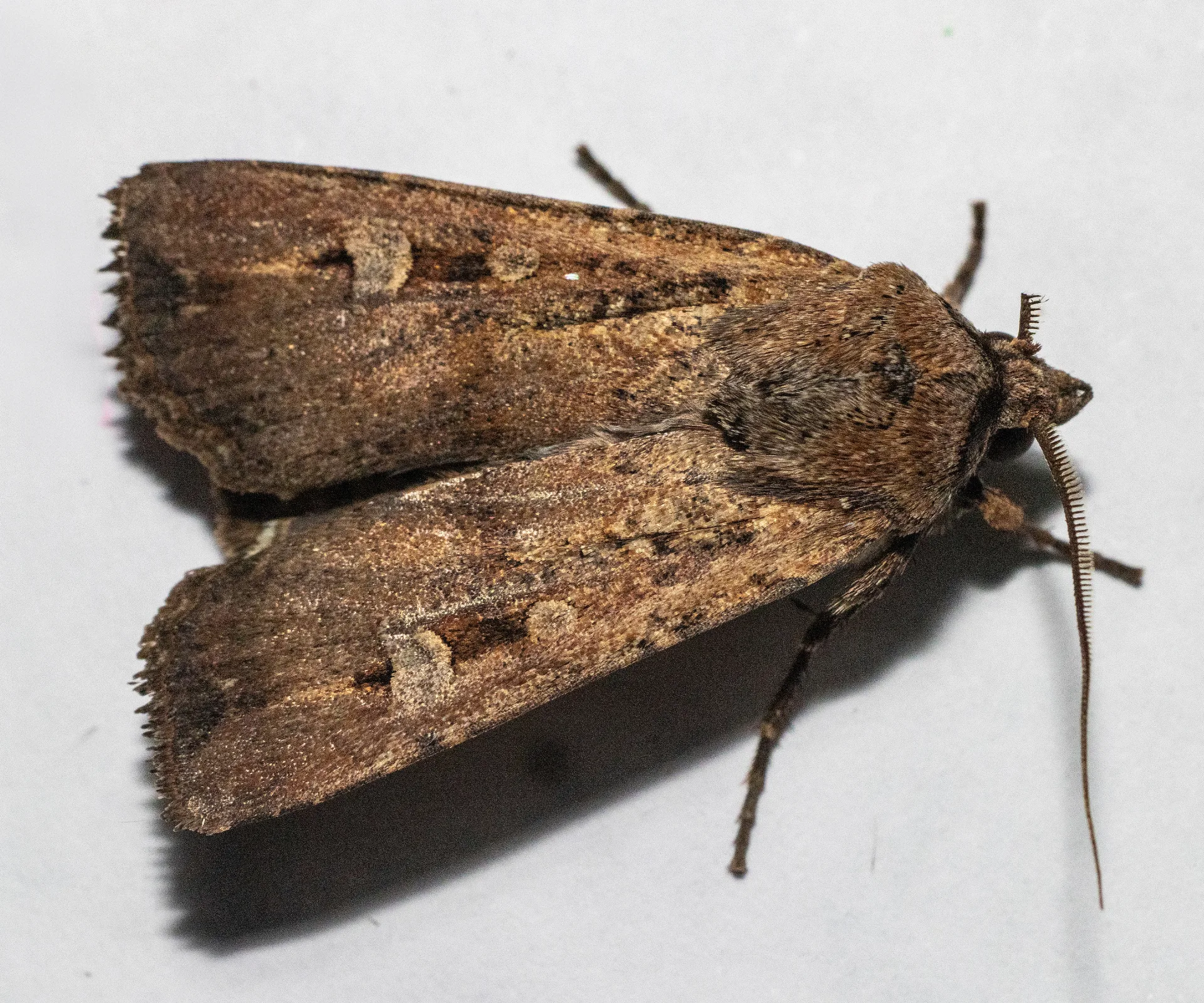
Bogong moths are easy to tell apart from regular moths by their distinct wing markings. A dark stripe and a round, circular spot on each wing easily distinguish a Bogong moth from a common household one.
Bogong moths are likely to stay in Sydney and around coastal NSW for a few more weeks, as they get their bearings and finish off their migration. Changing winds will guide different groups or waves of moths towards the Australian Alps.
The total lifespan of a Bogong moth is around eight months. During that time, a moth will commence a long-distance migration (up to 1000km) from inland NSW to the Australian Alpine region.
Bogong moths are attracted by artificial lights. Adult moths also feed on nectar-filled flowers, including native plants like bottlebrush and grevillea.
Bogong moths are considered to be an endangered species. This is because of a sharp decline in their population from 2017 to 2019. There are over 2.2 billion Bogong moths in Australia currently, but they are still on the endangered species list.

Related stories
Native ad body.
Native ad body.
How to keep your summer lawn pristine
Native ad body.