

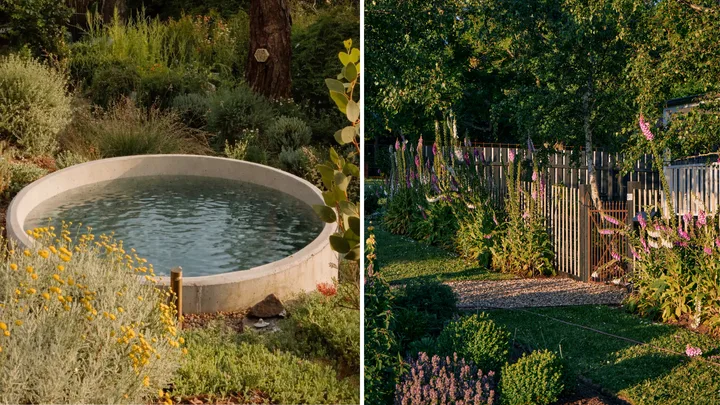
It’s the middle of the year, and gardens are starting to fade away with the cold weather. But after all the garden shows, including the Melbourne International Flower and Garden Show and the Chelsea Flower Show, the trends are already starting to spring up for 2027. From flowing water features to a small space garden design, these garden trends are all about personalisation and finding sanctuary in nature.
We’ve enlisted the help of 4 garden experts, including BHG’s garden editor Jenny Dillon, to help define what we’ll be seeing in our 2027 backyards and front gardens.
KEY TAKEAWAYS
- 2027 garden trends in Australia focus on personalising your garden to you and creating a space that celebrates nature.
- Sustainability and wellness are popular considerations when designing, planting and maintaining gardens.
- The top 5 garden features our experts are seeing are water features, rocks and boulders, native planting, layering and ‘edimentals’.
Meet the experts
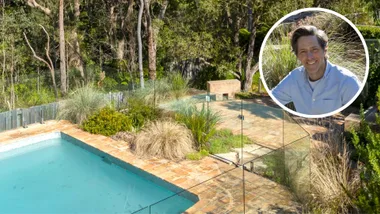
- Jenny Dillon, Better Homes and Gardens Garden Editor, studied horticulture and landscape design at the world-renowned Ryde Horticultural College and has more than 20 years of experience writing for Australian magazines.
- Kath Gadd, Landscape Designer, is the founder of Kadd Gadd Landscape Designs and Mallee Design, an online resource dedicated towards native plant documentation and education.
- Clea Cragan, Landscape Designer, is the founder of Miniscape Projects, a landscape design business focusing on bold, beautiful gardens. She has previously worked in graphic design, film production, terrarium design and authorship.
- Natasha Morgan is a landscape architect, educator and writer, and Global Community Manager at Gardenstead, the first social network built for gardeners. She gardens at Little Cottage on a Hill in Daylesford, Victoria.
There are no garden ‘trends’
Before we go into the most popular garden features and design elements, our experts wanted to remind us that there are no garden ‘trends’, but instead, shifts and inspirations that define how are gardens are designed. These shifts are slow and steady, rather than quick fads, and reflect what society is moving towards. For 2027, wellness and sustainability are the biggest shifts seen by our experts.
2 shifts influencing Australian gardens
Wellness
Wellness has quickly become one of the biggest industries in the world, and it has begun to infiltrate our gardens. Creating an ‘outdoor sanctuary’ in the garden is one of the standout garden designs for 2026, with garden shows highlighting peace and personal wellbeing as foundational to building a garden. Water features, seating areas and softer ‘hardscaping’ (structural landscaping elements including stone, brick, concrete, and wood) have been focal points of garden design.
Natasha Morgan explains this shift as a move toward “gardens that give something back, and that are made to be lived in rather than looked at.” Clea Cragan says wellness in gardens is actively supporting health and wellbeing: “Outdoor showers, cold plunges, freestanding bathtubs and saunas are appearing in residential gardens of all sizes, wrapped in lush planting that makes the experience feel immersive rather than clinical.”
Sustainability
Climate change, extreme weather and concern for the local environment have meant a huge shift in the way we design our gardens. Kath Gadd has been an advocate for biodiversity for years, with native planting at the forefront of her design.
She loves the movement towards people seeking nature connection in their outdoor spaces: “If we are all building gardens for wildlife as well as ourselves then that’s a wonderful ‘trend’ which I hope never ends.”
Considering local wildlife, including native mammals, pollinators, insects and even reptiles, is changing what we plant and how we structure our gardens. Water features play a huge part in helping hydrate animals, while rock features and plants provide habitat and food sources. Natasha Morgan explains that wildlife and climate resilience are now running through gardens now, rather than being bolted on as a gesture (after seeing the RHS Chelsea Flower Show 2026). For Clea Cragan, and many other landscape designers, “Sustainability is no longer a constraint; it’s become a design language.”
5 garden design features we’ll see in 2027

Natives are in
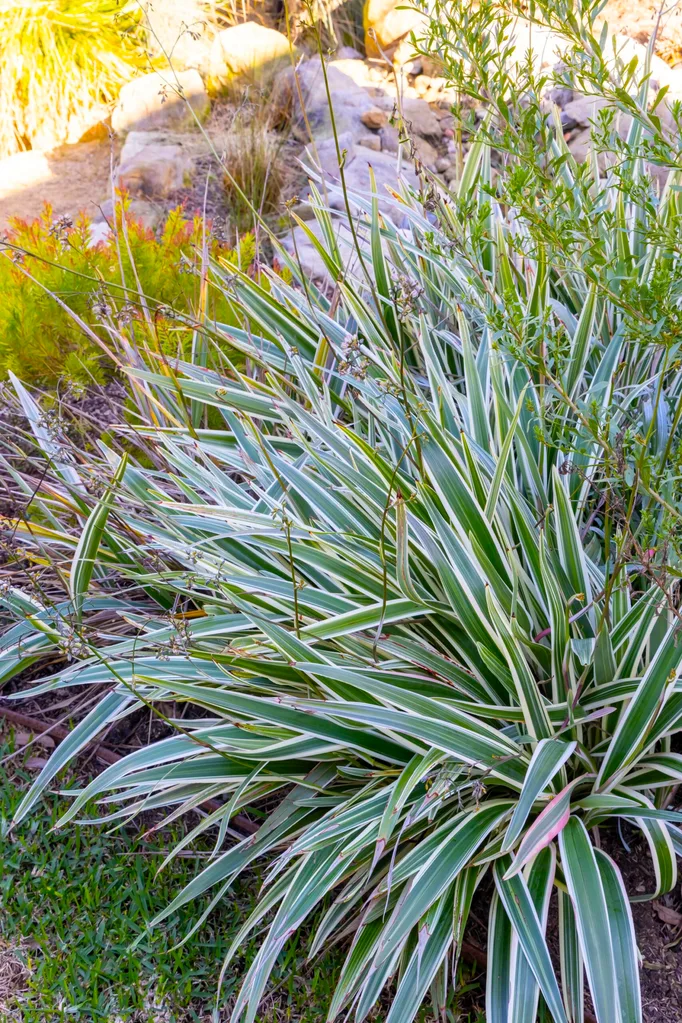
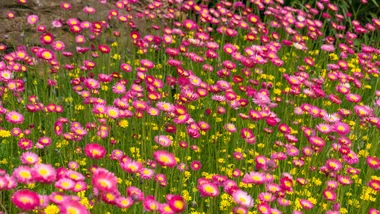
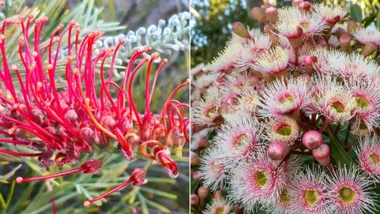
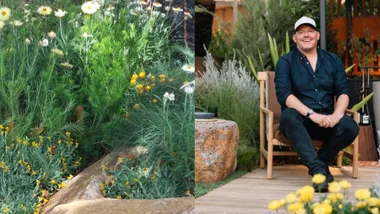
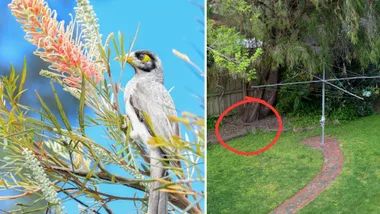
From bird-friendly grevilleas to meadows of everlasting daisies, natives have shifted from niche to mainstream in the garden world. After Jenny visited the Melbourne International Flower and Garden Show, she noticed that almost every finalist garden featured a native plant or flower. From Matt York’s ‘We the Wild’ garden at MIFGS (winner of Best in Show) with Dicksonia ferns, to Charlie Abone using Dichondra repens (Kidney weed) as a lawn alternative on BHGTV, natives are the new norm.
Clea Cragan explains that this slow shift has been driven by climate awareness and an increased availability of Aussie plants in nurseries and retailers. With wellness and sanctuary in mind, Kath Gadd puts this popularity down to inspiration from our local surroundings of forests and bushland. The result? Gardens packed with native plants that have a ‘wilder’ feel.
Adding natives into your own garden is simple; just follow Natasha Morgan’s top piece of advice: “Start with your council’s list of species local to your area. Choose for your place, and for the birds and insects already living there — and then, honestly, plant what you love.”

Water features
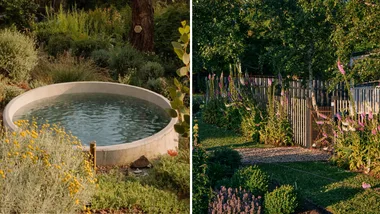
Water features are one of the top design elements for 2026 gardens. Almost every garden finalist at MIFGS had a water feature, while the RHS Chelsea Flower Show also reported a surge in aesthetic water features. Jenny loved Arit Anderson’s water element in her garden with Parkinson’s UK. This accessible garden had a ‘hand-rill’, fashioned after traditional garden rills, built into a sweeping hand rail that guided viewers through the garden.
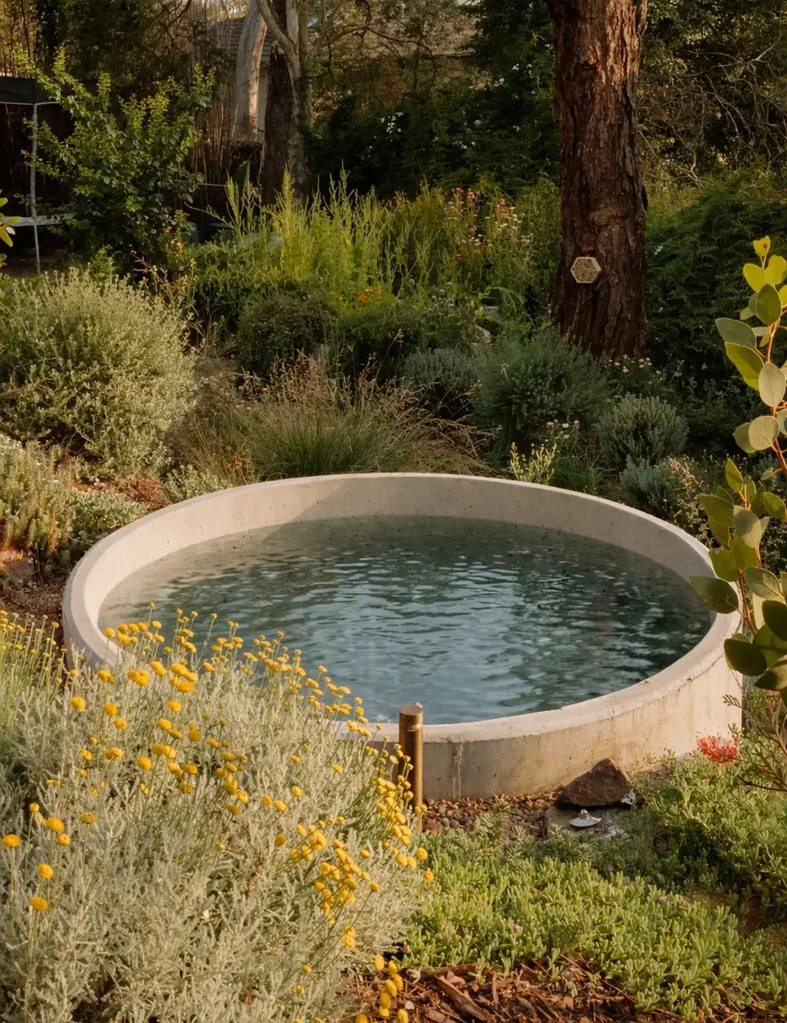
Our experts commented on the popularity of water in garden design, with all three agreeing it is an important feature. Aesthetic is easily created with water – Natasha enjoys the “sound of it, the reflection, the way a still pool holds the sky”, but function has begun to factor into water features as well. Adding a shallow pool for local birds, insects, and reptiles to drink from, a natural pool for water-loving plants, or even a fountain that contributes to an irrigation system is a great way to incorporate functional water elements into the garden.
For those with smaller spaces, a rain chain emulates the sound of running water we all love, or a small birdbath helps hydrate local wildlife without taking up valuable planting spots.

Boulders, rocks and stones
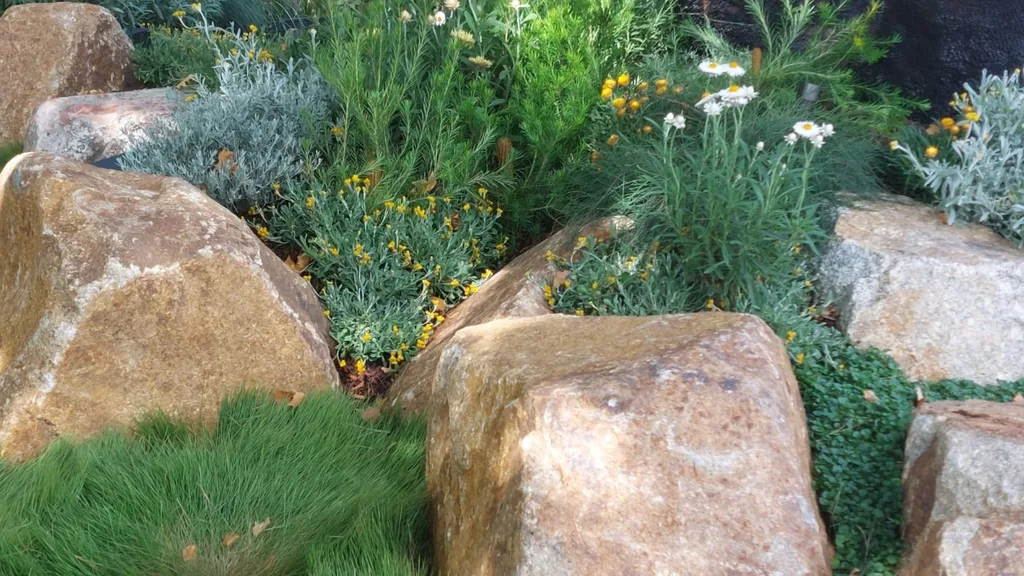
Rock features have been a constant in Kath Gadd’s designs. Big boulders are perfect for drawing in local wildlife: flat tops for sunning lizards and crooks and crannies for insects to inhabit. Now, rocks, boulders and stones have moved into the mainstream, adding interesting texture and a more natural, bushland feel. Kath attributes this trend back to pioneer naturalistic landscape designers, including Gordon Ford and Ellis Stone, where “rock is used as a feature and strong textural element”.
The ‘We the Wild’ garden at MIFGS was enclosed by granite boulders, while Iftikhar Ahmed’s ‘Echoes of the Ancient Silk Road’ contains a large water feature built with natural stone. Whether you’re adding in a few random larger rocks or even a structured rock wall, will make your backyard feel more organic and fitting with the surrounding environment.

Lots of layers
Minimalism has no place in a 2026 garden. Chaos gardening, wildflower meadows and rewilding are still popular garden trends, with a preference towards more natural, unruly design. In future Aussie gardens, more is more is still on-trend, but with a more structured approach than past years.
Jenny says that a layered approach is taking off: building a garden from the ground up, starting with groundcovers, moving to mid-size shrubs and creating height with larger trees and hedging. Natasha agrees, saying that “the gardens that hold up aren’t the crammed ones, they’re the considered ones.” She loves this idea of ‘structured abundance’, which she describes as “strong, quiet bones holding a loose and generous planting inside them.” Kath Gadd also mentions layers, explaining that increasing plant density helps build up wildlife habitats.
Clea Cragan loves the comfort that layering provides: “Generous layering creates a sense of abundance and enclosure that feels genuinely luxurious. Beneath all of it is a deeper desire for gardens to function as sanctuaries. Lush planting provides privacy, softens boundaries and creates a calming sense of escape.” She says that this kind of design sits somewhere between the romance of a cottage garden and the restraint of contemporary Australian design.

Edimentals
Finally, a new word popped up at the RHS Chelsea Flower Show in 2026: edimentals. Mixing herbs, vegies and edible plants in with ornamental flower beds adds to the sensory experience. Not only is your backyard beautiful-looking and filled with floral scents, but it’s now semi-edible as well.
It’s not as whimsical as a cottage garden, but brighter and bolder. Jenny explains that vegetables with striking foliage are the highlight, including ruffled kale, feathery carrot tops, or voluminous cabbage or cauliflower. Likewise, the bright red stems of Swiss Chard or rhubarb also make a statement.
For inspiration, take a look at The King’s Foundation Curious Garden, designed with help from Sir David Beckham. According to Jenny, it had “beans and huge, attention-grabbing cabbages amid delphiniums and sweet pea, while trees included mulberry, pistachio and pomegranate that are also very ornamental.”


