

 Getty
Getty
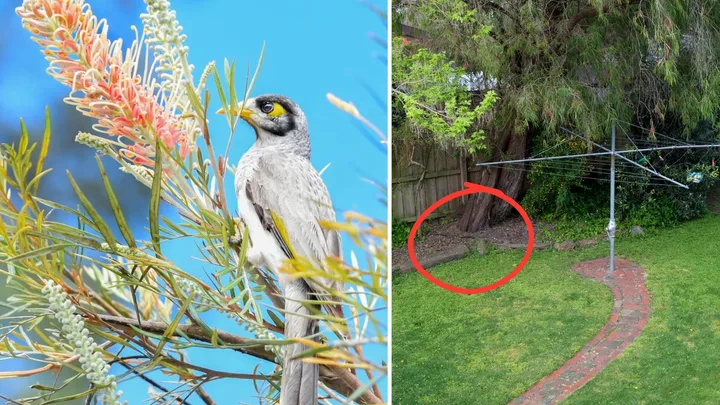
There’s nothing more satisfying than creating a garden that supports Australia’s diverse population of native birds. But have you recently added plants like grevillea and bottle brush, expecting to see sweet little robins and fairy-wrens, only to find that your backyard has turned into a war zone dominated by noisy miners? If you’re tempted to pull up all the trees and take the power back (and restore peace), you’re not alone.
Luckily, it is possible to deter noisy miners in your garden – and it doesn’t involve ripping up any trees. Ecologist and herpetologist Dr Christina Zdenek is a wildlife researcher and coordinator of the Bird Life Urban Birds program. She says our love affair with the ideal suburban yard (you know the one: an open lawn with sparse plants and a few scattered trees) and even the types of native plants we select can accidentally create the perfect storm of factors for miner birds to take over.
KEY TAKEAWAYS
- It is possible to deter noisy miners in your garden by broadening your native plant selection and layering groundcovers, shrubs and tall trees.
- Common gardening mistakes can make noisy miner populations thrive by accident. Things to avoid include: open lawns, sparse plants and trees that noisy miners favour.
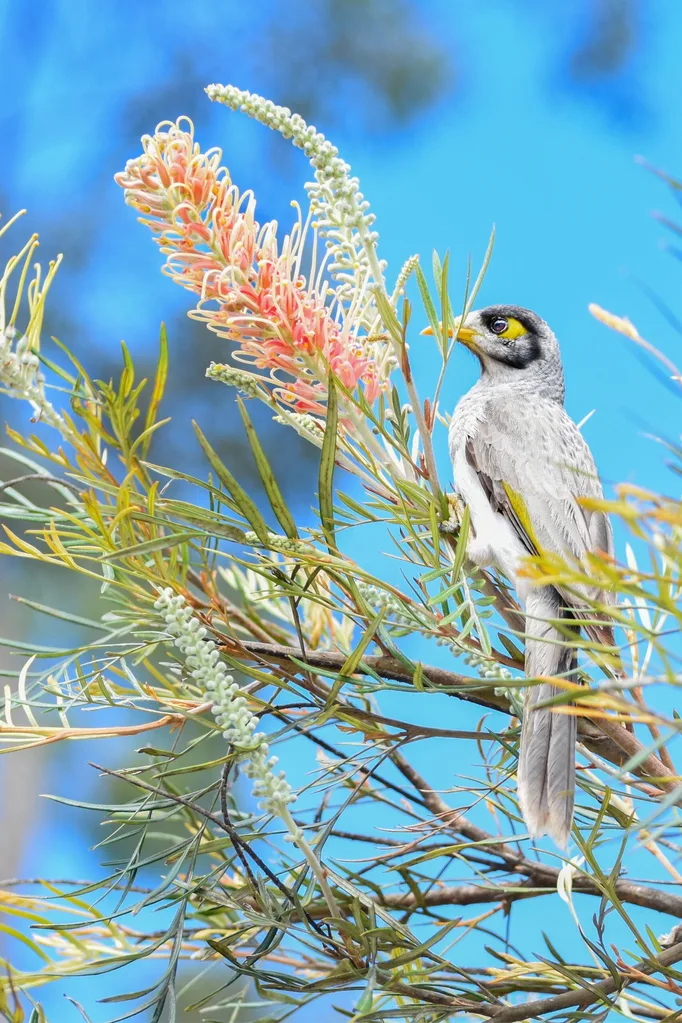
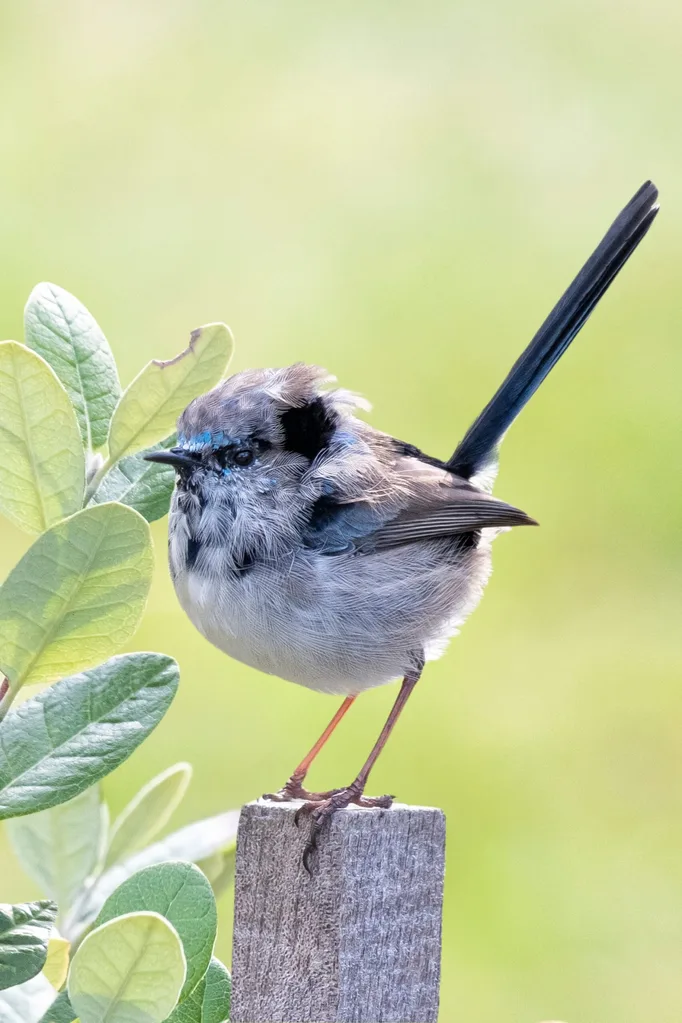
“Over 60 woodland bird species are known, or suspected, to be negatively impacted by overabundant noisy miners,” says Christina. These species include: robins, fairy-wrens, sittellas, tree-creepers, warblers, whistlers, thornbills and more. “People very much want to turn the tide on noisy miner domination in our suburbs, and I’m in full support of that.”
Here are six mistakes that are inadvertently inviting noisy miners to take over and how to fix them and give other woodland bird visitors a chance.
1. You’ve got too many grevilleas and bottle brushes
One reason noisy miner birds band together is to defend a food source.
While native trees like grevilleas and callistemon (bottle brush) are widely regarded as bird-friendly trees, their year-round flowers and rich nectar can encourage noisy miners to band together and push other bird species out. To avoid this, Christina recommends looking beyond grevilleas and bottle brushes when selecting trees for the garden.
2. You’re choosing the wrong natives
But before you rush out to Bunnings or a large retail nursery, it’s important to understand the difference between general Australian natives and local natives. To find out which native plants are best suited to your area, check out your local council website for recommended plants or head to your closest community nursery.
“Community-run nurseries have local volunteers who collect seeds from the local bush to propagate and sell at a low cost. These species are naturally adapted to local conditions and will thrive in your garden,” says Christina.
Some councils, including City of Sydney, Canterbury-Bankstown, City of Ryde, Cumberland, Lane Cove in Sydney even offer free native plant seeds to residents several times yearly.
3. You’re not layering your plants
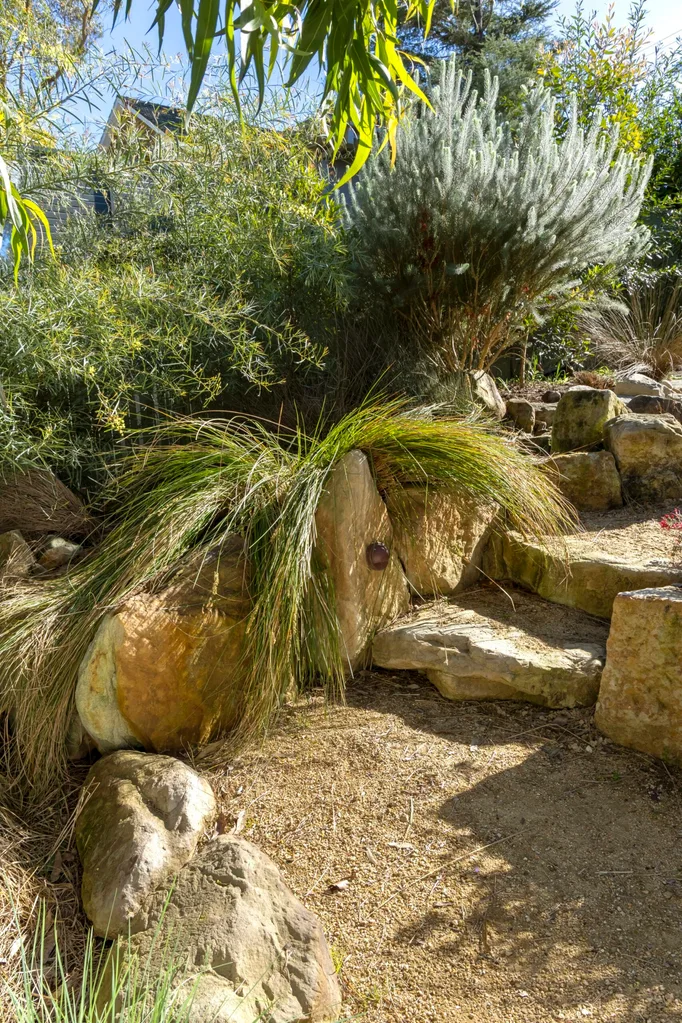
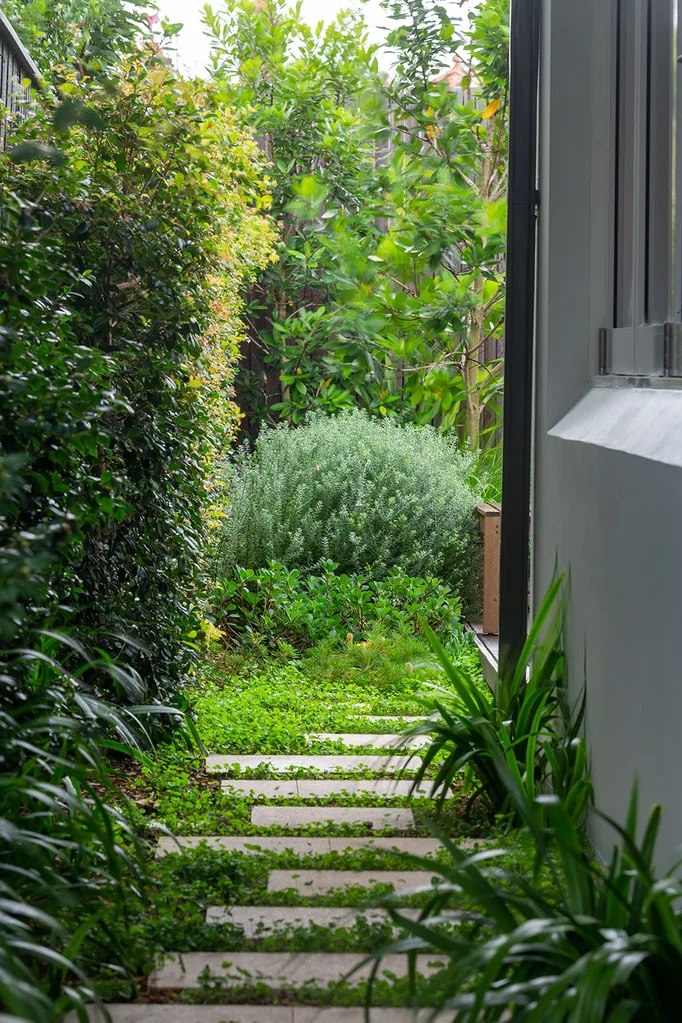
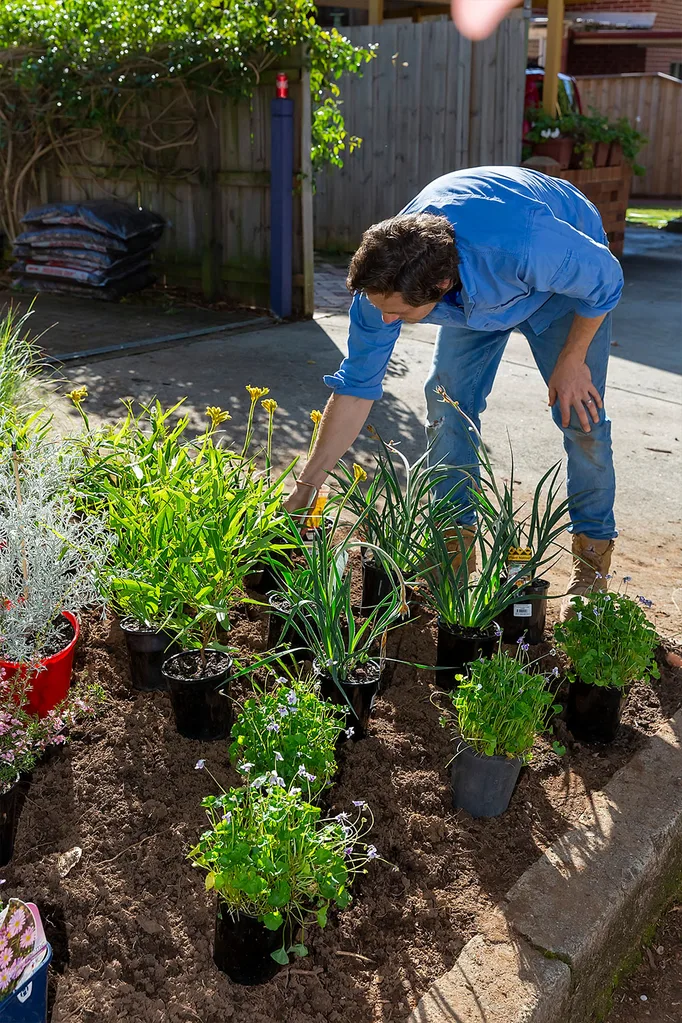
This is the step most people miss: layering plants. “Small-bodied, often colourful and melodious birds need understory and diversity. In particular, they require layered vegetation between knee to overhead height – mainly shrubs, but groundcover too – all the things we usually take out,” says Christina.
So if you’ve already got a grevillea or bottle brush, consider underplanting it with smaller native shrubs and groundcovers, to give other birds a chance against the tide of noisy miners.
Plants to layer for a bird-friendly garden in Sydney
Zach Barnett is a native landscaper at Boronia Landscapes in Sydney. He says not to get discouraged if you’ve noticed noisy miner birds taking over your garden. “Noisy miners are always the first birds to come when you’re establishing a native garden, but as it grows and matures, other honey-eating birds will join and take over.”
These are the mid-size shrubs and tall trees Zach reaches for when designing gardens in Sydney to support native birds:
Mid-sized shrubs
- Hairpin banksia (Banksia spinulosa)
- Rock correa (Correa glabra)
- Hairy hakea (Hakea gibbosa)
- Mountain devil (Lambertia formosa)
Large trees
- White Sally wattle (Acacia floribunda)
- Sydney red gum (Angophora costata)
Zach also says it’s a good idea to plant native grasses, such as common tussock grass (Poa labillardierei), as this provides birds with crucial nest-building materials.
4. You’re a slave to your lawn
Speaking of native grasses … How attached are you to your lawn? While some consider a pristine lawn a source of pride, the number of people gladly giving up weekly mowing in favour of native garden beds or native lawn alternatives is growing. Each week, more than 161,000 people visit the US-based Reddit Thread ‘No Lawns’, where members swap plant tips and share snaps of their lawn-free yards. Similar trends can be observed in Australia in Facebook Groups and smaller Reddit threads.
Christina says every lawn is a missed opportunity to welcome small woodland birds back to the suburbs. “The more lawn and the less structure, the fewer bird species there are. So it’s important to plant shrubs and groundcover to replace lawn wherever possible.”
Watch: Charlie Albone replaces a traditional lawn with a native Aussie groundcover
5. There’s an overabundance of eucalypts
If you’re on a larger property and are considering which tall trees to add to the garden, Christina says it’s important to look beyond eucalypts. That’s because eucalypts are susceptible to bugs called psyllids, which are another food source noisy miners will band together to aggressively defend. “Noisy miners love to eat lerp, which is a sugar exudate of psyillds.”
If you have the room, consider planting the following species local to your area:
- Acacias (wattles)
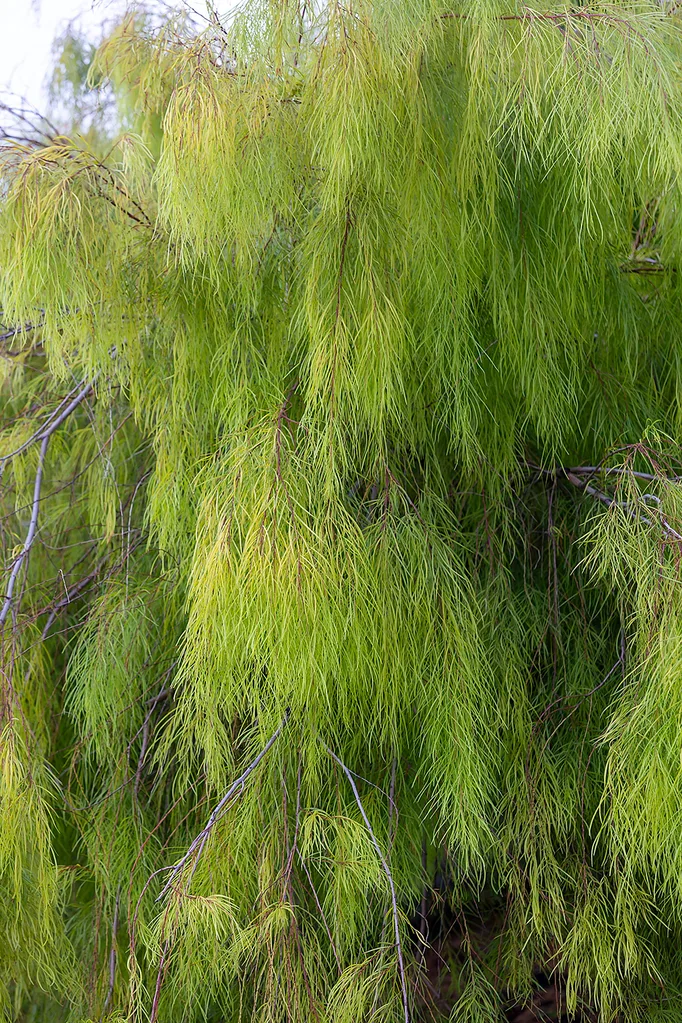
- Callitris
- Casuarina / Allocasuarina
- Melaleuca
6. You’re not thinking about the whole ecosystem
By improving the plant diversity and layering in your garden, you’ll provide smaller woodland birds with places to hide and nest. But there’s still one last thing to consider: the food supply. “This means we need to support insects!” says Christina. “Don’t spray insecticide poisons, because that could be destroying the ‘grocery store’ for birds.”
Leaf litter provides a place for insects to breed and hide, so if you can, put down the rake or leaf blower and let nature run its course. You could also add native leaf mulch to your garden (available at native nurseries and landscape supply stores) to support not only insects and birds, but also to improve the soil health of your garden. Alternatively, making your own leaf mulch is a straightforward and highly rewarding project!
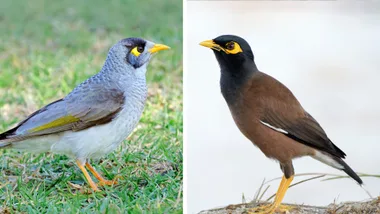
“Noisy miners are adaptable, highly social birds,” explains Christina. They have a clan-like social structure that allows them to gang up on and chase away other birds. “They relentlessly harass other birds to dominate an area.”
In a natural forest setting, where food and habitat are plentiful, noisy miner bird populations are kept in check, and they have been observed to live successfully alongside other woodland birds. Things start to go wrong when trees and plants are cleared to make way for suburbs and housing developments. “This is habitat simplification. Such a landscape not only helps hundreds of noisy miners but likewise disfavours small, insect and nectar-feeding woodland birds,” says Christina.
Noisy miners are native Australian birds, so you might be wondering whether it’s ethical to want to keep them out of your garden. The problem with noisy miners is that their dominance in certain areas is threatening other native Australian bird species.
“Our native woodland bird species are in trouble,” says Christina. “Forty-one woodland bird species across Australia are threatened with extinction.” One such species, the regent honeyeater, is critically endangered, and noisy miner populations have been identified as a major factor contributing to its decline. “We don’t want to demonise noisy miners,” Christina warns, however. “But to keep our wrens and warblers, we need to tip the balance back and ensure there are those pockets of vegetation to support all the birds we love.”


