
 Left: Getty | Right: Shelly Butcher
Australia is the reptile capital of the world, but a mysterious new snake fungal disease could put several species, including eastern brown snakes and carpet pythons, at risk. Before you say “good riddance,” consider this: snakes are actually vital to Australia’s ecosystems – keeping rodent populations in check and feeding native Australian birds of prey like kookaburras and wedge-tailed eagles.
The good news is that wildlife researchers, vets and snake catchers are working together to track the disease, including sharing information on how you can help stop the spread. Shelly Butcher is a wildlife vet and PhD researcher at the University of Queensland. She says, “Fungal diseases can reduce their survival and reproduction, adding to the pressures snakes already face from climate change, habitat loss and invasive species.”
KEY TAKEAWAYS
- A mysterious new fungal disease is threatening snakes in Southeast Queensland – First observed in 2024, it has been confirmed in five wild species and there is currently no known cure.
- Know the signs – Discolouration, crusty skin lesions, lethargy, weight-loss and abnormal shedding. If you spot an affected snake, don’t handle it – photograph it, note its location and call a local snake catcher or wildlife hospital.
How to spot snake fungal disease
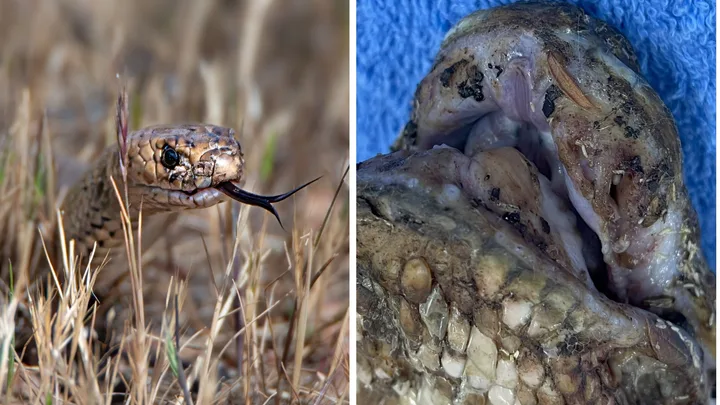
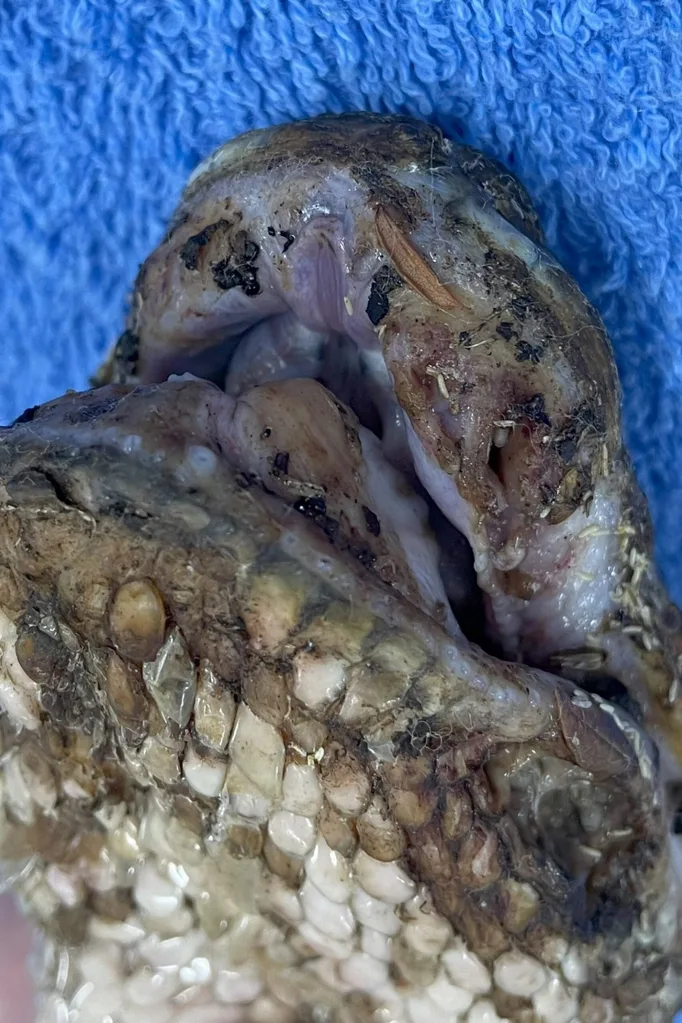
Much is still unknown about the new disease, known as ‘snake fungal disease’, or ophidiomycosis, however, signs that a snake has been affected include:
- yellow-brown discolouration
- raised, crusty skin lesions
The lesions usually appear on the underside of the snake, but can also occur across the body, head and tail. “Affected animals may also become lethargic, lose weight, or have abnormal shedding,” says Shelly.
Researchers like Shelly, wildlife hospitals and local snake catchers have banded together to track the disease. At this stage, it is not known where the disease came from or whether there is a cure. “Sadly, many of the animals we’ve seen have been too severely affected for treatment to be a viable option,” says Shelly.
Where did snake fungal disease come from?
Ophidiomycosis is one of three distinct, but closely related, fungal conditions that have been identified in wild snakes and lizards in Southeast Queensland in recent years. The other two are nannizziomycosis and paranannizziomycosis.
“These diseases are commonly reported overseas, particularly in North America and Europe, and they are more frequently reported in pet reptiles,” says Shelly. How the diseases were introduced to Australia is unknown, but the pet trade is a likely source. “We need more data to confirm this,” says Shelly.
Which snake species are affected?
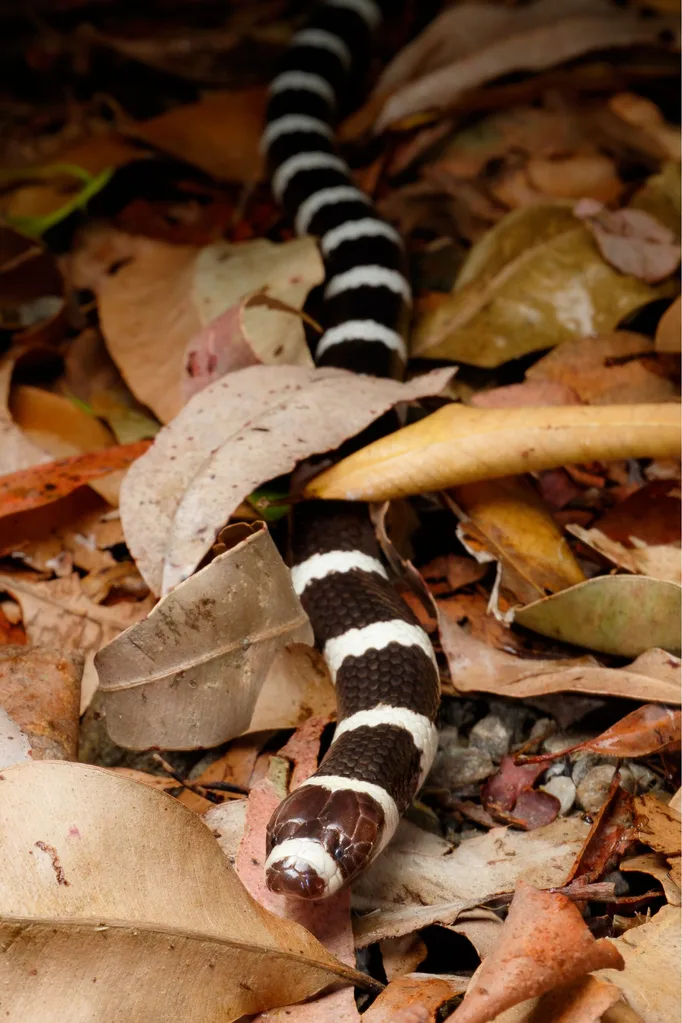
Shelly says the snake fungal disease has been confirmed in five wild snake species including:
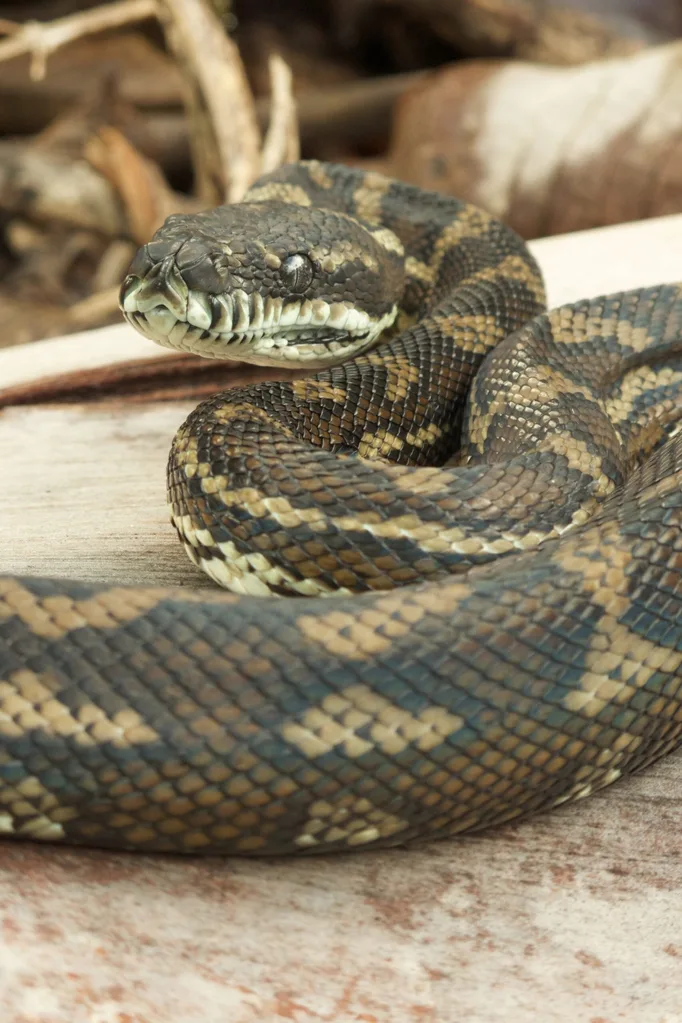
- Carpet python (Morelia spilota)
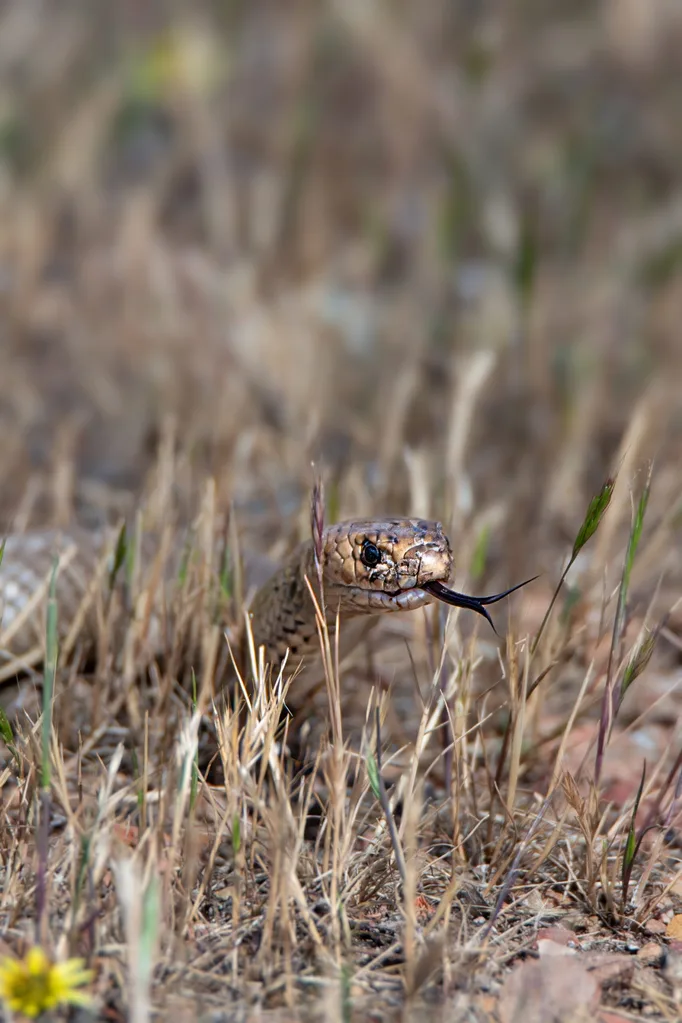
- Eastern brown snake (Pseudonaja textilis)
- White-crowned snake (Cacophis harriettae)
- Eastern bandy bandy (Vermicella annulata)
- Keelback (Tropidonophis mairii)
How snake fungal disease is spread
Snake fungal disease is spread between reptiles through direct contact or through contaminated environments. There is no evidence that the disease can be transmitted to humans or other animals.


How snake catchers are dealing with snake fungal disease
Snake catcher Summer Woolston of Sunshine Coast Snake Catchers has caught several snakes with symptoms of snake fungal disease. “They had brown scabs on their belly and stuck shedded skin. They also presented quite lethargic and skinny, “ she says. “The number [of cases] seems to increase when conditions are rainy and cold.”
Many of the first snakes Summer and her colleagues encountered with the disease were reported by the public near beaches on the Sunshine Coast. After taking affected snakes to Australia Zoo Wildlife Hospital for treatment, she was put in touch with Shelly and researchers at the University of Queensland’s School of the Environment.
“It’s very concerning to us,” says Summer. “We’re learning more about the disease and gathering samples for research. We now assess all wild snakes before release to prevent the spread of the fatal disease. We also gather swabs, clippings and complete surveys to assist Shelly with her research.”
Watch: Summer and Shelly survey snakes for signs of snake fungal disease
How you can help stop the spread
If you see a snake exhibiting the signs of snake fungal disease, keep your distance and do not attempt to handle the snake. If it is safe to do so, Shelly recommends taking photos of the snake and noting the location. “Contact your local vet, wildlife hospital, wildlife rescue group, or snake catcher. You can also report the sighting to iNaturalist or your local wildlife authorities.”
You can also help by donating to charities that are supporting research into snake fungal disease, including WIRES, Wildlife Disease Association Australasia and Wildlife Health Australia.
For pet reptile owners
If you’re a pet reptile owner, you can help prevent the spread of contagious diseases by disposing of reptile enclosure substrates responsibly. Instructions released by the NSW Department of Environment and Climate Change say to dispose of substrates in an enclosed rubbish bin. Never compost reptile enclosure substrates, as this can spread disease. Dispose of dead snakes in accordance with the guidelines set out by your local council.