

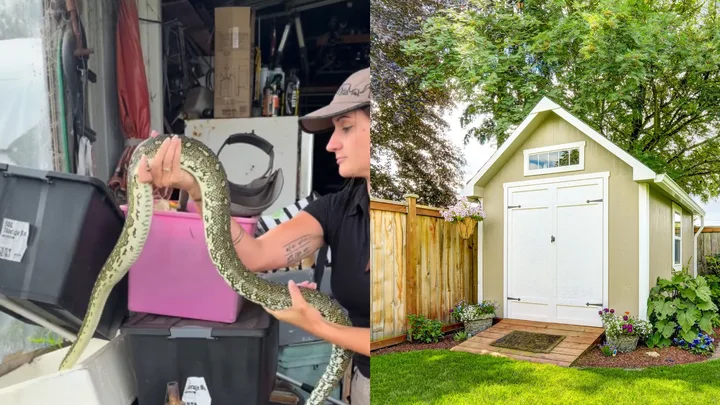
Most Australians assume rain keeps snakes away from their homes and backyards, but that’s not always the case.
What do snakes do when it’s raining?
Bronte Hillen is a snake catcher who runs a snake and reptile relocation service in Newcastle, Lake Macquarie, and the Hunter region. She says snakes are just like us and will look for a place to take shelter from the rain.
“They are just like you,” says Bronte. “No one wants to be caught outside for long periods of time in the rain. So snakes will search for the cosiest place they can find… your shed, under the house, maybe a roof space.”
KEY TAKEAWAYS
- Rain doesn’t keep snakes away — it sends them looking for somewhere warm and dry, which could be your shed, roof space, or under your house
- The riskiest window isn’t during the rain — it’s the sunny stretch right after it stops
- Light rain can actually increase snake activity by flushing out prey like frogs and lizards
- A post-rain garden check before kids and pets go outside takes two minutes and could prevent a close encounter
Snakes are after one thing
If you do spot a snake hiding somewhere in your home or backyard, rest assured, the only thing they are after is shelter.
“Once the cold rain has passed, and the sun is out, it might take them a moment, but they will want to move on,” says Bronte.
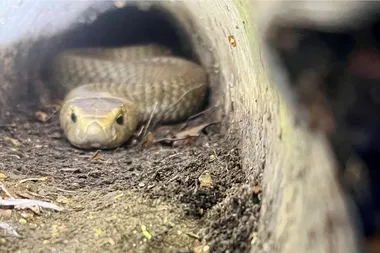
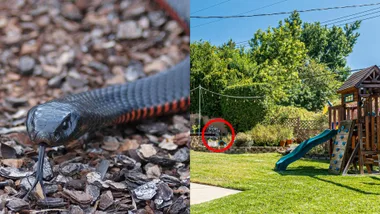
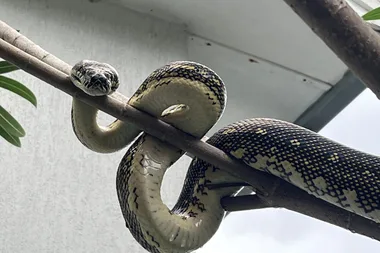
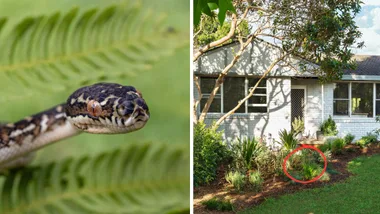
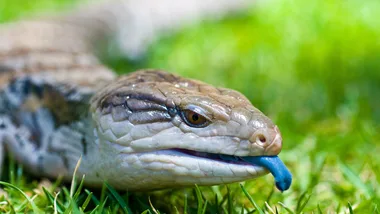
In saying that, if a snake is a little too close to you, your pets or your kids, definitely call a snake catcher to have it relocated.
She adds, “But most of the time, it won’t be long until they continue on their way.”
Unfortunately, the weather itself isn’t a reliable indicator of whether you’ll see more snakes in your backyard.
Wet weather vs dry weather: how snake behaviour actually changes
In dry conditions, we know snakes are largely driven by heat. They bask in the morning, hunt during their active window, and retreat to shade or cool rock crevices in the heat of the day.
That is, unless it’s raining. Snakes lose heat quickly and are forced to move to find dry warmth. Rain also flushes prey animals like frogs and small lizards into the open. This can actually draw some species out rather than sending them into hiding. Whether a snake retreats or hunts in the rain depends heavily on the species and the intensity of the rainfall.
In short, light rain can increase activity, while heavy rain drives most snakes to cover.
When you’re more likely to see a snake
It turns out, the window after the rain stops is when you’re most likely to see a snake.
Research by Dr Timothy Jackson at the University of Melbourne found snakes only emerge from shelter once their body temperature reaches around 16°C — and crucially, not while it’s raining.
That means once the rain clears (and the sun comes out), the snake hiding in your shed will be ready to make a move. This often occurs on the warm concrete paths, wooden decks, and sun-facing brickwork in the most-used parts of your garden.
The most common places snakes like to hide
Having a snake in the house, around your property or in the garden is not necessarily dangerous. As Australian snake hunter Mark Pelley explains, “While there is a lot of fear and hype, snakes do NOT go out of their way to harm people. In fact, the opposite is true; snakes try to avoid people as they are incredibly shy creatures.”
So, where do snakes like to hide in a house? Let’s take a look at the top hiding spots a snake can choose to inhabit:
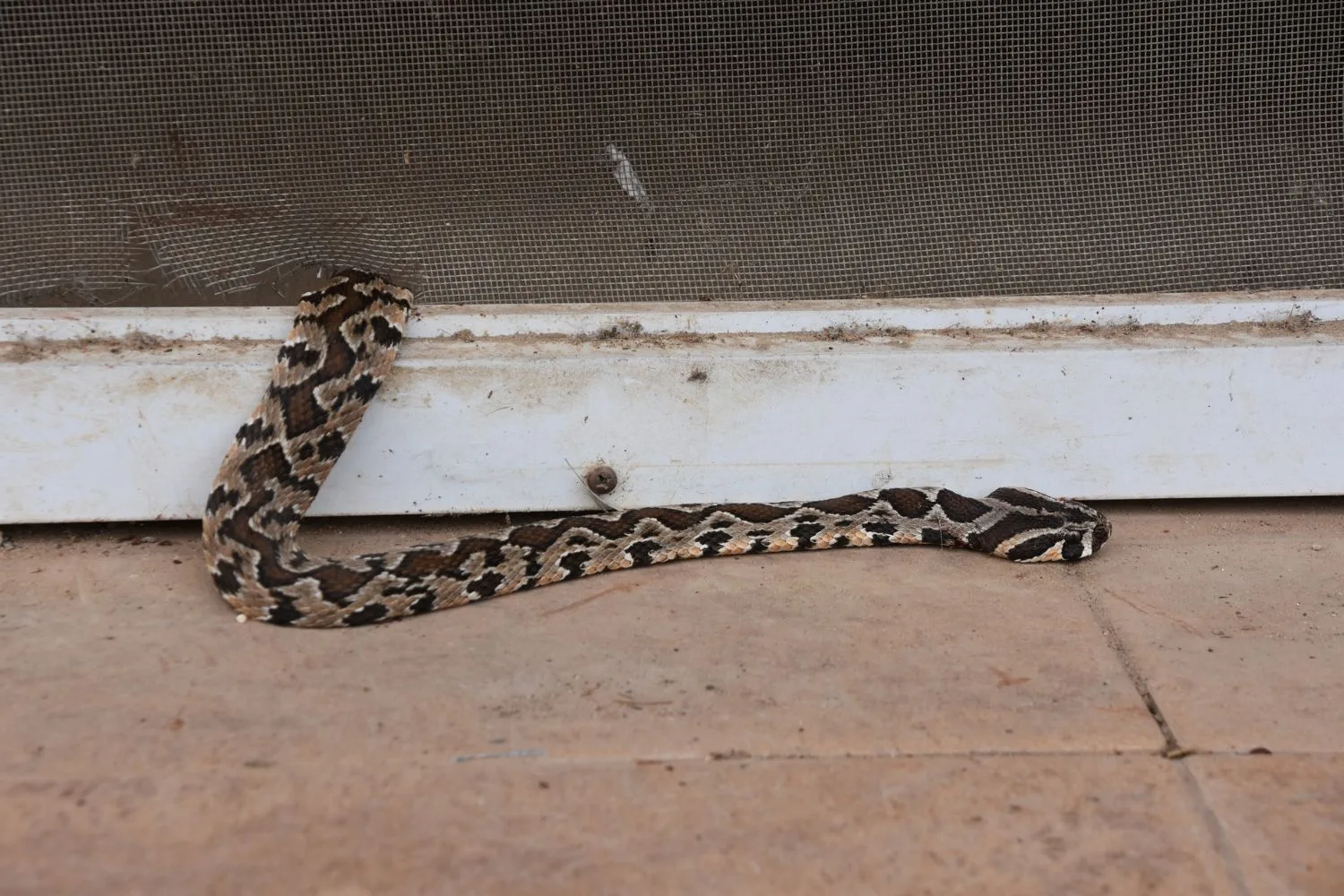
Inside the home
In warm spots
Including underneath refrigerators, in the back of dishwashers or hanging from light fittings. As ectothermic animals, snakes love warmth and will seek out the perfect conditions to regulate their body temperature.
In hidey-holes
This includes underneath beds, behind desks, TV units or bookshelves and in kids’ toy boxes. This is a more secure, cosy, almost nest-like location for a snake.
Where there is food
Such as kitchen cupboards, pantries and even bathroom areas. Snakes often end up in houses while searching for food. Kitchen areas are full of both human food and other items. But they can also be home mice, rats and other prey that snakes love to snack on.
Bathrooms are the perfect spot for drinking water (from the toilet bowl) or sourcing frogs (if it has been raining a lot!).
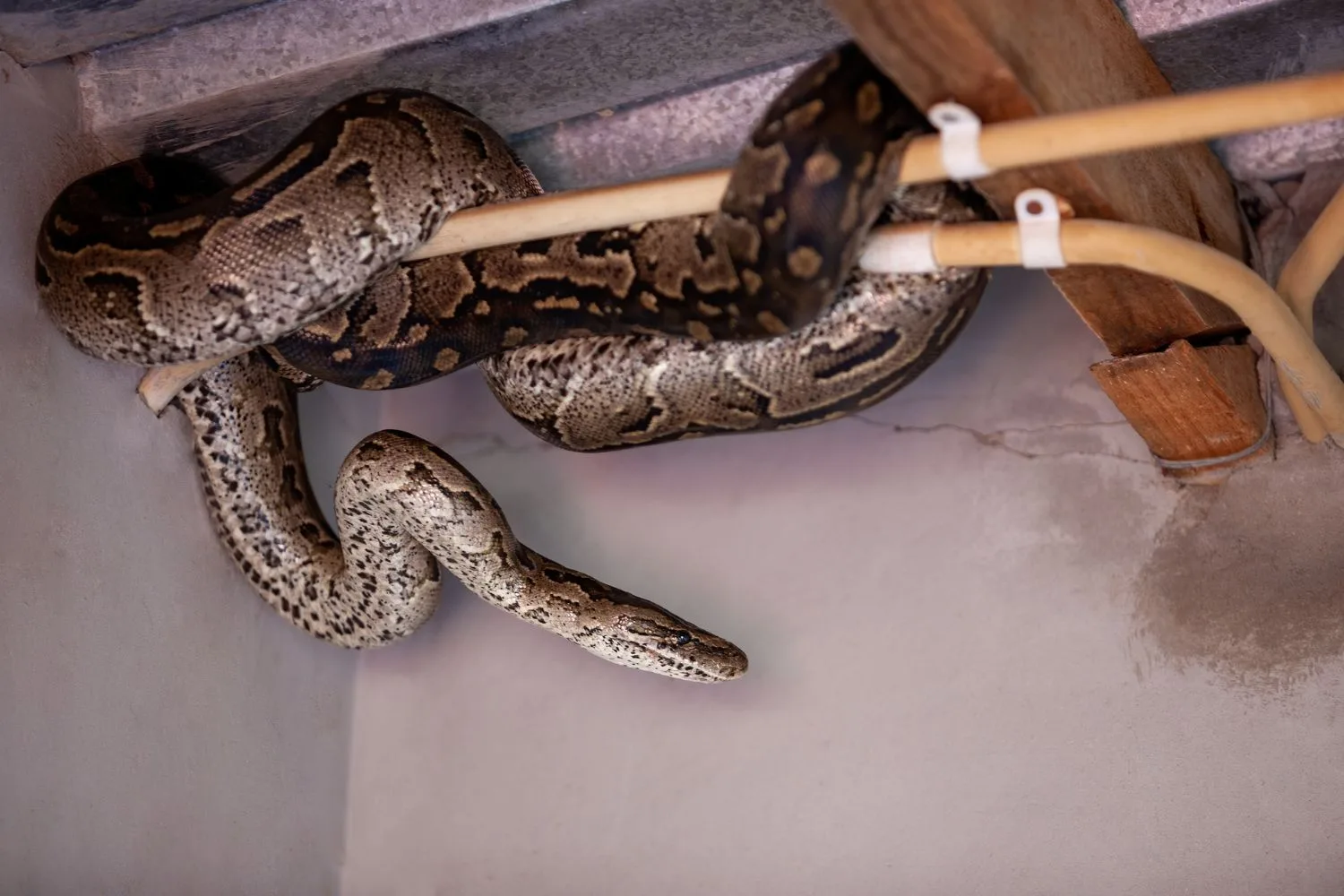
Around your property
In small crevices
Crevices such as weep holes (gaps between bricks that provide ventilation), gaps between pathways and homes, under door mats, or in garages.
In higher places
Including roof tops, gutters, lattices and window sills. Snakes inhabit rooftop areas because they’re way more likely to find prey to eat up there. If anything, they’re getting rid of all the rodents!
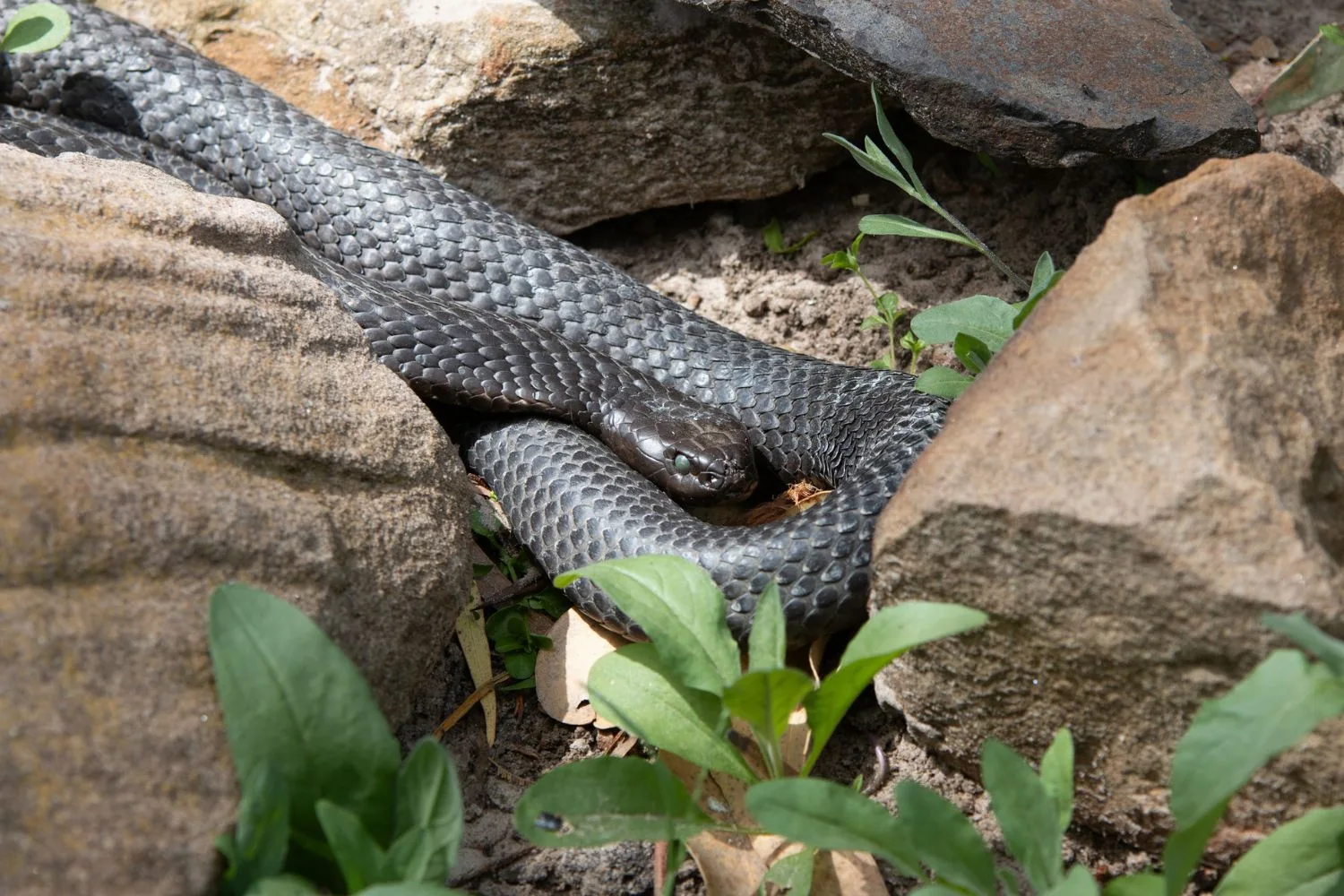
Of course, snakes are most commonly found in the garden. Think scrubs, on a sunny rock or even in the garden shed.
Although preventing snakes in the garden can be relatively easy with repellents and snake-repelling plants, preventing them around the home takes a little more effort.
How to snake-proof your home
The most effective snake-proofing is simply keeping a tidy, well-maintained house. While the answer is simple, the execution is not, and many areas will need to be checked and properly sealed to avoid a snake encounter.
Follow this checklist
- Cover all holes and gaps, including any spaces that lead to the garage, roof, or beneath the foundations of your home. This can be done with physical barriers such as wooden planks and plasterboard, or grates for areas that need better air accessibility, like weep holes.
- Keep a tidy garden: A tidy garden means a snake is less likely to move near your house in the first place. Raking up leaves, cleaning up outdoor mess and mowing the lawn frequently usually does the trick!
- Dispose of food scraps properly: food scraps and the kitchen pantry attract mice and other rodents, which are the perfect dinner for a snake. Make sure all of your bins are covered and that your pantry items are in containers and completely sealed.
- Check high-risk spots after rain. Before letting kids or pets into the yard after a downpour, do a quick check of the spots snakes favour most — around the shed, under the deck, next to the hot water system, and along any sun-facing brick or concrete walls. These are the first places a snake will make for when the sun comes out.
- Hire a professional: if snake spotting has become a regular pastime, or your home seems to attract rather than repel snakes, it may be time to enlist a professional. Calling a snake catcher, wildlife removal expert, or even a pest control company may give you additional tips and tricks for the specific areas in your home that are attracting snakes.
The species most likely to turn up after rain
Not all snakes respond to rain the same way, and the species most likely to appear in your backyard after a downpour varies significantly depending on where in Australia you live.
Coastal Queensland residents face a very different post-rain risk than someone in outback South Australia or a suburban Melbourne garden. Knowing which species are common in your region, how to identify them at a glance, and which are venomous is the most practical knowledge any Australian homeowner can have heading into the cooler months.


