
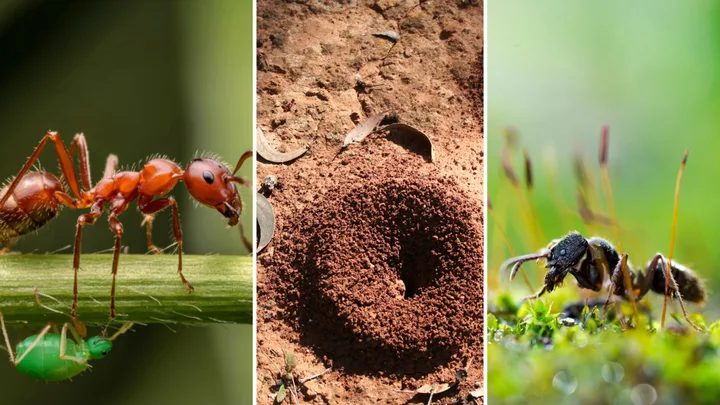
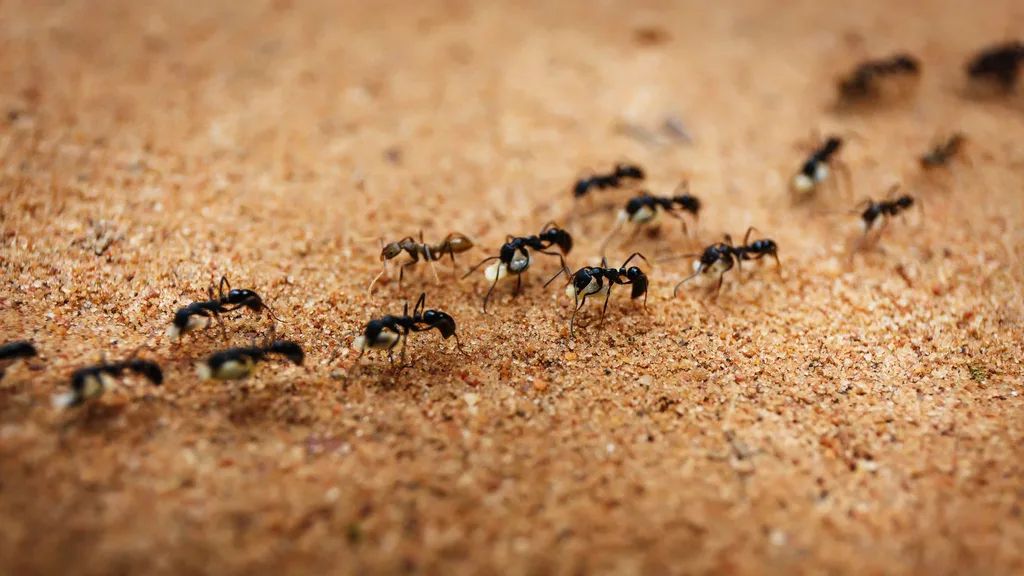
Ants are everywhere right now. After Australia’s hot summer, gardens across the country are seeing huge numbers of ants. Signs you have ants include trails across lawns, mounds in garden beds, and swarms around plants.
The surprising truth about garden ants
If you’re like me, your first instinct is probably to grab the bug spray. But according to horticulturist Jon Lamb’s Good Gardening email, that’s actually one of the worst things you can do.
“In most cases, those ants are actually helping your garden,” he explains. “They’re killing pests you can’t even see yet.”
So how do you know when ants are helping and when they’re causing trouble? And what’s the best way to deal with them without harming the good bugs in your garden? Here’s what I’ve learned.
Are ants good or bad for your garden?
“In the garden, many types of ants play a vital role in containing garden pests,” Jon explains.
Ants actually hunt down and collect all sorts of tiny pests. Think things like young caterpillars, their eggs, and other soft-bodied bugs. In other words, they’re natural pest controllers.
They’re also great little cleaners. Ants clear away dead insects and rotting bits from the soil, and their tunnels help water drain and keep roots healthy. Out in the bush, ants even help spread native seeds.
When ants become a problem
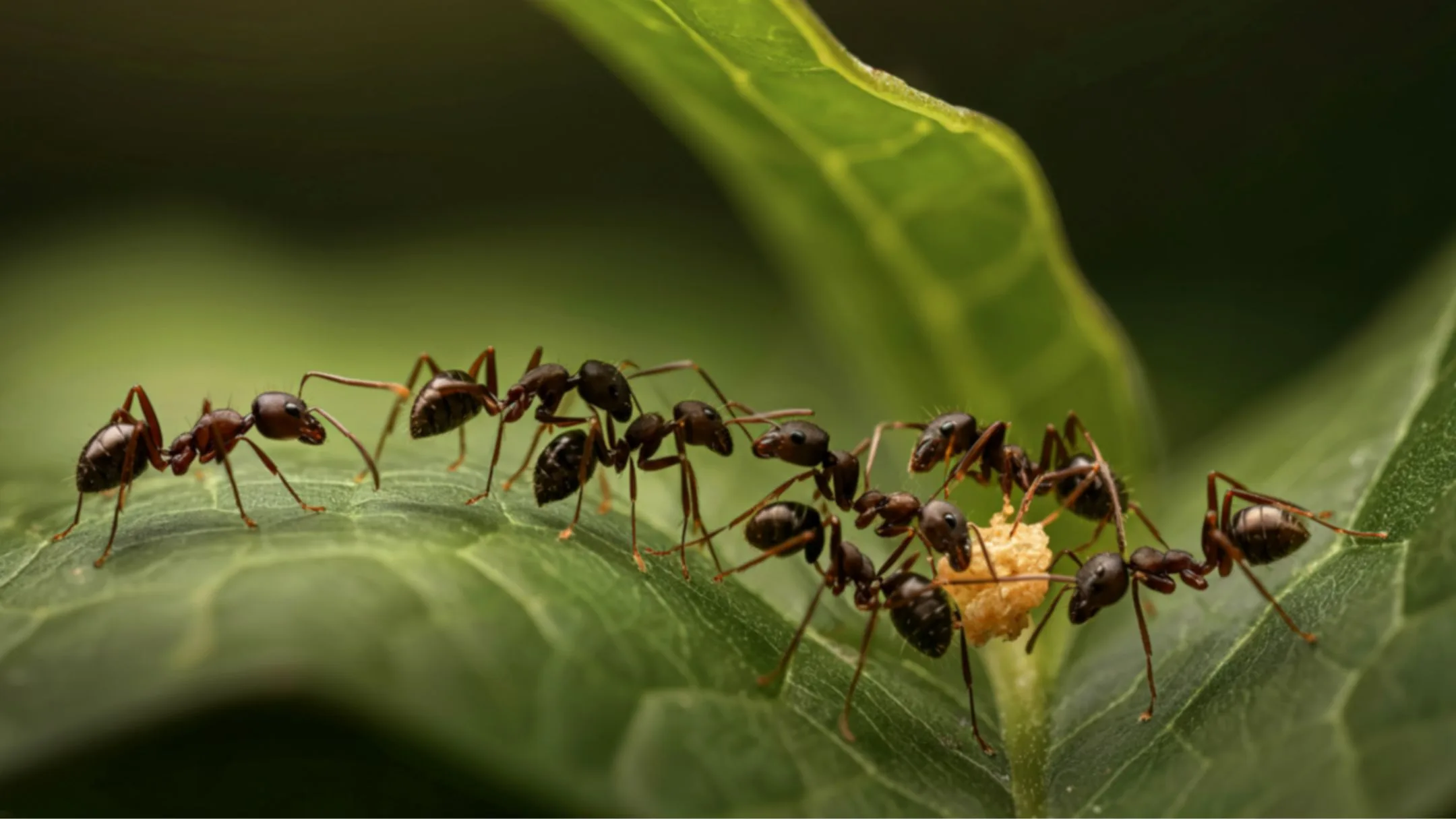
But not all ants are helpful. Some actually “farm” aphids and scale insects, looking after them like tiny livestock. Why? These pests make honeydew, which ants love to eat.
To keep their food supply going, ants will:
- Guard aphids from predators like ladybugs
- Move aphids to fresh, healthy plants.
- Actively spread the infestation.
That’s when ants go from being garden helpers to causing real problems.
Other signs you need to act:
- Massive mounds disrupting your lawn or garden beds
- Swarms covering plants or outdoor areas
- Fire ants (red ants with painful stings)
- Indoor invasion from outdoor nests
If you notice any of these signs, it’s probably time to take action, and not just with a can of spray.
How to tell if your ants are farming aphids
Look for these warning signs:
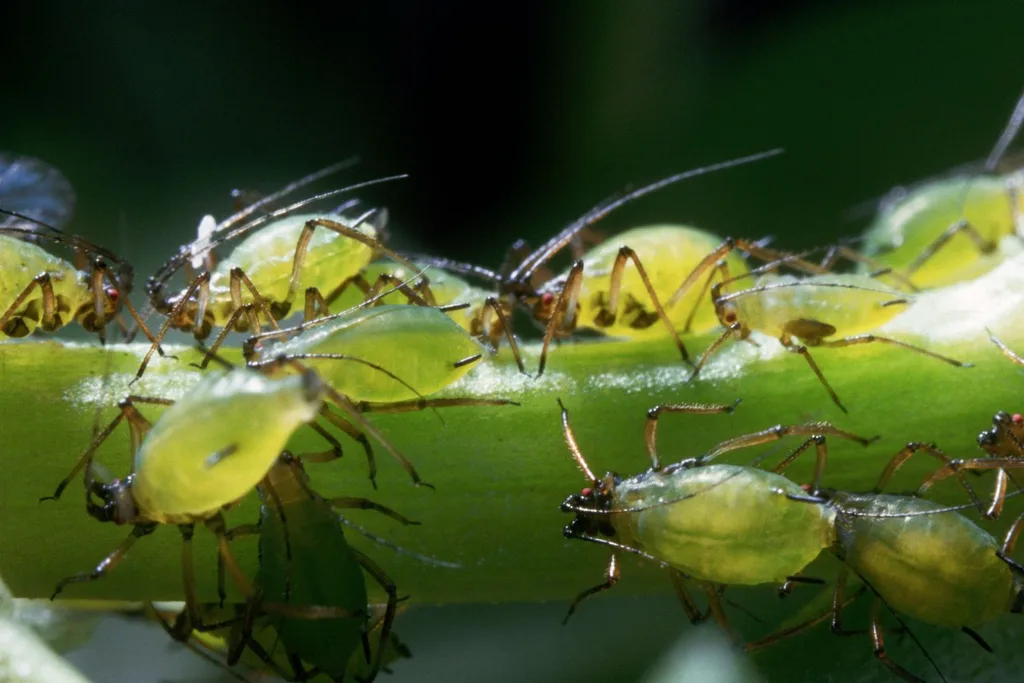
- Sticky leaves — Shiny residue on plant leaves (honeydew)
- Ant trails to specific plants — Not random wandering, but organised routes
- Black sooty mould — Grows on honeydew, making leaves look dirty
- Clusters of small insects — Green, white, or black aphids on stems/leaves
- Ants aggressively chase away ladybugs — Ants protecting their “livestock”
Should you control your ants? Take this quick quiz
START: I have ants in my garden
↓
Are they farming aphids/scale on plants?
→ YES: Use targeted bait
→ NO: Continue ↓
Are they creating massive mounds or swarming?
→ YES: Use targeted bait
→ NO: Continue ↓
Are they fire ants (red, painful sting)?
→ YES: Contact biosecurity + use bait
→ NO: Leave them alone — they’re helping!
If you suspect fire ants, do not disturb the nest. Instead, report them immediately by contacting your state’s Department of Agriculture or calling the National Fire Ant Hotline on 13 25 23.
How do you kill ants in the garden safely?
Spraying insecticides all over the garden isn’t usually the answer. Not only do you get rid of ants, but you also wipe out the good bugs you actually want to keep.
A more targeted approach works much better.
The better way to get rid of outdoor ants
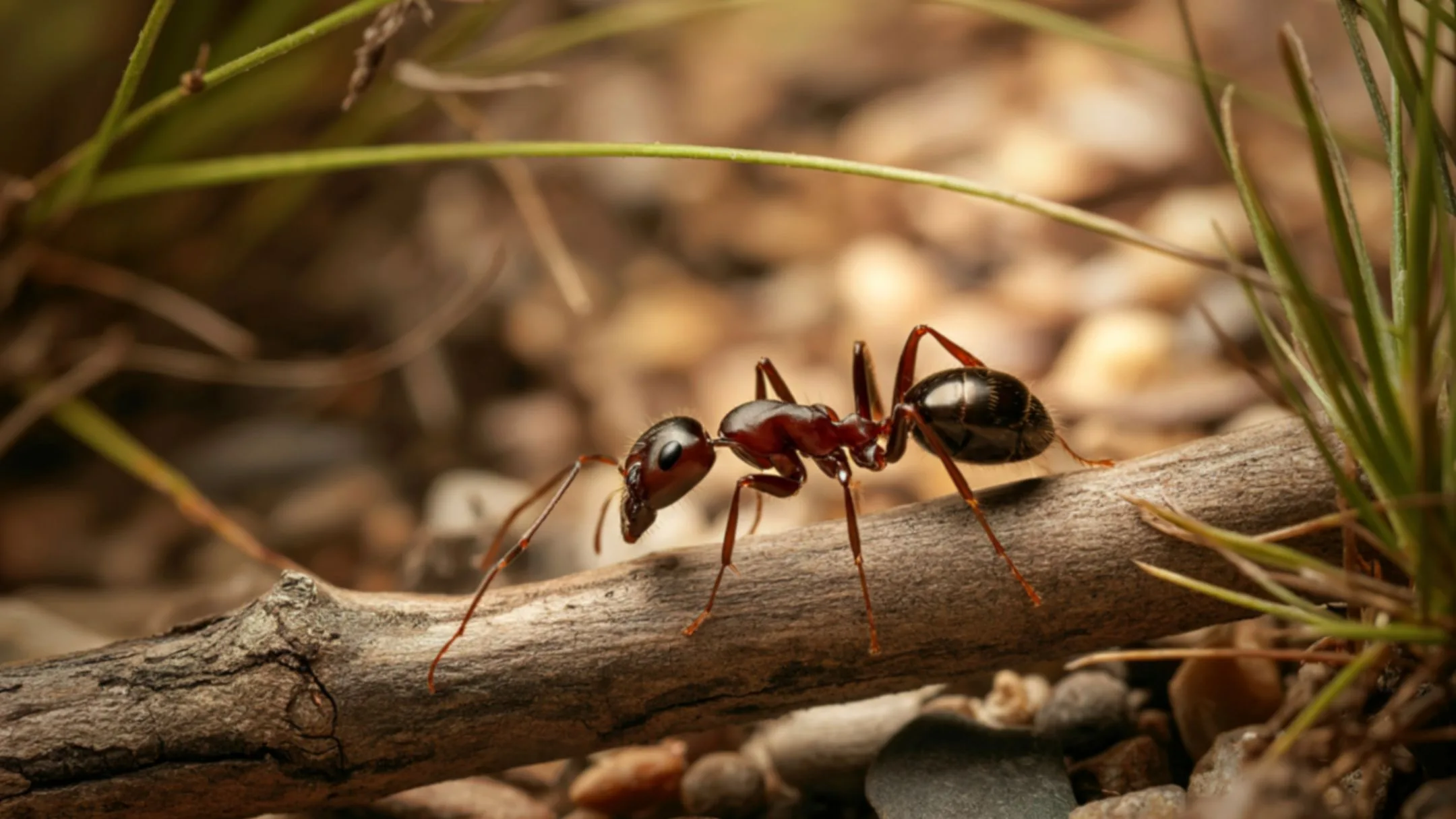
A better way is to use ant nest baits.
“These products contain food that attracts ants, combined with a very small quantity of ant-specific insecticide,” says Jon. “The bait is carried back to the nest and shared throughout the colony, helping eliminate the source rather than just the ants you see foraging.”
You can get ant baits in gel or granule form, and you only need a small amount to do the trick.
Ant control methods compared
| Method | Cost | Kills beneficial insects | Effectiveness | Best for |
| Ant nest bait | $12-$20 | No | Excellent | Targeting colonies without harming garden |
| Targeting colonies without harming the garden | $15-$30 | Yes | Poor | Not recommended for gardens |
| Boiling water | Free | Some surface insects | Moderate | Small surface nests only |
When to contact a professional
Most of the time, you can handle ants yourself with baits and barriers. But sometimes, it’s best to call in the experts.
Call a licensed pest control professional or contact your local biosecurity authority immediately if:
- You’ve identified fire ants (typically reddish-brown, highly aggressive and known for their painful sting). Fire ants are a serious biosecurity threat in many Australian states and must be reported.
- Ants are causing structural damage, particularly around your home’s foundation, paving, retaining walls or timber elements.
- Store-bought baits haven’t worked after two to three weeks.
- You or someone in your household has a severe allergy to ant stings.
Frequently asked questions
Ants rarely kill plants on their own. The real problem occurs when they protect aphids and scale insects, which feed on plant sap and stunt growth. If you notice sticky leaves, mould or heavy aphid clusters, ants may be contributing to plant damage.
In most cases, ants are good for your garden. They help control pests such as caterpillars and insect eggs, clean up organic debris, and improve soil drainage through their tunnels. However, they can become a problem if they start to farm aphids or build disruptive mounds.
Hot, dry weather makes ants more active as they search for food and moisture. After extreme summer heat, colonies expand and forage more aggressively, which is why you may suddenly see more trails, mounds and swarms across lawns and garden beds.
The safest way to control garden ants is with targeted ant nest baits. Ants carry the bait back to the colony, helping eliminate the nest at its source. This method avoids spraying broad insecticides that can harm beneficial insects and disrupt your garden ecosystem.

Related stories
Native ad body.
Native ad body.
How to keep your summer lawn pristine

Native ad body.