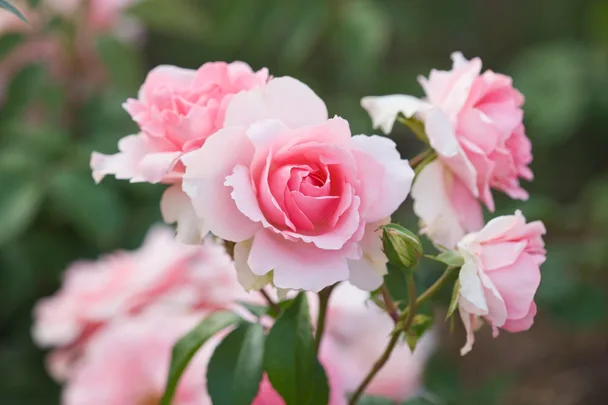
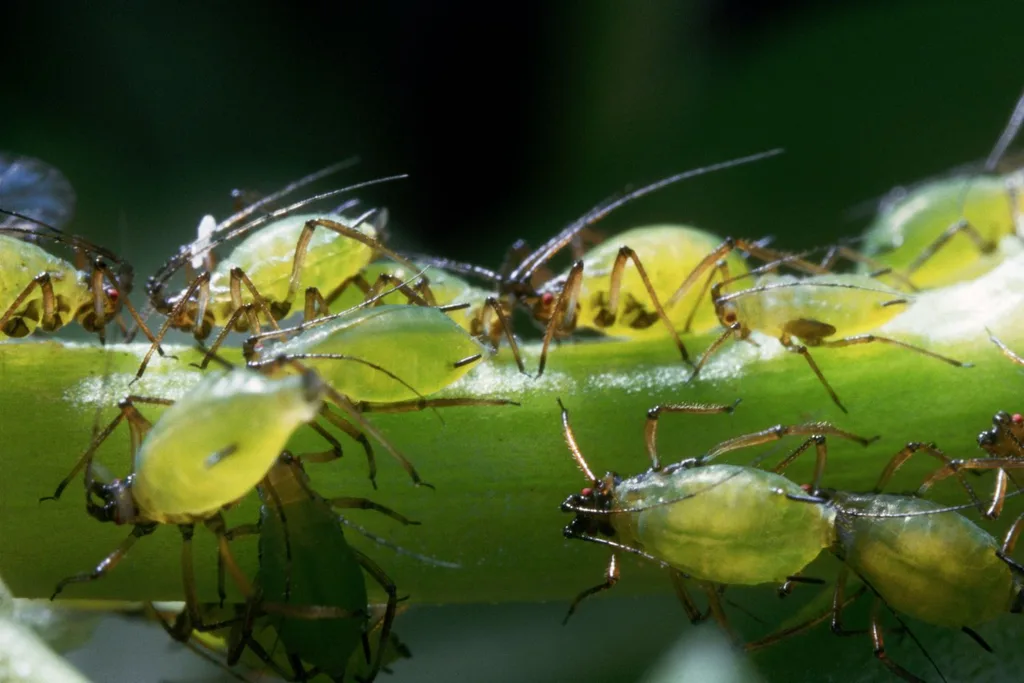
If you spot tiny green or pink bugs all over your roses, you’re probably dealing with aphids. These sap-sucking garden pests arrive in spring and cluster on new growth and flower buds. Left unchecked, they can slow growth, distort leaves and buds, and spread disease.
Your first thought might be to grab the spray bottle. But before you do, it’s worth knowing that aphids have plenty of natural enemies. Sometimes, the best thing is to just let nature handle it. Here’s why.
KEY TAKEAWAYS
- Aphids on roses are small, sap-sucking insects that cluster on new growth and flower buds in spring.
- If you see swollen, bronze-coloured aphid “mummies”, leave them alone.
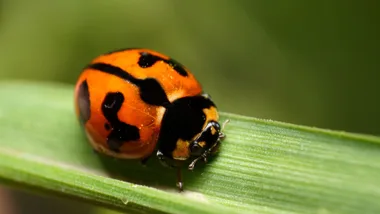
- Ladybirds, lacewings and parasitic wasps are natural predators that keep aphid numbers down.
- To get rid of aphids on roses, blast them off with a strong jet of water, squash them by hand, or use neem oil or insecticidal soap.
- Prevent aphids by regularly checking new shoots.
Natural aphid predators
Aphids have plenty of natural predators that enjoy a nice big aphid lunch. Ladybirds can devour up to 5,000 aphids in their lives, and lacewings love feasting on aphids. But aphids really need to watch out for parasitic wasps.

How parasitic wasps protect your plants from aphids
In his book, Garden Pests, Diseases and Good Bugs, Denis Crawford says, “The parasite is a tiny wasp, which you probably won’t see, but you will know they are there when you see parasitised aphids inflate and turn a metallic colour.”
He explains that the tiny wasp lays an egg inside the aphid, feeds on the host, and turns it into a mummy. After about 7 days, the wasp eats its way out.
If you see these aphid mummies on your plants, Denis suggests waiting and seeing before reaching for the pesticide. With any luck, the wasps are hard at work getting rid of aphids for you.
“If you find these mummies on your roses, leave them there,” he says.
“Wait a week or so if you see aphids on your plants. If you are lucky, predators and parasites that control these pests will arrive hard on their heels.”
If not, here are some other natural ways to stop aphids from destroying your garden, using a chilli and garlic spray and soap.

How to identify aphids
Signs you have aphids in your garden include:
- Distorted leaves or leaf drop.
- Wilted shoots and seedlings
- Failure to fruit
- Ants or sooty mould
- white aphid skin casts on leaves
When do aphids attack roses?
If you’ve ever noticed your roses suddenly covered in tiny bugs just as the weather warms up, you’re not alone. Aphids arrive in spring, right when new shoots and buds start to appear. In most parts of Australia, that’s usually from September to November.
Aphids usually target the plant’s softest, freshest parts: new shoots, flower buds, and the undersides of young leaves. If you spot clusters of tiny green, pink, or black bugs huddled along the stems just below the buds, that’s them.
Another sign is ants. Look for them marching up and down the stems, or for leaves that feel sticky from the honeydew aphids leave behind.
How to prevent aphids on roses
You can’t keep aphids away for good, but you can make your roses less tempting. Check new shoots every few days in spring, and don’t overdo the fertiliser. Too much in spring gives you soft, juicy growth that aphids can’t resist.
Keeping ants under control also helps prevent aphids. Some ants will actually protect aphids in exchange for the honeydew they leave behind. Above all, avoid broad-spectrum insecticides. They kill the very predators that keep aphid numbers down.
Additionally, certain plants naturally repel aphids through strong scents or chemicals they release.
How to get rid of aphids on roses
The good news is you can control aphids without harsh chemicals. In the comments of a Facebook post, many readers shared how they get rid of aphids. Their answers focus on low-cost, chemical-free solutions.
“Turn the hose nozzle to jet and spray the tree thoroughly,” one commenter said. “Each time you water, give it this jet at the end.”
Another said they take a hands-off approach: “Get some ladybugs,” they said. Both adult ladybirds and their larvae feast on aphids, so it pays to leave them be.
Other gardeners recommend a botanical oil spray such as neem oil. Spray it in the cool of the day, coating the undersides of the leaves where aphids hide, and always follow the directions on the label.
For small infestations, simply squash aphids between your fingers, or snip off badly affected shoot tips and bin them.