Spring is here, and so are the aphids. As citrus trees push out soft new growth, black citrus aphids arrive in big numbers to feed on it.
Here’s how to spot them and stop them before they take over your lemon tree.
KEY TAKEAWAYS
- Black citrus aphids feed on soft new citrus growth in spring and summer.
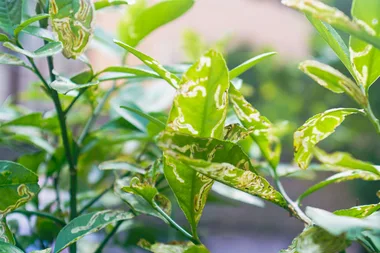
- Look for curled leaves, sticky honeydew and black sooty mould.
- Treat them early with a hose, pyrethrin spray or neem oil.
- Encourage ladybirds and lacewings, and use less nitrogen fertiliser.
What do black citrus aphids look like?
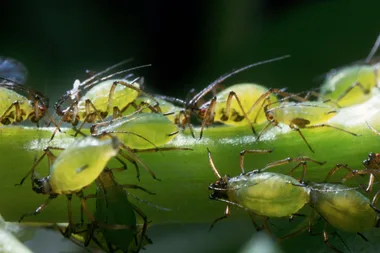
Black citrus aphids are tiny sap-sucking insects, usually black but sometimes dark brown or green, measuring just 1 to 3 millimetres long. They use specialised mouthparts to pierce young leaves, shoots and flowers, feeding on the plant’s sap.
Some aphids develop wings, allowing them to spread to new plants when colonies become overcrowded or conditions change.
In Australia, the two main species found on citrus are Toxoptera aurantii and Toxoptera citricida (also known as the brown citrus aphid). According to the NSW Department of Primary Industries and Regional Development, aphids most commonly infest new shoots and young leaves. Sticky honeydew and black sooty mould growing on leaves are also telltale signs of an infestation.

How to treat a citrus tree with black aphids
Act quickly as soon as you spot black aphids on your citrus tree, particularly in spring and summer when infestations are most common.
Liam Kemp, a horticulturist and owner of Kempscapes, emphasises the significance of tackling aphids during these seasons.
“In spring and summer, aphids are much more prevalent as they feed on newer and more tender growth, so this is the most important time to get on top of them, especially since they produce multiple generations per year,” he says.
To control black aphids, Liam recommends using Yates Nature’s Way Citrus and Ornamental Spray or neem oil. “Both are organic and safe to use on citrus with black aphids and have fairly good results,” he says.
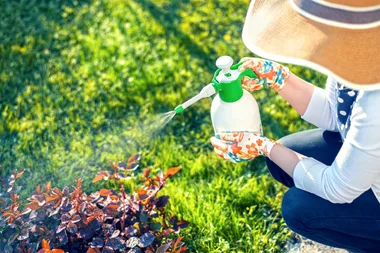
Apply your chosen treatment as soon as aphids appear, then repeat every 5 to 14 days until the infestation subsides. Spray during the cooler part of the day, and avoid spraying if temperatures are expected to rise above 30°C or if rain is likely within a few hours.
For a natural approach, Liam points out that lady beetles and green lacewings are valuable allies that happily feed on aphids. You can also order beneficial insects online and release them onto your plants for biological pest control through suppliers such as Bugs for Bugs. If you’re using sprays, however, remember that even natural products such as pyrethrin can harm beneficial insects, so only treat the affected areas wherever possible.

Natural predators of black citrus aphids
Other bugs and creepy crawlies naturally prey on black aphids. This means that if you’ve got a lot of these insects around, your citrus trees are less likely to become infested. The natural predators of black aphids are as follows:
- Parasitic wasps – these cause aphids to turn into ‘mummies’, shell-like versions of themselves.
- Hoverfly larvae
- Lacewing larvae
- Ladybirds
If you know you’ve got an aphid infestation, it may be worth waiting a week to see whether natural predators control the problem before using other treatments. Some natural predators, like ladybirds, can be bought live to act as a ‘garden protector’ for pest-prone plants.
You can also plant specific species that deter aphids, including marigolds and alliums. Other plants, like sunflowers, can serve as trap plants to lure aphids away from the trees and plants you want to protect.

How to prevent a black aphid infestation on citrus trees
Prevention is always better than a cure, especially with black aphids on citrus trees. Here are Liam Kemp’s top three tips to prevent an infestation:
- Check new plants: Before bringing a new citrus tree home, check its new shoots and the undersides of its leaves for aphids to avoid bringing pests into your garden.
- Mindful fertilisation: Be careful with high-nitrogen fertilisers. Too much nitrogen can cause lots of soft new growth that aphids love. Use a balanced citrus fertiliser to keep your tree healthy.
- Strategic pruning: Prune the tree’s inner branches, as aphids love this area. Opening up the tree removes their favourite hiding spots.
Thanks to Australia’s warm climate, black citrus aphids rarely lay eggs. Instead, females give birth to live young without mating. This process, called parthenogenesis, means they produce offspring from unfertilised eggs. These young aphids can grow and start reproducing in about a week, turning a few aphids into a very large infestation. When the groups get crowded, winged adults grow and fly away to find new plants.
Black aphids do not bite humans. But black citrus aphids (and other aphids) suck sap from your plants and can also transmit viruses, so they are more of a threat to your garden than your skin.
Several aphid varieties affect lemon trees and other citrus trees. These include the melon aphid (Aphis gossypii) and spiraea aphid (Aphis spiraecola), as well as black citrus aphids, according to the NSW DPI.
Because aphids are soft-bodied insects, vinegar may harm or kill them. But applying undiluted vinegar also risks further damaging leaves and new shoots.
An alternative, natural way to repel aphids is to spray the affected leaves and shoots with an organic garlic or chilli spray. You could also physically remove and squash the aphids, or use a jet of water.