
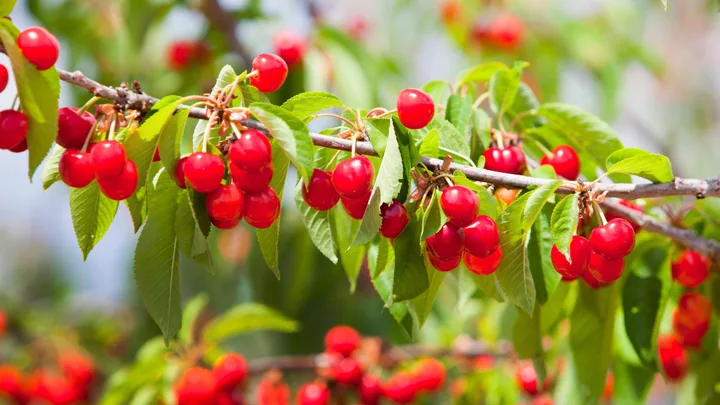
When you think about planting a fruit tree, citrus is probably the first that comes to mind. But lemons and limes aren’t your only option.
Even if you missed the window for planting bare-root fruit trees this winter, you can still plant potted varieties this spring. From apples and pears to plums, here are six fruit trees you can plant right now that aren’t citrus.
KEY TAKEAWAYS
- You can still plant potted fruit trees in spring.
- Check whether your chosen tree needs a second tree nearby for cross-pollination, or is self-fertile.
- Multi-graft trees join two or three fruit types on one root, ensuring pollination without needing more space.
- Choose trees that fit your climate.
How to guarantee a harvest
Some fruit trees need cross-pollination to produce a harvest because they produce flowers with only male stamens (where the pollen comes from) or only female pistils. Therefore, you need a compatible tree nearby with flowers of the opposite sex so pollinators or the wind can carry the pollen to the pistil. Only then can fertilisation occur and you get fruit. If you don’t have room for two trees, check with the nursery whether the tree you want needs cross-pollination or is self-pollinating. Or you can get trees that are, in fact, two or three different trees grafted onto one rootstock, guaranteeing flowers of both sexes.
How to grow fruit trees in pots
Plenty of dwarf fruit trees can be grown in a pot on your balcony or in your courtyard. However, they differ from growing in your garden.
- Pots should be at least 40cm wide; once they’re filled with potting mix and the tree, they’re very difficult to move, so find the best sunny spot first.
- Use quality potting mix as the growing medium, not soil. You can get a mix specially formulated for fruit trees.
- Potting mix dries out quicker than garden soil, so you need to water more often. Terracotta pots are porous, so you lose water even more quickly unless you paint the inside of the pot with a sealer.
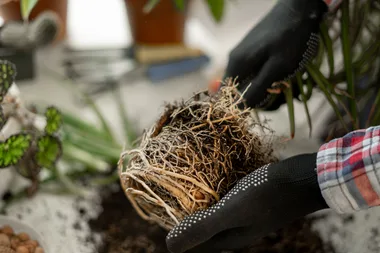
- Roots can become pot-bound, so empty the pot every winter or every second year, trim the roots if needed, and refill with fresh, quality potting mix.
Pick your fruit tree

Peaches and nectarines
- Climate: Warm, temperate, cool with cold winters. However, late spring frosts can damage blossoms.
- Aspect: Full sun.
- Soil: Rich and well-drained.
- Water: Regularly during blossoming and fruit development.
- Food: Blood and bone in spring and autumn.
- Fertility: Self-pollinating.
- Harvest: Best left on the tree until ripe in summer.
- Pruning: Fruit grows on one-year-old laterals, so in autumn cut the wood that has borne fruit back to one or two buds to encourage new growth for the next season. Keep tree in an open, vase shape.
- Pests and disease: Peach leaf fungus – treat several times over winter with lime sulphur fungicide. Possums – net tree as fruit grows.

Pear
- Climate: Warm summers, cold winters. Blossoms are vulnerable to late frosts.
- Aspect: Full sun.
- Soil: Rich, well-drained.
- Water: Once a week in winter, more often during blossoming and fruiting.
- Food: Feed pear trees in spring and autumn with fertiliser with extra potassium.
- Harvest: Slightly unripe in summer through to autumn, depending on variety.
- Fertility: Most need cross-pollination.
- Pruning: Trim to vase shape after planting, then thin old fruiting spurs in winter.
- Pests and diseases: Pear and cherry slug – dust with powder such as wood ash or talcum powder. Codling moth – control with pheromone traps. Birds and possums – net the tree as fruit matures.

Plum
- Climate: Cool to temperate, with cold winters.
- Aspect: Full sun.
- Soil: Rich, well-drained, slightly heavy.
- Water: Regularly during spring and summer.
- Food: Fertilise in late winter, spring and late summer.
- Harvest: Most plum trees set too much fruit, so thin as fruit appears to get stronger fruit in summer.
- Fertility: Some need cross-pollination.
- Pruning: Trim to vase shape after planting. Trim fruiting spurs every couple of years.
- Pests and diseases: Brown rot – avoid planting where water collects. Birds and possums – net tree as fruit matures.

Pomegranite
- Climate: Cool, temperate with hot, dry summers and cool winters. Won’t tolerate frosts and doesn’t like humidity.
- Aspect: Full sun.
- Soil: Rich, well-drained, slightly heavy.
- Water: Drought tolerant, but keep soil moist in spring and summer.
- Food: Balanced fertiliser in spring.
- Harvest: Autumn.
- Fertility: Self-pollinating.
- Pruning: Trim in winter to remove stems too close together and suckers at the base of the trunk.
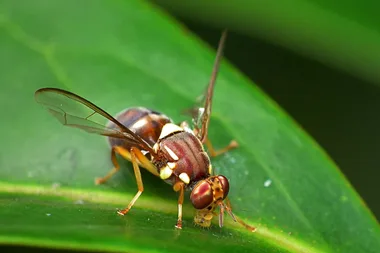
- Pests and diseases: Queensland fruit fly – Make a trap by putting a cup of pure fruit juice and a tablespoon of cloudy ammonia in a plastic drink bottle. Cut three holes about the size of a 10c piece about 10cm from the top and hang it under the foliage with string. Change mixture weekly.

Sweet cherry
- Climate: Cold winter, warm dry summer.
- Aspect: Full sun.
- Soil: Rich, well-drained.
- Water: Once a week in summer, 2-3 times a week after harvest to encourage new growth.
- Food: Low-nitrogen fertiliser in spring.
- Harvest: Summer.
- Pruning: Trim for shape and an open centre in winter.
- Fertility: Need cross-pollination unless you buy a multi-graft.
- Pests and disease: Cherry slug – dust with powder such as wood ash or talcum powder. Birds. Net the tree as fruit matures.

- Climate: Cool or temperate with cold winters.
- Aspect: Full sun.
- Soil: Rich and well-drained.
- Water: During dry periods.
- Food: Balanced fertiliser in spring.
- Fertility: Either needs cross-pollination or is self-fertile, depending on variety.
Harvest: From February to May, depending on variety. - Pruning: The fruit grows on spurs of old wood. Trim the spurs in winter. The fruit also grows in clusters. When small, remove the centre one so it doesn’t crowd the spur and encourage pests.
- Pests and disease: Codling moth – control with pheromone traps.
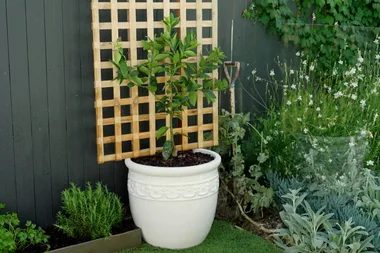
While many deciduous fruit trees are sold bare-root and planted during winter, potted fruit trees can also be planted in spring.
Many fruit trees can be grown successfully in pots, particularly dwarf varieties of apple, peach and nectarine, as well as figs.

Related stories
Native ad body.
Native ad body.

Native ad body.