
Like gnats, scales are persistent insects that can be hard to control if left unchecked. They come in hundreds of varieties and attack all types of plants and trees, regardless of size.
Here’s what you need to know about removing scale from your plants.
KEY TAKEAWAYS
- Scale insects are sap-sucking pests that attach themselves to leaves and stems, often leaving behind black sooty mould as a telltale sign
- The best way to treat scale naturally is with white oil, horticultural oil, or eco-oil, making sure to spray all surfaces, including the undersides of leaves
- Even after scale is dead, it won’t fall off the plant — squeeze one to check if it’s gone, or wait for the sooty mould to disappear
- Winter is one of the best times to treat scale, as there is less new growth to damage and scale colonies are easier to spot on bare branches
- Always treat on a mild dry day and follow up with a second application two to three weeks later for the best results
How to identify scale on plants
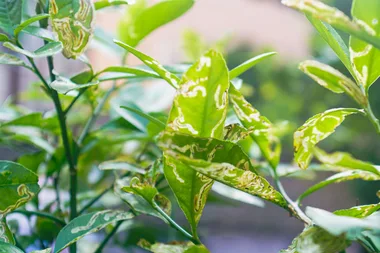
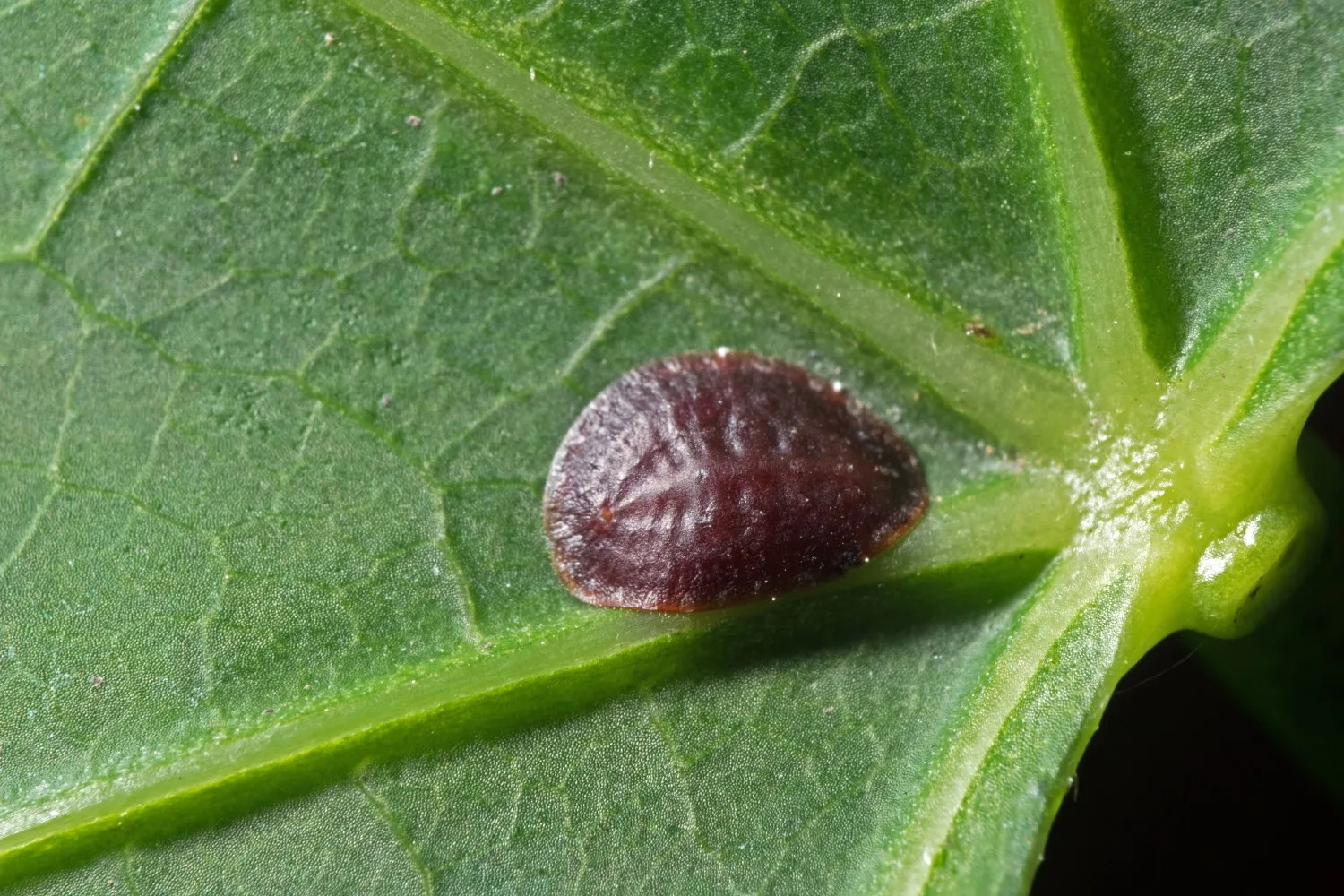
The sap-sucking insect looks like a shell; they mainly attach themselves to the leaves and stems, where all the goodness is, but can be found anywhere on the plant.
Kevin Parker is a senior horticulturist at The Greenery Garden and Home. He says, “There’s what they call a hard scale, and then there’s a soft scale. The hard scale covers themselves with a really hard, almost turtle-shell-like coating that protects them from predators.”
As the scale saps the suck out of the plant, it secretes something called honeydew, causing black sooty mould to grow on the plant. So if you notice either the sap or the sooty mould, it could be scale.
How to get rid of scale naturally
The best way to get rid of scale is with oil, says Kevin.
“You can use white oil or what they call horticultural oil. Or you can use the botanical type of oil – there’s one called eco-oil, which is more natural, or you can use neem oil.”
As Kevin points out, neem oil is quite expensive and comes in a small bottle, so if you’ve got a large-scale problem, you’ll need a lot of bottles.
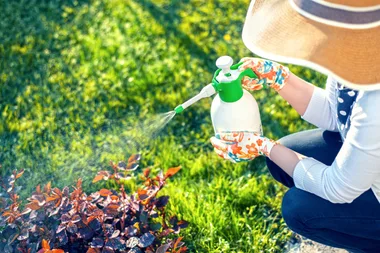
For the oil to work, it needs to come into contact with the insect, so make sure you are spraying both the tops and bottoms of the leaves, and down the branches and main stems.
Additionally, Kevin says to avoid spraying oil on your plants on hot sunny days, as it will burn the leaves. Also, avoid spraying if it’s going to rain, as the oil will wash off.
If you have a severe infestation, Kevin says you may need to undergo several treatments.
How to permanently get rid of scale insects
Another problem with scale is that it’s hard to tell if it’s actually dead.
“Because it’s like a shell that’s attached itself to the plant, even after you kill it, the scale doesn’t pull off,” says Kevin.
“So it can look like you’ve still got scale.
“The only way to really know is to grab one and squeeze it. And if nothing comes out, then you know that the insect is dead – or if the sooty mould goes away.“
How to prevent scale in indoor plants
One of the best ways to keep your plants safe from common garden pests is to keep them healthy. The stronger they are, the better their chance of surviving an infestation, whatever the insect.
Is winter a good time to treat scale?
Winter is a good time to inspect your plants for scale and get on top of any issues before they worsen in spring. With less foliage on deciduous trees, scale colonies that might have been hidden through summer become much easier to spot on bare branches and stems. Look for crusty or waxy bumps along stems and on the undersides of leaves, as well as any black sooty mould, a sure sign that scale has been active.
For most plants, winter treatment with white oil can be effective on dormant deciduous trees before bud burst. However, the most vulnerable stage of scale is the crawler stage, when newly hatched juveniles emerge in spring before they develop their hard protective shell.

Related stories
Native ad body.
Native ad body.
Native ad body.