 Jake Condotta
Want to enjoy your garden without worrying about snakes? Knowing what attracts snakes to your yard is the first step. Although snakes play an important role in our ecosystem, most of us would prefer not to meet one in our backyard, especially with kids and pets around.
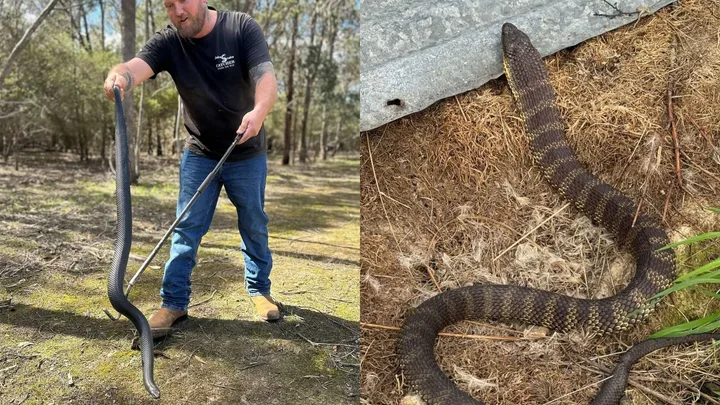
Jake Condotta is a South Gippsland snake catcher and horticulturalist. He says snakes look for three things as the weather warms up.
KEY TAKEAWAYS
- Snakes come into gardens looking for three things: food, shelter and warmth.
- The biggest attractions are untidy garden beds, compost heaps, and long grass.
- These attract the rodents, frogs, and lizards that snakes eat.
- If you see a snake, keep your distance and never try to catch or kill it.
“After spending the colder months relatively inactive, snakes start becoming more active as conditions improve. They’re looking for warmth, food and eventually opportunities to reproduce,” says Jake. A garden that offers plenty of food, shelter and warmth is “a pretty attractive piece of real estate for a snake”.
So what attracts snakes to your yard? Here are six things Jake sees the most.
What attracts snakes to your yard?

Garden beds and compost heaps that attract rodents
Jake says one of the main reasons snakes show up is because messy garden beds give rodents a place to hide. If your beds are overgrown and rarely touched, you’re inviting mice, frogs, and lizards to visit.
Plus, compost heaps full of food scraps also attract little critters that snakes love to eat.

Long grass
Long grass is a snake’s dream hiding spot. Keep your grass trimmed, especially near the house, sheds, and where your kids play. Also trim back thick plants along paths near the entrance to your home.

Bird seed, chicken feed and pet food
If you leave bird seed or pet food out, you’re ringing the dinner bell for rodents, and that means snakes, too. Store chicken feed and pet food in sealed containers to keep the mice away.

Ponds and water where frogs gather
Water features like ponds bring in frogs and other vermin snakes like to eat. You don’t need to get rid of your pond; just keep the surrounding plants neat and tidy.

Messy sheds
Messy sheds and the space under your deck are cool, quiet spots snakes love to hang out. Keeping things tidy means fewer places for them to move in.

Piles of timber, iron, rocks and building materials
That pile of old firewood you’ve been meaning to tidy up? It’s the perfect snake shelter. If possible, stack firewood and building materials neatly, off the ground, and away from the house.
You don’t need to strip your garden bare
The good news is you don’t have to remove everything from your garden. “It’s all about sensible garden management,” says Jake.
Instead, he says to focus on the spots you use most, like your entertaining area, play equipment, paths, and doorways.
Are the snakes near my home dangerous?
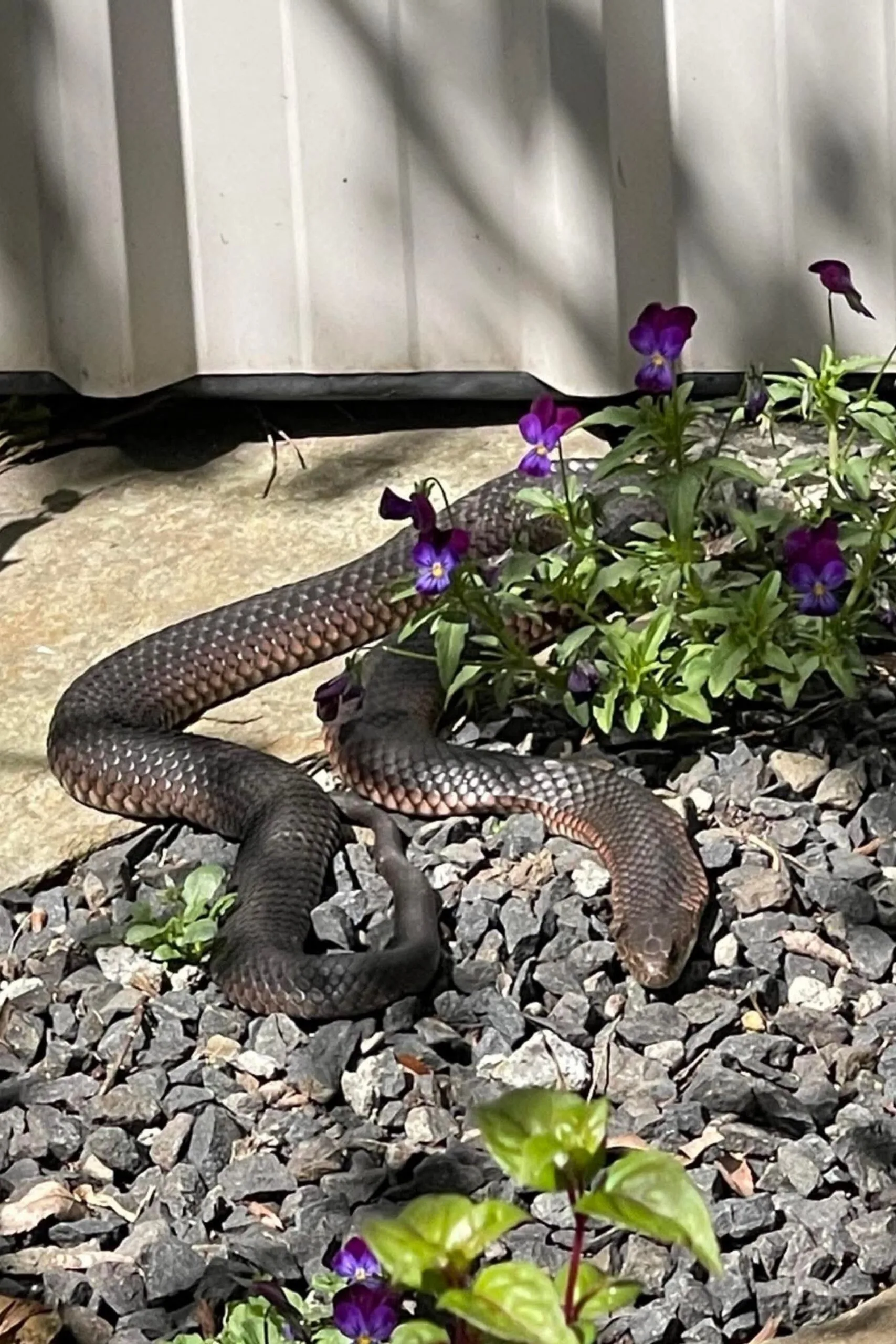
“Here in South Gippsland, the two species I regularly deal with are tiger snakes and lowland copperheads,” says Jake. Both are venomous, so treat any snake you see as dangerous and keep your distance. The species you’ll come across depends on where you live. Brown snakes and red-bellied black snakes are also common around Victoria.
Do plants repel snakes?
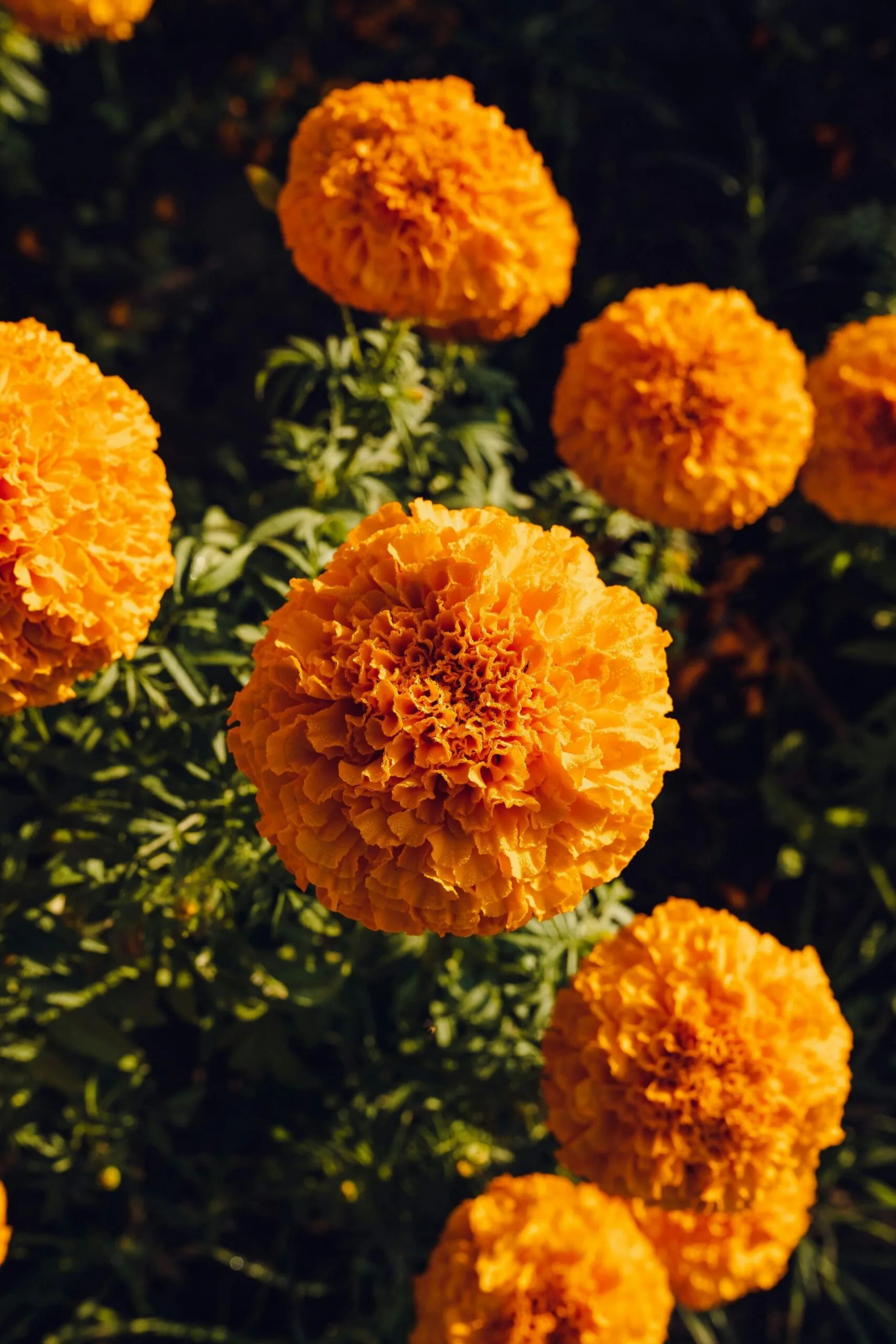
Lavender, marigolds, garlic and lemongrass are often recommended as snake-repellent plants, but there’s no reliable scientific evidence showing any one plant will keep snakes out of your garden.
“Every year I hear people recommending particular plants to keep snakes away,” says Jake. Snakes do have a highly developed sense of smell, using their tongue and Jacobson’s organ to read their surroundings, but a strongly scented plant doesn’t create an invisible barrier they won’t cross.
So where did this myth come from? Jake thinks traditional gardening remedies claiming strong-smelling plants repel pests have been repeated so often that people now treat it as fact.
“As a horticulturalist and snake catcher, I would absolutely love it if planting a few marigolds solved everyone’s snake problems,” he says. “Unfortunately, nature doesn’t work quite like that.”
What to do if you find a snake in your backyard
If you spot a snake, try to stay calm. Move kids and pets away and keep your distance. If it’s just passing through, the safest thing is usually to leave it alone.
If it’s inside the house or near a play area, call a licensed snake catcher. Never try to catch, kill or corner it yourself, as many bites happen when people interfere with snakes. If someone is bitten, call 000 immediately.
Remember: snakes are protected wildlife and help keep rodent numbers down.
“Snakes belong in our environment,” says Jake. “We just need to learn how to safely share it with them.”

Related stories
Native ad body.
Native ad body.

Native ad body.
How to keep your summer lawn pristine