
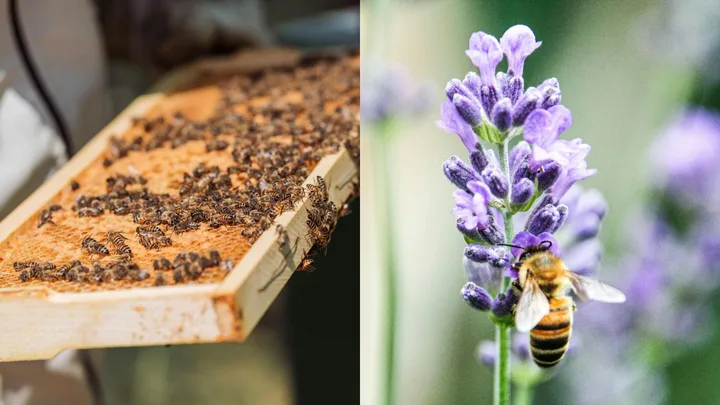
If you’ve noticed Australian honey prices creeping up, experts say the situation is only going to get more complex.
Varroa mite, the tiny parasite which weakens and kills honey bee colonies, is now established across much of eastern Australia, and the flow-on effects are starting to hit the price of honey on your supermarket shelf.
KEY TAKEAWAYS
- Varroa mite is now established across eastern Australia, threatening bee colonies and driving up honey prices
- The parasite weakens and kills colonies by feeding on the bees’ fat body tissue
- As feral bee colonies decline, managed backyard hives are becoming more important for pollination
- Buying Australian honey over imported varieties directly supports beekeepers managing the crisis
- Want to start a hive? Join a local bee club first to find a mentor near you
Jo and Ally, founders of Waggle & Forage in Victoria, say greater community involvement will be key. “The more people managing hives and looking after them, the better it will be for our backyard vegetable gardens, flowers and the environment in general,” they say.
More hives means stronger pollination
Jo explains that unmanaged “feral” bee colonies living in tree hollows are likely to decline as the mite spreads, potentially reducing natural pollination. This makes managed backyard hives increasingly important for supporting bee populations and maintaining pollination in local environments.
What is Varroa mite?
As Ally, who used to work professionally in bee biosecurity with Agriculture Victoria, explains to Johanna Griggs, “Varroa mite is a very bad little parasite on European honey bees. And it feeds on their fat body tissue. So it’s going to weaken a colony very fast.”
What does this mean for the price of honey?
Australian honey has actually been getting cheaper in recent years, not more expensive. That’s because supermarkets have been flooded with cheaper imported honey, and it’s been undercutting local beekeepers.
Then Varroa arrived. Now those same beekeepers are spending more time and money treating and monitoring their hives, at the exact moment they’re producing less honey than usual. That means Australian honey prices are likely to increase.
The good news is that paying a little more for a local jar is one of the most direct ways you can help the bees. That money goes straight back to the beekeepers keeping hives alive through this crisis. And healthy hives mean better pollination for everyone’s gardens and food supply. As Jo and Ally put it, the simplest thing you can do is buy local.
Beekeeping isn’t for everyone
That said, beekeeping is not for everyone. Before jumping in headfirst, Jo says people should carefully consider the time and commitment required to manage a hive.
Your first step: join a local bee club
If you are in a position to start a hive, Ally says your first step is to join a bee club.
“A bee club is a good place to start when you want to get your first beehive because you’ll find someone in your local area who can support you and be a mentor to you.”
Not ready for a hive? The simplest way to help bees
If you don’t have the capacity to be a beekeeper. That’s okay too. There are other ways you can help.
“The best way you can support bees in general is to actually support a beekeeper by buying their local honey.”
Small changes in your garden can make a big impact
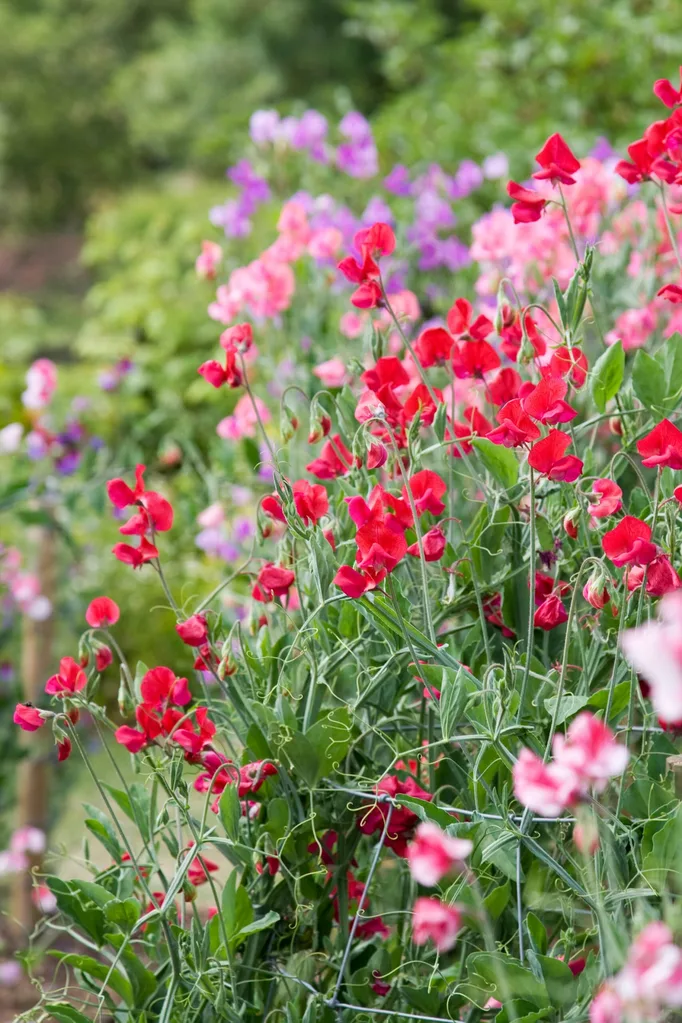
Another simple step is planting more flowers each year.
“The potential impact is significant if everyone doubles the number of flowers they plant,” says Jo.
“Most flowers contain nectar, which honey bees forage to survive.”
Varroa mite is a challenge – but it’s manageable
Jo and Ally stress that while Varroa mites are a serious issue, they can be managed with the right knowledge and support.
“It just means we need to manage our bees a little differently and take care of them a bit more,” they say.
“We’re never going to eliminate it completely, but we can manage it and keep mite levels low.”
Australian honey FAQs
A combination of varroa mite management costs and years of pressure from cheap imported honey has squeezed Australian beekeepers hard. As the industry adapts to managing varroa, prices for locally produced honey are expected to continue rising.
Australian beekeepers are increasingly finding that honey sold below around $10 per kilogram doesn’t cover the real cost of production, particularly now that varroa treatment and extra hive monitoring are factored in. Paying a fair price for local honey directly supports the industry.
Yes, but only with active management. Without treatment, colonies typically collapse within three to four years. With the right care, including regular monitoring and chemical treatments, beekeepers can keep mite levels low and hives healthy.
No. Varroa mite has been established in NSW since 2022 and has since spread to Victoria, Queensland, South Australia and the ACT. Eradication is no longer considered achievable, and the focus is now on management.

Related stories
Native ad body.
Native ad body.
How to keep your summer lawn pristine
Native ad body.