
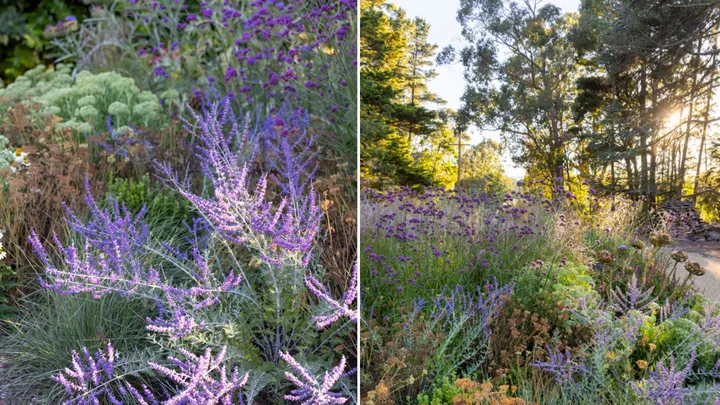
A beautiful, character-filled garden doesn’t have to cost a fortune. Even $100 can make a noticeable difference if you spend it in the right place.
Rather than filling a trolley with whatever looks good at the nursery, it pays to think about what your garden needs most. That could mean improving the soil, installing irrigation or investing in structural plants that will shape the garden for years.
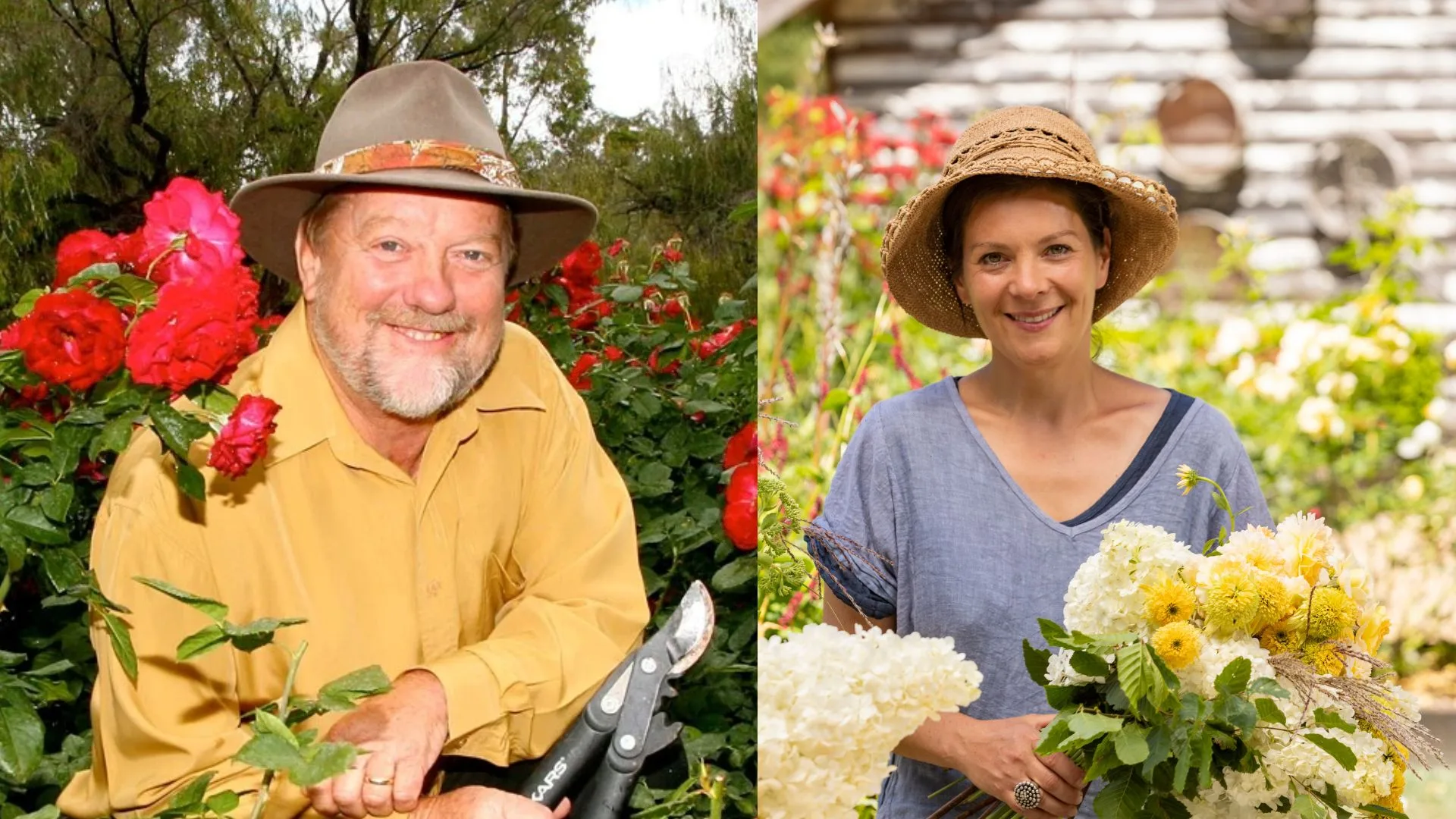
We asked landscape designer and 2026 BHG Creator Awards winner Natasha Morgan and horticulturist Neville Passmore how they would transform a garden with $100.
KEY TAKEAWAYS
- Buy bare-root fruit trees – Winter pricing ($30–$40 each) means $100 can stretch to two or three trees.
- Feed the soil, not just the beds – Mulch and compost make existing plants thrive for less.
- Grow from seed – Cheaper than potted plants and self-seeds for years to come.
- Propagate and divide – Multiply agapanthus, kangaroo paw, iris and ornamental grasses for free.
How to improve your garden for $100
“With $100, you’re not getting a whole garden of plants—you’re buying decisions,” Natasha says. At this price point, the smartest approach is to invest in something that will continue to benefit the garden, rather than trying to fill an entire bed with new plants.
Buy bare-root fruit trees
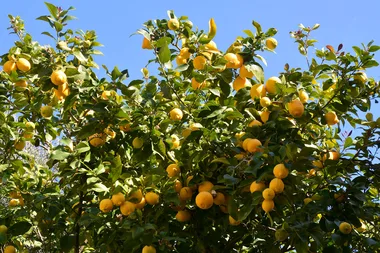
Winter is one of the best times to buy deciduous fruit trees because they are often available bare-rooted rather than in pots. Bare-root fruit trees generally cost between $30 and $40 each, meaning a $100 budget could buy two or possibly three trees. You could also look for bare-root berries, brambles or strawberry runners.
Improve the soil you already have
If your garden is already established, Natasha recommends spending the money on looking after your existing plants. Depending on the size of your garden and local delivery costs, $100 could go towards mulch, compost or materials for a simple compost bay.
“For $100, you can buy a few cubic metres of mulch, which creates good soil that then looks after your plants. Or it’s enough money for you to create a compost bay if you have the space,” says Natasha.
Horticulturist and popular WA media personality Neville Passmore says making your own compost is one of the cheapest ways to improve the garden because it reduces the need to buy fertiliser.
“When you create a compost heap, you spend nothing on fertiliser,” he says.
Adding compost improves the soil’s ability to hold water and encourages worm activity. As worms move through the ground, they create small tunnels that allow air and water to reach plant roots.
Grow plants from seed
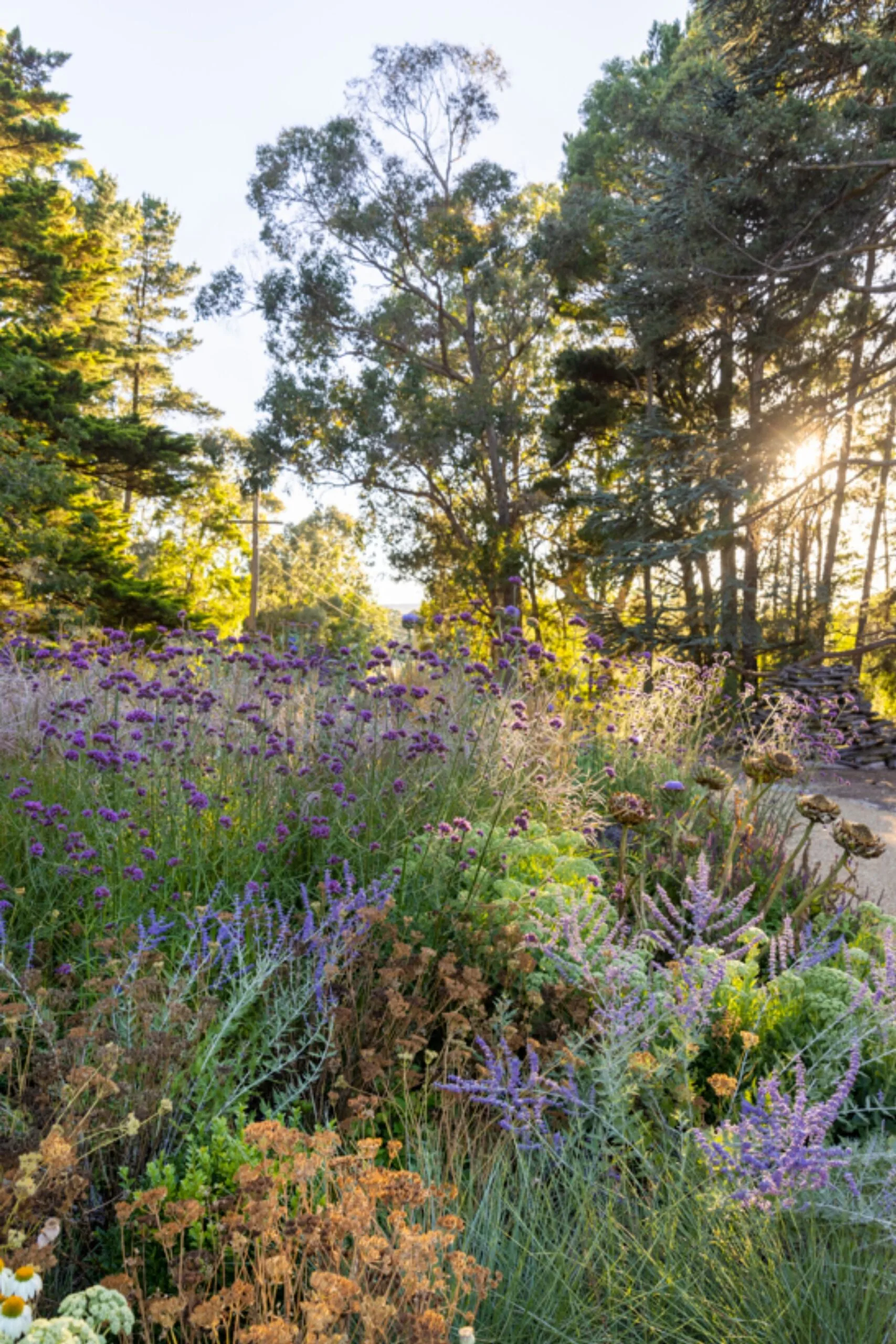
Seeds cost significantly less than established plants and can help you fill a garden bed without blowing the budget.
The best times to sow seeds are in early spring, once the danger of frost has passed, or in late summer to early autumn. If you let the flowers go to seed, you’ll find new plants popping up next year, and the year after.
Propagate and divide existing plants
Mass planting can make a garden feel cohesive and established, but you don’t necessarily need to buy dozens of plants to achieve it.
Take cuttings from plants you already own or divide clumping varieties such as:
As a general rule, divide spring and summer-flowering plants in early autumn and autumn-flowering plants in early spring. Choose a cool, overcast day to reduce stress on the roots.
Work with your garden’s conditions
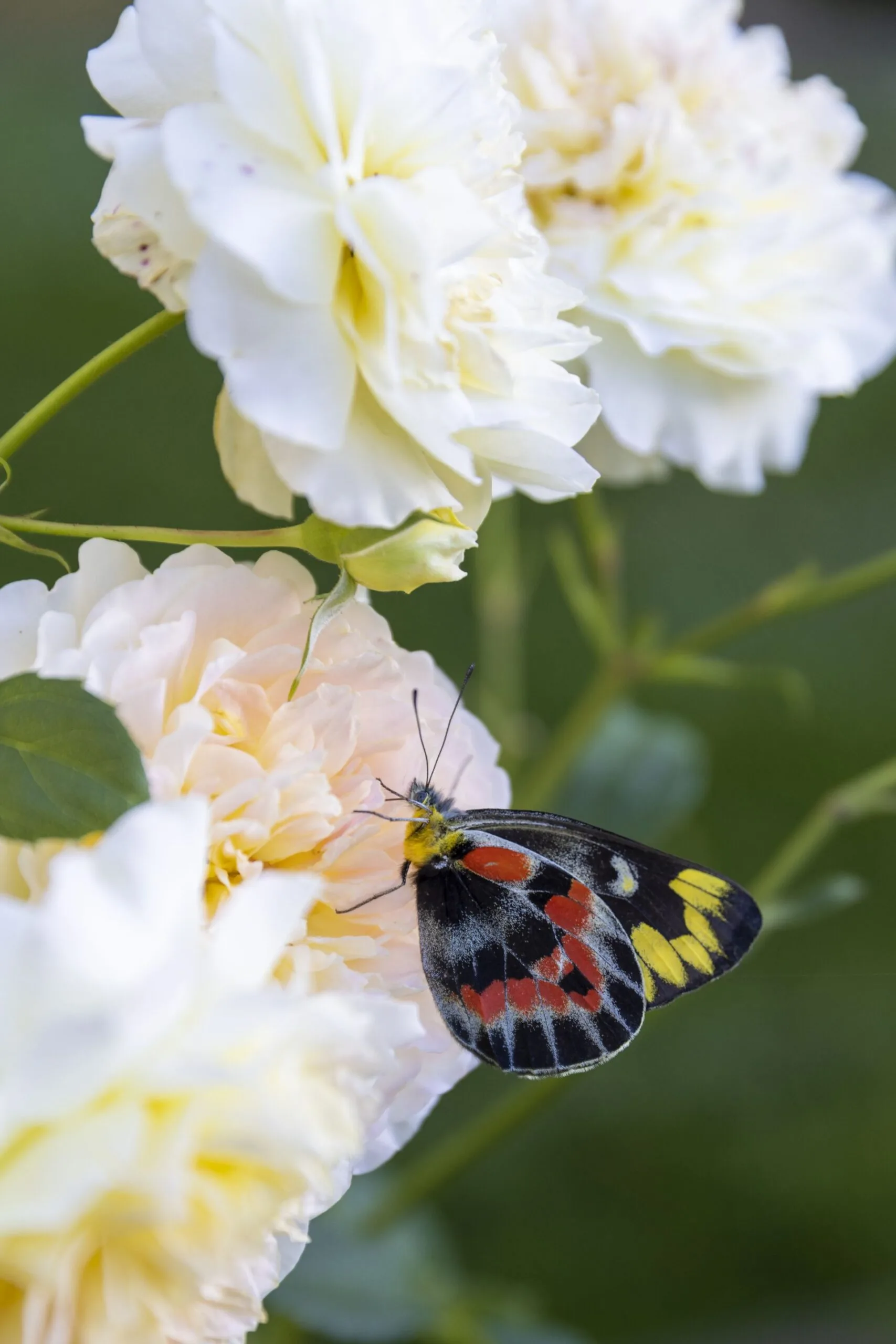
Before buying anything, identify your soil type and determine how much sun each part of the garden receives.
Know your soil type and your garden aspects. Putting shade-loving plants in full sun or sun lovers in the shade is a waste of money.
Most plants thrive in loamy soil, but our soils are mostly sandy, with pockets of heavy clay. You can fix this with organic matter, taken from your compost heap.
Mix edible and ornamental plants
Neville also loves the idea of growing exotic spinach in your ornamental beds to give your kids fresh greens daily. He loves Brazilian spinach that you can toss in salads or stir-fries, the Malabar climbing spinach from India as its big leaves are perfect for san choy bao, or the purple-leafed Okinawa spinach.
The notion of mixing flowers and vegetables was seen in several of the gardens at this year’s Chelsea Flower Show, including the King’s Foundation Curious Garden, designed with help from Sir David Beckham. This garden grew beans and cabbages amid delphiniums and sweet peas, while trees included mulberry, pistachio and pomegranate, which are also very ornamental.


Related stories
Native ad body.
Native ad body.
How to keep your summer lawn pristine
Native ad body.