
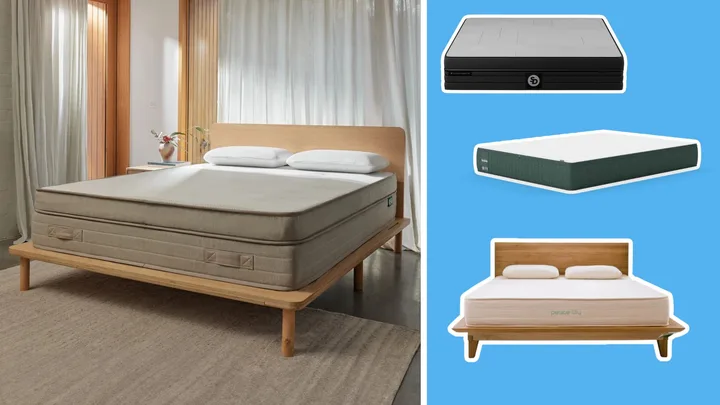
 Composite: Eva, Sleeping Duck, Koala, Peace Lily
Choosing the right mattress can make a huge difference to your sleep, comfort, and overall well-being – reducing aches, stiffness, and restless nights. But with so many different types of mattresses available in Australia, knowing which one to choose can be overwhelming.
In this guide, you’ll learn about the different types of mattresses, who they’re best for, and what to consider before buying – so you can find the perfect fit and sleep easily for nights to come.
The best mattress sales: March 2026
- Emma Sleep is running an End of Summer Sale, with over 40% off a range of mattresses
- David Jones, Amart, and Forty Winks are offering huge savings on a range of Sealy mattresses
- Myer has taken 50% off on a range of mattresses
Better Homes and Gardens recommends:
If you’re after the short version, this is where to find it. Our top recommendation for a hybrid mattress is the Sleeping Duck SD MACH II, for a foam option, the Koala Plus Mattress, and for a latex option, the Peace Lily Latex Mattress.
The best types of mattresses for every sleeper
From plush spring designs to supportive latex, foam, and hybrid mattresses, each option has different benefits and suits different bodies and sleep styles. So the best mattress for you ultimately depends on how you sleep, your comfort preferences and the level of support your body needs.
BHG’s pick of the top mattresses by type
- Best all rounder: Hybrid mattress. Try Sleeping Duck SD MACH II | Eva Premium Adapt | Sealy Posture Premier
- Best for side sleepers and joint pain: Foam mattress. Try Koala Plus Mattress | Ecosa Mattress
- Best cooling mattress: Latex mattress. Try Peace Lily Latex Mattress
- Best for firmness: Innerspring mattress. Try Temple & Webster Medium Luxury Pocket Spring Mattress
The best hybrid mattresses
Best for:
- Combination sleepers who change positions overnight
- People wanting cushioning and support
- Couples who need good motion isolation
- Anyone after a hotel-style feel with added durability
A hybrid mattress includes both springs and layers of foam or latex in the design to offer responsive supportiveness and durability. It’s arguably the most popular type of mattress available these days and many of the mattresses with springs are now technically hybrid designs. This includes mattresses from Eva, Emma Sleep, Koala, Sleeping Duck and Origin. Even Sealy, which has been making spring/coil Posturepedic mattresses since the 1950s, includes layers in its designs (like this one). Alternatively, there are some retailers that boast a range of top-rated mattresses that you can shop all in one place, like Amart.
When you’re shopping for hybrid mattresses, you’ll find some where you can choose the softness or firmness when you order, while others have layers you can adjust or remove once you get them.
Sleeping Duck’s SD MACH II, for example, offers a choice of medium, firm or half-and-half. In comparison, the Eva Premium Adapt has layers you can flip and swap around based on your preferences, including half-and-half if you have different preferences to your bedfellow.
“This approach was developed based on feedback we request from all customers, particularly insights into whether customers chose to keep or return their mattress,” Ken says.
BHG’s pick of hybrid mattresses
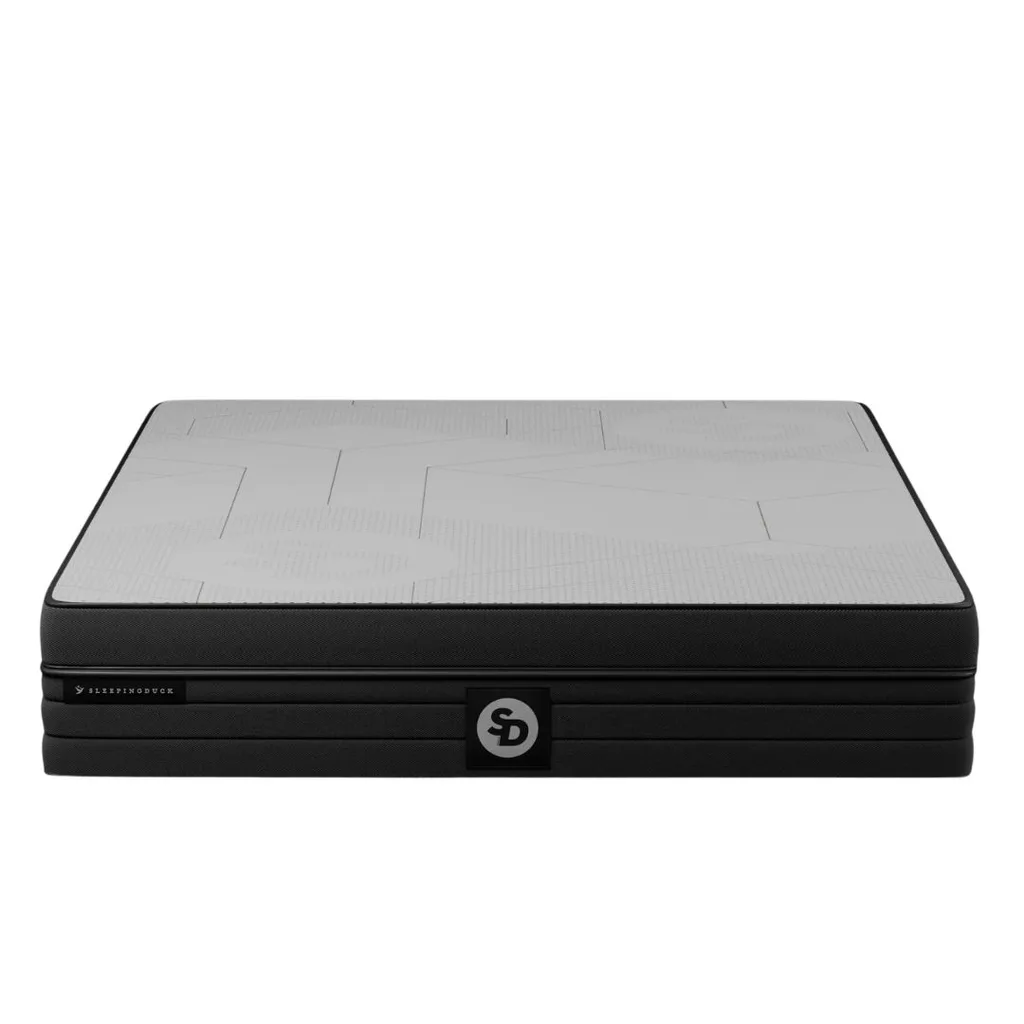
SD MACH II (queen)
$1649 at Sleeping Duck
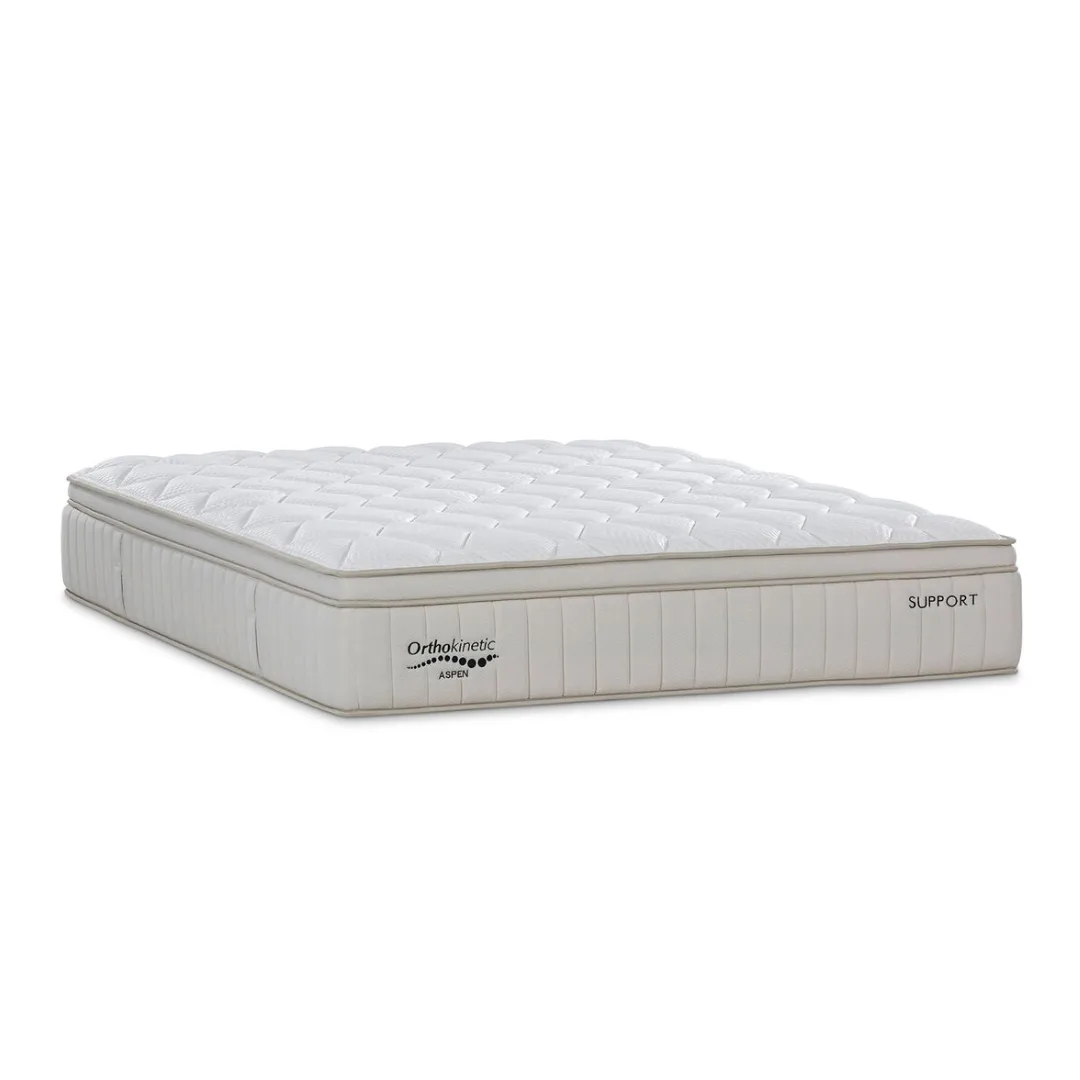
Orthokinetic Aspen Mattress (queen)
$2999 at Amart
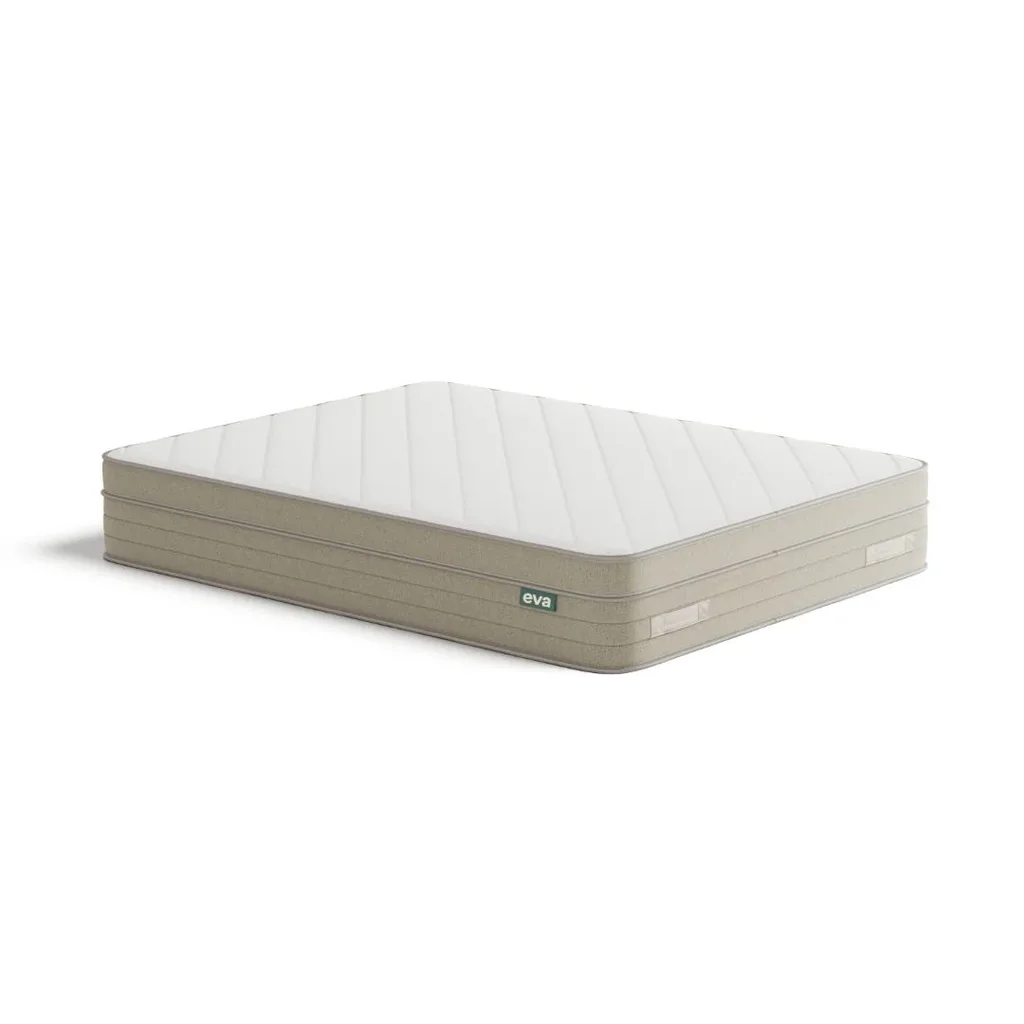
Eva Premium Adapt (queen)
from $1690 at Eva
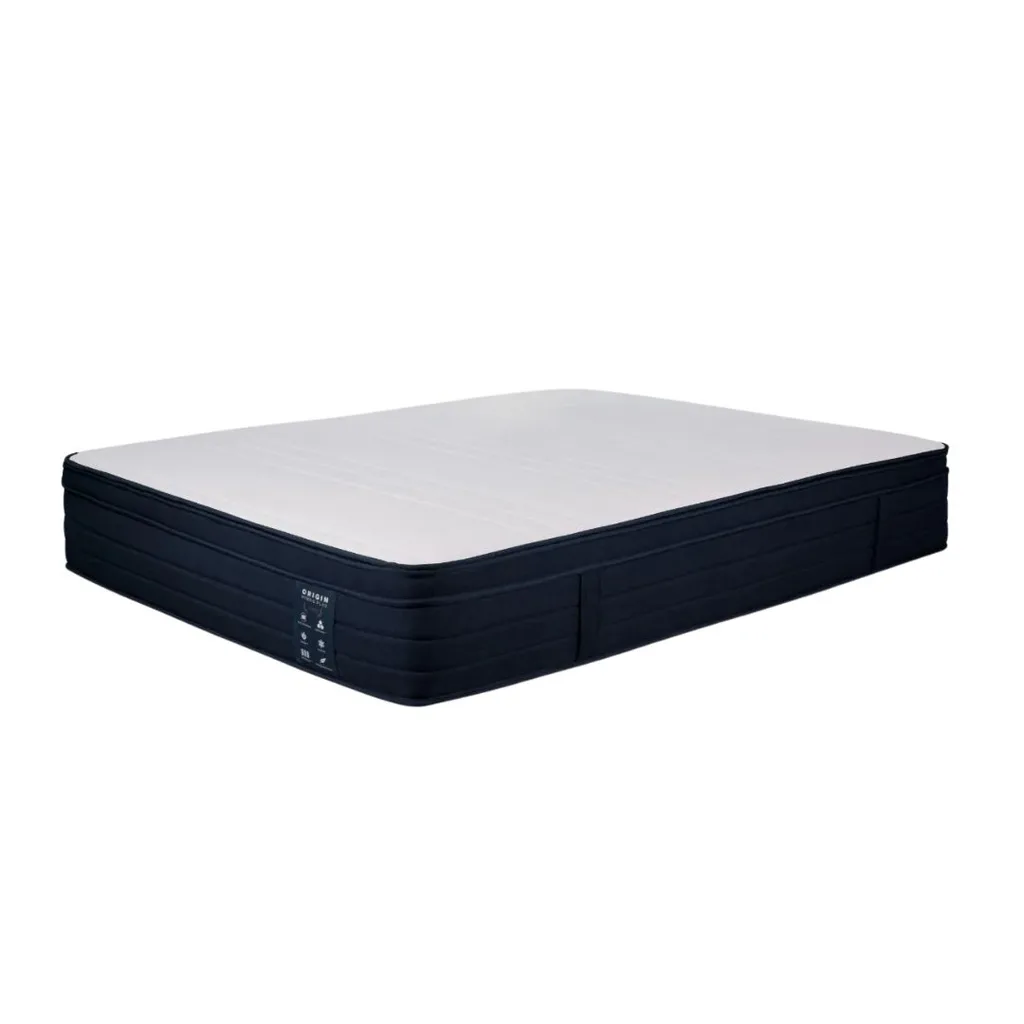
Origin Hybrid Plus Mattress (queen)
from $855 at Origin
The best foam mattresses
Best for:
- Side sleepers needing pressure relief through hips and shoulders
- People with joint pain or sensitive pressure points
- Those who prefer a soft, body-hugging feel
- Apartment dwellers wanting quieter, motion-absorbing sleep
Foam or memory foam mattresses are made from different types of foams (mostly polyurethane) and often layered for breathability and adaptability without the addition of springs. The original memory foam was actually developed at NASA, with Tempur credited as the first to bring it to mattresses.
While some memory foam mattresses can be firm to the point of discomfort, mattress brands are innovating in this space. Koala, for example, has developed its own type of foam, Kloudcell.
“We wanted something that helps relieve pressure the way that memory foam does, but without all the things that people hate about it,” Beth Playford, Koala’s Product Manager (Mattress) tells me.
“Memory foam tends to trap heat, so we needed Kloudcell to be breathable. Memory foam is also a slow response foam, so you tend to sink in and get bogged down, making it an effort
to roll over during the night. We had to make sure that Kloudcell was nice and responsive, so that your sleep isn’t disrupted when you change positions throughout the night. Most
importantly, Kloudcell had to feel soft and comfortable without sacrificing any of these things!”
As another example, the Ecosa’s BounceTech Foam is made from higher density transition foam and has pinholes to help with temperature regulation during the night. And Ergoflex has designed an orthopaedic memory foam mattress with five layers for supportiveness, breathability and longevity.
BHG’s pick of foam mattresses
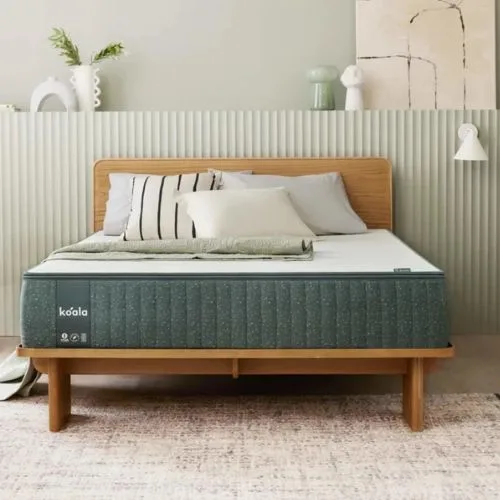
Koala Plus Mattress (queen)
$1650 at Koala
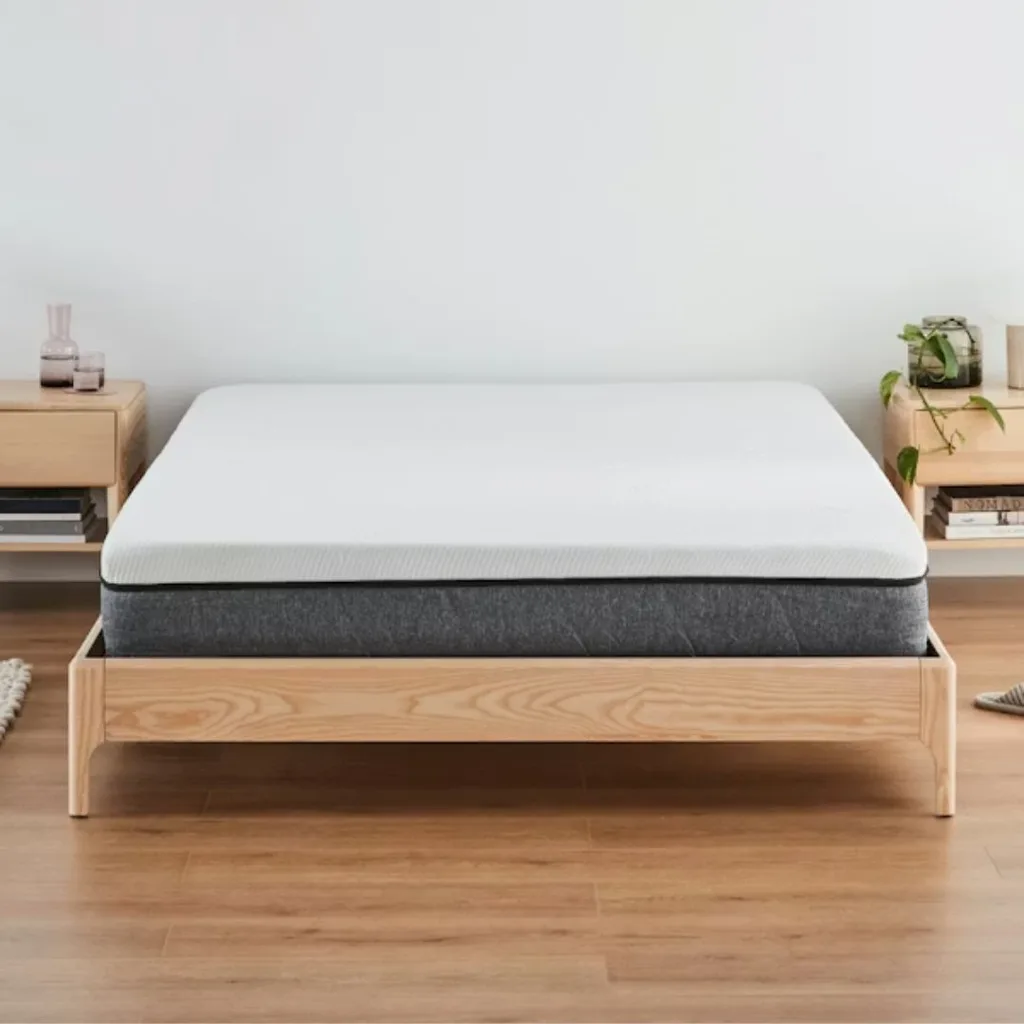
Ecosa Mattress (queen)
$1170 at Ecosa
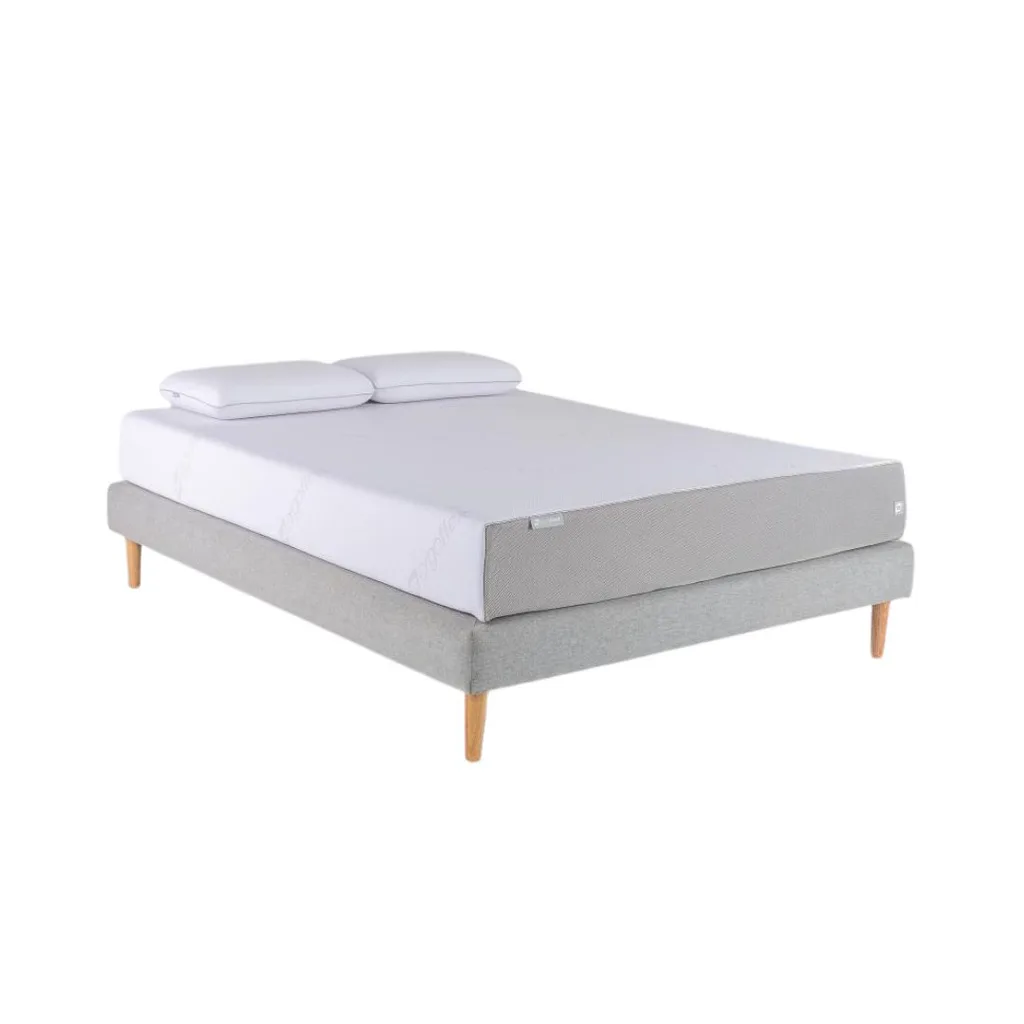
Ergoflex 5G Memory Foam Mattress (queen)
from $1699 at Ergoflex
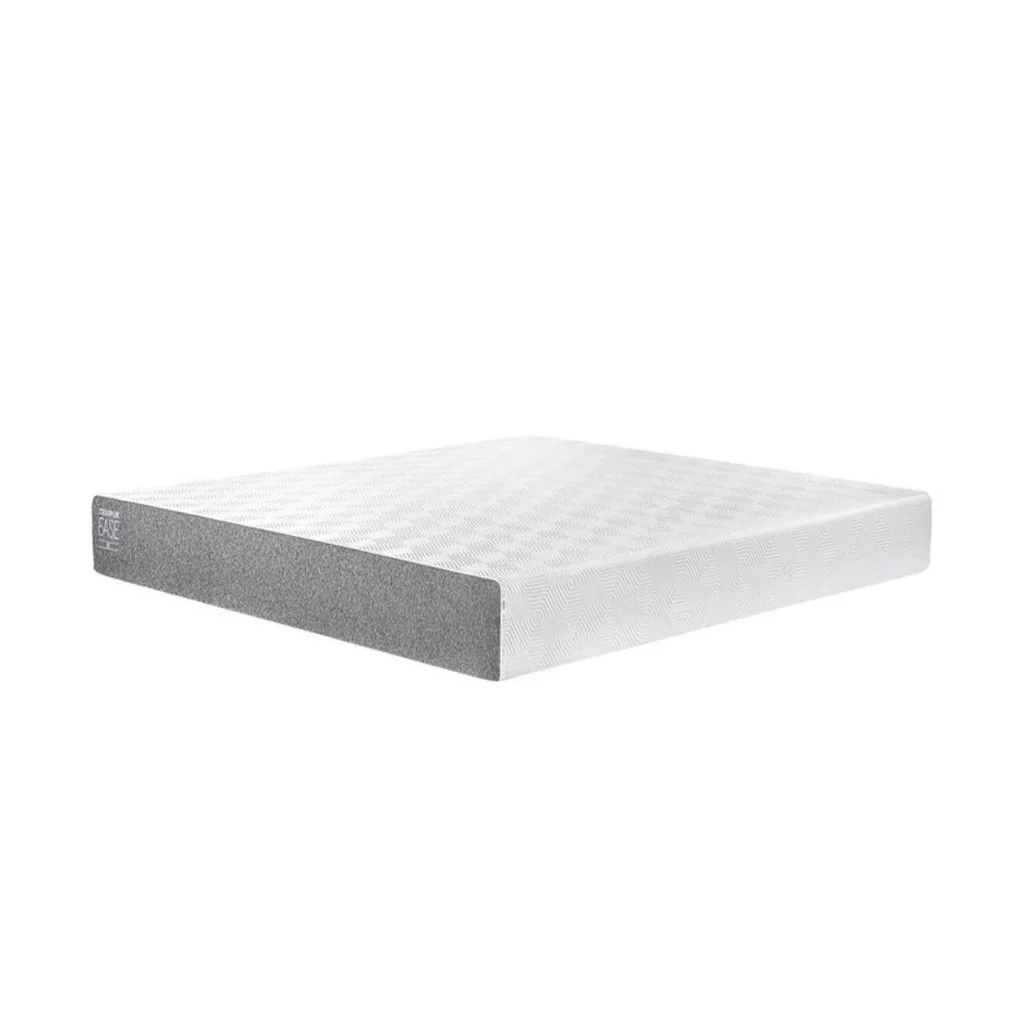
Tempur Ease 25 Mattress (queen)
$5990 at Myer
The best latex mattresses
Best for:
- Hot sleepers who want better airflow and cooling
- Those who prefer a firmer, more responsive surface
- Allergy sufferers looking for naturally hypoallergenic materials
- Anyone wanting a long-lasting, low-sink feel
Latex mattresses are made from natural or synthetic latex that offers firmness while also moulding to your body as you sleep. Similar to foam mattresses, it offers firm supportiveness, but typically has more responsiveness without as many layers.
This type of mattress tends to appeal to people who prefer firmer mattresses with a solid feel. And according to Peace Lily – one of the few brands in Australia that makes 100% natural latex mattresses – the hypoallergenic qualities make latex mattresses well suited to those with allergies.
I actually found a lot more hybrid mattresses that include latex than I did pure latex mattresses. But I have previously slept on one (as a firm-bed fan, I was comfy) and recently got a pure latex pillow that is so lovely for my neck.
BHG’s pick of latex and latex-hybrid mattresses
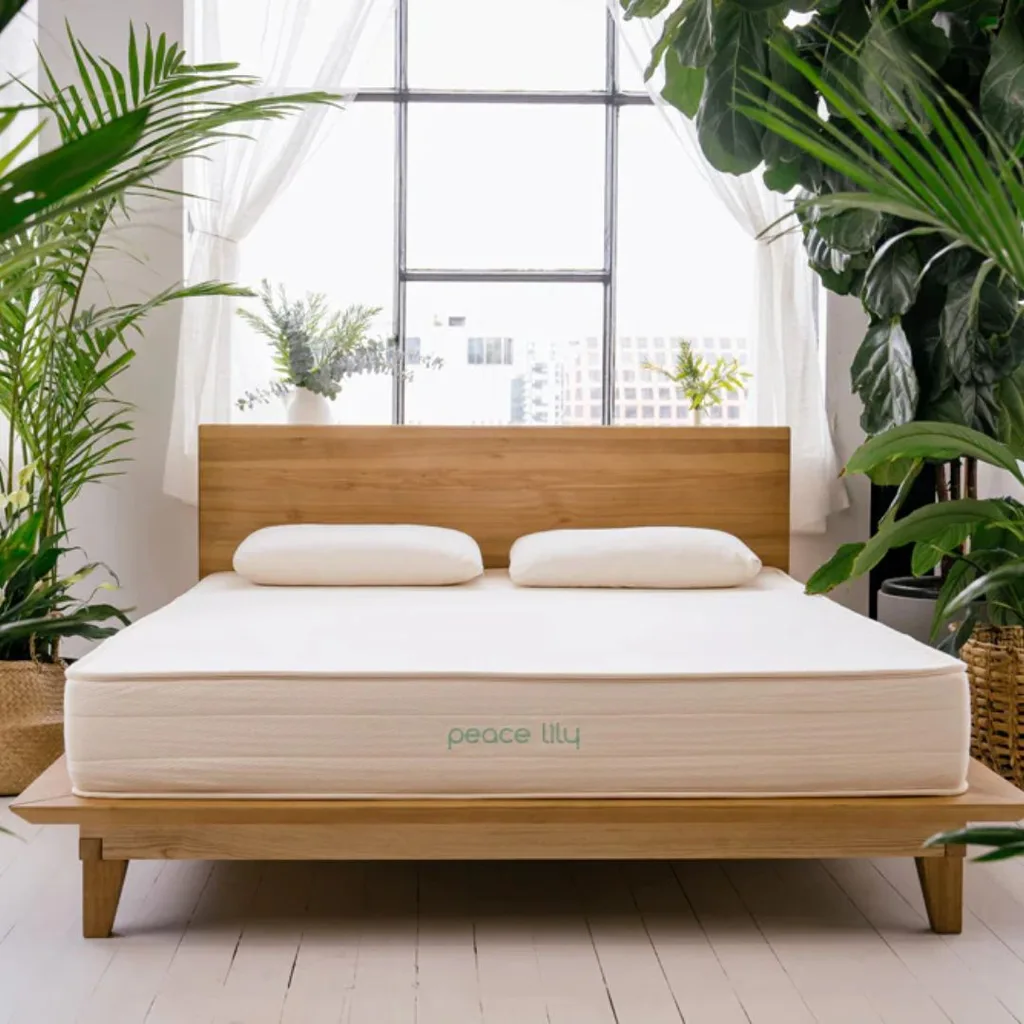
Peace Lily Latex Mattress (queen)
$1599 at Peace Lily
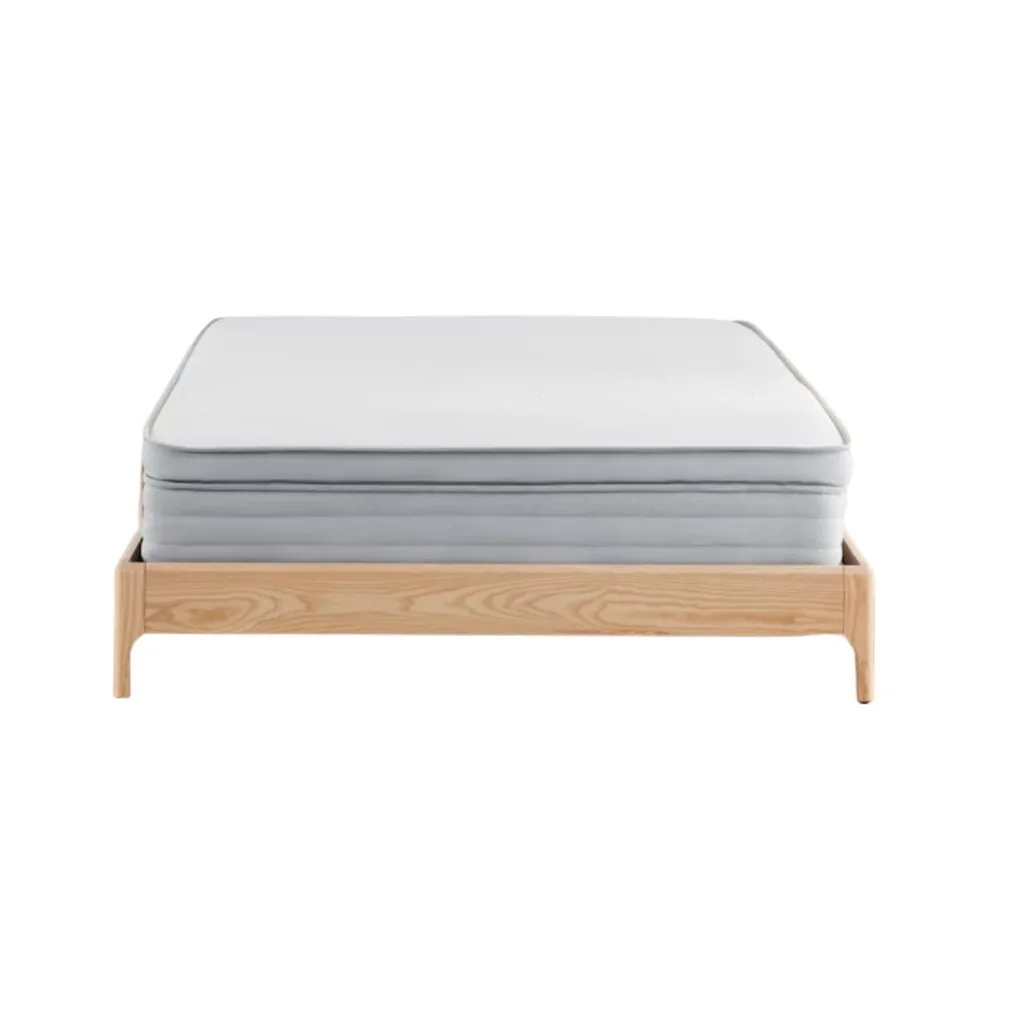
Ecosa Pure Mattress (queen)
$1740 at Ecosa
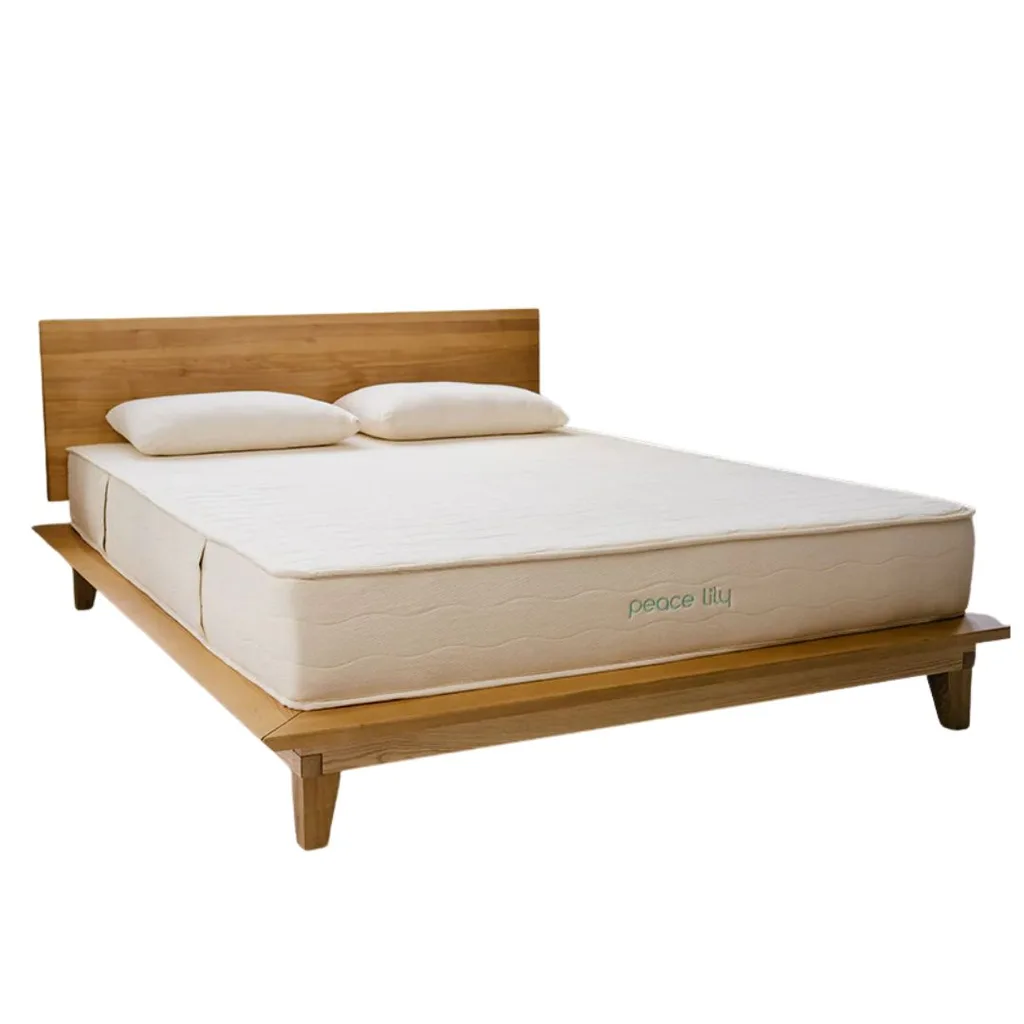
Peace Lily Hybrid Mattress (queen)
$1099 at Peace Lily
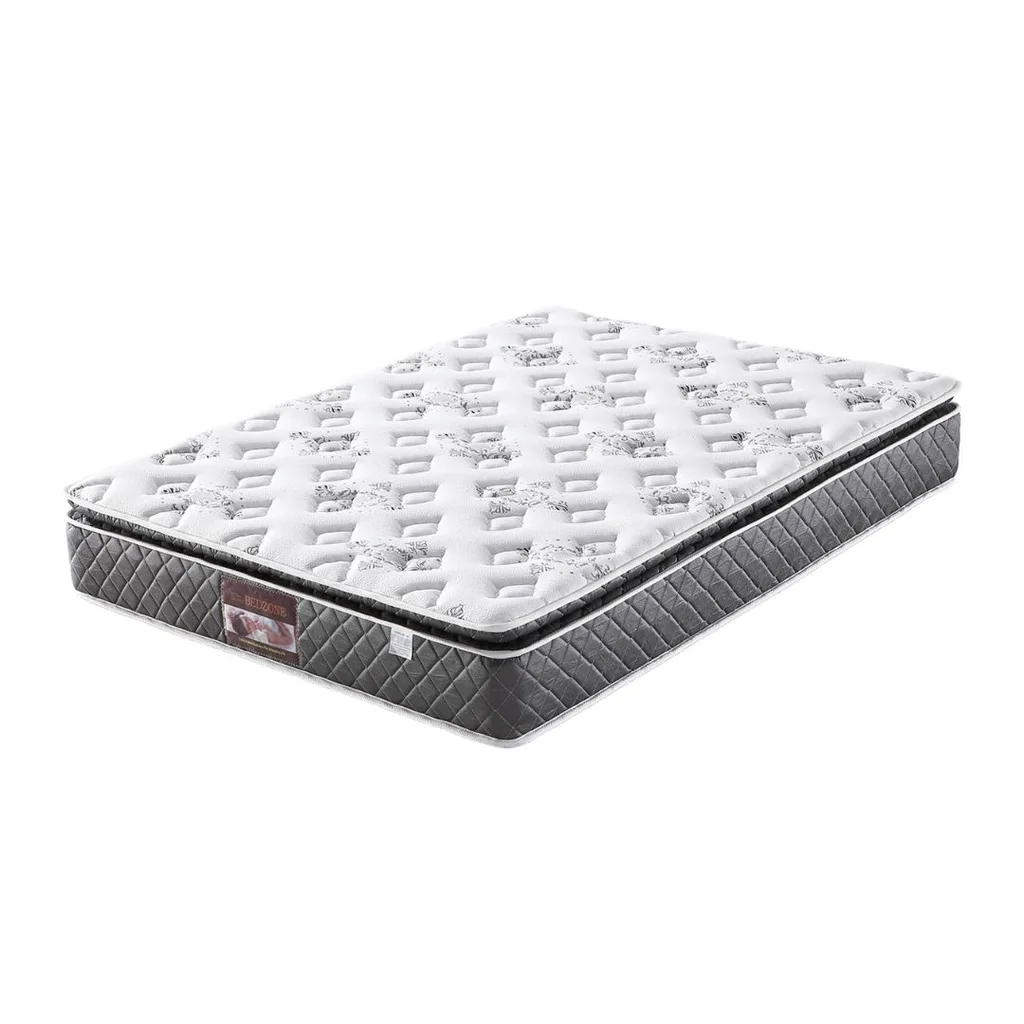
Bedzone Deluxe 5 Zones Latex Pillowtop Mattress (queen)$499.99 $429.99 at Temple & Webster
The best innerspring and coil mattresses
Best for:
- Back sleepers who prefer a firmer feel
- Budget-conscious shoppers
- People who love traditional mattress bounce
- Hot sleeper who benefit from maximum airflow
If you’ve had your fair share of sleeps, you may remember the twang of bedsprings when rolling over in bed (or maybe bouncing on it?). These traditional innerspring mattresses aren’t made very much any more, but would typically be a network of interwoven springs designed to move with you.
Designs with connected springs include Bonnell, continuous and offset. But pocket springs are by far the most common. These springs are in individual ‘pockets’, designed to respond independently to movement.
While most mattresses with springs are now hybrid, one advantage to sprung mattresses is that they can be more affordable than other types. And Temple & Webster has plenty of popular options – the Lucy Bonnell Spring Mattress has 1362 reviews and over 945 ratings of 5-stars. So if you’re on a budget, you could consider pocket spring or innerspring mattresses with plush tops, invest in a quality mattress topper – or save up for your dream mattress.
Top-rated spring and coil mattresses
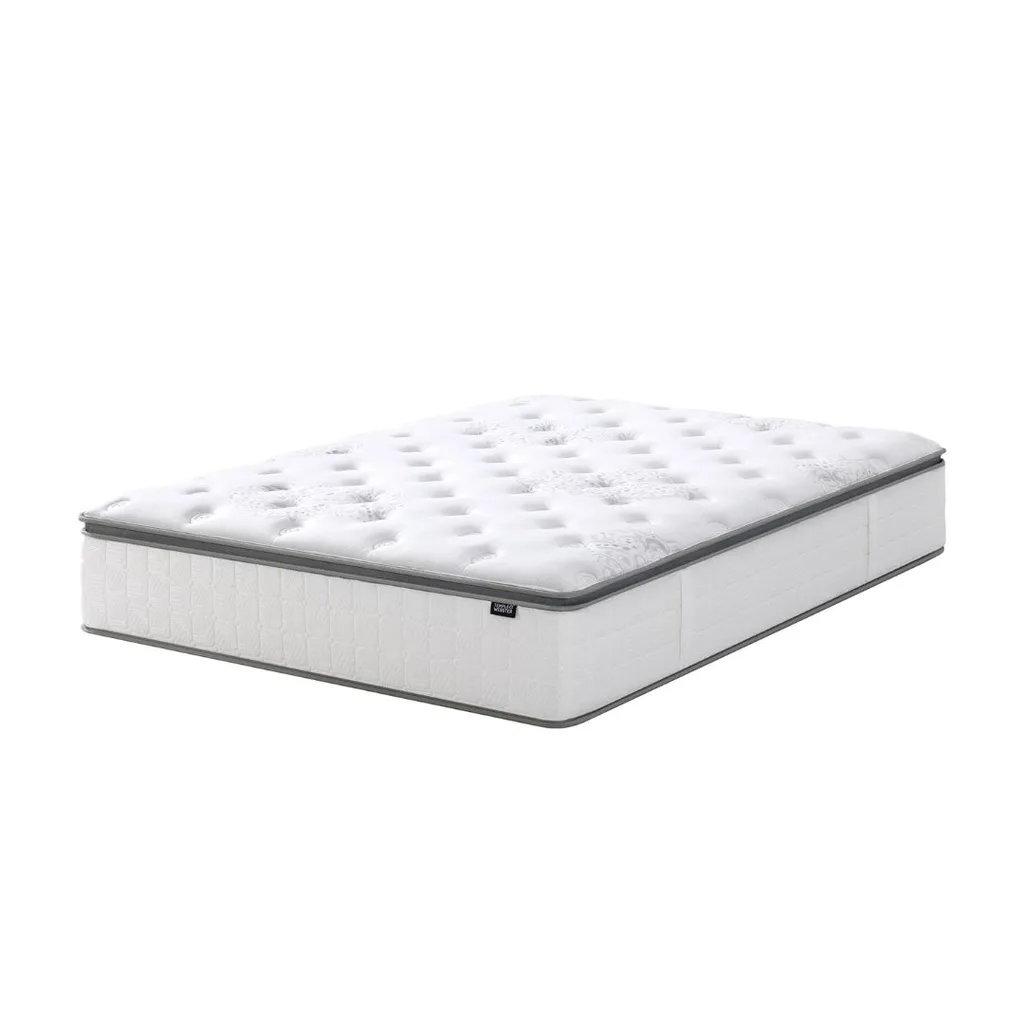
Medium Luxury Pocket Spring Mattress (queen)
$399.99 at Temple & Webster
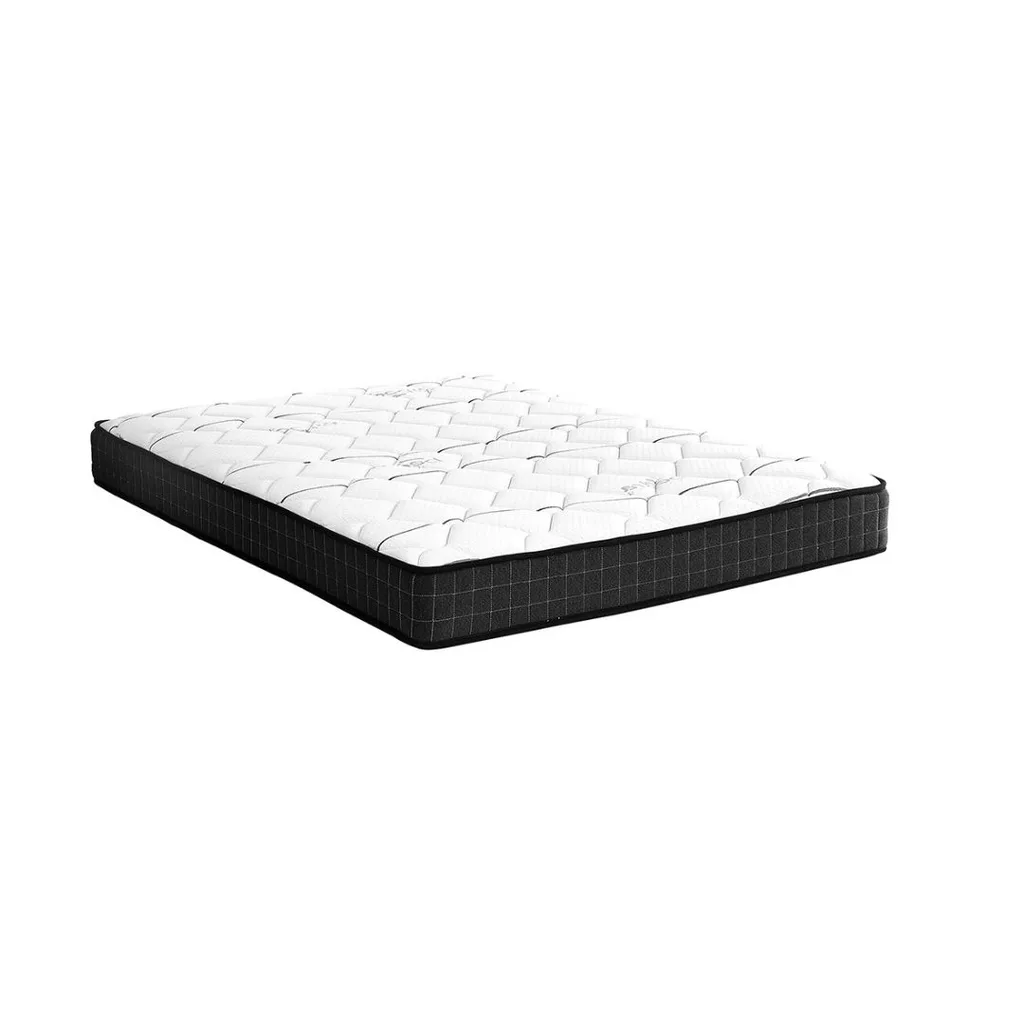
Lucy Bonnell Spring Mattress (queen)
$199.99 at Temple & Webster
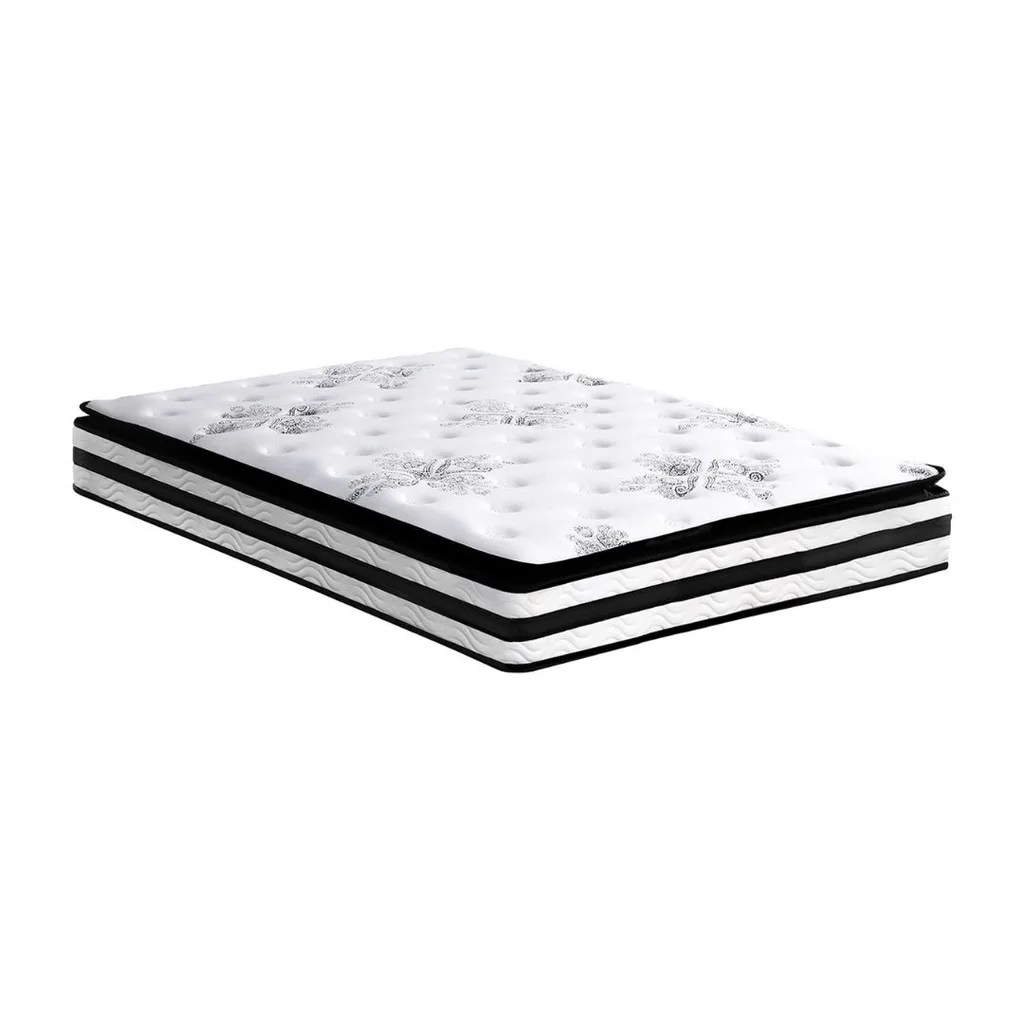
Medium EcoBliss Bonnell Spring Mattress (queen)$299.99 $229.99 at Temple & Webster
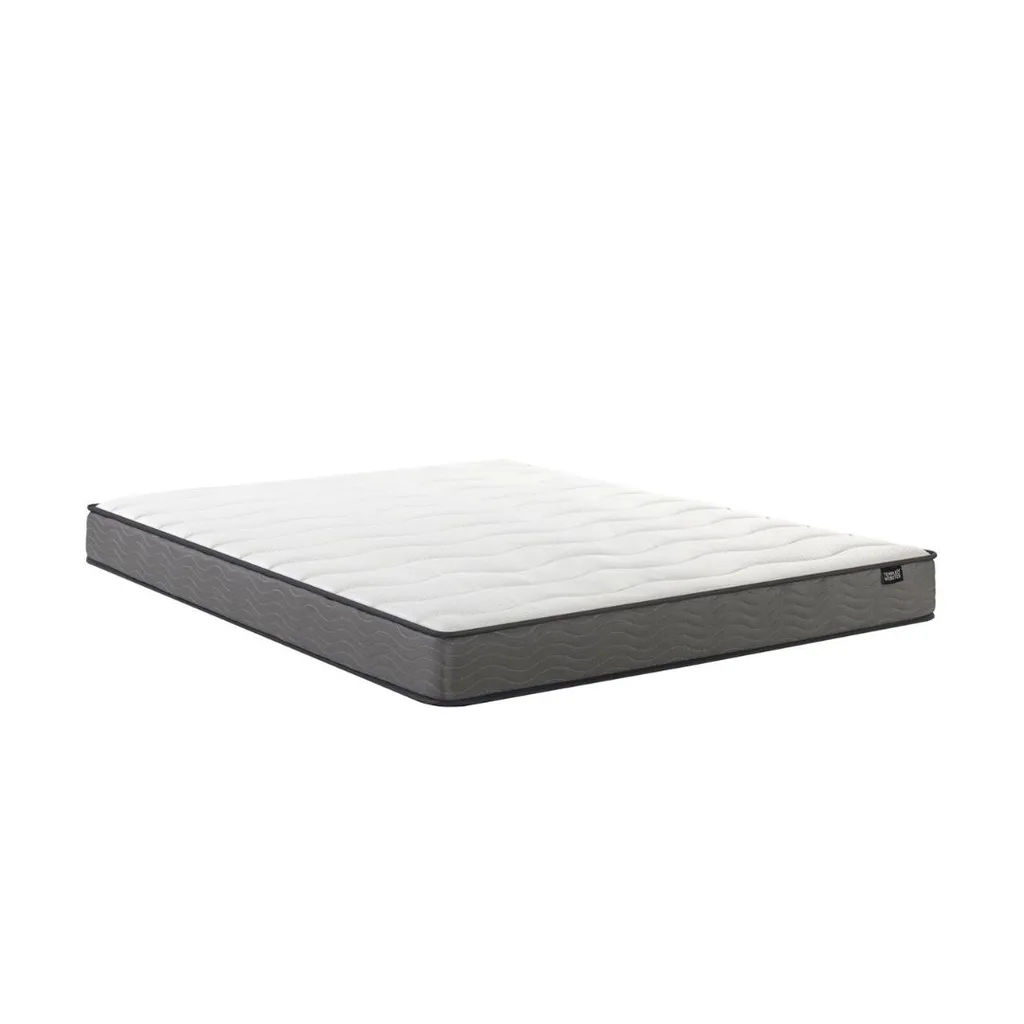
Clive Bonnell Spring Mattress (queen)$279.99 $199.99 at Temple & Webster
Other types of mattresses
While the main types of mattresses in Australia are typically hybrid, spring/coil, foam and latex, there are other options too.
For instance, my current mattress is a queen futon filled with cotton for a dense, firm and solid base. But this traditional Japanese style mattress is not common in Australia – you’re more likely to find a futon-style of sofa bed or roll-up bed, which is different (Zenbeds is an Australian company I found that makes authentic futons, and US-based The Futon Shop has some good examples but doesn’t ship here).
More recently, I’ve seen a niche interest in smart mattresses which can adapt the temperature, firmness or other features. The Eight Sleep mattress cover is one of the few options in this space that’s available in Australia. It goes over an existing mattress and can adjust temperature, track sleep and gently wake you with temperature or vibration alarms.
There’s also the HEKA AI Mattress, which uses sensors to adjust the actual mattress – similar to a smart bed base. And in the US, the Sleep Number is a leading brand in this space.
Then there are the other types of mattresses we might know about but not really consider sleeping on full time. Think inflatable mattresses (both air and foam), or the old and novel ‘water beds’. These are technically mattresses, but with very specific and limited uses.
Ask the experts: How to choose the right mattress for you
“A great night’s sleep really depends on the sleeper,” says Ken Lau, the co-founder of furniture and mattress brand Eva.
“Side sleepers usually do best with something medium to medium-firm, so your hips sink in just enough to keep your spine aligned. Back sleepers tend to prefer something firmer. Picking the right firmness for your sleeping position is half the battle.”
“There is no one mattress that suits everyone, so it’s important to understand your own sleeping style.”
Ken Lau, Eva Co-Founder
Everyone’s different when it comes to how they sleep and what level of softness or firmness they want. That plushy, cloud-like mattress that gave me a headache? It’s a dreamy favourite for someone else.
So when you’re choosing a new mattress, here are the key things to keep in mind.
1. Use your current mattress as a baseline
Even if it’s seen better days, consider what you have enjoyed about your existing mattress (or even past ones). And what have you disliked? These qualities can help guide you to the right new mattress.
If it’s been great but just needs replacing, you could even check if it’s still being made – or try something new.
2. Consider the materials
Hybrid mattresses typically offer the most versatile range of materials, but it’s worth considering different qualities and designs.
“Some people love the contouring feel of memory foam, while others prefer the bounce and support of latex,” Ken Lau tells me, adding that Eva has mattresses with both options “so you can find what suits you.”
For those with a preference for natural materials, it might be worth investing in a pure (natural) latex mattress, or a cotton or silk traditional futon.
3. Make the most of the trial period
One of the best things about mattresses these days is that a lot of them offer long trial periods so you can actually see how you sleep on the mattress.
The length of the trial period varies, but can range from 100 days (e.g. Eva and Sleeping Duck) to 120 days (Koala and Origin) – with Emma Sleep offering one of the longest trial periods at 150 nights. And on the other end of the scale, Ergoflex offers a 30-day trial.
Most brands recommend sleeping on the new mattress for around 30 days so your body can adjust before you make a decision.
“Once you’ve chosen, you also need to give yourself a little time to break in your mattress, almost like breaking in a new pair of shoes. After that, you’re set for better, more comfortable sleep.”
Ken Lau, Eva Co-Founder
4. Remember your bed base
“Besides choosing a great quality mattress, the bed base you choose actually matters more than most people realise,” Ken tells me.
“Slat spacing, for example, can make a huge difference. If the gaps are too wide or the frame isn’t stable, your mattress can sag and, worse, you could void the warranty. Memory foam and latex mattresses usually need solid bases or slats spaced closely, under 7cm, while innerspring and hybrid mattresses can handle slightly wider spacing. I would avoid flexi-slats like the plague.”
He says one of the easiest ways to get the right base is to buy it from the same brand – Eva, Koala, Origin, Sleeping Duck, Emma and many more top mattress brands also sell bases to go with their mattresses. But if you’re happy with your current bed and just want a mattress, you could simply check the details of both – or ask the mattress brand if it’s suitable for your base.
5. Decide when to replace it (or when to check the warranty)
When you’re considering the cost of a new mattress, it’s also worth thinking about how long it will last. As a general guide, most mattresses should last around 7-8 years but it could be more or less depending on the quality, bed base, how often it’s used and other variables.
If you have a mattress topper, for example, you might find the mattress lasts longer – or that replacing the topper extends its life.
Mattresses also have warranties, usually to cover manufacturing defects and issues, but some can be very long. Emma Sleep and Origin, for example, both have 15 year warranties, and Peace Lily offers 25 years for its latex mattress. So even if it’s been a few years, it’s worth checking with the brand to find out if any issues are covered. Because ultimately, spending money on the right mattress for you should mean better sleep for years to come.
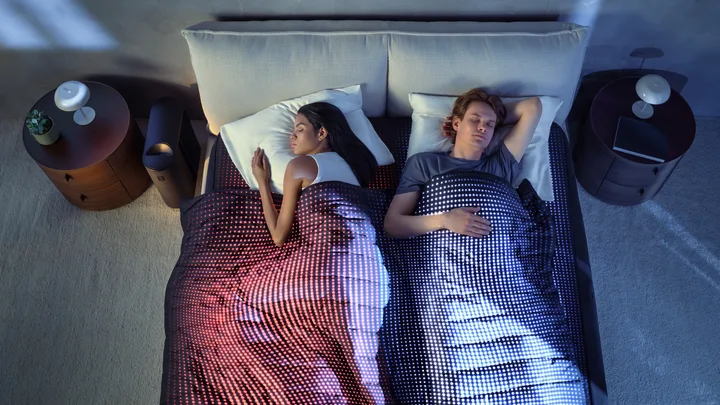
The main types of mattresses are memory foam, innerspring, hybrid and latex. Memory foam contours to the body for pressure relief, innerspring uses coils for support and airflow, hybrids combine foam and coils, and latex offers a responsive, breathable feel. The right type depends on your sleep position, comfort preference and budget.
A medium-firm mattress is often best for back pain, as it helps keep the spine aligned while still providing cushioning. Hybrid and firmer memory foam mattresses are commonly recommended because they balance support and pressure relief. However, the best option depends on your body weight and preferred sleeping position.
Side sleepers usually benefit from memory foam or hybrid mattresses that provide pressure relief through the shoulders and hips. A medium to medium-firm feel often works best, allowing joints to sink slightly while keeping the spine aligned.
Hybrid mattresses combine foam layers with coil support, offering both contouring and bounce. Memory foam provides deeper body-hugging pressure relief. Neither is universally “better”, hybrids suit those wanting more responsiveness, while memory foam suits those who prefer a softer, quieter feel.
Latex mattresses are generally considered among the most durable, often lasting 10–15 years. High-quality hybrid and memory foam mattresses can also last many years with proper care. Longevity depends on material quality, construction and how well the mattress is maintained.
Hot sleepers may prefer latex, hybrid or innerspring mattresses, as they allow better airflow than traditional memory foam. Some modern foam mattresses include cooling gel or open-cell designs to improve temperature regulation.
To choose the right mattress type, consider your sleep position, body weight, comfort preference and budget. Side sleepers often need more cushioning, back sleepers may prefer firmer support, and hot sleepers should prioritise breathable materials. Testing firmness levels and checking return policies can also help.


Related stories
Native ad body.
Native ad body.

Native ad body.