
We all know when to toss the milk, and nobody needs a reminder to replace a burnt-out lightbulb. But our homes are filled with silent workhorses; everyday essentials that subtly bypass their best-by; no sparks, odours, or cracks. Instead, becoming just a little less efficient, or a little more germ-ridden, before ceasing to work altogether.
When to replace:
Consider this a reminder: leaving these items in rotation past their prime isn’t just a matter of aesthetics; it can impact your health, your home’s efficiency, and your wallet long-term.
Here is the ultimate checklist of the household staples you are probably forgetting to replace, and exactly when to swap them out (and for the short version, you can always jump straight to our handy household replacement cheat sheet). Also, as for what time of year to get the new versions, it’s now — during the EOFY sales, which run from around late May to late June with savings of up to 70% off.





1. Chopping boards
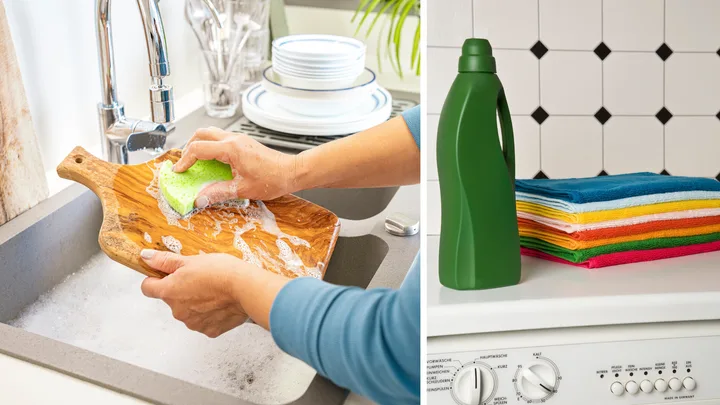
With the raging discourse around microplastics, there’s a misconception about just how often we need to replace our chopping boards. Yes, if you can see deep grooves in your board, it’s time to swap it out, as these are the perfect breeding ground for bacteria (and prove near impossible to clean thoroughly with standard dish soap and water).
However, by choosing the right chopping board and treating it with proper care, most can last for years. As such, we consider investing in a quality option, or a set with designated uses, a worthwhile splurge for your household.
- When to replace: Every 1 to 5 years (or as soon as grooves become deep and dark).
- BHG’s Pro-Tip: If your wooden board is warping, cracking, or rocking on the counter, it’s a safety hazard and needs to go immediately.
How to save and what to skip:
It seems like everyone is talking about the dangers of microplastics, but how worried should you really be?
The NIH identifies chopping boards as a ‘potentially significant’ source of microplastics in food, and Stanford Medicine claims ‘evidence is growing that exposure [to microplastics] could be harmful. To err on the side of caution, skip plastic cutting boards altogether.
When shopping for a new chopping board, avoid extra-hard materials like marble and ceramic; not only can they cause you to slip and slice something you shouldn’t, but they’ll also dull your knives very quickly. However, soft materials should be skipped too, as deep, bacteria-harbouring grooves will likely pop up after just a few uses.
For a long-lasting and cost-effective alternative, opt for a hardwood chopping board instead. Dense enough to prevent deep grooves from forming (before you’d expect, at least) and knife-safe, these sturdy options are your safest bet.
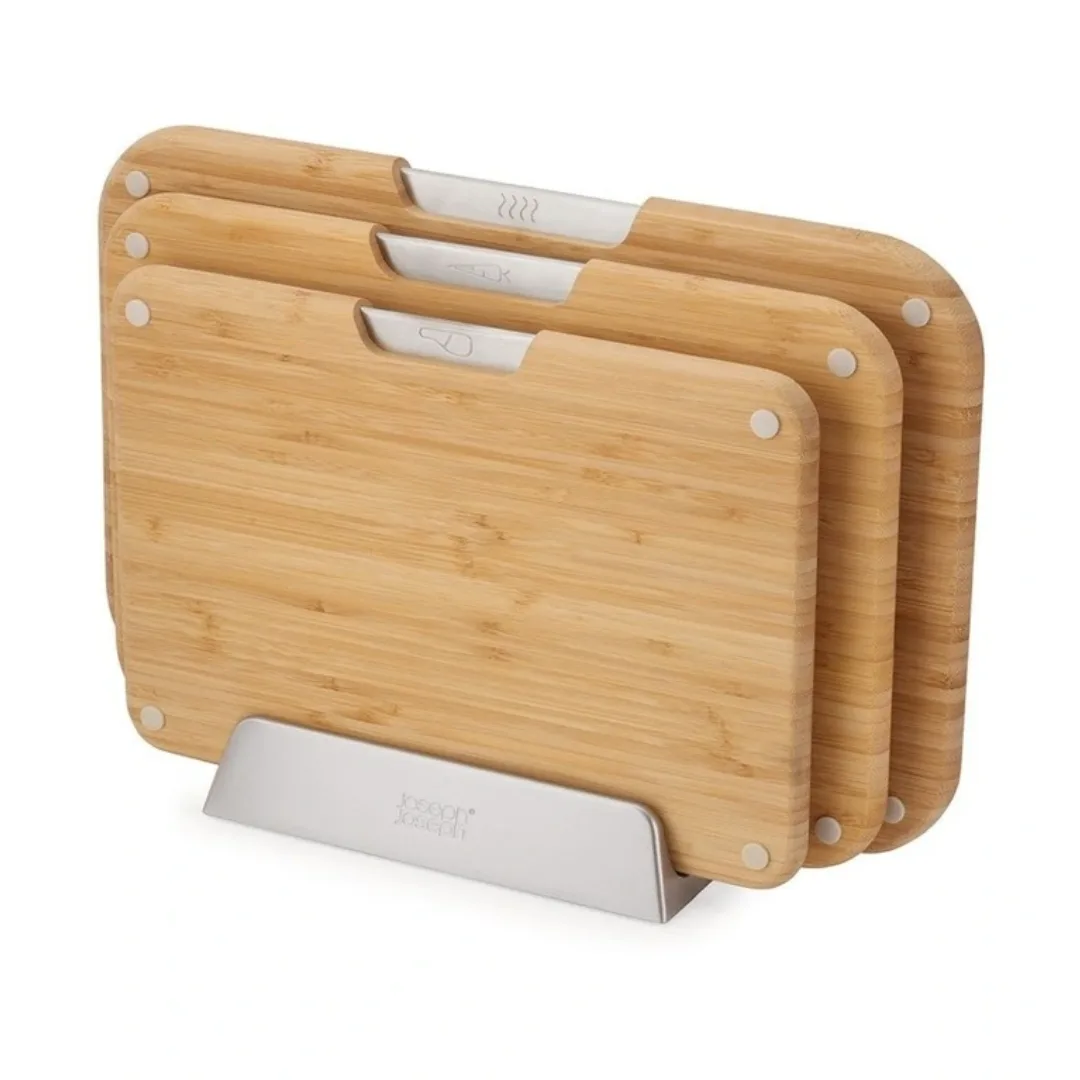
Joseph Joseph 3-Pack Nest Bamboo Boards
$179.95 at Myer
Worth the spend for: avoiding cross-contamination
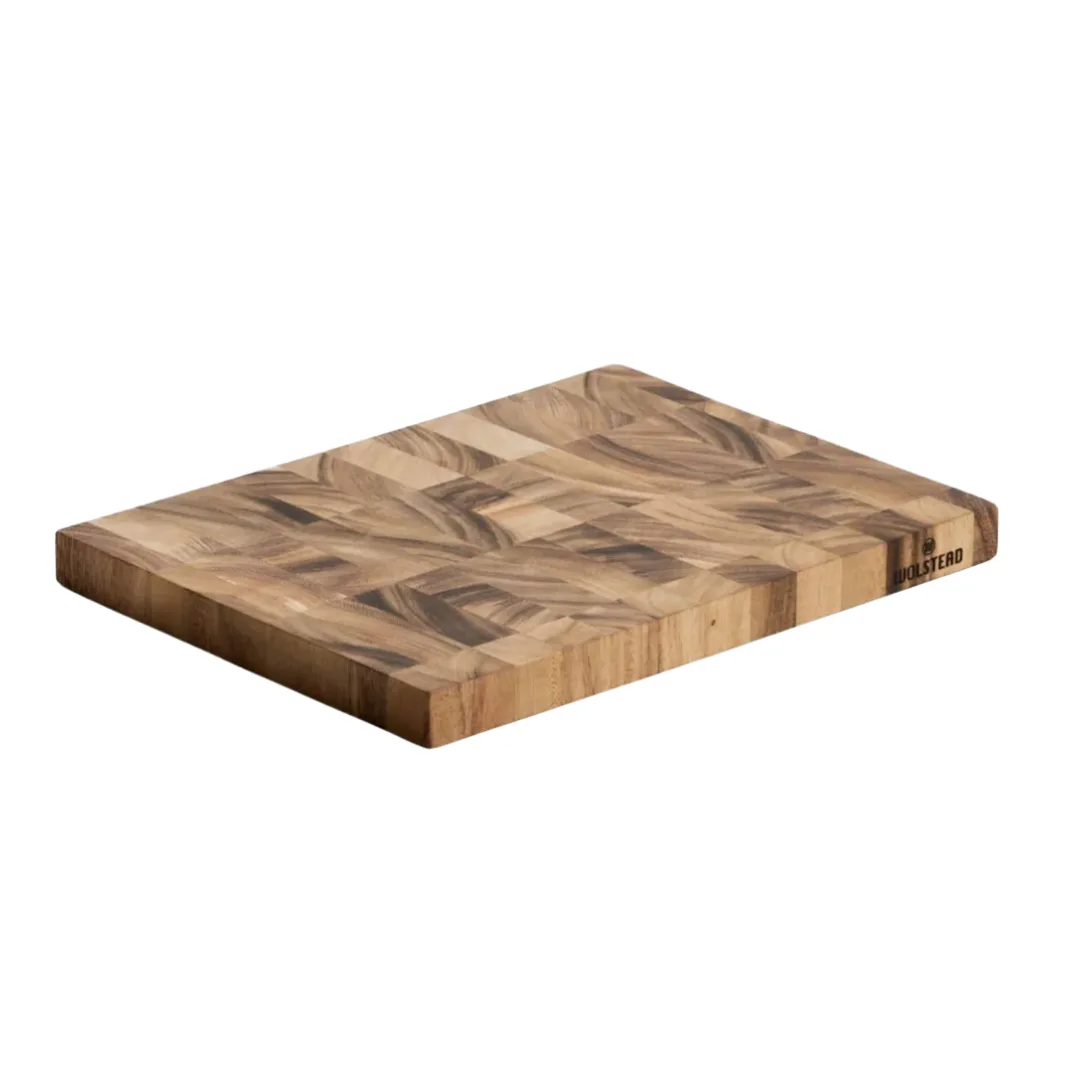
4-Pack Sponge Daddy Dual-Sided Scrubber
$139.95 at Kitchenwarehouse
Worth the spend for: durability and knife safety
2. Plastic food containers
We all have a cabinet dedicated to mismatched plastic containers. And while convenient, plastic degrades over time, especially if you run them through the dishwasher or use them in the microwave. If your containers are stained, scratched, or have a strange, cloudy film, they are likely leaching chemicals into your food.
Like chopping boards, tupperware is another household product worth investing in. High-quality plastic containers can last 5-10 years with proper care, and glass alternatives can survive indefinitely. And as the price of glass containers can start at just $10, it’ll be much more affordable to invest in a one-time purchase, rather than constantly replacing cheap plastic alternatives.
- When to replace: Every 5 to 10 years for high-quality plastic (or sooner if warped or stained).
- BHG’s Pro-Tip: Upgrade to glass containers. They last indefinitely, don’t stain, and are entirely microwave-safe.
How to save and what to skip:
If we could only offer one piece of advice, it’s to avoid storing food in any containers crafted from non-food-safe PVC (Polyvinyl Chloride). In order to prevent harmful additives from leeching into food, and earn the food-grade stamp of approval, this type of plastic has to be treated in a very particular way. Remember, not all plastics are created equal.
For total safety and increased longevity, swap your plastic containers for glass. While they might be a little more expensive to buy individually, bulk bundles and seasonal sales can result in the price of some glass food containers rivalling that of plastic sets.
| Glass food containers | Plastic food containers | |
| Great for work lunches | ✓ | ✓ |
| Easy to wash | ✓ | ✓ |
| Microwave safe | ✓ | |
| Dishwasher safe | ✓ | sometimes |
| Can last indefinitely | ✓ | |
| Won’t shatter | ✓ |
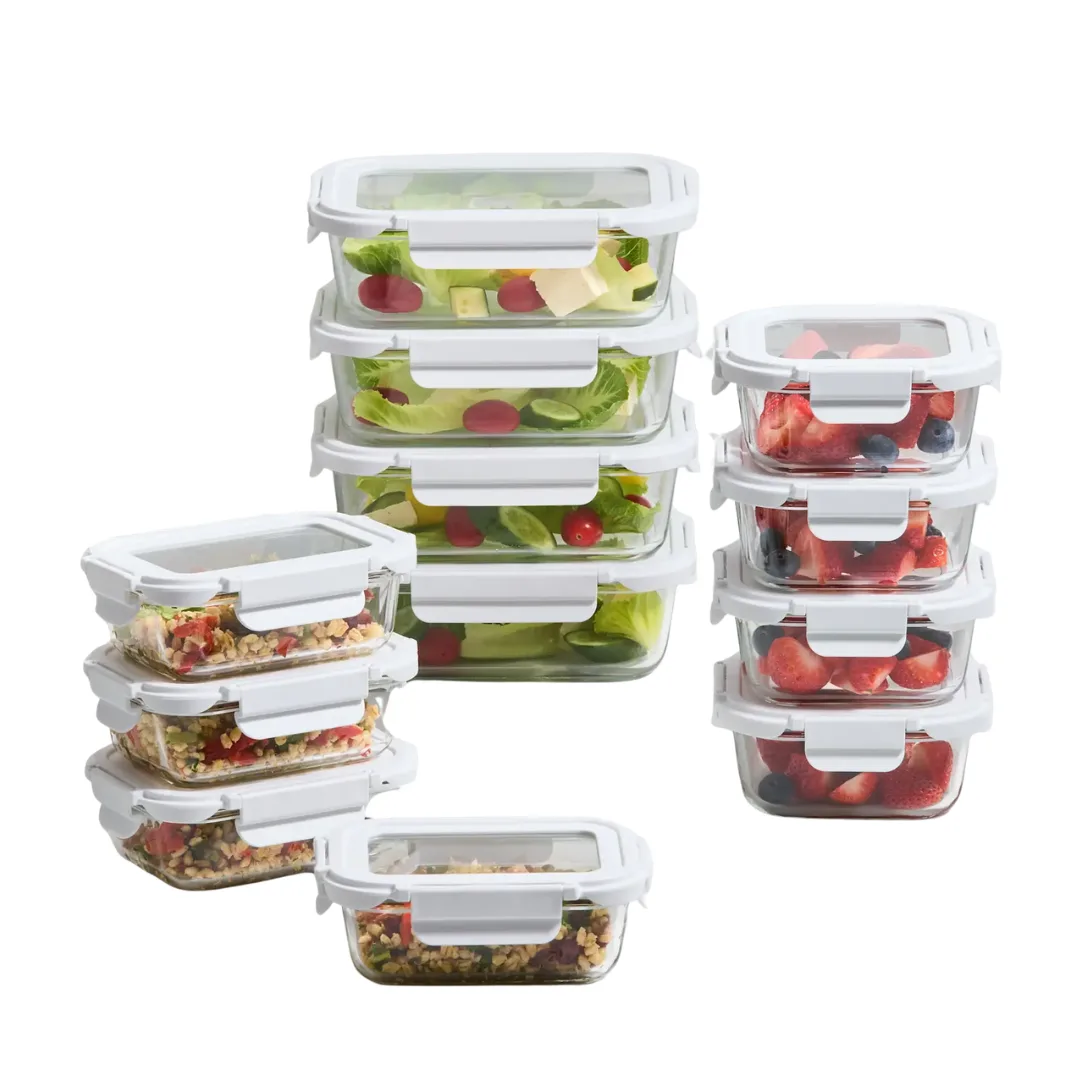
12-Pack Kitchen Pro VersaLock Glass Containers
$229.95 at Kitchenwarehouse
Worth the spend for: savings of $150
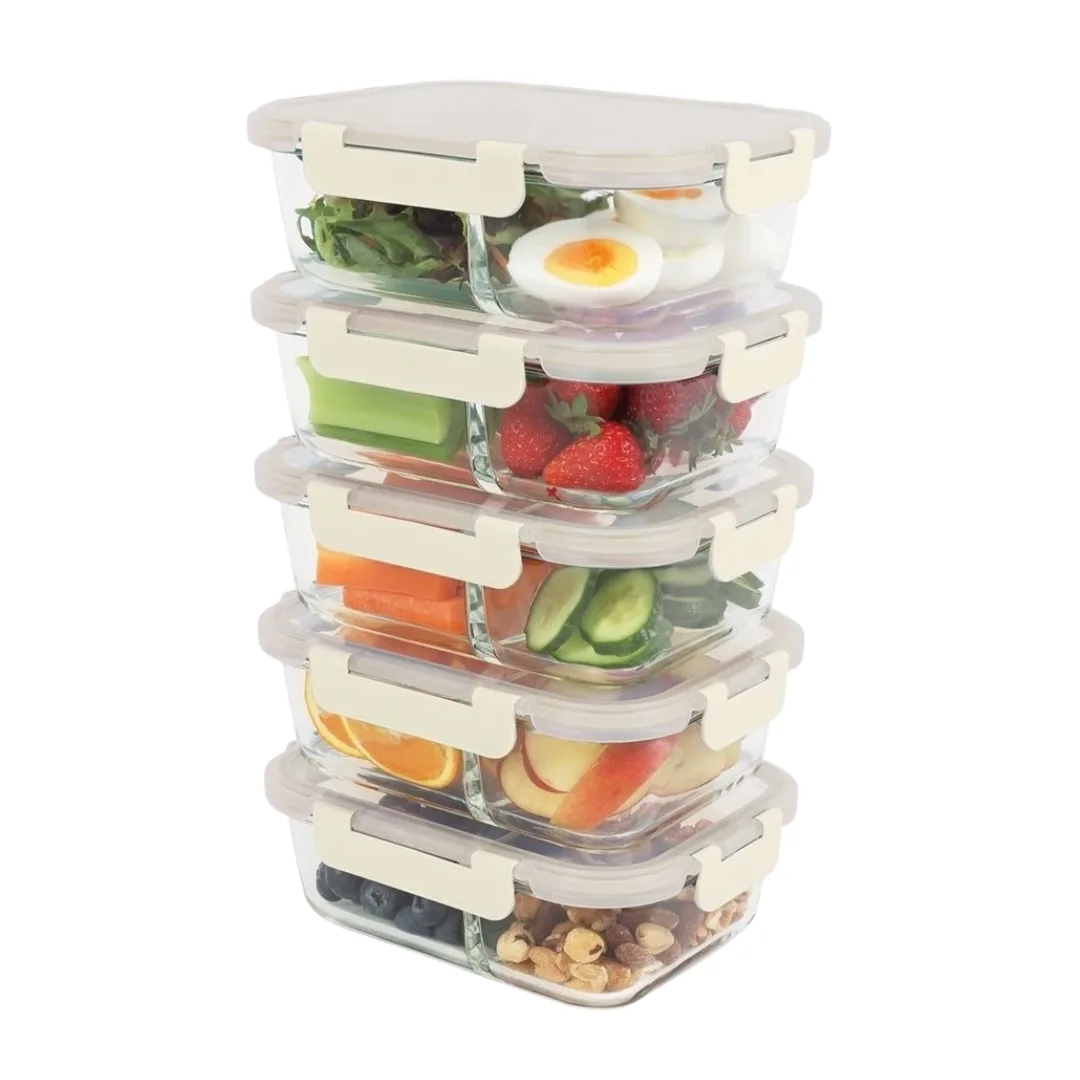
The Cook’s Collective 5-Piece Bento Glass Containers
$59.95 at Myer
Worth the spend for: work or school lunches
3. Bath towels
You’ve washed them hundreds of times, and they still get you dry (albeit slowly). So why replace them? Over time, constant laundering breaks down the cotton fibres of your bath towel, and stripping it of its absorbency and turning it into a stiff, scratchy sheet. Furthermore, older towels retain moisture longer, making them a haven for mildew.
If you’re not sure whether your towels are due for an upgrade, give them a sniff post-wash; a persistent order can indicate that they’re beyond saving.
- When to replace: Every 2 years.
- BHG’s Pro-Tip: If your towels have a persistent musty smell even after being washed, the fibres are trapped with bacteria and detergent buildup. It’s time for an upgrade.
How to save and what to skip:
Our top tip for bath towel shoppers is to avoid microfibre fabrics, especially if you’re sensitive to textures. These towels tend to drag across the skin and can have a hard time absorbing water, but worst of all, they also trap odours.
Instead, invest in 100% cotton towels, which last longer and feel better against the skin. And if you like wrapping a towel around yourself post-shower, but always find the size of standard towels a little too small, consider sizing up to a cotton bath sheet the next time you upgrade. These types of towels often go on sale during major sales events, like EOFY and Black Friday, so keep your eyes peeled for discounts.
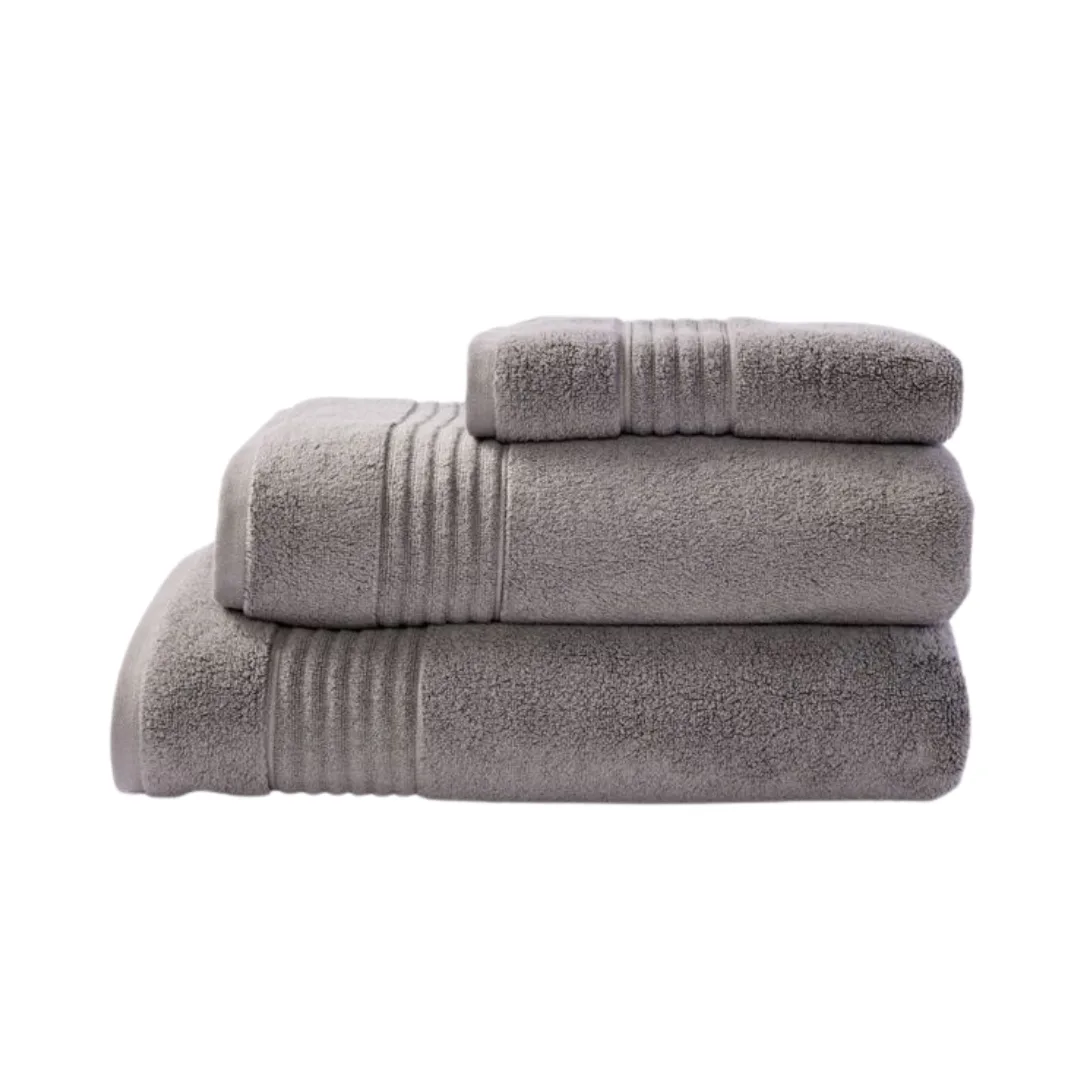
Elysian Haven Towel Collection Charcoal
$23.99 (was $59.99) at Harris Scarfe
Worth the spend for: a fluffy and lightweight texture
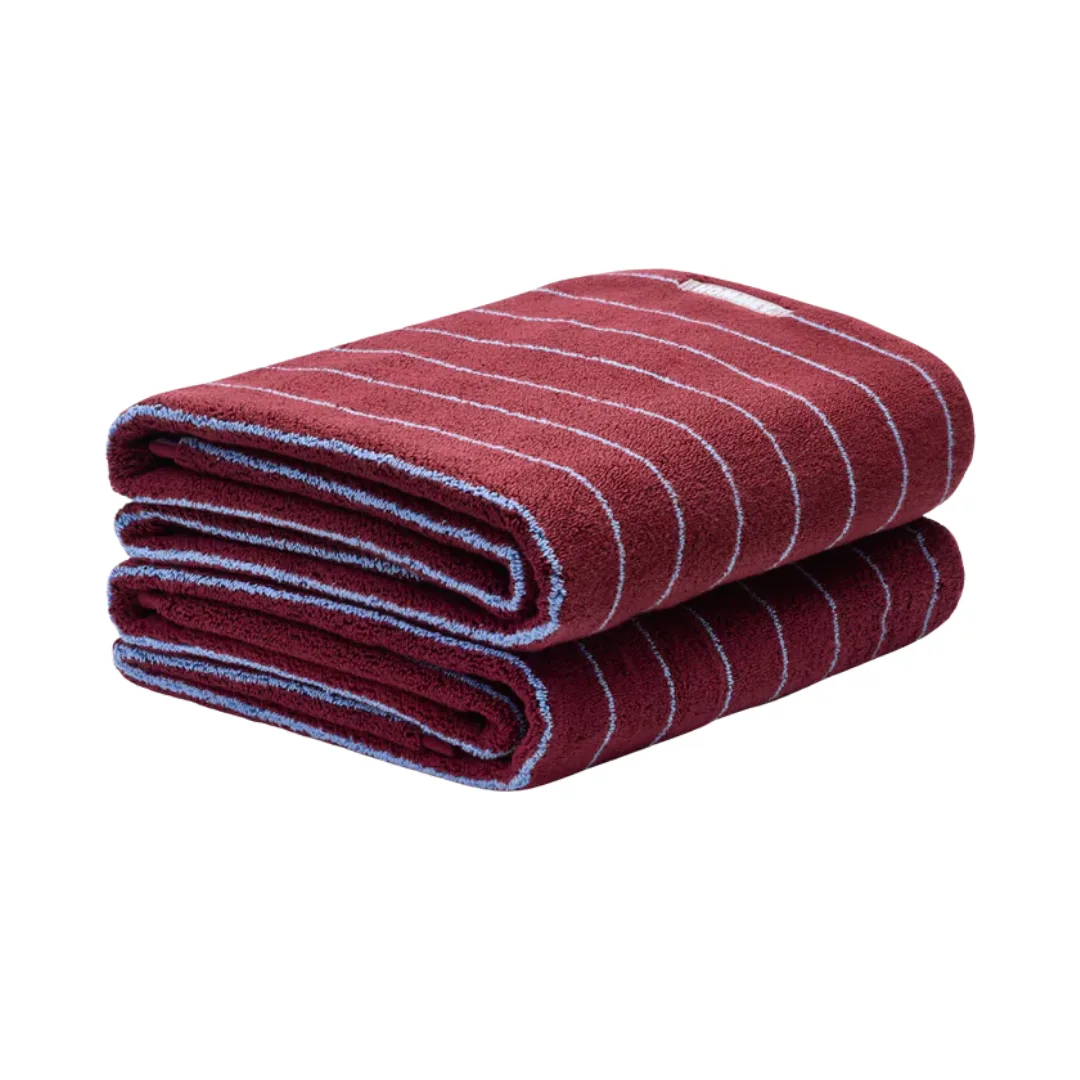
2-Pack Hommey Bath Sheet
$148 at Hommey
Worth the spend for: sizing up
4. Bed sheets
We spend a third of our lives in bed. Even if you wash your bed sheets weekly, the fabric constantly absorbs body oils, sweat, and dead skin cells. Over time, the friction of sleeping weakens the threads, leading to thinning fabric, pilling, and a loss of softness that can actually disrupt your sleep quality.
And if you suffer from allergies, sticking with old, overused bedding could be the root cause. Allergens can easily become stuck in the fibres and, if they get deep enough, can even withstand your bi-weekly wash. If you’re waking up sniffly, think back to the last time you invested in a new set; it’s likely that more time has passed than you might think.
- When to replace: Every 2 to 3 years.
- BHG’s Pro-Tip: Rotating between two or three sets of sheets will drastically extend the lifespan of all of them.
How to save and what to skip
If you don’t have much space in your linen cupboard, cut down on your bedding collection by opting for trans-seasonal sheets that can be warmed up or cooled down with different doona weights. Fabric options that fit the bill include organic cotton and bamboo.
However, if you’re a hot sleeper, don’t suffer through the warmth. Instead, opt for a cooling fabric, like bamboo, linen, or silk. Likewise, if you run cold, warm up with a jersey or flannelette set.
“I switched from my usual linen set to Hommey’s organic cotton bed sheets, and (with the right doona pairing) they work surprisingly well for all seasons. Plus, I adore their ultra-soft, buttery texture, and wide range of colourways. Highly recommend.”
Paris Blanchfield, Shopping Editor
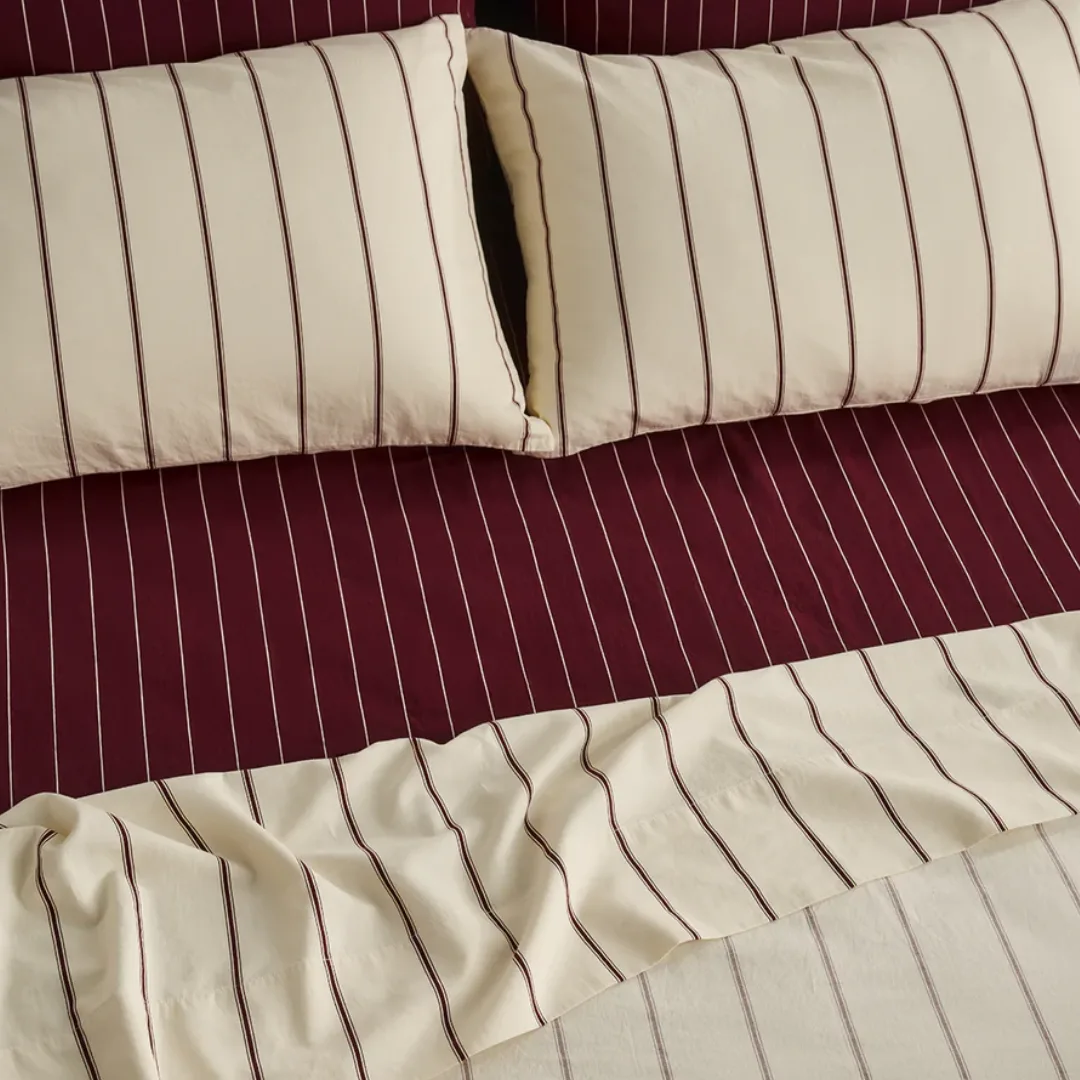
Hommey Sheets in Chamomile
$89 at Hommey
Worth the spend for: year-round comfort
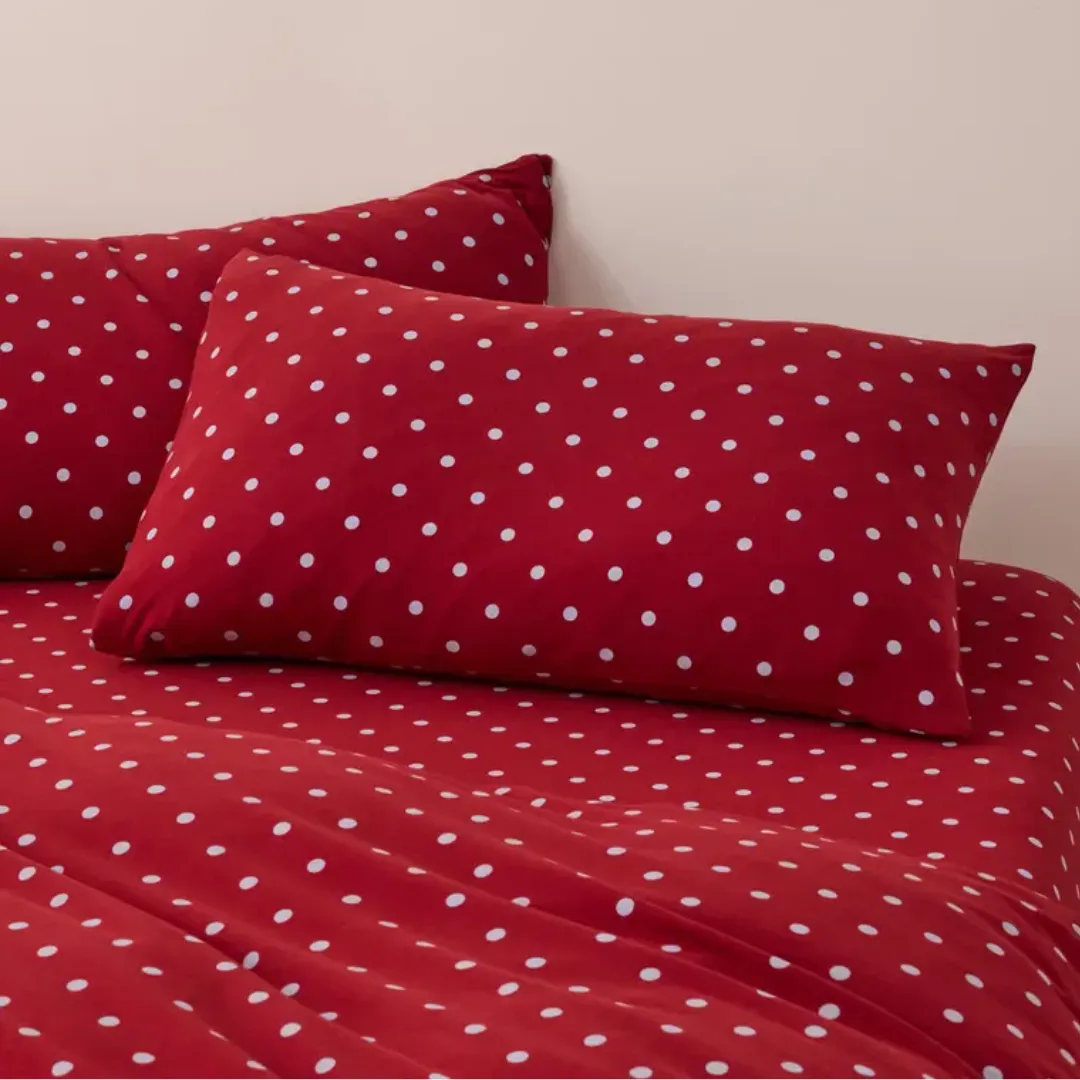
Sleep Society Miller Jersey Sheets
from $55 at Sheet Society
Worth the spend for: cold sleepers
5. Kitchen sponges
Your kitchen sponge might look fine, and smell mostly fine, but research shows that the humble kitchen sponge is often the dirtiest object in the entire house, harbouring millions of bacterial colonies. Microwaving or boiling them might kill some germs, but it doesn’t make them immortal.
These are items you won’t want to splurge on; fancy sponges house just as many germs as their cheap counterparts. We recommend finding a low-cost option and bulk buying them for further savings and a supply you don’t have to stretch.
- When to replace: Every 1 to 2 weeks.
- BHG’s Pro-Tip: Once its time is up in the kitchen, downgrade it to a “dirty job” sponge for cleaning bathroom tiles or outdoor trash cans before tossing it entirely.
How to save and what to skip:
Skip the fancy dishcloths that cost over $10 per piece. Even eco-conscious households can find natural and biodegradable options for under $2; especially if you buy in bulk.
However, if you want a longer-lasting option, copper pads are a great alternative that can last from several months to multiple years. The only catch? Their hard fibres don’t pair well on non-stick coatings, fine wood, or soft plastic.
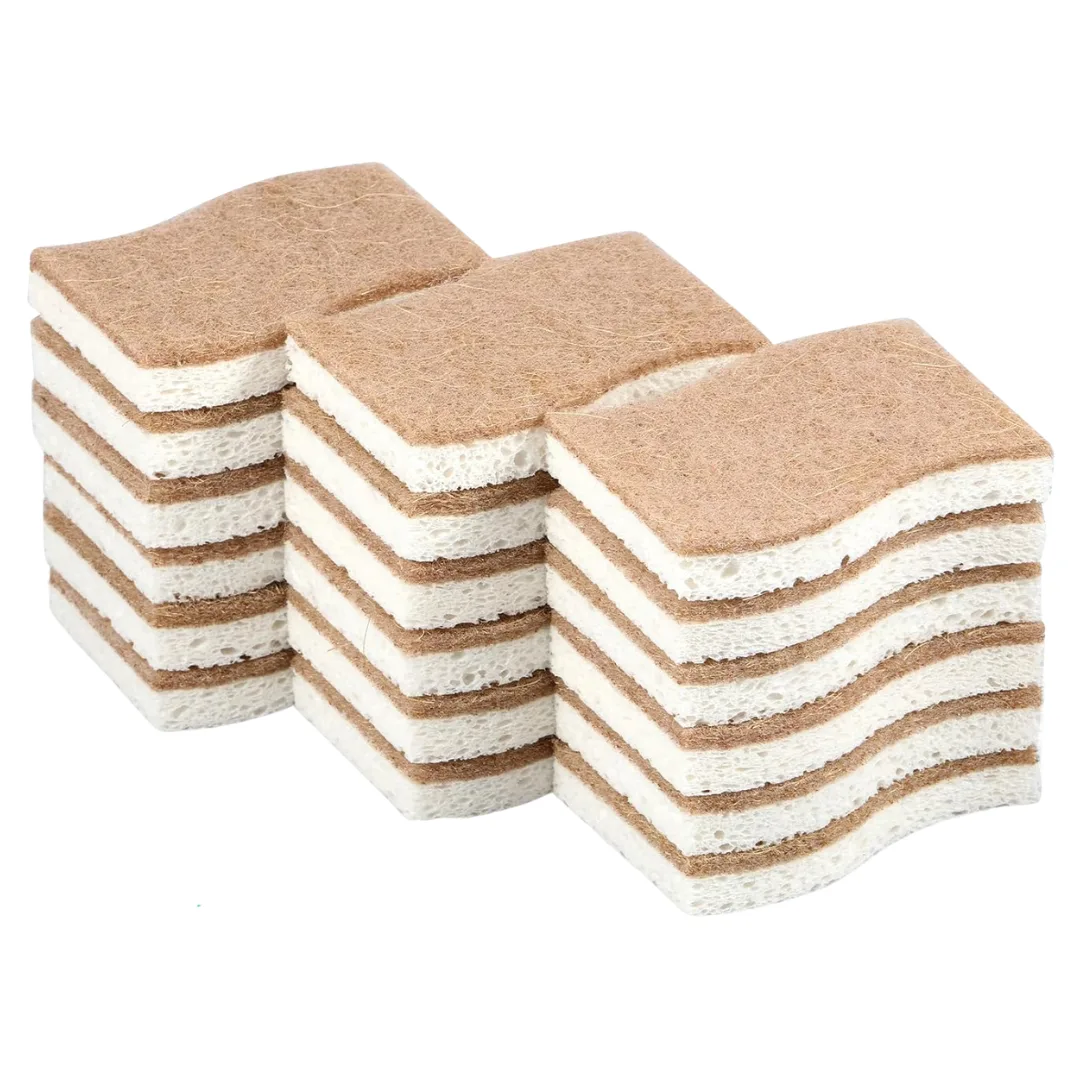
18-Pack Natural Kitchen Sponges
$27.99 at Amazon
Worth the spend for: eco-friendly households
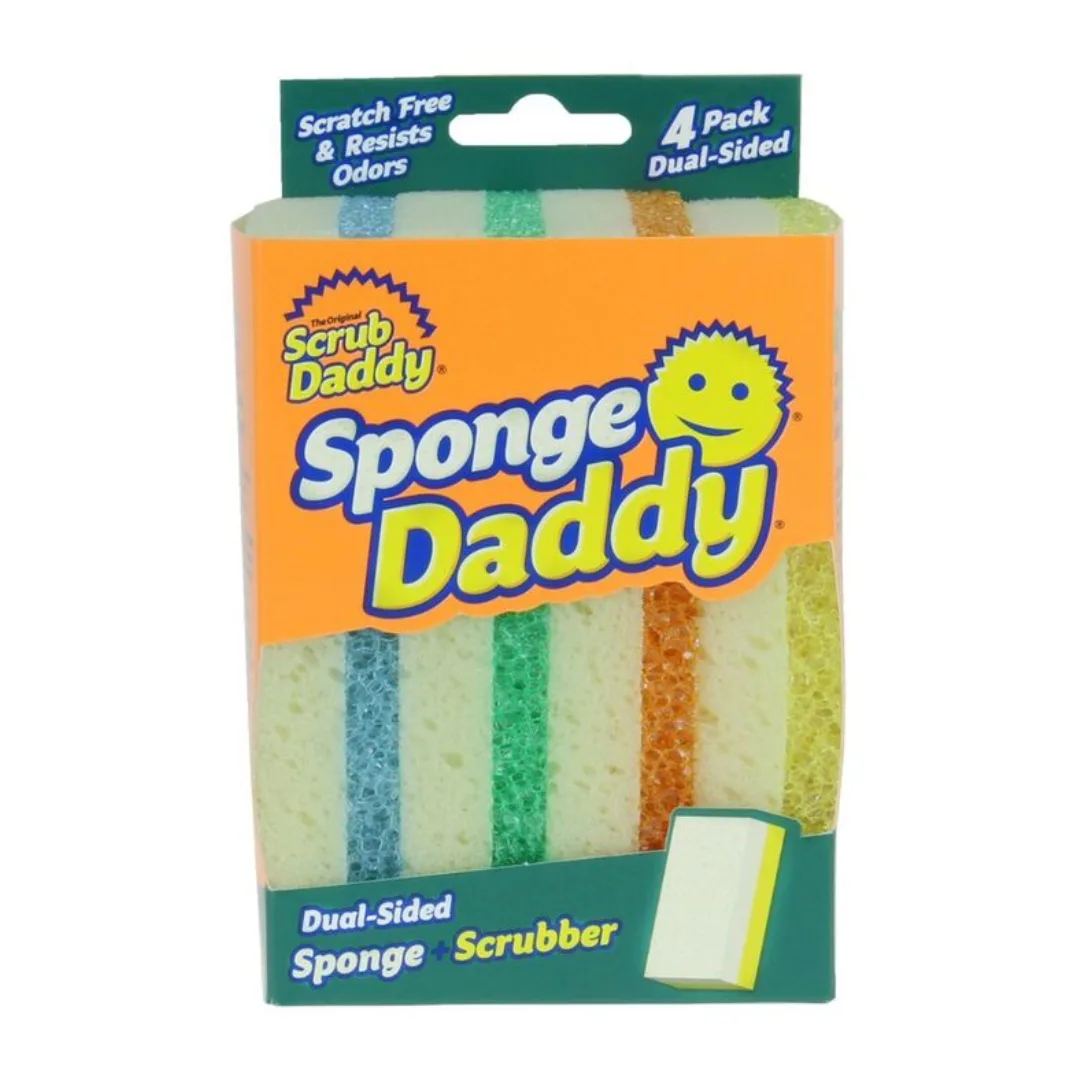
4-Pack Sponge Daddy Dual-Sided Scrubber
$9.50 at Spotlightstores
Worth the spend for: bargain hunters
6. Mop Pads
Whether you use a spray mop, a steam mop, or a traditional spin mop, microfiber mop pads are incredibly efficient at trapping dirt, grease, and pet hair. However, they aren’t invincible. Over time, the tiny hooks in the microfiber fabric break down or become permanently clogged with cleaning chemicals and deeply embedded oils. When this happens, your mop stops absorbing grime and starts simply pushing dirty water around your floors.
- When to replace: Every 3 to 12 months (or after roughly 50 to 100 washes).
- BHG’s Pro-Tip: Never use fabric softener or bleach when washing your microfiber mop pads. Fabric softener coats the fibres, rendering them useless at absorbing moisture, while bleach destroys the delicate synthetic threads.
How to save and what to skip
Like sponges, we recommend opting for the most affordable option when upgrading your mop pads. While some individual replacement pads can run up to $13, you’ll be able to find equally high-quality alternatives for under $8 per piece (and some for as low as $4) when shopping in bulk.
From our perspective, this isn’t a household staple to splash out on. After all, you’ll need to buy a new replacement in a matter of months.
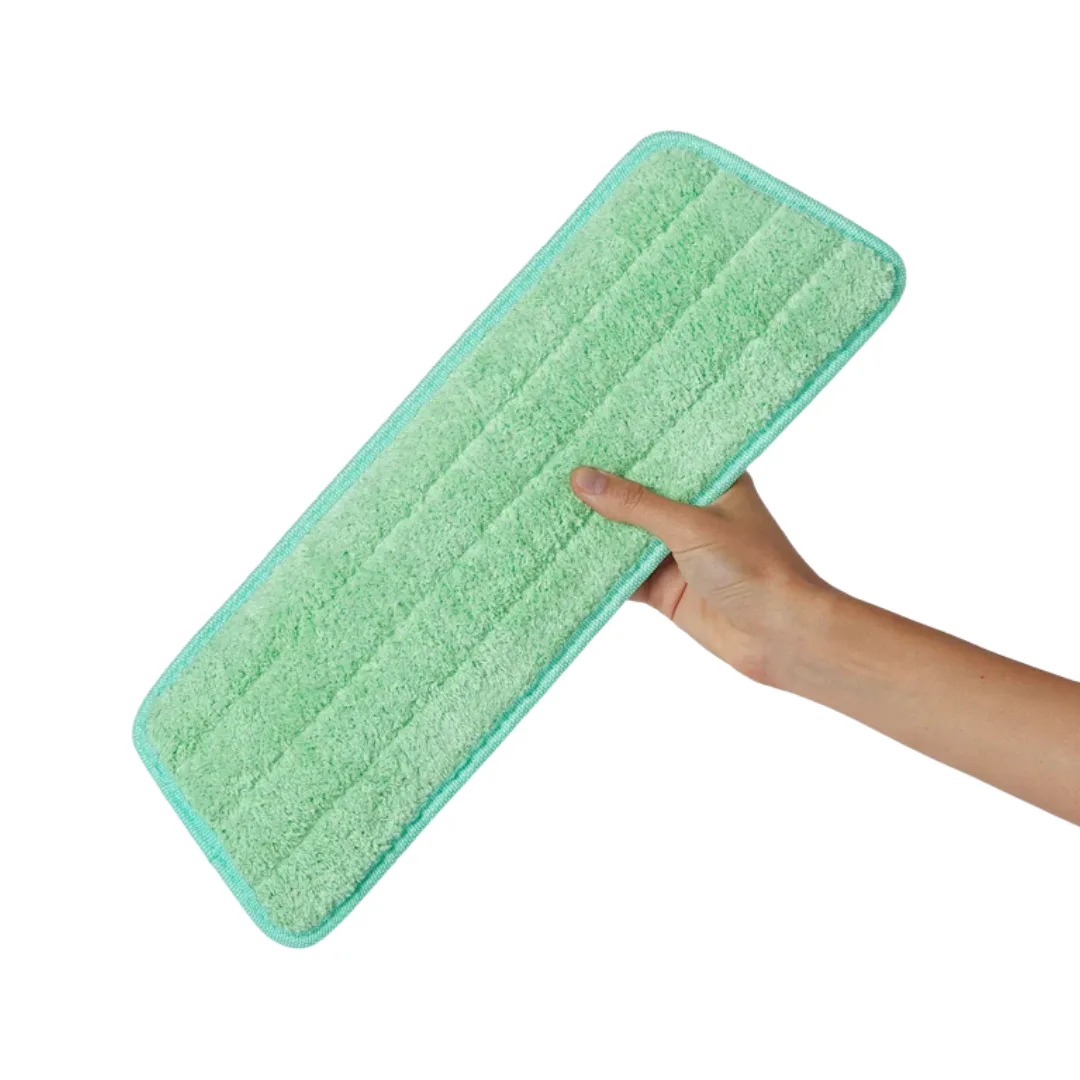
5-Pack Koh Deep Clean Mop Pads
$30.35 (was $37.95) at Koh
Worth the spend for: deep cleaning
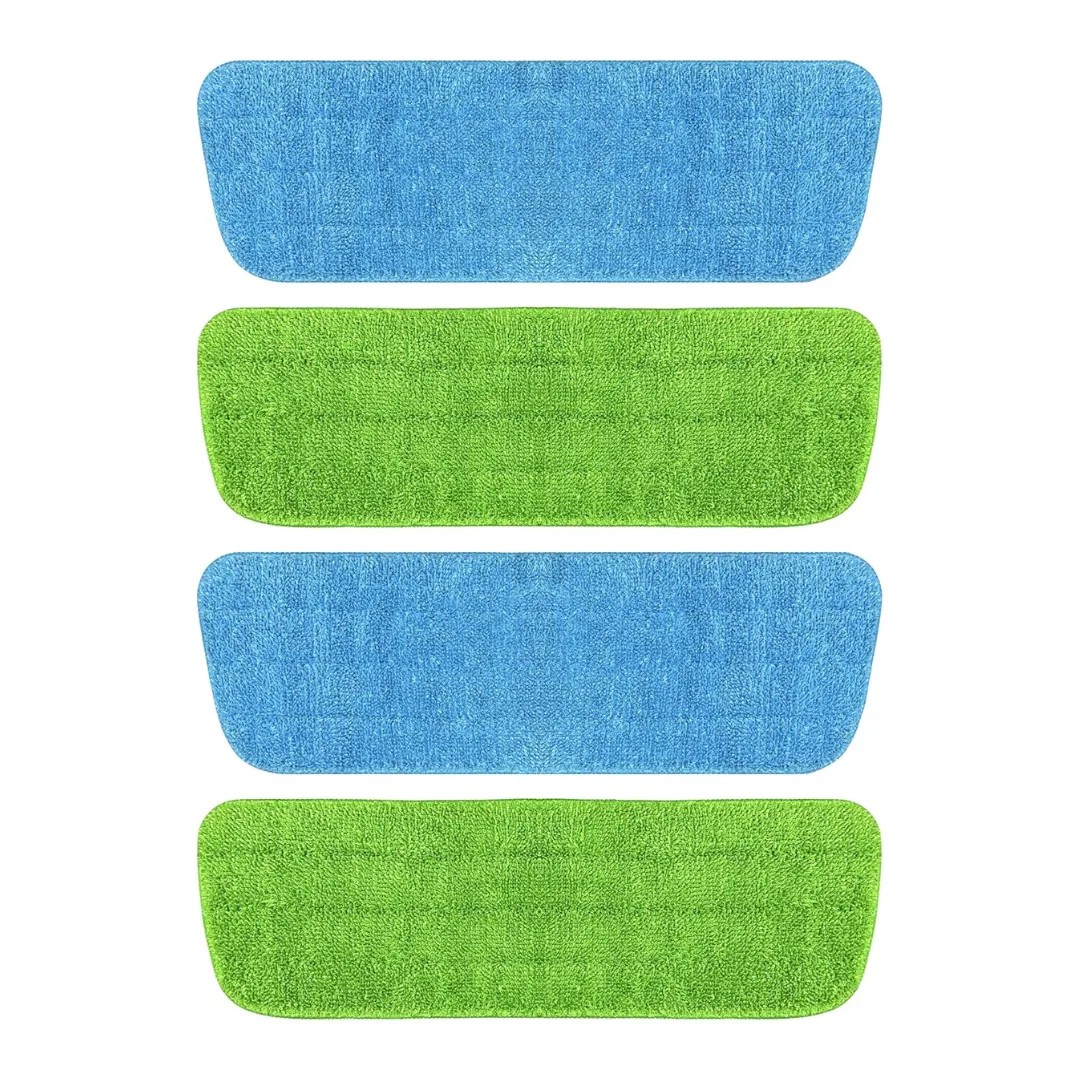
4-Pack Reusable Microfiber Mop Pads
$15.99 at Amazon
Worth the spend for: quick delivery
Your household replacement cheat sheet
| Household item | Lifespan | Main risk of overuse |
| Kitchen sponges | 1 – 2 weeks | Bacterial contamination |
| Chopping Boards | 1 – 5 years | Bacteria trapped in deep groves |
| Plastic containers | Until warped or stained | Chemical leaching, poor seals |
| Bath towels | 2 years | Loss of absorbency, mildew retention |
| Bed sheets | 2 – 3 years | Fabric degradation, allergen buildup |
| Air filters | 1 – 3 months | Poor air quality |
| Mop pads | 3 – 12 months | Fibre degradation |

Related stories
Native ad body.
Native ad body.



Native ad body.