

Because the kitchen is one of the most used spaces in the home, it naturally sees its share of oil splatters, sticky fingerprints and spills. The good news is that you don’t need a cupboard full of expensive, harsh chemicals to achieve a sparkling kitchen.
After my daughter, Mila, was diagnosed with asthma, we made a conscious effort to reduce the amount of harsh chemicals around our home. We quickly discovered that simple DIY methods can be just as effective while being gentler on your family, your wallet and the environment. Here are 6 low-tox and chemical-free recipes for different cleaners and sprays you can use around the kitchen. The best part is, they all use ingredients you can find in your pantry!

Low-tox pantry staples you’ll need
- Lemons
- Bicarbonate soda
- White vinegar
- Gentle dishwashing liquid
- Reusable microfibre cloths
- Spray bottles
- Vanilla extract
- Essential oils (optional)
6 chemical-free kitchen cleaner recipes you can DIY
1. Microwave
If your microwave looks like a bowl of spaghetti has exploded inside it, this method creates a steamy environment that softens stubborn, baked-on food, making it much easier to wipe away.
Fill a microwave-safe bowl with water and a few slices of lemon or a dash of white vinegar. Place in the microwave and heat for four minutes (every microwave has a different wattage, so you may need to adjust the timing). Leave the door closed for another four minutes to allow the steam to work its magic.
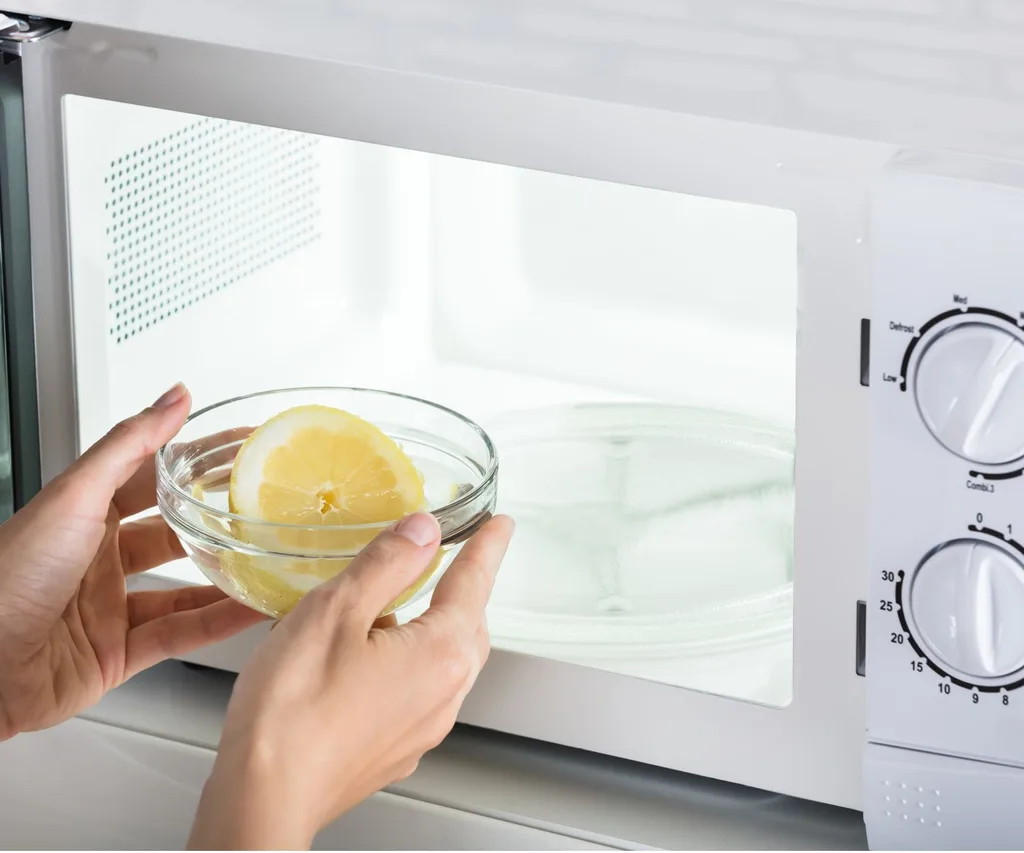
Pop on oven mitts and carefully remove the bowl. The built-up grime will have softened, making it easy to wipe away with a damp cloth. Your microwave will smell amazing, too!
2. Oven cleaner
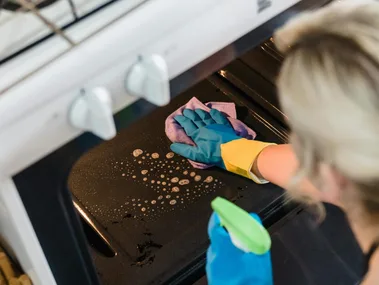
Traditional oven cleaners often give off strong fumes that make them uncomfortable to use. This DIY method requires a little extra elbow grease, but it helps break down tough grease in a gentler, more family-friendly process.
Mix 1 cup bicarbonate soda, 2 tablespoons dishwashing liquid and a dash of water to create a smooth paste. Apply a thin layer of this paste inside your oven, avoiding the heating elements, vents and openings, and leave it overnight.
The next day, wipe the surfaces with a cloth soaked with white vinegar to remove the paste. You can use this same method for your glass oven doors to clean them without harsh chemical fumes.
3. Rangehood filters
The kitchen rangehood filter is one of the greasiest areas in the kitchen, yet it’s often overlooked in a kitchen freshen-up. The good news is filters are surprisingly easy to clean! In fact, some can even be removed and placed straight in the dishwasher.
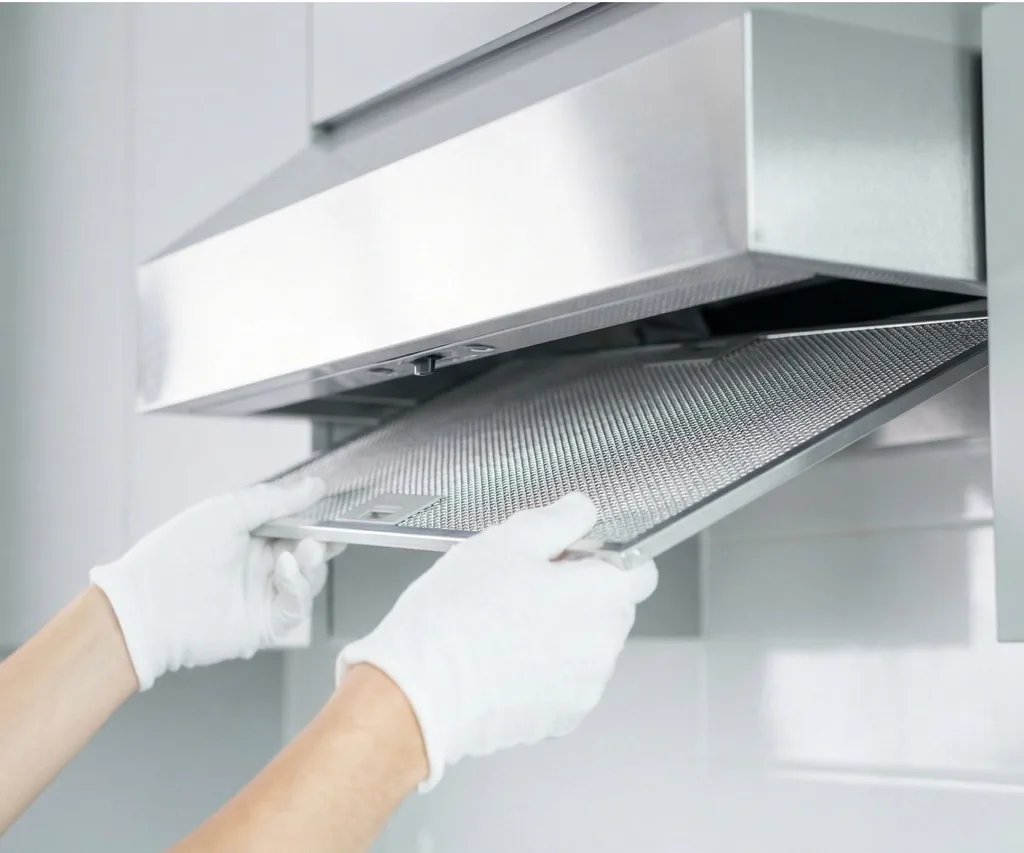
If your filters aren’t dishwasher safe, you can try using this method instead. Remove your filters and soak them in very hot water with a squeeze of dishwashing liquid. After five minutes, rotate them so both sides are soaked.
Sprinkle 1/2 cup bicarbonate soda over the rangehood filters and gently scrub with a brush to remove tougher stains. Rinse well and allow to air dry before reinstalling.
4. Dishwasher
We often forget to clean items that clean our home. Dishwashers need regular attention, too.
At the base of your dishwasher, you will find the dishwasher filter. Start by removing the filter and emptying any built-up debris in it, wash and replace it.
Next, place a cup filled with white vinegar or dishwasher cleaner on the top rack and run a hot cycle. The vinegar helps dissolve grease, soap scum and lingering odours. Once this cycle has finished, leave the door open to allow the dishwasher to air dry before using it again.
5. Fridge
Before you finish writing up a shopping list, it’s a good idea to spend a few minutes looking in the fridge. You can clear out expired items, wipe up any spills, check what needs to be used soon and plan meals around those ingredients.

To leave your fridge smelling fresh, in a spray bottle mix 1 cup warm water, 1/4 cup white vinegar and 2 tablespoons vanilla extract. Spray on your fridge shelves and wipe with a damp cloth to lift mess and deodorise your fridge. To keep the fridge fresh between cleans, place an open container of bicarbonate of soda or used coffee grounds on a shelf.
6. Multi-purpose kitchen spray
If you need one spray that can do it all, this one is for you. It can be used on benchtops, splashbacks, kitchen cabinets and dining tables.
In a spray bottle, combine equal parts white vinegar and water and add 20 drops of essential oil.
If you have pets, it’s best to skip the essential oils. For stone or more porous surfaces, use 1 cup warm water with 1 teaspoon gentle dish soap or Castile soap instead.
Remember to train your team
Getting the whole household involved in kitchen cleaning is perhaps the simplest way to keep the kitchen clean and tidy.

Whether it’s wiping down surfaces after cooking, tackling spills as they happen and giving appliances a little extra attention on a weekend morning – a little done by each person can make a huge difference.




Related stories

Native ad body.
Native ad body.

Native ad body.