

 Getty Images
They say that from little things, big things grow and never was this truer than when saving money. Whether you’re saving for your first home, have taken the plunge and are now literally paying the price, or are simply looking for lasting ways to save money, small changes to the way you let money pass through your hands every day can reap enormous financial rewards in the long run.
Smarten up meal times
1. Clear out the fridge
Making sure you optimise your grocery shop is a great way to reduce your weekly spending. Cleaning and organisation expert, Chantel Mila, recommends checking the fridge before heading out to the shops. For her and her family, a quick clear-out and checklist of what’s already at home means a clearer plan, and less food waste in the long run.
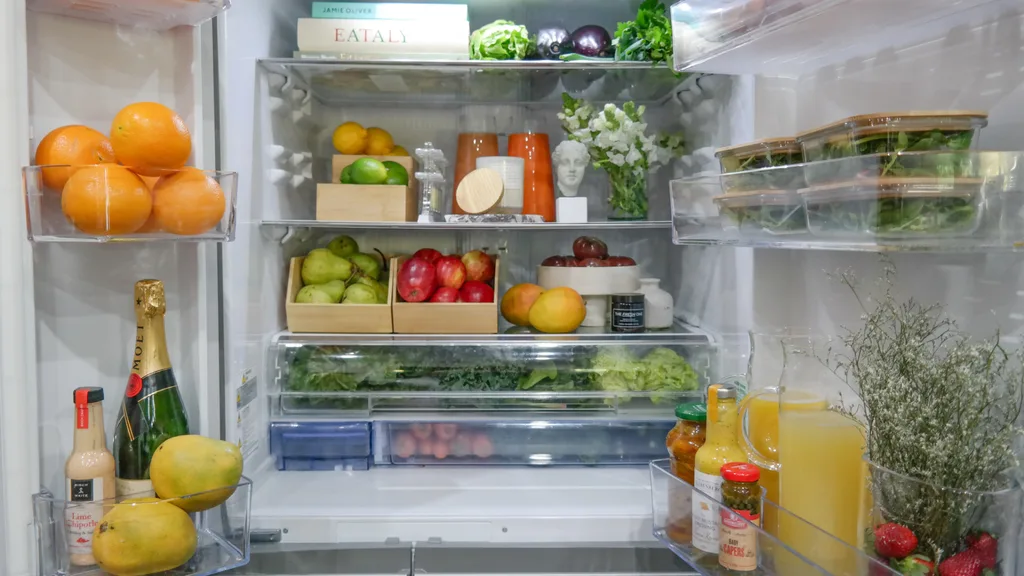
If you’ve found a few different green vegies that are looking worse for wear, then Colin Fassnidge’s ‘bottom of the fridge’ green pasta is definitely a recipe to try.
2. Stick to the plan
Chantel also creates a meal plan before writing out what she needs for groceries. This ensures she sticks to the list and doesn’t get lured in by sales on shopping trips or last-minute take-out.
3. Make big batches
Making double batches of your favourite dishes means that there’s more for seconds, lunch and dinner in a few days. Managing editor, Sophie Al-Bassam, loves to make a big batch of bolognese and freeze half of it. This means she’s always got a backup meal ready to go for the nights when cooking is too much of a hassle (and avoids buying takeaway!)

Make clothing last longer
4. Mend and fix clothing
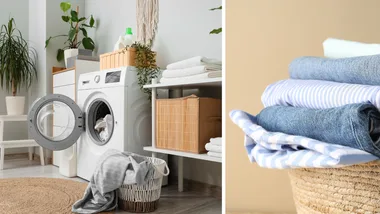
Fast fashion has become a black hole for lost money. Instead of throwing away clothing with small holes or a lost button, invest some time in learning how to sew. Whether you want to go all the way with a sewing machine, or just a needle and thread, it’s simpler than you think to resew buttons or fix small tears in a sleeve. And, when you’ve bought an item of clothing that’s the wrong size, you’ll be able to alter it yourself.
5. Resell and recycle
Content Producer, Jada Susas, has a nugget of advice when it comes to clothes that no longer fit with your style. Instead of putting it straight in the bin, why not sell it on a second-hand clothing app, like Depop? Jada says, “I sort through my wardrobe regularly and sell clothes I no longer wear online. I’ve made $1000 in the last few years. I also feel I’ve saved a lot by buying second-hand clothes this way as well.”
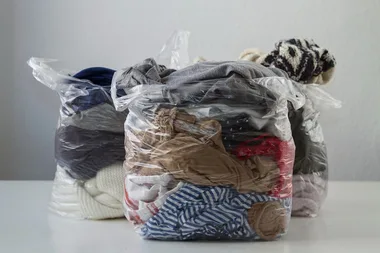
If you’ve got clothing that’s too far gone for reselling or donation, then there are a couple of ways to reuse the fabric, like turning it into cleaning cloths.
Invest in quality home pieces
6. Find the right inspiration
You don’t have to spend a lot of money to get great decor. Juliet Love’s best advice is to study really beautiful images of gorgeous homes. That way, you’ll have an image in your mind of what you want to create. Then you can go shopping and look for a dupe, or something that is not as expensive but looks really similar to the look that you’re trying to achieve.

7. Focus on durability rather than price
Better Homes and Gardens Editor, Megan Osborne, recommends extra research when it comes to finding quality pieces: “I believe in researching thoroughly and investing in quality upfront to save you money in the long run. I’ve come unstuck choosing the cheapest option in the past.”



8. Fix it yourself
Some of the biggest money-saving wins come from simple DIY updates, like painting existing furniture instead of buying new, swapping handles and knobs to modernise cabinetry, sewing slipcovers or cushion covers for tired pieces, refreshing lampshades with fabric or paint, and repairing small chips or scratches rather than replacing entire items. DIY expert, Geneva Vanderzeil has great examples of taking something old and rundown and turning it into something new!
These small, achievable projects not only save money but also help create a home that feels more personal and thoughtfully put together.

Geneva’s glass cabinet is the perfect example of a DIY that can reuse an older, quality piece of furniture.
Minimise your spending
9. Review subscriptions and find the best deal
Set a calendar alert every six months and review all of your subscriptions, including streaming services, phone provider and even energy provider. If you do a little extra research, you may be able to renegotiate the deals you currently have or switch to a better option. It can make a difference, especially if you’ve been in ‘set-and-forget’ mode for a while.
10. Find free versions of your hobbies
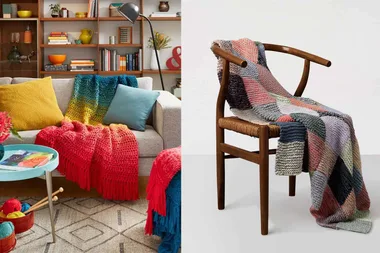
Whether it’s borrowing books and DVDs from the library or knitting using free patterns, there are a multitude of ways to cut down on hobby costs. For example, there’s a fantastic range of free knitting patterns available online. You’ll get a fantastic quality product with all the added benefits of being made with love.




11. Grow your own
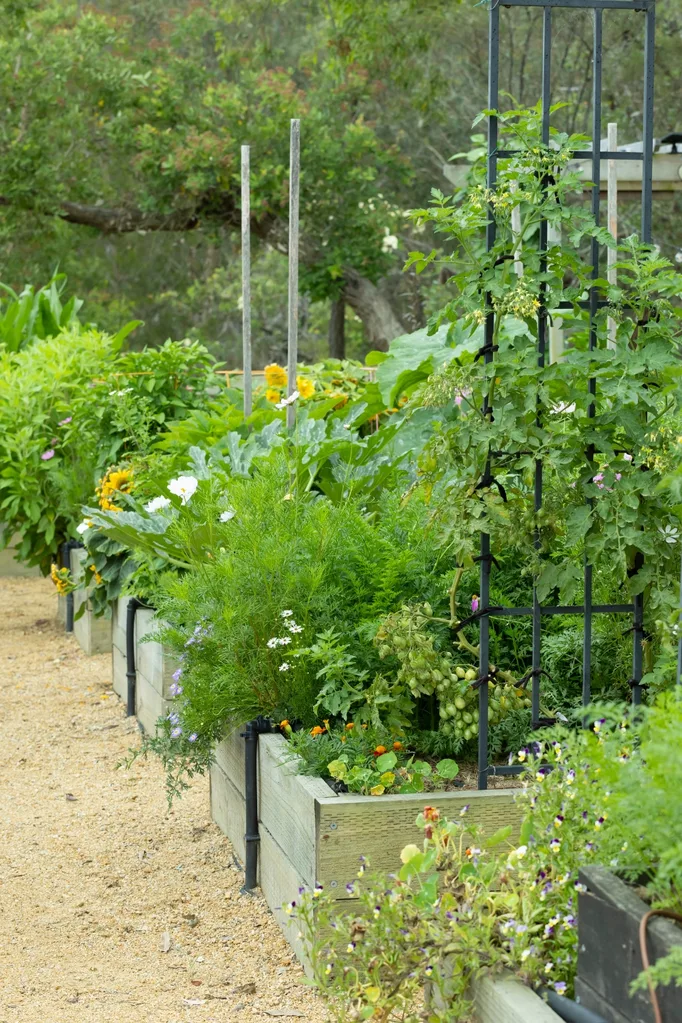
Growing your own vegetables and herbs is an inventive way to get the grocery bill down. It doesn’t matter whether you have a big backyard, a small backyard, a front yard, a verge garden or even a tiny balcony. You can grow herbs, and you can grow vegies.
One Johanna Griggs suggests you start with is to get a potato bag. It doesn’t even need great soil. Get some seeding potatoes and put them in there. In a couple of weeks’ time, you will pull out your own perfectly formed potatoes that you can cook that night. The satisfaction and joy it will bring you is amazing, and the money you can save is the extra bonus.
12. Get sustainable in the garden
Finally, use your leftover water waste in the garden. Gardening editor Jenny Dillon recommends collecting rainwater, kitchen water or even your shower grey water to water the garden with. She also says that mulching your garden beds will prevent water loss through evaporation, and water your garden in the morning before the sun gets too hot.

Related stories

Native ad body.
Native ad body.



Native ad body.