
Millions of Australians are accidentally harming their trees with a well-meaning mulching mistake.
If you think you can pile mulch around your trees willy-nilly, think again. Volcano mulching can do more damage than good.
KEY TAKEAWAYS
- Piling mulch against a tree trunk (volcano mulching) can kill your tree over time.
- Wet bark breaks down, allowing insects, fungi and disease to enter.
- Smothering roots causes shallow, circling growth that cuts off water and nutrients.
- Do it right: a flat doughnut shape, 60–90cm wide, max 5–7cm deep, with mulch never touching the bark.
What is volcano mulching?
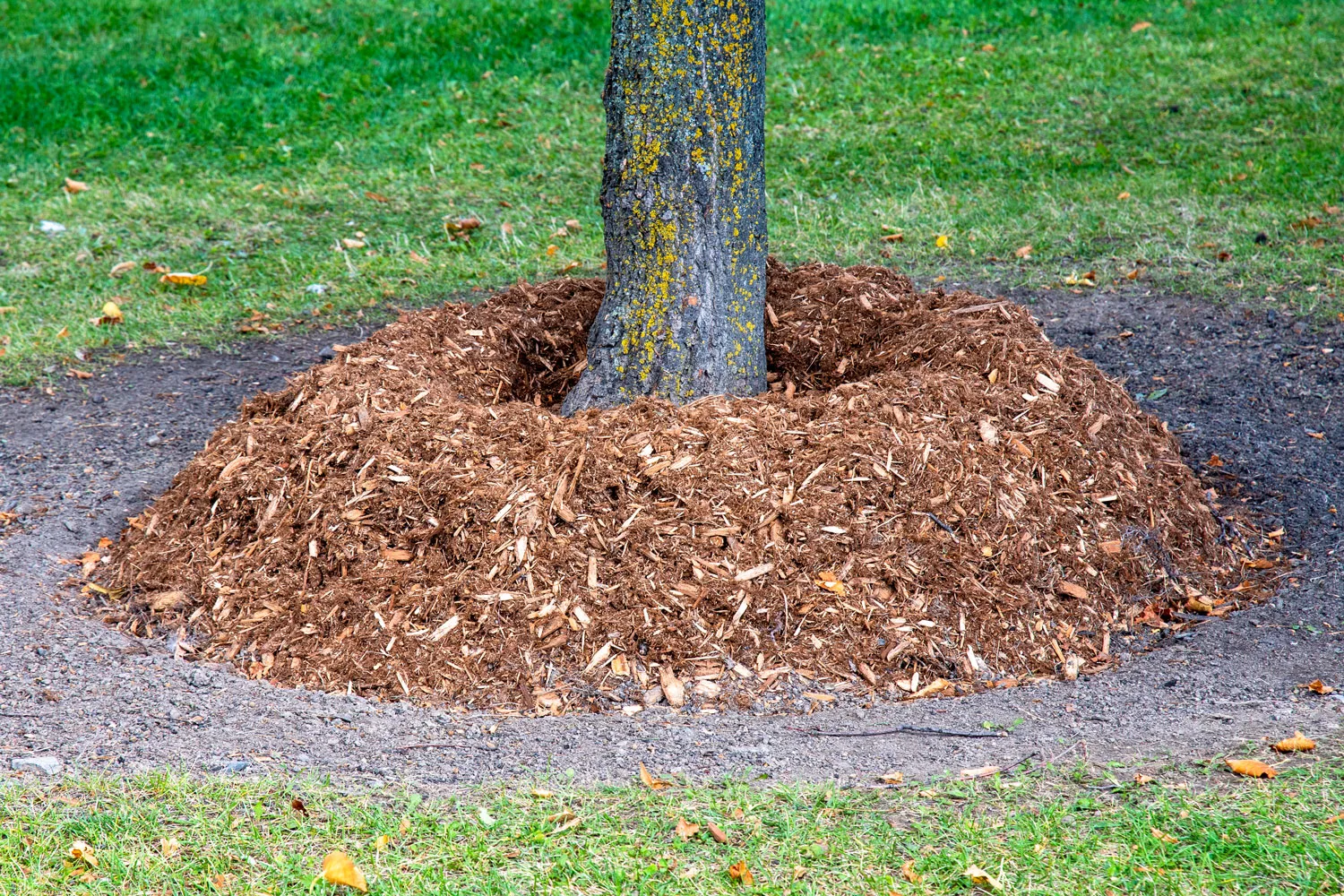
In a nutshell, volcano mulching is piling way too much mulch against a tree’s trunk, creating a pile that resembles a volcano. This is considered a landscaping no-no and can have detrimental effects on the tree’s health.
Why you shouldn’t volcano mulch around your tree
The benefits of mulch are well known. Mulch helps retain moisture, keeps weeds at bay, and adds organic matter to the soil.
On the other hand, too much mulch around the tree trunk can be a bad thing. Here’s why.
Bark plays a crucial role in the overall health and function of the tree. Prolonged contact with mulch means that, over time, the bark gets soggy and breaks down, allowing insects, fungi, and other diseases to penetrate the tree.
Not to mention, smothering the tree with too much mulch suffocates the roots.
When the roots can’t breathe, they can grow into the mulch rather than through the surrounding soil. This can lead to a shallow root system, reducing the tree’s stability and ability to access soil nutrients.
Additionally, tree roots can circle the tree trunk when there’s too much mulch. This can eventually constrict the tree’s vascular system, making it difficult for it to obtain the water and nutrients it needs to stay healthy.
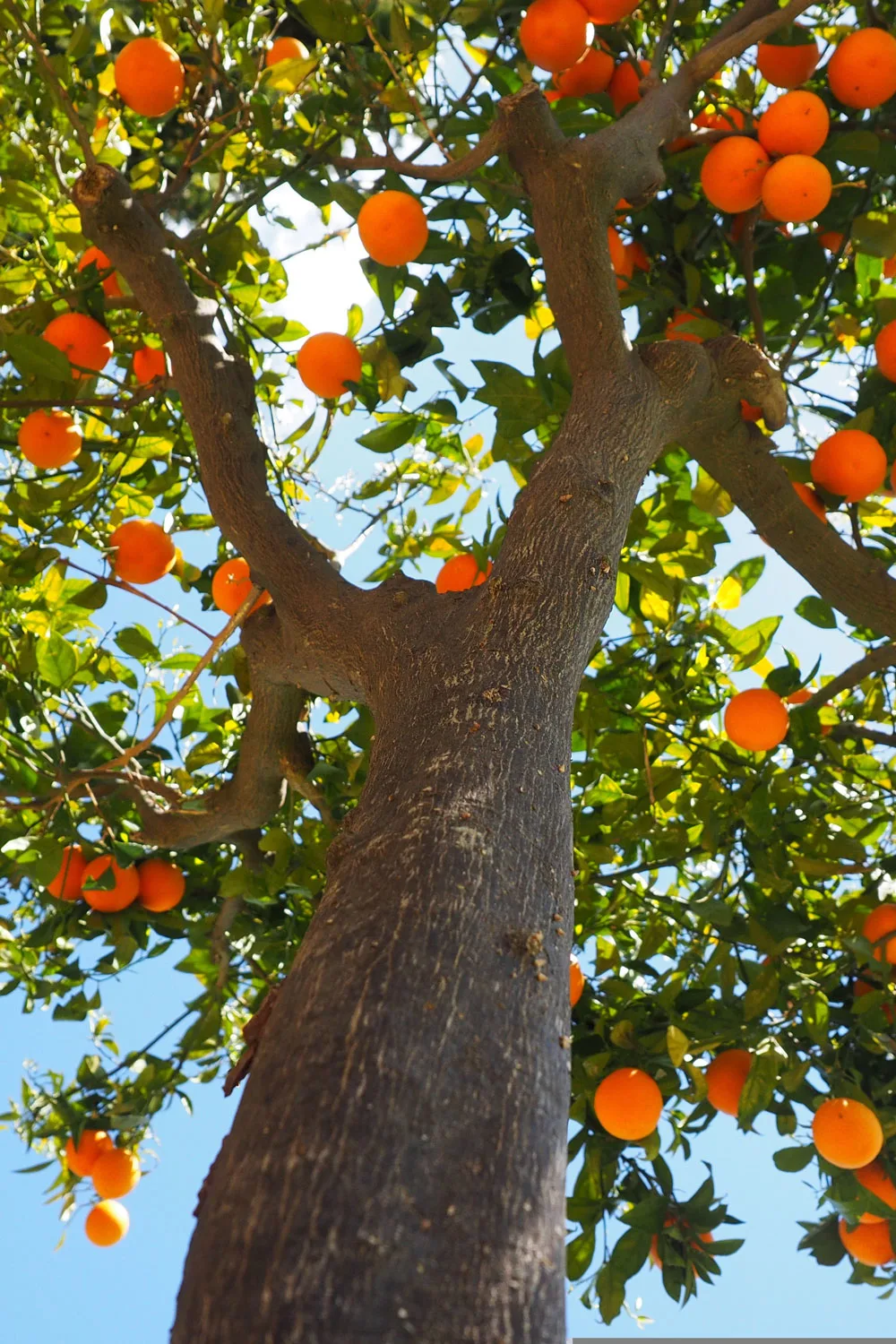
Signs of volcano mulching damage
If you’ve inherited a garden or mulched a tree the wrong way, look out for these warning signs:
- Yellowing or wilting leaves despite adequate watering
- Fungal growth or soft, spongy bark at the base of the trunk
- Poor or stunted growth over one or more seasons
- Visible roots circling the trunk at or just below the mulch line
- Pest activity concentrated around the base of the tree
How to mulch a tree
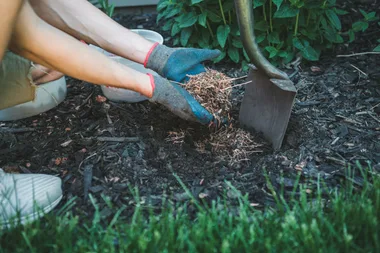
- Clear the area of weeds and debris before you start.
- Keep mulch at least 10–15cm away from the trunk; it should never touch the bark.
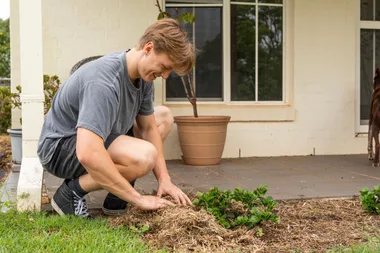
- Spread mulch in a flat doughnut shape extending 60–90cm out from the base.
- Keep depth to 5–7cm maximum; any deeper and you risk suffocating the roots.
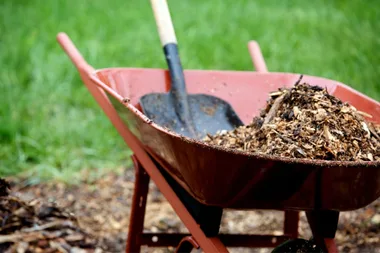
- Choose a coarse mulch, such as wood chips or bark, which allows air and water to penetrate more easily than fine mulches.
- Top up once or twice a year, but always check the existing depth before adding more.
Volcano mulching FAQs
Pull the mulch back from the trunk immediately, leaving a clear gap of at least 10–15cm. Reduce the overall depth to no more than 5–7cm and reshape into a flat doughnut. If the bark looks soft, discoloured or damaged, contact a local arborist for an assessment.
Volcanic mulch isn’t a specific product. It refers to mulch piled in a volcano-like shape around a tree trunk. It’s a common but damaging gardening practice, not a type of mulch itself.
It looks exactly as it sounds. A large mound of mulch built up around the base of a tree, resembling a volcano. The mulch is typically piled high against the trunk rather than spread flat.
Over time, it can cause bark breakdown, fungal disease, pest damage, shallow root growth and circling roots that cut off the tree’s water and nutrients. All of which can seriously weaken or kill a tree.
Best gardening tools


Related stories
Native ad body.
Native ad body.

Native ad body.