
 adobe stock
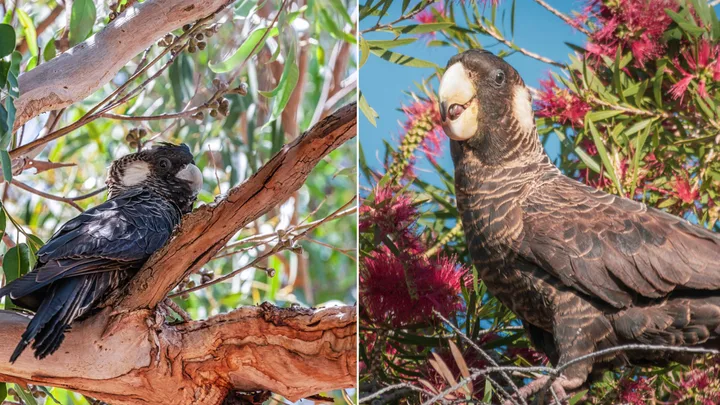
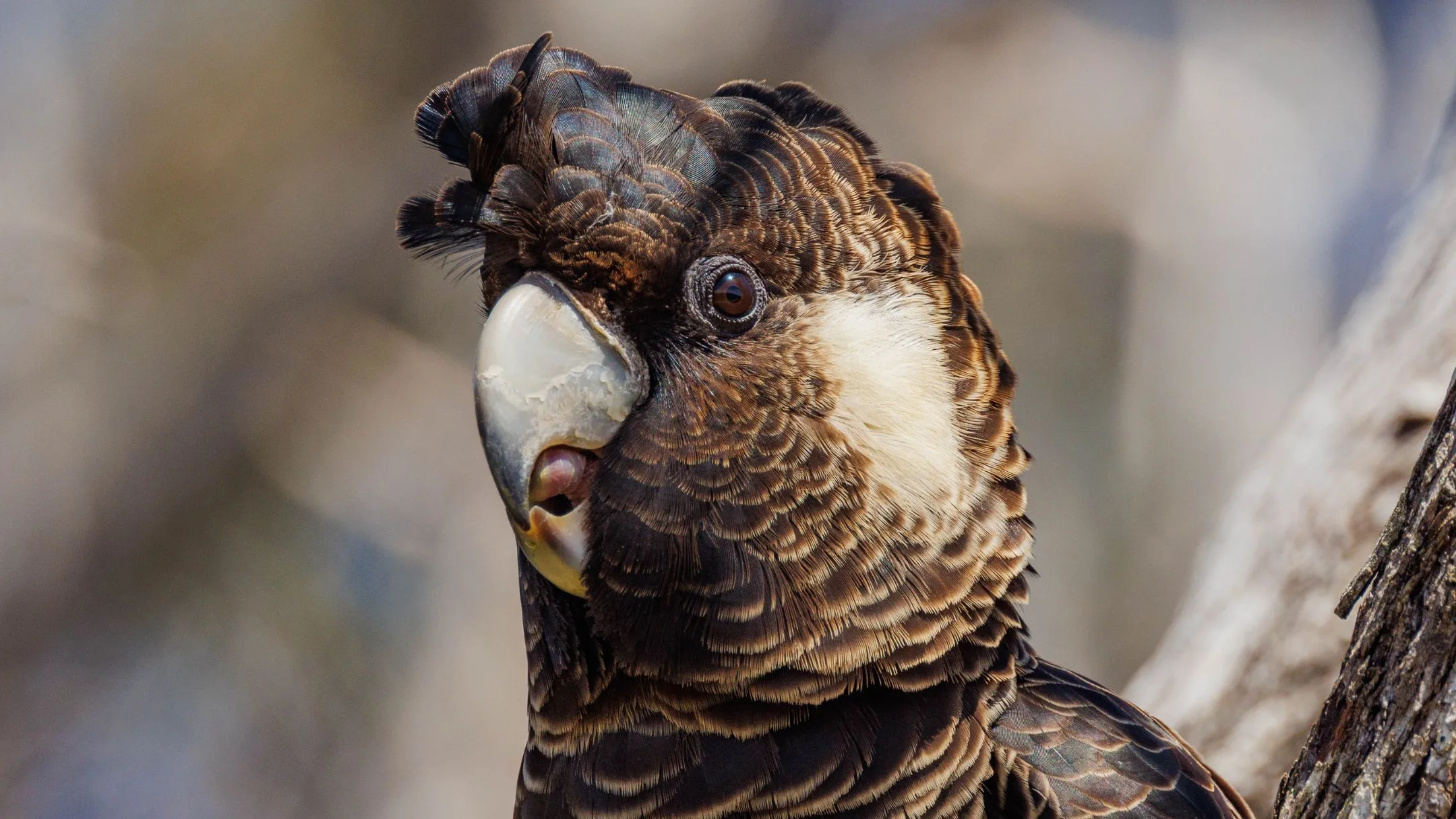
If you’ve ever seen a back cockatoo in your garden up close, you’ll know it’s a sight worth protecting. Sadly, four of Australia’s five black cockatoo species are now under threat. While it might not feel like much, one of the simplest things home gardeners can do is plant the right native, bird-friendly plants to boost their food supply.
KEY TAKEAWAYS
- Black cockatoos are endangered across Australia due to habitat loss and declining food sources
- Planting native banksias and hakeas is one of the most effective things gardeners can do to help
- Species choice matters — ornamental hybrids offer little food value
- Even small suburban gardens can make a real difference to survival
Why are black cockatoos endangered?
The threats facing black cockatoos are consistent across the country. This is due to habitat loss, competition from other birds for increasingly rare nesting hollows, and declining food supplies.
Sadly, without urgent intervention, Baudin’s and Carnaby’s Black Cockatoos in WA will face extinction. While in the east, the glossy black cockatoo was listed as vulnerable in 2022. And the red-tailed black-cockatoo is also considered a vulnerable species.
The type of plant matters
In Western Australia, where the Baudin’s and Carnaby’s black cockatoos are endangered, horticulturalist Kate Daniel of Harbour Plants has seen local gardeners rally behind the region’s two endangered black cockatoos.
“Our customers are very interested in supporting these birds. There is strong public awareness of black cockatoo conservation within our local communities,” she says.
She adds the best way to support these cockatoos is to “choose key food plants that produce reliable seed and nectar throughout the year.”
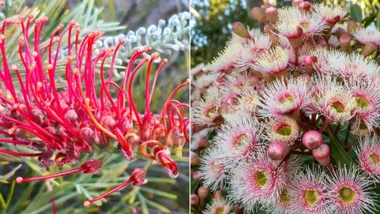
Native banksias and hakeas are among the most valuable plants you can put in the ground for black cockatoos. The key is choosing species native to your region, and avoiding ornamental hybrids that look the part but offer little in terms of food value.
“Not all banksias and hakeas produce the seed or nectar that black cockatoos rely on,” explains Kate. “Some cultivated varieties offer little food value despite their attractive appearance.”
Here Kate lists the top native plants perfect for black cockatoos.
5 plants to feed endangered black cockatoos

Banksia grandis (bull banksia)
Bears very large cones well suited to feeding big flocks. This one’s a longer investment as it’s typically productive after five or more years, but it’s worth the wait.

Banksia integrifolia (coast banksia)
Another large-cone plant ideal for accommodating flocks, and one of the more adaptable banksias for different soil types.

Banksia menziesii (Firewood Banksia)
Produces excellent nectar and seed, making it one of the most valuable species you can plant for black cockatoos year-round.


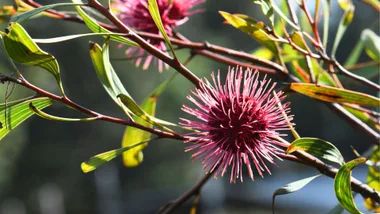
Hakea laurina (Pin-cushion Hakea)
A larger species with an extended flowering period and strong seed production, giving cockatoos an important seasonal food source as other plants drop off.

Hakea prostrata
A reliable, heavy seed producer that also provides valuable nesting habitat. Expect birds to start investigating within two to four years of planting.
For smaller WA gardens
If you’ve got a small garden, Kate suggests compact options including Banksia ericifolia, Banksia blechnifolia, and prostrate forms of Banksia serrata, which she says “fit into confined spaces while still providing meaningful habitat value.”
What to plant in other states
Gardeners in other states should look for banksias and hakeas native to their local region. Your local native nursery can give you advice on the best species for your area and the cockatoos that visit it.
How long before planted natives start attracting visiting cockatoos?
Unfortunately, planting for cockatoos is a long-term process.
“Fast-growing plants establish rapidly but don’t always produce the seed that cockatoos need,” says Kate.
“The faster-growing species may begin attracting black cockatoos within two to four years, but larger trees typically become productive after five years or more.”