
Traditional hedges look great until you fall behind on the trimming. Between the constant clipping and watering, a formal hedge can feel like a part-time job.
That’s why gardeners across Australia are swapping traditional hedges for layered native screens that deliver the same privacy with far less effort. Here, gardening expert Chris Dodd shares the three native screening plants she always recommends.
KEY TAKEAWAYS
- A layered mix of native plants creates softer, more natural privacy than a traditional straight hedge.
- Combining fast-growing natives with slower, long-lived species ensures your screen lasts over time.
- Many Australian natives respond well to pruning and can maintain a dense, narrow shape for boundary planting.
- Overplanting may look good initially, but it can lead to overcrowding and plant stress.
- Start with juvenile plants rather than advanced stock for stronger long-term establishment.
- Improve soil with compost, mulch and organic matter to encourage healthy root growth.
- Native screening plants not only provide privacy but also support birds, pollinators and local biodiversity.
3 native plants to use instead of a hedge
Chris Dodd is the Director of Street Appeal Garden Solutions. She says the results after using native screening plants speak for themselves.
“While a hedge gives privacy, it can feel a bit like a wall,” says Chris. “A layered mix of natives creates privacy in a much softer, more interesting way. It feels more like a garden than a fence.”
A great thing about Australian flora is the large selection of plants available. That said, there are three screening plants that Chris always recommends, and she even chose them for her own garden.
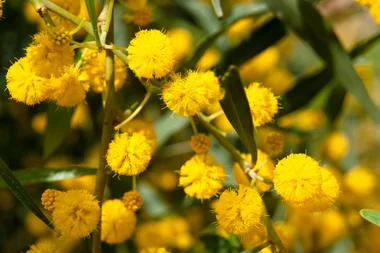
- Acacia ‘Snowy River Wattle’
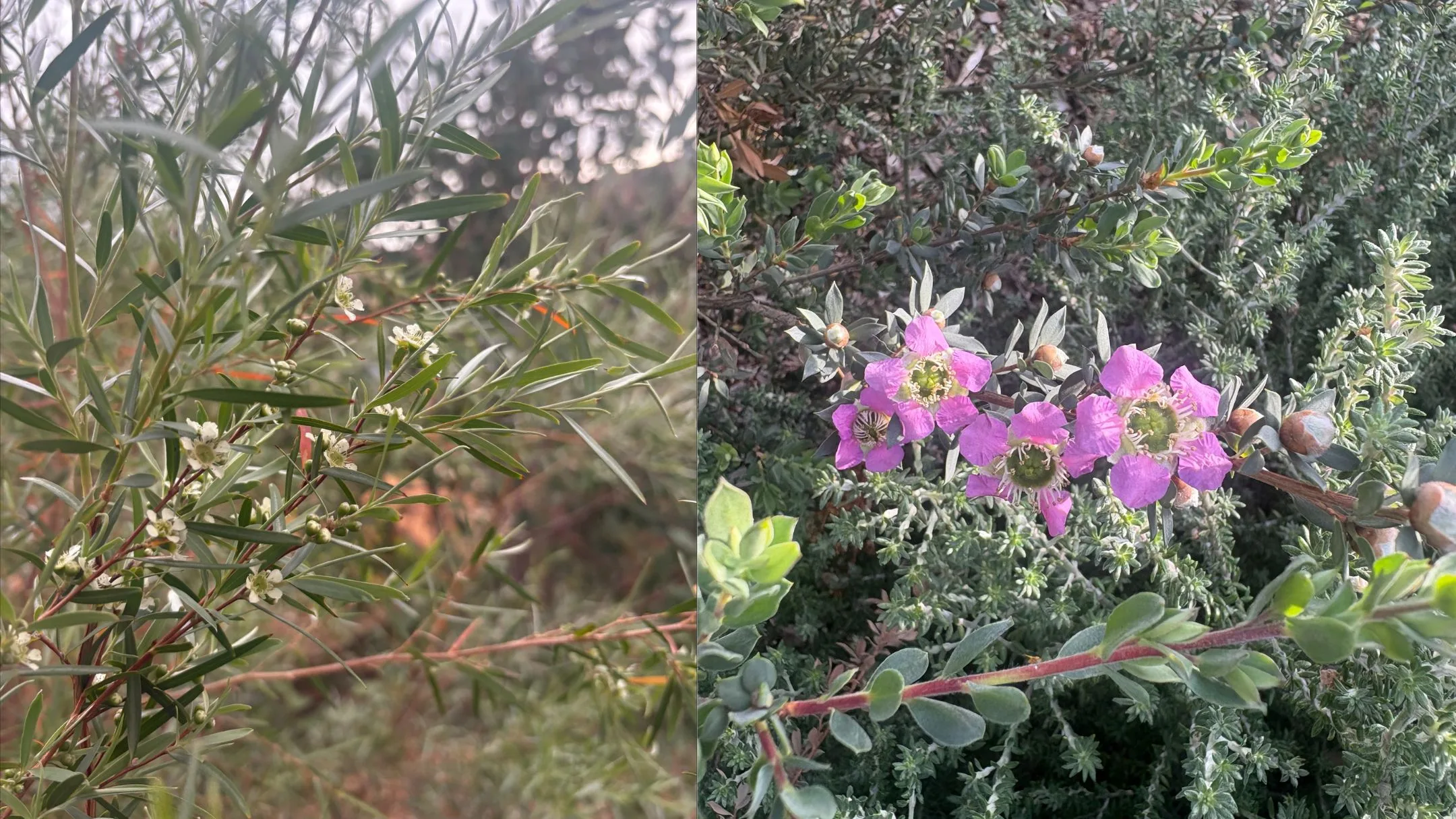
- Leptospermum brachyandrum ‘Silver Weeping Tea Tree’
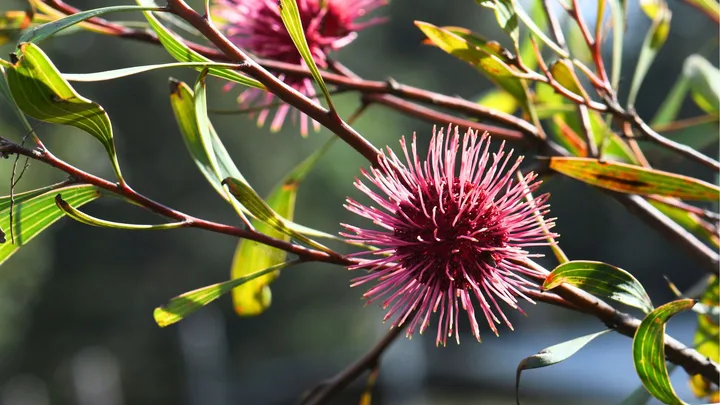
- Hakea ‘Pin Ball’
“These plants are ideal for people wanting narrow, vertical screening,” she says. “They respond well to pruning and can maintain a dense, tall habit without taking up too much space.”
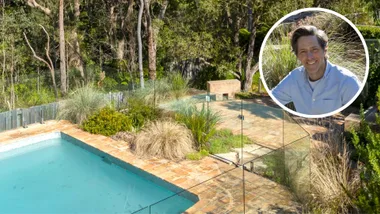
Watch Chris Dodd’s own native screening plants in action — this is the layered privacy screen she planted instead of a hedge:
If you choose an Acacia, keep in mind they won’t last forever.
“Acacias are one of the fastest growing natives, but also may only live 5-15years,” says Chris. “It’s good to have a few slower growers in the background so your screen is not lost when the Acacia is gone.”
Common planting mistakes
You might want to plant many plants close together to make your garden look fuller faster. But planting too many too close can actually cause problems, according to Chris.
“People often place plants too close together to create an instant ‘full’ look, only to find that over time they become overcrowded, messy, and stressed.
“Plants may even need to be removed to give the others room to thrive.”
Start with juvenile plants
Another common mistake is buying large, mature plants.
“These plants have only ever known the perfect life of the nursery…daily watering, regular fertilising and ideal drainage,” says Chris.
“Putting them straight into the ground can be a shock to the system, and they often struggle or even fail in the first few months.”
How to care for your native screening plants
Getting your soil right and keeping up with care makes all the difference when you’re growing a healthy native screen.
“We added cow manure, compost and mulch initially, and I’ve topped up the compost and mulch two to three more times over the past two years,” says Chris. “I’ve also regularly watered with a Microbial Tea Blend from Healthy Gardens by Nature.”
“So even though the soil wasn’t perfect to start with, the combination of good drainage, organic matter, beneficial biology and mulch has created the conditions for strong, healthy growth.”
More native screening plants to consider
If you’re thinking about a layered privacy screen, here are some more great Australian natives to consider, depending on your climate, soil, and space.
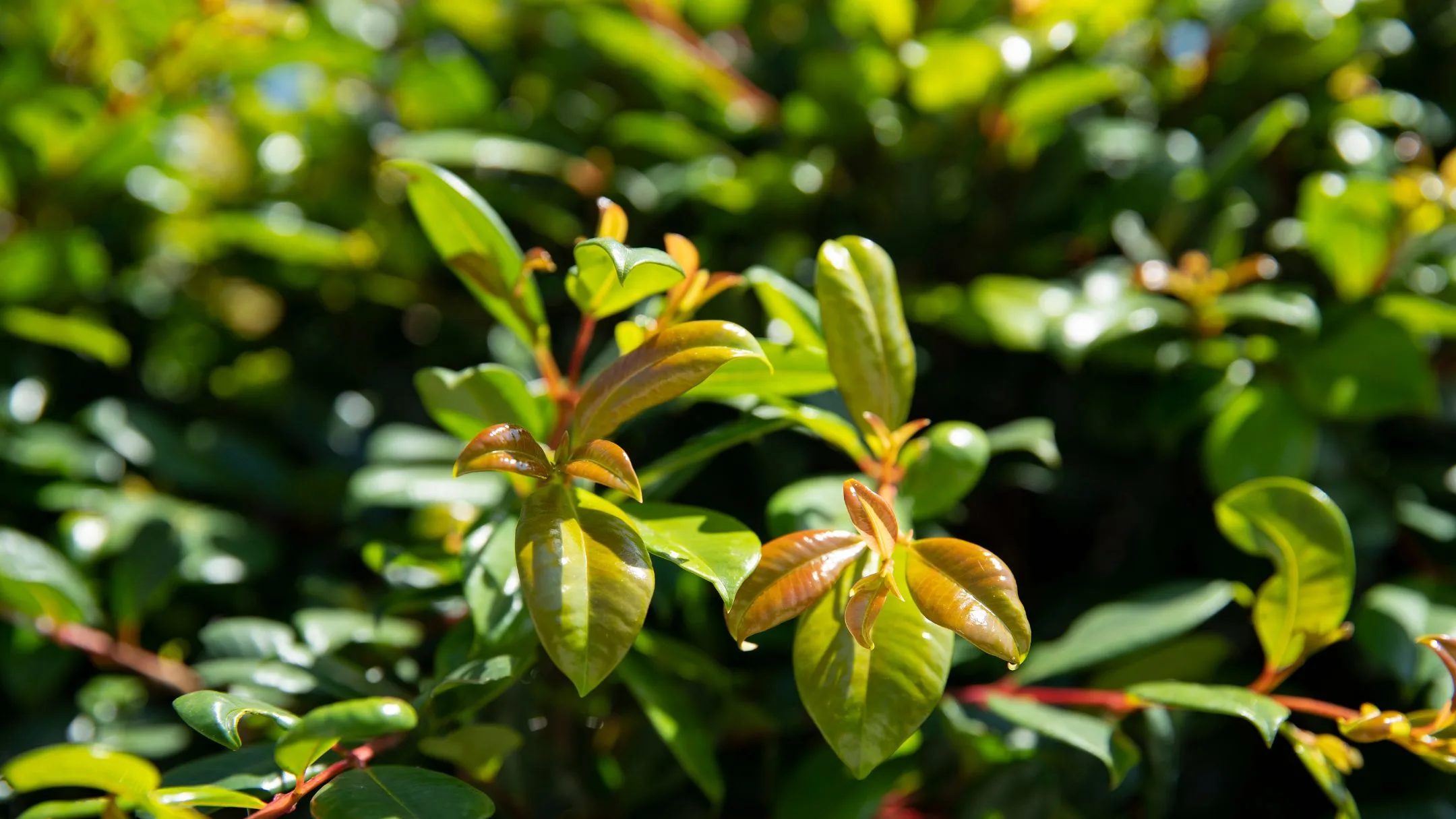
Syzygium (Lilly pilly)
Lilly pilly is a popular, fast-growing native that’s great for dense screening. There are wide varieties that grow tall and respond well to pruning, so they work for both formal and informal hedges. You’ll also get glossy leaves and colourful new growth.
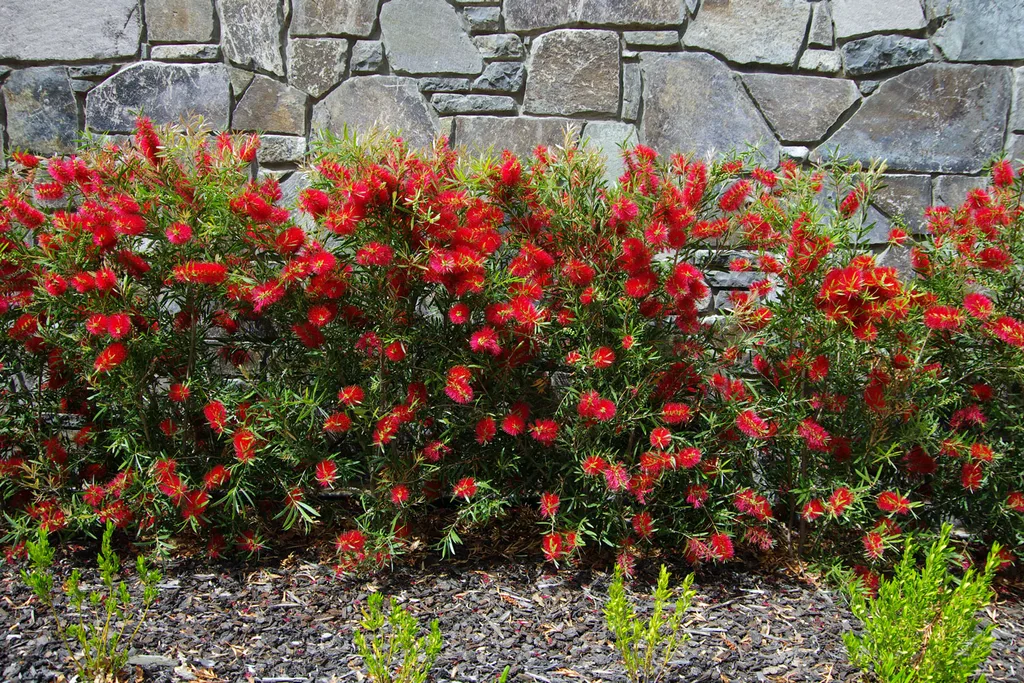
Callistemon (Bottlebrush)
Bottlebrush is perfect if you want a screen that’s friendly to wildlife. The taller types form a dense shrub layer and produce bright flowers that birds and pollinators love. They’re also tough and can handle different soils.
Melaleuca (Paperbark)
Paperbark is a good pick if you want a softer, more natural-looking screen. Upright varieties with fine foliage add movement and texture while still providing privacy.
Banksia
Banksias are excellent for bigger spaces. The taller types provide strong vertical screening and attract birds with their distinctive flower spikes.
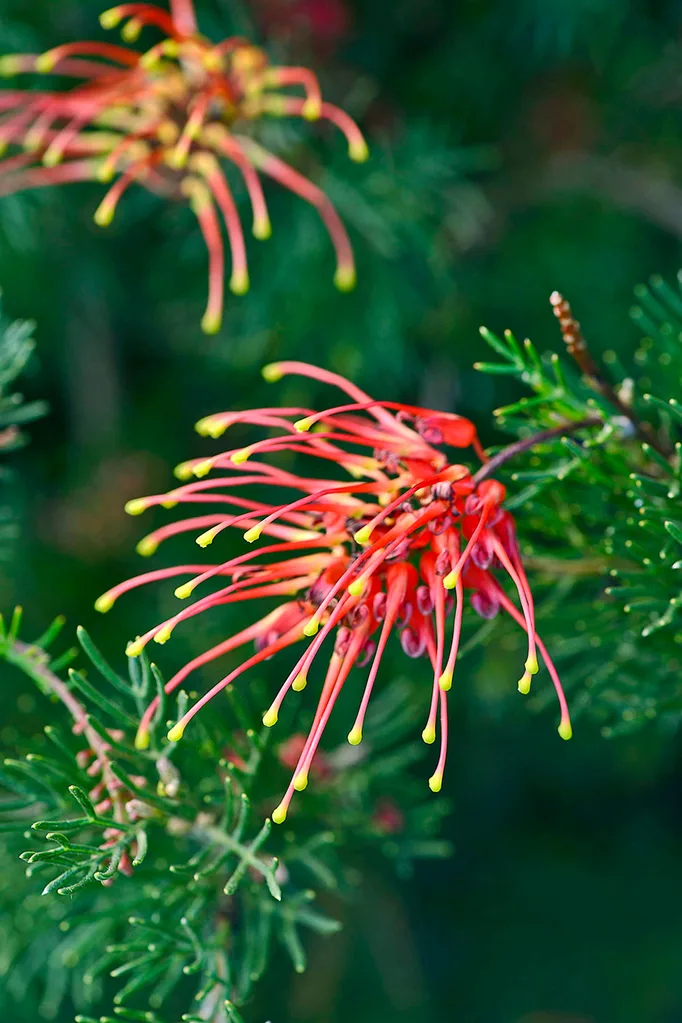
Grevillea (large varieties)
Go for the taller grevilleas if you want privacy. They’re easy to look after, and their nectar-rich flowers are great for local wildlife.
Dodonaea (Hop bush)
Hop bush is a hardy, fast-growing shrub that’s perfect for narrow spaces. According to the Australian Native Plants Society, native pittosporum (Pittosporum undulatum) forms a dense evergreen screen and usually grows smaller in cultivation, making it suitable for gardens where privacy is desired. It’s best for larger gardens, since it can get quite large over time.
Westringia
Westringia is great for lower screening or for layering in front of taller plants. It’s tough, drought-tolerant, and does well in coastal spots.


Related stories
Native ad body.
Native ad body.
Native ad body.