

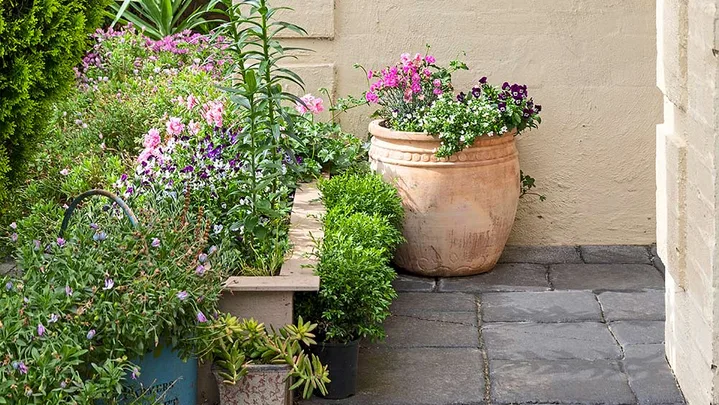
Managing weeds in your garden is a common challenge, but it becomes even more daunting when they infiltrate the crevices of brick pavers, rocks, gravel, and stone. Whatever the material, permanently eliminating weeds between pavers can be challenging, depending on the type of weed and the space involved.
So, before diving into weed control methods, it’s a good idea to identify the types of weeds present in pavers. Resources like Weed Wise, which offers over 300 weed profiles, can assist in this crucial step.
KEY TAKEAWAYS
- There is no single permanent fix for weeds between pavers — a combination of methods and ongoing maintenance will get the best results.
- Always pull weeds out by the roots where possible
- Vinegar and boiling water are effective natural options, but both only kill what they touch
- Avoid using salt near garden beds or lawn, as it can damage soil and surrounding plants for years.
- Polymeric sand is one of the most effective long-term solutions
How to get rid of weeds between pavers
Unfortunately, there’s no one-time permanent solution to getting rid of weeds between pavers, or anywhere, for that matter. That’s because there’s no way to prevent the seeds from entering your yard in the first place, as seeds often travel with birds, in the wind, on the bottom of your shoes and even on clothing. Banishing weeds from rocks, gravel and stones requires a tailored approach that combines natural solutions, preventative measures and vigilant maintenance. Use a number of these strategies to keep the weeds growing between your pavers under control.
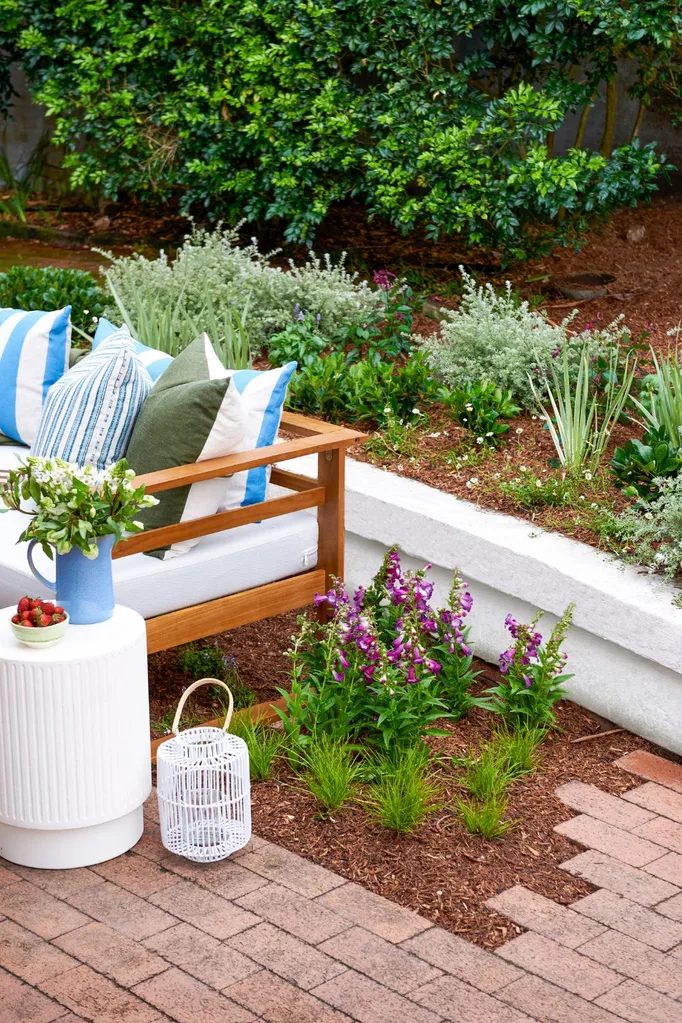
1. Pull the weeds out
The best way to control weeds is to pull them out manually (roots and all). This is easier when you have weeds between stepping stones or pavers that are widely spaced apart because you have more room to dig and pull them up.
But if your pavers are close together, or it’s proving too hard to manually remove weeds, you could consider some of the other methods here – or even a combination to make the weed removal more permanent.
2. The vinegar method for killing weeds
You can use vinegar to kill weeds between pavers and in gravel thanks to its acidity. Look for distilled white vinegar with a high acetic acid concentration (around 5-20%). Applying vinegar directly to weeds on a dry, sunny day is recommended to ensure thorough coverage. However, vinegar can also harm other plants, so avoid spraying any you want to keep.
Vinegar works particularly well on young, annual weeds, and applying it multiple times is recommended.
If using horticultural vinegar (10–20% acetic acid), take care — it is significantly more corrosive than standard household vinegar and can cause skin and eye burns. It’s also worth noting that vinegar kills weed foliage but does not reliably kill the roots. Perennial weeds with deep root systems will often regrow, so repeated applications may be necessary.
How to kill weeds between pavers with vinegar
- Choose the right type of vinegar with a high acetic acid concentration (around 5-20%). The higher the concentration, the more effective it will be.
- For a basic vinegar weed killer, you can use undiluted vinegar. Add a small amount of dish soap to help the vinegar adhere to plant surfaces, creating a more potent solution.
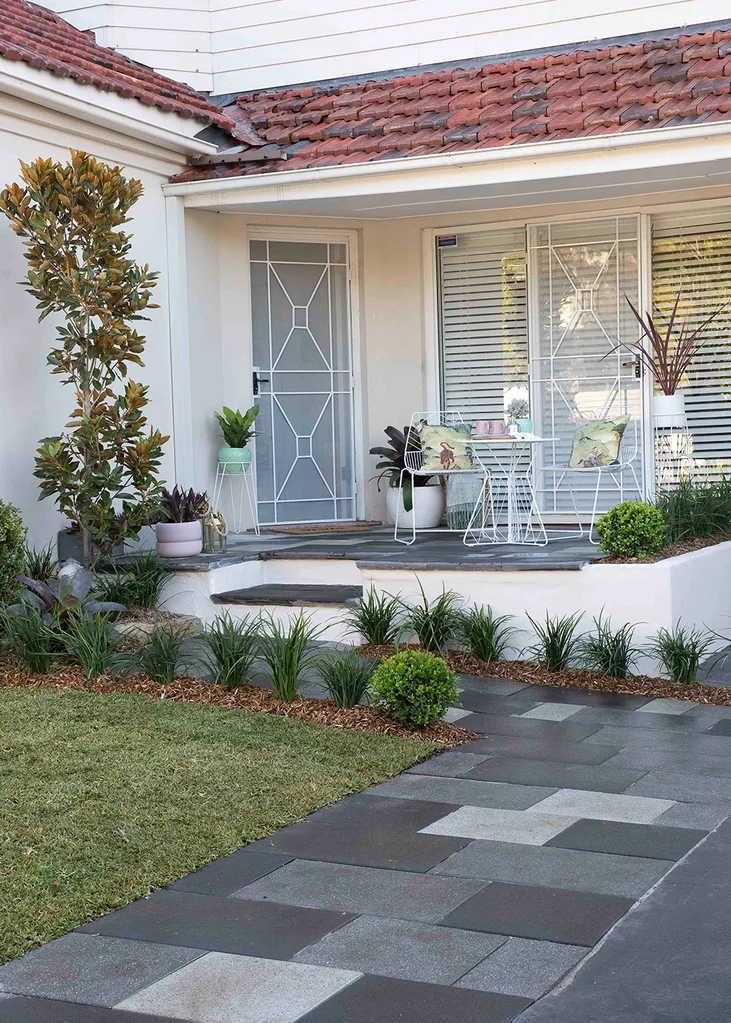
3. Pesticides and organic weed killer
Pulling out weeds may not be practical in tight spaces such as between brick pavers and gravel. That’s when using pesticides or organic weed killers becomes a viable option.
Opting for organic alternatives ensures the absence of harmful chemicals while maintaining potency against weeds. Just make sure you read the instructions carefully before you begin.
4. The boiling water method
Boiling water is another cost-effective solution to permanently stop weeds from growing in pavers. Simply boil water in the kettle, then carefully pour it over the weeds.
How to use boiling water to kill weeds between pavers
- Heat water in a kettle or pot until it reaches the boiling point. The hotter the water, the more effective it will kill the weeds.
- Transfer to a watering can or a heat-resistant jug works well. Ensure that the container has a spout to direct the water precisely.
- Wear gloves and eye protection to shield yourself from splashes or steam.
- Locate the weeds you want to eliminate, and slowly pour the boiling water over them. Direct the water at the base of the weeds to ensure thorough coverage.
- For stubborn or persistent weeds, you may need to repeat the process. Keep a watchful eye on the treated area, and reapply boiling water as new weeds emerge.
5. The salt method
Salt is another natural weed control option. It works by dehydrating the plants, so it’s crucial to only use it on the affected area. It’s also important to use salt sparingly to avoid soil salinity, as excessive salt can negatively impact the soil and surrounding plants. Only use this method on fully isolated hardscaping that is well away from garden beds, lawn edges, or any area where you want plants to grow.
How to use salt as a weed killer
- Sprinkle a small amount of salt directly onto the weeds or in the spaces between pavers where weeds grow.
- Avoid using too much salt, which can lead to soil salinity and affect nearby plants.
- Pour hot water over the salted area to dissolve the salt and help it penetrate the soil.
- Monitor the treated area and reapply salt as needed to control weed growth.

6. Cardboard weed barriers
For more extreme cases of weed infestation between pavers, you may consider starting again with a cardboard weed barrier.
Here’s how:
- Begin by clearing the area of existing weeds and debris.
- Choose thick, durable cardboard or layer corrugated cardboard to cover the weedy areas entirely.
- Wet the cardboard to make it pliable and encourage it to conform to the ground.
- Cover the cardboard with a layer of mulch or additional gravel for added weight and aesthetic appeal.
- Regular monitoring is essential to promptly address any signs of weeds attempting to grow through the barrier.
Keep in mind that cardboard will naturally break down within one to two years, so it’s not a set-and-forget solution. If you’re starting from scratch or lifting your pavers to relay them, consider using a weed mat or geotextile fabric underneath. It allows water through while blocking weed growth, and is far more durable than cardboard.
7. Use polymeric sand
One of the most effective paver-specific weed prevention methods is polymeric sand. Unlike regular sand, polymeric sand contains additives that cause it to harden when wet, creating a firm, stable joint between pavers that physically blocks weed seeds from germinating. To use it, sweep the dry sand into the joints between your pavers, then lightly mist the area with water to activate the binding agents. Once set, it also helps resist erosion and ant activity. Polymeric sand won’t stop every weed forever, but it significantly reduces the conditions weeds need to take hold.

