
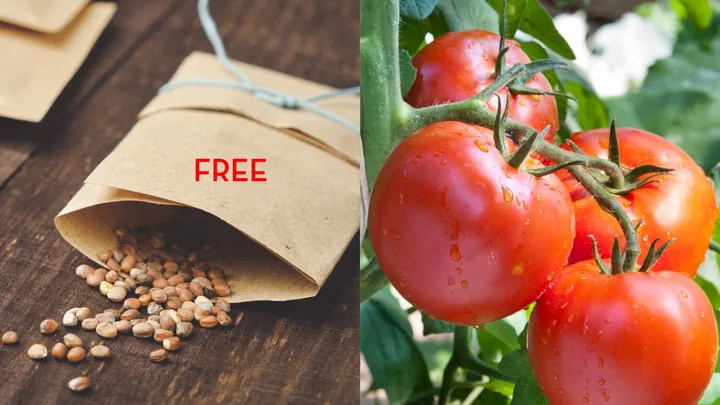
If the idea of starting a garden feels daunting, a seed library is a great place to start.
You’ll find plenty of helpful advice on growing your own fruits and veggies. The best part? The seeds from your local seed library usually have a better chance of thriving in your garden.
What exactly is a seed library?
Seed libraries are popping up all over Australia, offering free seeds for gardeners to plant fruit and vegetables.
Once you’ve grown your seeds, the seed library asks you save some seeds and return them to the library for someone else to use.
How the system works
The model is simple and accessible. Katherine from Newcomb Library in Geelong says community members can borrow free vegetable, herb, native, and flower seeds from any of their 20 libraries across the greater Geelong region. Grow them at home, and enjoy the harvest.
Then, libraries encourage gardeners to return seeds to help the collection grow.
So, which seeds are in high demand right now? Katherine says, “Vegetable seeds are by far the most popular. Easy-to-grow everyday crops like silver beet, beans, snow peas, spring onions, carrots, lettuce, broccoli and tomatoes are all in high demand.”
“Seasonal flowers, particularly sunflowers and marigolds, also have a strong following. While herbs such as basil, coriander and parsley remain popular for home cooks and beginner gardeners.”
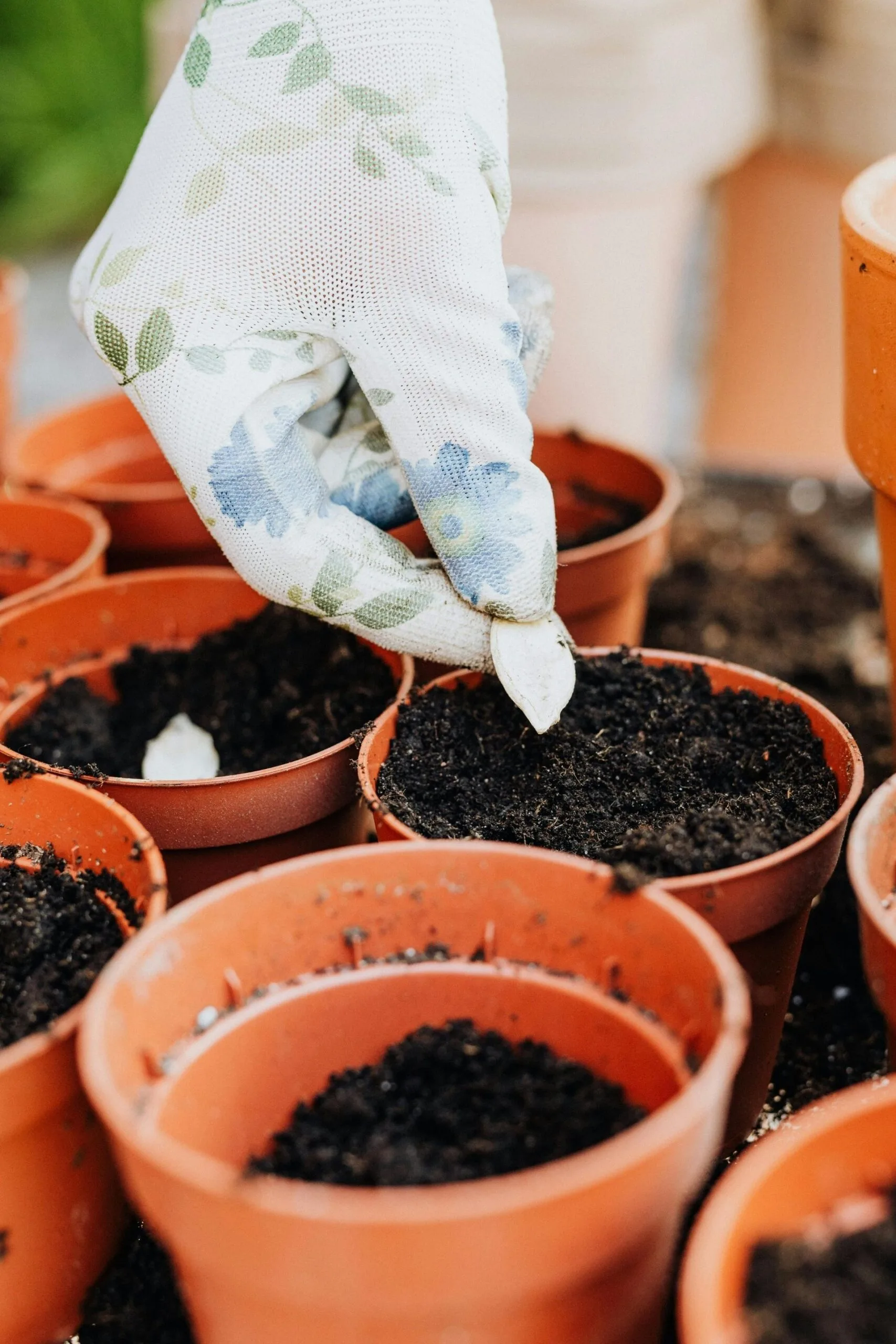
Why returning seeds matters
Newcastle Seed Library, which started in 2020, operates on a similar principle. Their motto is “borrow and grow, harvest and return”.
Christina Robberds, Adult Program Developer at City of Newcastle, explains the seed donation cycle is central to sustainability.
“While people often think first about borrowing seeds, a seed library only works if seeds keep moving, from person to garden and back again.
“Each returned envelope helps replenish stock and reduces community reliance on commercially purchased seed. It also ensures the library remains a genuinely shared community resource.”
Seeds adapt to local conditions
There’s another benefit too.
“Seeds that are grown and saved in Newcastle gradually learn how to thrive in Newcastle,” Christina explains. “Over successive growing seasons, those plants adapt to local soils, rainfall patterns, temperature shifts and common pests.
“Every time a seed is grown locally and returned, it carries the imprint of our local climate, our soil and our seasons. Over time, this process naturally builds hardier and more resilient varieties.”
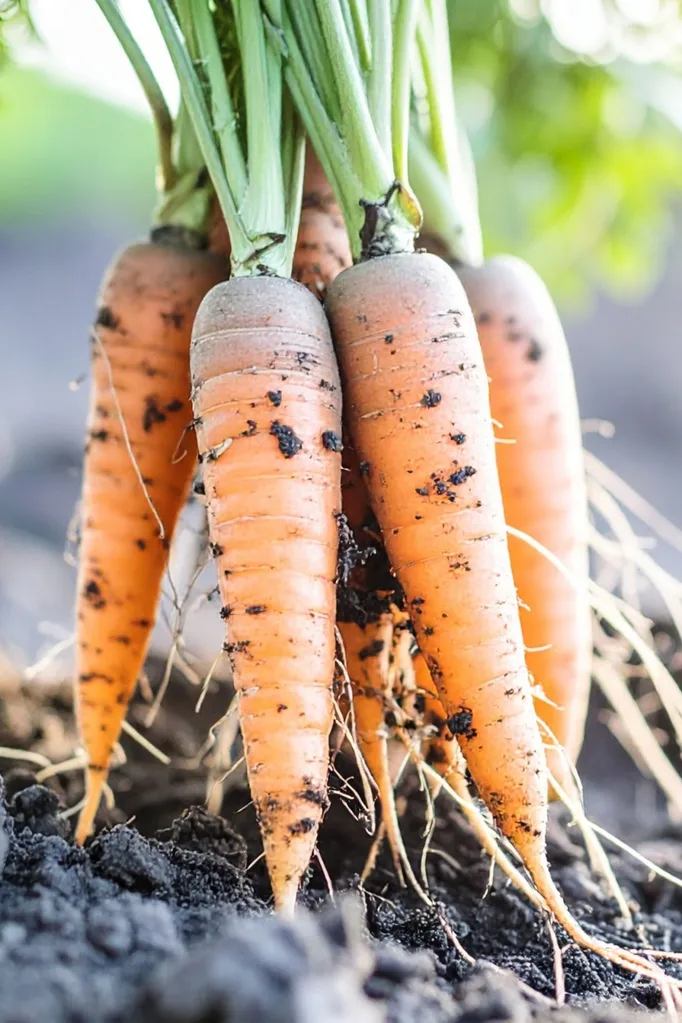
Building community resilience
Beyond individual gardens, seed libraries play a bigger role in food security and community connection.
Christina says: “Seed libraries strengthen food security by making growing food accessible. Free access to seeds makes growing food more achievable, particularly during times of rising living costs.
“When communities can save and share seeds, they rely a little less on global supply chains and a little more on each other.”
Katherine echoes this, saying the community’s stories are what make the seed library so special.
“Many gardeners share stories of nurturing seeds at home, sending photos of their plants, or telling us how their gardens are flourishing.
“One recent highlight was a community member gifting the library a beautiful marigold they had grown from our seeds.”
How to get involved
Both seed libraries welcome donations. Gardeners can donate home-harvested seeds or unopened and partially used commercial seed packets, as long as they’re clearly labelled. Staff check all seeds before adding them to the collection and exclude invasive or restricted species.
For those intimidated by seed saving, Christaina says, don’t be.
“We’re very clear that returning seeds is encouraged, not compulsory. Learning is the priority,” she says.
“Many people start out unsure they’ll ever return seeds and end up coming back proudly with an envelope of their own harvest. Even a single successful seed save can shift how someone understands food growing and their role within it.”
For more information, visit your local library or search for seed libraries in your area.

Related stories
Native ad body.
Native ad body.

How to keep your summer lawn pristine

Native ad body.