

 Getty Images and Rachel Iorfino
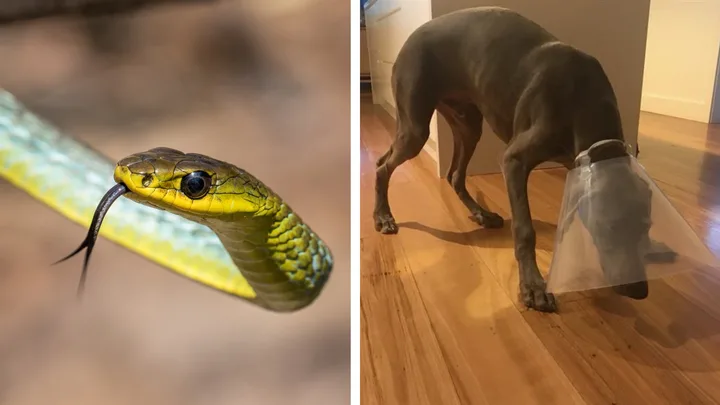
The worst-case scenario for any pet owner is when your pet is in pain. During the summer of 2024, I walked my big pup, Billy, on his usual route, through the park and into the cemetery, when he suddenly collapsed and couldn’t get up. As it turns out, he’d been bitten by a snake.
We rushed him to the emergency vet. He was quickly assessed, and initially, the vet couldn’t find any problems.
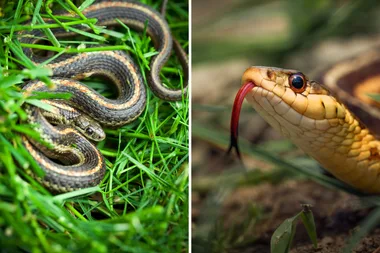


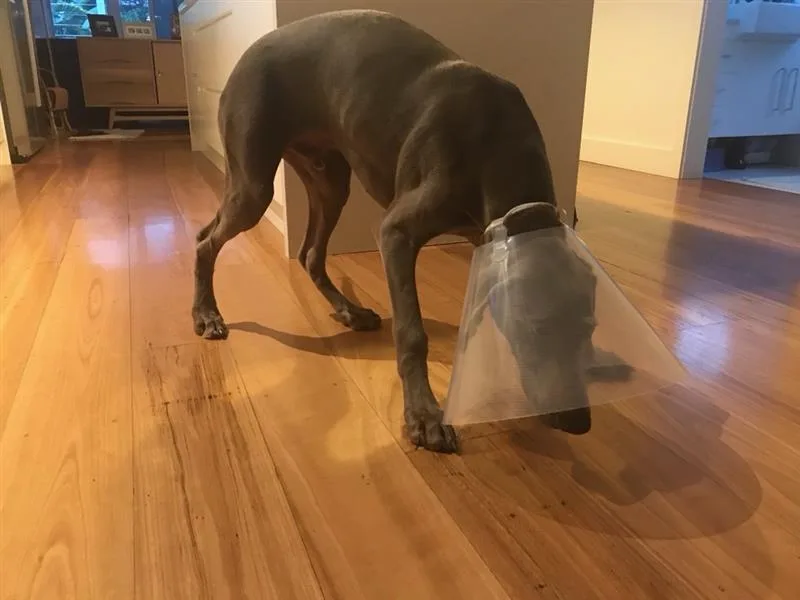
After he began recovering, the vet did a more in-depth assessment and quickly realised there was a small puncture wound on his leg, which turned out to be from a snake. After a blood test, it was determined that he wasn’t bitten by a venomous snake. While he didn’t need any antivenom in the end, this kind of emergency can become quite dangerous for a dog, especially if quick action isn’t taken.
I know firsthand how scary it can be to be in a puppy emergency, so I reached out to talk to RSPCA NSW, and spoke with Chief Veternarian Dr Liz Arnott about treating snake bites or ‘envenomation’.
Signs and symptoms of dog snake bites
Signs and symptoms for different pet illnesses can look quite similar, so it’s important to watch out for multiple symptoms for easier understanding as to what the problem might be. Some of the clearest signs of a snake bite are collapse (sometimes with apparent quick recovery), sudden weakness, and dilated pupils. Here are all the signs that your dog may have been bitten by a snake:
- Collapse followed by apparent recovery
- Lethargy
- Muscle tremors, shaking, and reduced eye blinking
- Dilated pupils
- Sudden onset of weakness/wobbliness (ataxia)
- Complete paralysis
- Inability to control bladder and bowels
- Irregular bleeding from the nose, bite site, or mouth
- Discoloured, dark urine (often bloody)

What to do if a snake bites your dog
The first and most important thing to do if a snake bites your dog is to stay calm. When you stay calm, your dog will too. Follow these steps if you are ever in this situation:
Stay calm
Staying calm is imperative. This is because keeping calm will keep your dog calm and settled as well. Dr Arnott explains that keeping yourself calm and quiet “encourages your pet to do the same, which is beneficial to limiting the circulation of venom.”
In my own dog’s case, he was very quiet and wouldn’t move from the ground anyway. After checking in with our vet, we hauled all 45kgs of him into the car and took him to the clinic to be checked out.
Seek veterinary advice immediately
The best thing to do if you believe your dog has a snake bite is to call your current vet or the closest emergency vet. They will most likely tell you to come in immediately and also give you advice on tending to the wound. Not all vet clinics are open during the evening or on weekends, so it’s wise to keep an emergency vet number handy, just in case of situations like this!
Identify the snake
It’s very helpful to be able to identify the snake that has bitten your dog. This is because there are different anti-venoms for different snake species.
Dr Arnott says that catching or killing the snake is definitely not recommended. However, if the snake is already dead, then bringing it into the vet can be helpful. Otherwise, a blood or urine test can identify whether your pet has been bitten by a snake, and the type of snake that did it.
Tend to the wound
It is always best to head straight to the veternarian if you can. If you’re waiting for a pick-up, or there’s an open wound, you can dress the wound. Dr Arnott stresses that washing the wound can be detrimental, as venom residue can be used to identify which snake has bitten your dog.
You can apply direct pressure to the bite site, using a bandage, but it’s important NOT to apply a tourniquet, as it limits fresh blood supply to the area. If a bite is on or around the head, it may be difficult to apply any sort of pressure bandaging. And, never, ever try and suck the venom out!
How will the vet treat a dog with a snake bite?
Dr Arnott explains that there are a variety of ways that a vet can treat an animal that has been envenomated. Most vets, especially in rural and snake-heavy areas, will have access to anti-venom. In addition to anti-venom, a vet can administer respiratory support, blood transfusions and intensive supportive care to fight against snake venom.
While the expense can add up at the end of treatment, all of these complex treatments are necessary for saving the life of your pet. For additional information, head to the RSPCA NSW website to learn more about envenomation and dogs.

Related stories

Native ad body.
Native ad body.




Native ad body.