
To pee or not to pee on your lemon tree. That is the question. While many experts say urine is great for your citrus, others are irked by the idea.
Because it’s rich in nitrogen and other nutrients, it can support healthy citrus tree growth. But apply it incorrectly, and you risk salt build-up, root damage and poorer fruit.
It turns out you can pee on your lemon tree, but how you apply it matters.
Does urine actually help lemon trees grow?
In a past episode of the Better Garden podcast (the podcast isn’t in production anymore, but worth a listen), horticulturalist Adam Woodhams and BHG garden editor Jenny Dillon get to the bottom of this common question once and for all.
Urine is very concentrated, and while it’s very high in nutrients, peeing directly on a lemon tree probably isn’t a great idea. That said, Jenny has a workaround.
“Peeing on a lemon tree is not a very good idea, but peeing in the soil around the lemon tree is good, and then watering it in,” says Jenny.
Another reason you want to water the urine in your plants’ soil is to stop it from smelling.
“When the bacteria go to work on those nutrients, it gets smelly,” says Adam.
“So I think the key is yes, it does work because it’s effectively a very good liquid fertiliser. But if you are going to go out and pee on a lemon tree, I would suggest not doing it on a potted plant.”
Why urine works as a fertiliser (it’s all about nitrogen)
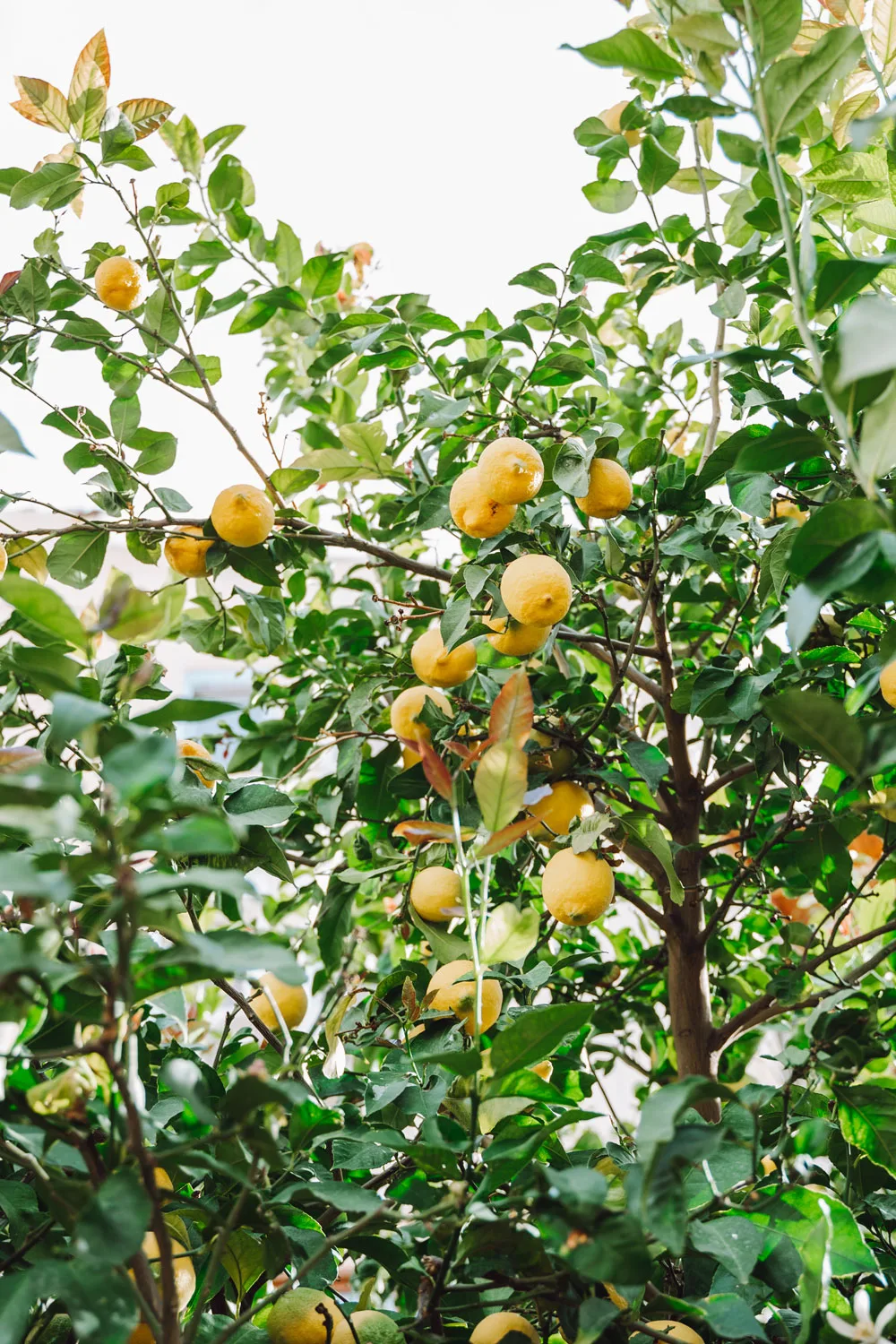
Urine is full of nutrients plants love, especially nitrogen.
Adam explains, “The NPK – Nitrogen (n), Phosphorus (p), Potassium (k) you see on your typical fertiliser is what you’ll find in the urine – human or dog, but it’s very concentrated.”
Citrus uses nitrogen to drive vigorous, green, leafy growth and support fruit growth.
When peeing on a lemon tree can cause problems
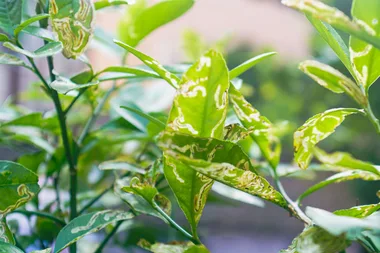
Getting the nitrogen balance right is crucial. Too little can lead to slow growth and pale leaves. Too much urine (nitrogen) can cause salt buildup and root burn, leading to lower-quality fruit.
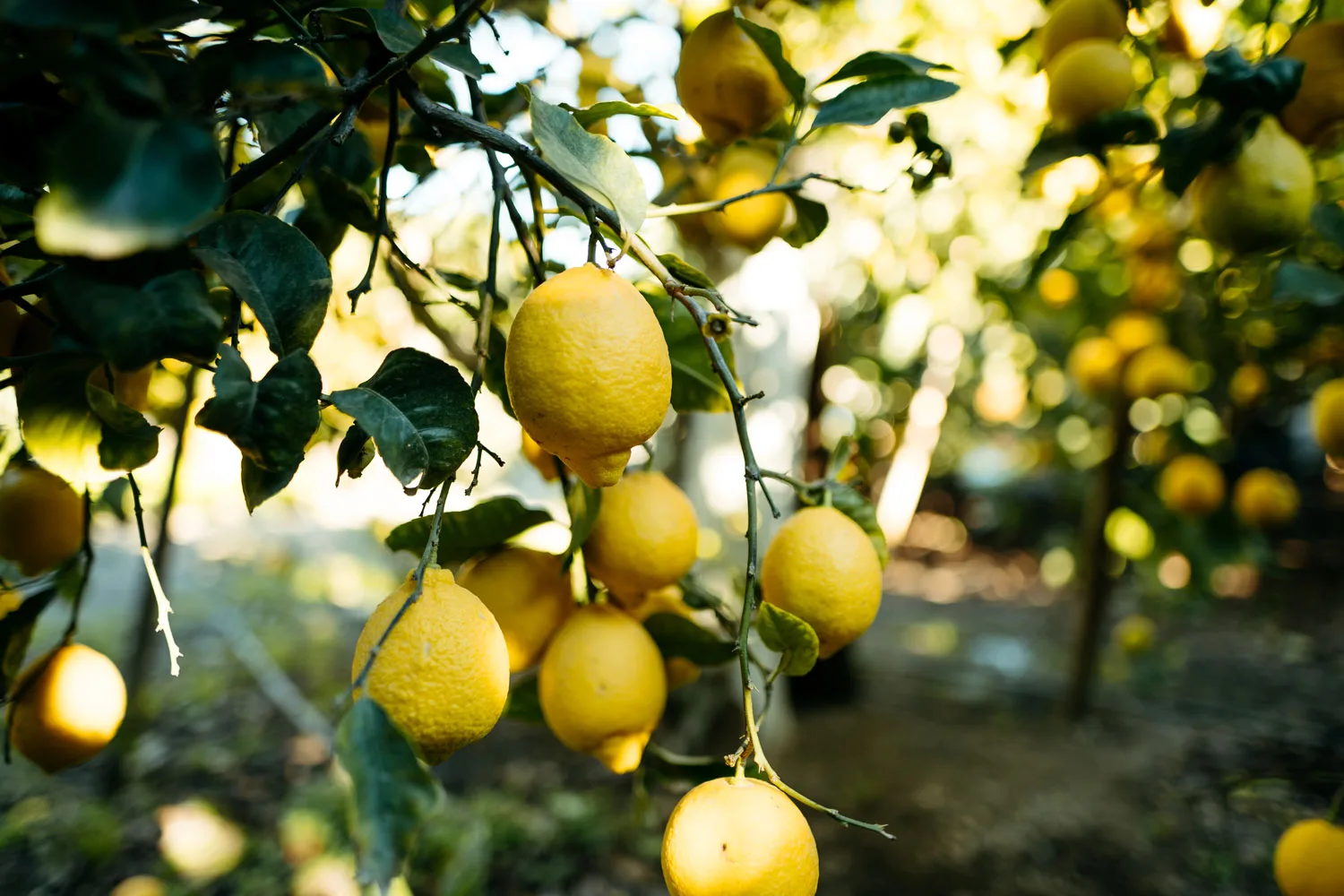
How to safely use urine on lemon trees
If you are going to use urine as a fertiliser on your lemon tree, dilution is key. Aim for roughly a 1:10 ratio – one part urine and 10 parts water. Always apply to the soil, not directly on the tree. Water in the well afterwards to help disperse the nutrients and eliminate any odours. Make sure you’re not overdoing it. Frequent urination can cause salt buildup over time, which can affect water intake.
The same advice applies to other citrus trees, including oranges and mandarins.
Urine vs commercial citrus fertiliser
Urine is high in nitrogen, but you might be better off with a commercial citrus fertiliser. These fertilisers are formulated to provide a balanced mix of nutrients, including phosphorus, potassium and trace minerals that lemons need. Many are available with a controlled-release formula that gradually feeds the tree, preventing over-fertilising.
Better ways to feed your lemon tree
Gardeners have better results with their lemon trees when combining a slow-release fertiliser with compost and a thick layer of mulch.
Used correctly, urine can provide a free nitrogen boost. But for consistent fruiting and long-term health, most gardeners will get better results with balanced citrus fertiliser, compost and mulch.
Frequently asked questions
Human urine contains nitrogen, phosphorus and potassium — the same nutrients found in many fertilisers. When diluted, it can be used to feed plants. Undiluted urine is too concentrated and may cause salt buildup or root burn, so it should always be diluted and applied to the soil.
Compost is one of the best homemade fertilisers for lemon trees because it improves soil structure and gradually adds nutrients. Mulch also helps retain moisture. While diluted urine can provide nitrogen, a balanced citrus fertiliser delivers a more complete nutrient profile.
Urine is high in nitrogen, which promotes leafy growth. However, too much nitrogen can reduce flowering and fruiting. For better blooms, plants usually need a balanced fertiliser with adequate phosphorus and potassium.

Related stories
Native ad body.
Native ad body.

Native ad body.