

In the 18th century, a lush, carpet-soft lawn was the exclusive domain of the very wealthy – it said to the world they didn’t need the land for crops or stock. On top of that, they paid people to keep the lawn neat and trim with scythes. The concept of a lawn for every home only came about in the early to mid-20th century with the mass production of lawnmowers, and so the weekly ritual of lawn mowing began.
Nowadays, having a healthy lawn isn’t about working harder; it’s about working smarter. The three months of winter are tough on lawns. The effects of frosts, more shade, shorter days and less sunlight mean bare patches appear that are then invaded by weeds.
Weed watch
Your first spring jobs when returning to your garden and seeing the state of your lawn are weeding, feeding and aerating. Weeds include oxalis, which sneaks through the blades of grass with creeping stems called stolons to form a dense mat. If you’re a hand weeder, you have to lift out every one of those stolons, and they can be difficult to remove by hand as they produce roots wherever they hit the ground. Then they can appear in another bare patch when the seed pods explode in summer and autumn.
Yellow-flowering catsear, capeweed and dandelion have long tap roots. If you hand pull them and the roots remain in the soil, they’ll regrow.
In spring and summer, bindii develop the painful prickles that get your puppies yelping. Another puppy peril is white clover, as its nectar-filled flowers attract masses of bees.
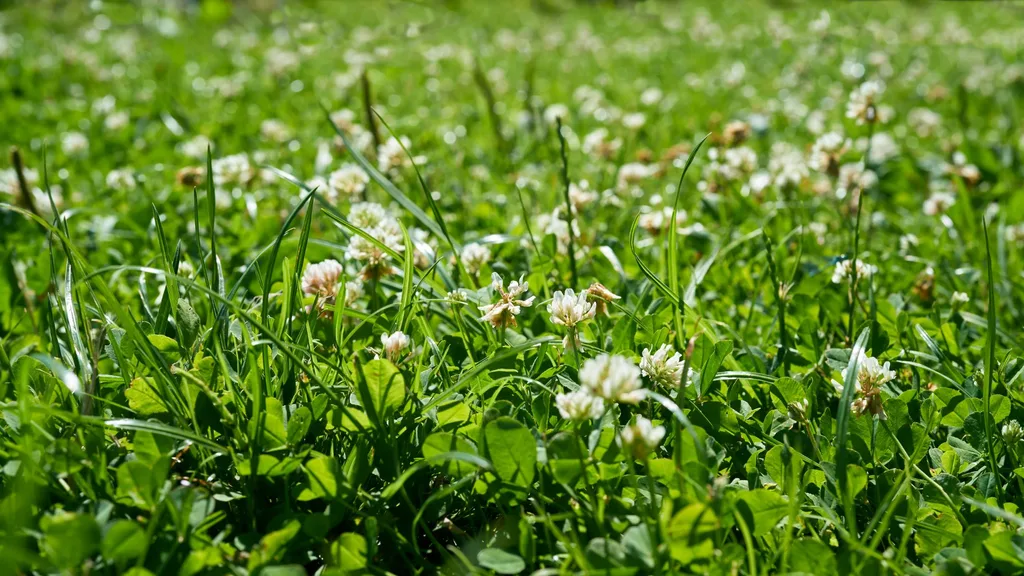
White clover is also a sure sign your soil is lacking essential nitrogen. White clover gets its nitrogen from the atmosphere, not the soil. Adding nitrogen-heavy fertiliser to the soil reduces its growth.
Lawn TLC
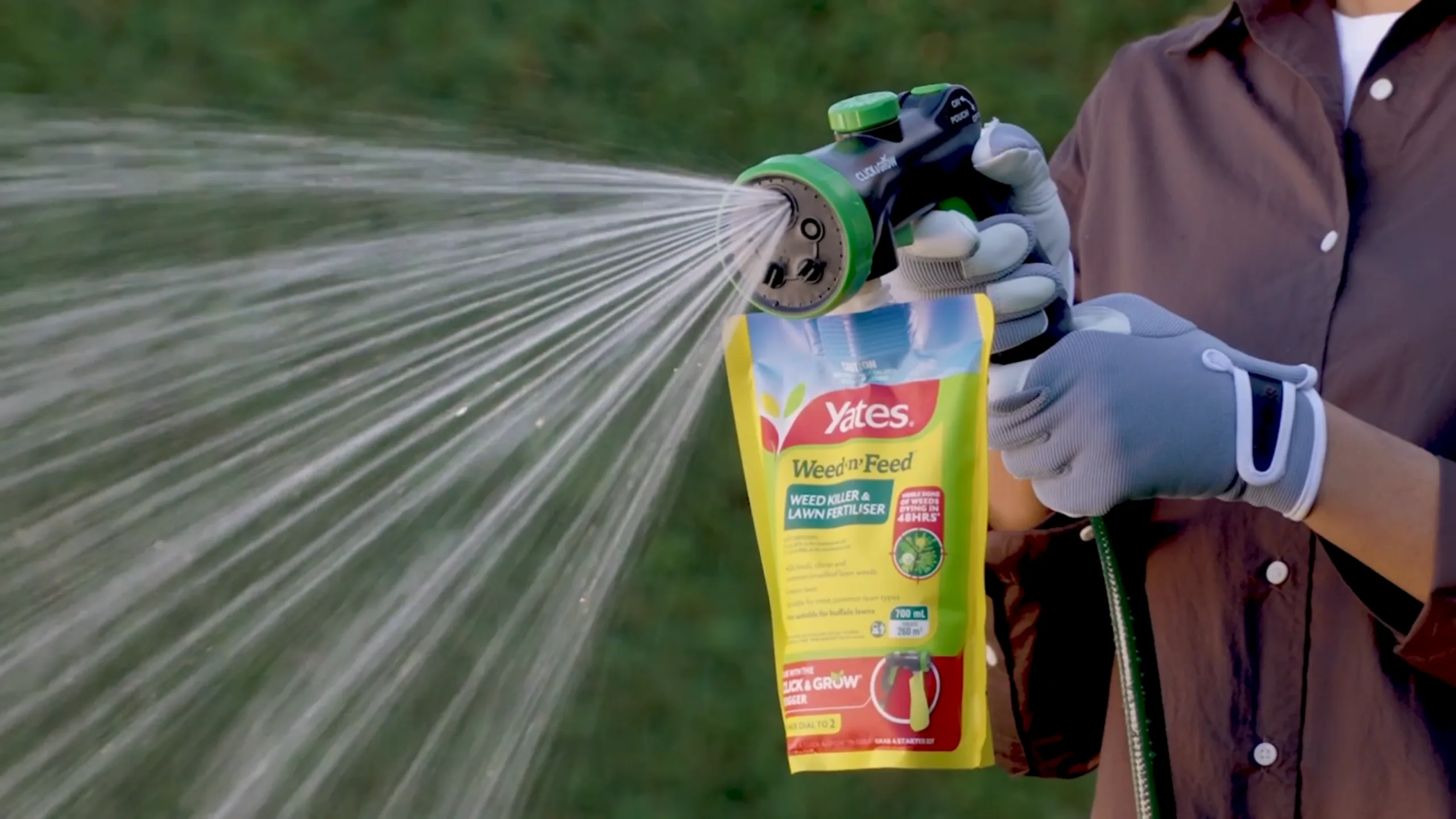
Make sure you pick the right product for your type of lawn. For buffalo lawns, choose Yates Lawn Weedkiller Bindii & Clover Buffalo Lawn. For most common lawn types, use Yates Weed’n’Feed Weed Killer & Lawn Fertiliser, which controls common broadleaf weeds including bindii, clover, dandelions and thistles while feeding lawns for greener growth. Simply click a pouch into the reusable Click & Grow hose trigger, connect your hose and spray. The no-touch dosing system automatically mixes the product as you apply.
Root strength
A couple of weeks later, as your lawn responds to the warmer weather, it’s often a good idea to aerate it so it’s easier for food and water to get to the roots, encouraging deeper growth and making them healthier.
You can get spiked sandals that you wear while walking up and down the lawn, or just create holes in the lawn with a garden fork. Another way to improve the roots is to apply Seasol Lush Green Lawns. It’s a combined liquid fertiliser and root tonic that helps your lawn handle heat, drought, frost and heavy foot traffic.
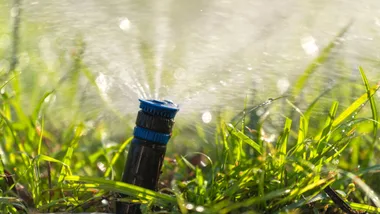
You can also boost your lawn’s resilience to heat and drought by looking at your watering routine. Frequent, shallow watering means grass roots don’t grow deep into the soil where it’s cooler. Instead, give your lawn a thorough soaking once a week to force roots to dig deep into the soil. And water early in the morning so the water can get into the soil before the hot sun causes it to evaporate.
Mowing
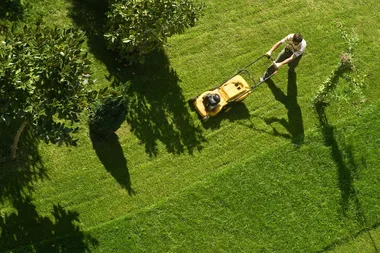
Once you get into the swing of your weekly mow, try not to cut the grass too low – when the grass is too short, its roots become stressed, and you’re opening the door to opportunistic weeds. Keeping the grass about 5–7cm long means the grass blades shade the soil and help prevent evaporation.



Feeding
At the height of summer, lawns can become stressed under the heat, but having healthy soil helps reduce that. With an early summer feed of Yates Dynamic Lifter Lawn Food & Soil Improver, you’re not only giving it slow-release fertiliser high in nitrogen, but also fish meal and seaweed that enrich the soil and reduce stress. Another feed in mid-autumn should prep your lawn for the winter ahead.
Make sure your lawn is well-watered and not suffering from moisture stress before applying fertiliser.


Related stories

Native ad body.

Native ad body.




Native ad body.