

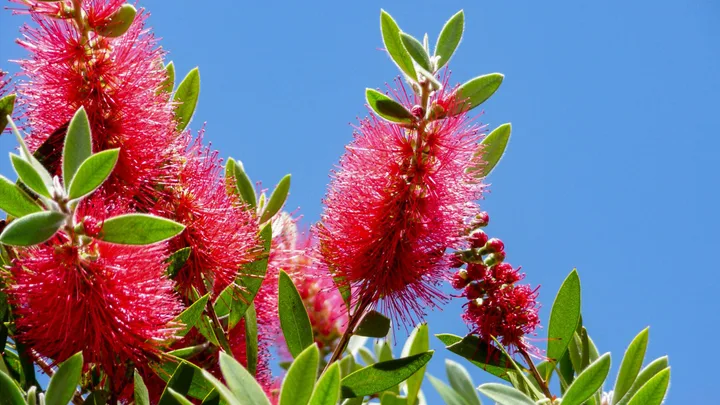
I’ve been hearing plenty of talk about a hot, dry summer coming up in 2026. While the Bureau hasn’t made anything official yet, they have mentioned a warmer spring and less rain than usual in parts of the South and East. So as we all start thinking about what to plant this spring, it might be a good idea to add a few tougher plants to your list, ones that are known for making it through those long, dry summers.
A question on the Better Homes and Gardens Facebook page sparked lots of conversation about the best plants to grow this summer. Over 160 people commented, suggesting more than 80 different plants and trees. Succulents and cacti were the most popular pick, just ahead of grevillea and frangipani, though no plant dominated. Here are the top picks.
12 best plants for hot weather in Australia

Grevillea
Grevillea spp.
Grevillea was one of the most mentioned plants, and it’s easy to see why. Drought-tolerant, low-maintenance, and covered in the kind of spidery, brightly coloured blooms that native birds can’t resist. It’s about as Australian as a garden gets.
As one commenter said: “Natives like grevilleas, hakeas, eucalyptus and callistemons… should be planted now to establish before the really hot weather starts.”
The grevillea pictured above is one of the year’s most anticipated natives bred specifically for harsher weather conditions. Named ‘Rica ’, it is set for release any day now.

Succulents and cactus
This low-maintenance duo was a runaway favourite for anyone wanting a “plant it and forget it” garden. And while they’re excellent for hot, dry weather, some species can also produce beautiful flowers. They also grow great in pots.
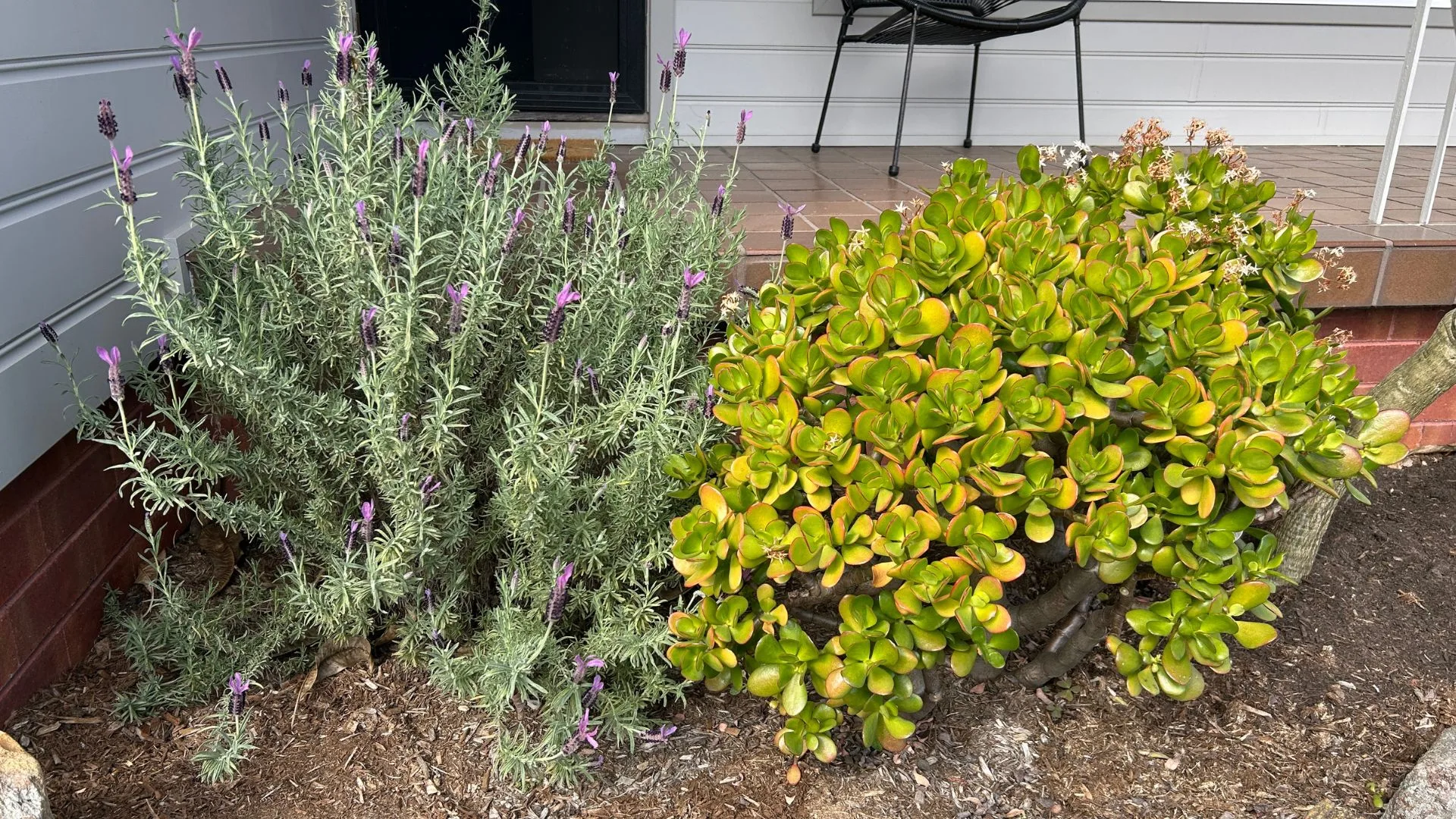
Jade (Crassula ovata) is often cited as the perfect example of this group. It’s a thick-leaved succulent that does well even when ignored and can live for many years with very little water.
As one commenter shared: “I have geraniums, succulents, cactus etc and my beautiful massive wondering jade.”
Another wrote: “Jade does well with little love, as do most succulents.”

Frangipani
Plumeria spp.
Frangipani not only looks good, but it has a clever built-in survival trick for hot weather. Storing water in its succulent stems and tall branches, it shrugs off dry spells that would kill most ornamental trees. That same hardiness makes it drought and salt tolerant and well suited to a hot Australian summer.
If you’re looking for a plant that’s safer in bushfire season, the native frangipani (Hymenosporum flavum) is a great pick. It’s known for its low flammability and is often recommended for gardens in bushfire-prone areas.

Bougainvillea
Bougainvillea spp.
Famously drought-tolerant and thriving on neglect, Bougainvillaea also features sharp thorns. Because of this, many gardeners plant them along fence lines or edging as a natural deterrent to intruders or pests. Once it’s established, it rewards you with colour through the hottest months.
If you want your bougs to really put on a show, keep them warm, protect them from frost in winter, feed them a few times a year, and don’t forget to prune after they finish flowering.

Salvia
Salvia spp.
If you want a plant that flowers for ages and keeps the bees happy, Salvia is hard to beat. I love how easy it is to tuck into a cottage garden or a rockery, and it always adds a pop of colour and texture without any extra work.
“Salvia plants — native bees love them, said one commenter. Another wrote: “Salvia Hot Lips, always a winner.”

Geranium
Pelargonium spp.
If you want a plant that can handle the Aussie summer, geraniums are a classic choice for any garden.
“Geranium will tolerate hot Australian summers and so many varieties. In addition, it can easily propagate from good cuttings,” one person shared.
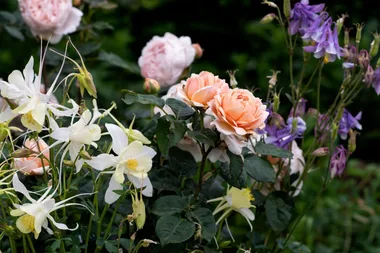
Also, wild geranium (pictured above) is being touted as the ideal native alternative to common geranium. And for people who find hydrangeas hard to grow, geraniums are a great replacement. It has small, grouped flower heads that range from white to pink, with deep red streaks. This shrub only grows up to 0.5m tall but adds a wonderful splash of colour to the garden.

Bottlebrush
Callistemon spp.
Another unmistakably Australian favourite, right behind grevillea in the natives category, is bottlebrush. Not only is it perfect for attracting wildlife to the garden, but bottlebrush also makes a great, tall native screening plant.
Specifically, someone in the BHG audience recommended Endeavour bottlebrush.
Another added: “Natives like grevilleas, hakeas, eucalyptus and callistemons… should be planted now to establish before the really hot weather starts.”

Westringia
Westringia fruticosa
Often recommended in the same breath as other tough natives, Westringia is a “set and forget” hedge plant through and through.
“Correa, Lomandra & Westringia. Gotta go natives!” said one commenter.
Another added: “Diosma, Native Westringia, Rosemary or Salvias, just a few of many tough plants.”

Kangaroo Paw
Anigozanthos spp.
The kangaroo paw grows tall, with leafless stems topped by soft, tube-shaped flowers that look like small paw prints. It handles dry conditions and is easy to care for once it’s established, needing only well-draining soil and a sunny spot in a pot or garden bed. Its nectar-rich flowers attract native bees, butterflies, and honeyeaters right into the garden.
Kings Park in Perth has created a few new cultivars of Kangaroo paw this year, bred specifically for hotter weather.

Hibiscus
Hibiscus rosa-sinensis
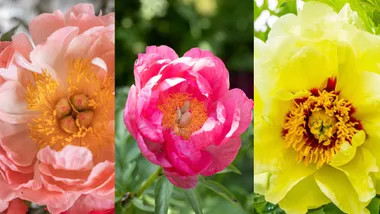
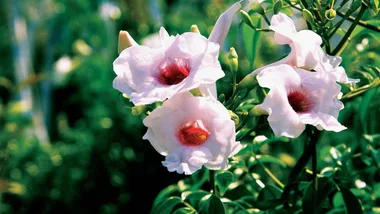
A tropical-looking bloom that turns out to handle the heat well but is not drought-tollerant. Here’s the surprising part: each hibiscus flower only opens for one day, opening in the morning and fading by evening. But a healthy plant grows a new set of flowers every day, so it never seems to slow down.

Pigface
Carpobrotus spp.
Pigface might have a funny name, but it’s one of our favourite Australian natives for tough spots in the garden. It handles dry weather, salty soil, and strong winds without any fuss. Plus, it’s totally safe for kids because it has no sharp bits to worry about. One of our members described it perfectly, saying, “Carpobrotus, pig face. Tough as old boots.”
Plant pigface on slopes or dunes, as its root system helps stabilise soil and prevent erosion.

Wattle
Acacia spp.
Wattle grows quickly and can survive dry conditions once it is established, and its roots add nitrogen to the soil, quietly improving the ground around it like a natural fertiliser working underground. Above ground, it shows one of Australia’s most well-known seasonal displays.
Other popular picks worth a mention
- Aloe — a classic, near-indestructible succulent (bonus: handy for sunburn relief)
- Vinca — a hardy, ever-flowering groundcover (note: a declared environmental weed in several states, so check local guidelines)
- Lavender — fragrant, drought-tolerant once established, a cottage-garden favourite. But remember Italian lavender is a high-risk plant.
- Olive — a Mediterranean classic; go for a non-fruiting variety if you want to skip the mess
- Sedum — a tough, low-maintenance succulent that holds up through the hottest months
- Osteospermum (African daisy) — bright, daisy-like blooms that cope well with heat
- Protea — striking, sculptural blooms, best in free-draining soil away from humidity
- Desert Rose — a slow-growing succulent with a distinctive swollen trunk
- Bird of Paradise — a bold, tropical-looking bloom, reasonably drought-hardy once settled in
- Crepe Myrtle — a flowering tree that actually performs better in the heat
- Golden Cane Palm — a lush, tropical-looking screen, though it prefers more consistent moisture than the others on this list
Succulents, cacti, aloe, sedum, kangaroo paw, geranium, salvia, lavender, desert rose, osteospermum, frangipani, bougainvillea, protea, and golden cane palm all do well in pots with a free-draining potting mix.
Full sun refers to light needs — at least six hours of direct sun a day. Drought-tolerant refers to water needs — how well a plant survives without regular watering once established. A plant can be one without being the other.

